• Home
  • Latest
  • Fortune 500
  • Finance
  • Tech
  • Leadership
  • Lifestyle
  • Rankings
  • Multimedia
Features

Biosimilars may one day save your life. But what are they?

By
Laura Lorenzetti
Laura Lorenzetti
Down Arrow Button Icon
By
Laura Lorenzetti
Laura Lorenzetti
Down Arrow Button Icon
February 6, 2015, 4:35 PM ET
161135392
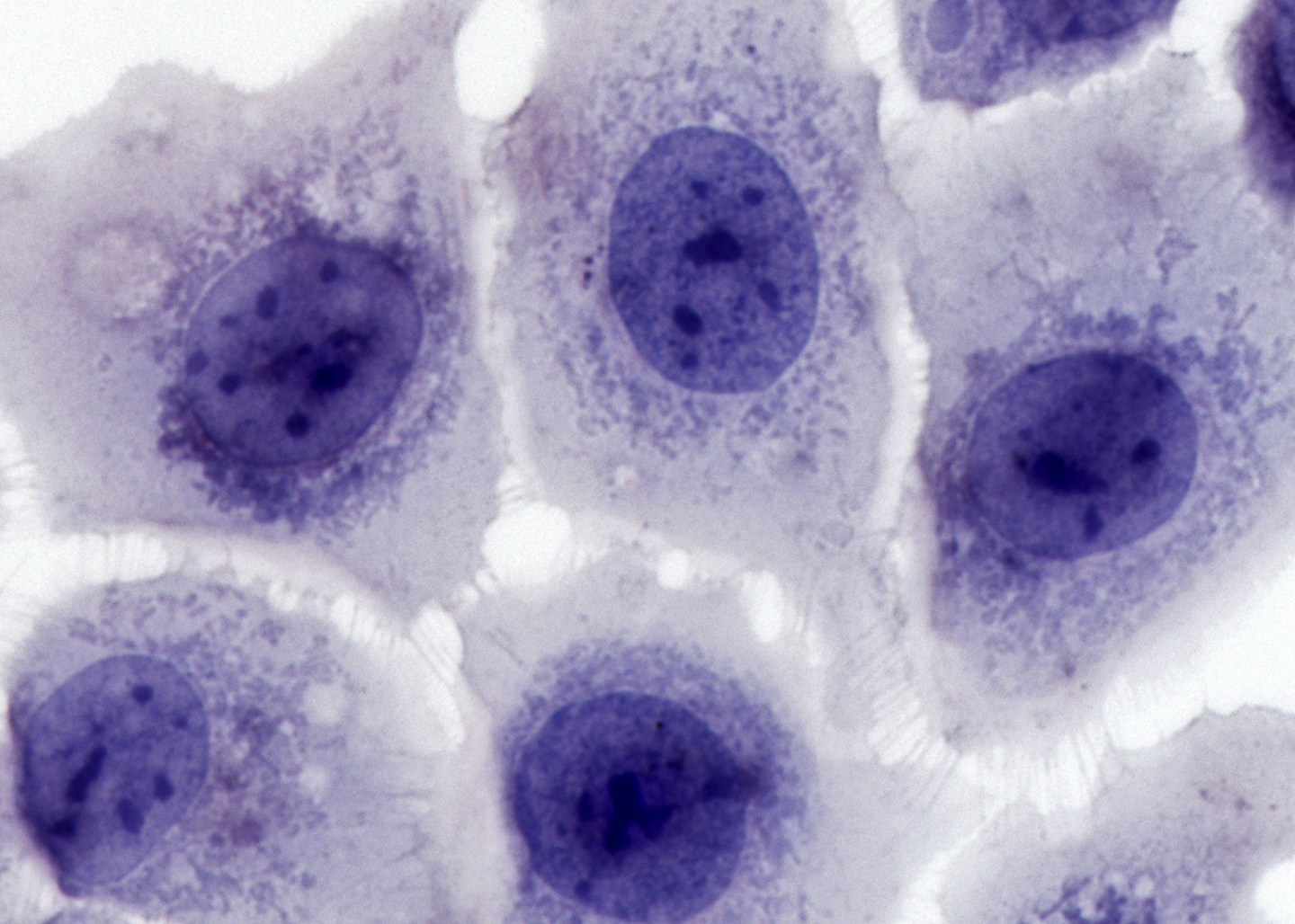
Micrograph of epidermal cellsPhotograph by Getty Images

Pfizer (PFE) shelled out big bucks–$17 billion to be exact–to buy the much smaller drugmaker Hospira. A big reason for the rather expensive acquisition is to gain access to the company’s biosimilar portfolio, a relatively new and burgeoning part of the pharma industry.

If you live in the U.S., there’s probably a good reason you haven’t heard of biosimilars. They don’t actually exist on American shores, yet. But they are gaining steam overseas and could account for $4.8 billion in European sales this year, according to estimates by FirstWord. Drug makers are hoping to bring them to the U.S. market, where sales would likely be even higher.

Biosimilars are less costly imitations of drugs known as biologics, which are used to treat a range of diseases including cancer, rheumatoid arthritis, diabetes, and anemia. But they are different from generics in that they are not exact copies.

“If creating a generic drug is like designing a tricycle, then a biosimilar is like building a spaceship, in terms of complexity and size,” said Asthika Goonewardene, a senior healthcare analyst with Bloomberg Intelligence.

Biologic drugs are made using living cells that treat disease, usually by genetically modifying cells. They are big and very complex molecules, often 200 to 1,000 times the size of more common small-molecule drugs. For example, aspirin, part of a common category of medicine known as small-molecule drugs, is made of up only 21 atoms. While the biologic drug Enbrel, which is used to treat rheumatoid arthritis and plaque psoriasis, consists of more than 20,000 atoms.

As a result of their complex makeup, biologics are highly sensitive to manufacturing and handling conditions, and many of those production details are highly-guarded intellectual property of the company that develops the initial drug. Creating imitations is, therefore, very difficult.

Producing generic small-molecule drugs is relatively simple–it’s like following a recipe with standard ingredients. Biosimilars are much more challenging because living cells are highly sensitive to their environments, and manufacturers have to create their own, unique process to coax these cells to produce an identical outcome to an existing treatment.

Biosimilars could be compared to snowflakes. The molecular makeup of each biosimilar treatment will look unique, like individual snowflakes, even though they all have similar outcomes. This is the result of differing manufacturing processes.

That makes drug approvals challenging. Generics are approved based on matching chemical structure, but that doesn’t work for biosimilars. Each new biosimilar has to run clinical trials to prove the outcome matches that of the biologic its imitating even though it looks structurally different, according to recently announced guidelines from the Food and Drug Administration.

“We’re still in the very nascent stages of the biosimilar story,” said Goonewardene. “It’s in a state of flux right now, and that’s why it’s interesting.”

The opportunities for biosimilars are huge for both manufacturers and consumers. Many leading biologic medicines, worth more than $81 billion global annual sales, will lose their patent protections by 2020, according to data from Visiongain.

Much like generics, biosimilars can help cut drug costs, though the savings are smaller because of their complexity as well as regulatory challenges of getting FDA approvals. Biosimilars cost about $75 million to $250 million to reach the approval stage, versus around $2 million to $3 million for a generic small-molecule medicine, according to biologics-maker Sandoz, a Novartis company.

The United States may reap the benefits of biosimilars sooner rather than later. Last month, the FDA’s Oncologic Drugs Advisory Committee recommended Sandoz’s biosimilar filgrastim for approval. It’s a stand-in for Amgen’s (AMGN) Neupogen, which is used to boost immunity for patients undergoing chemotherapy. Sandoz’s biosimilar, to be marketed under the name Zarxio, could receive the FDA’s seal of approval as soon as this year.


About the Author
By Laura Lorenzetti
See full bioRight Arrow Button Icon

Latest in Features

FeaturesThe Boring Company
Two firefighters suffered chemical burns in a Boring Co. tunnel. Then the Nevada Governor’s office got involved, and the penalties disappeared
By Jessica Mathews and Leo SchwartzNovember 12, 2025
1 month ago
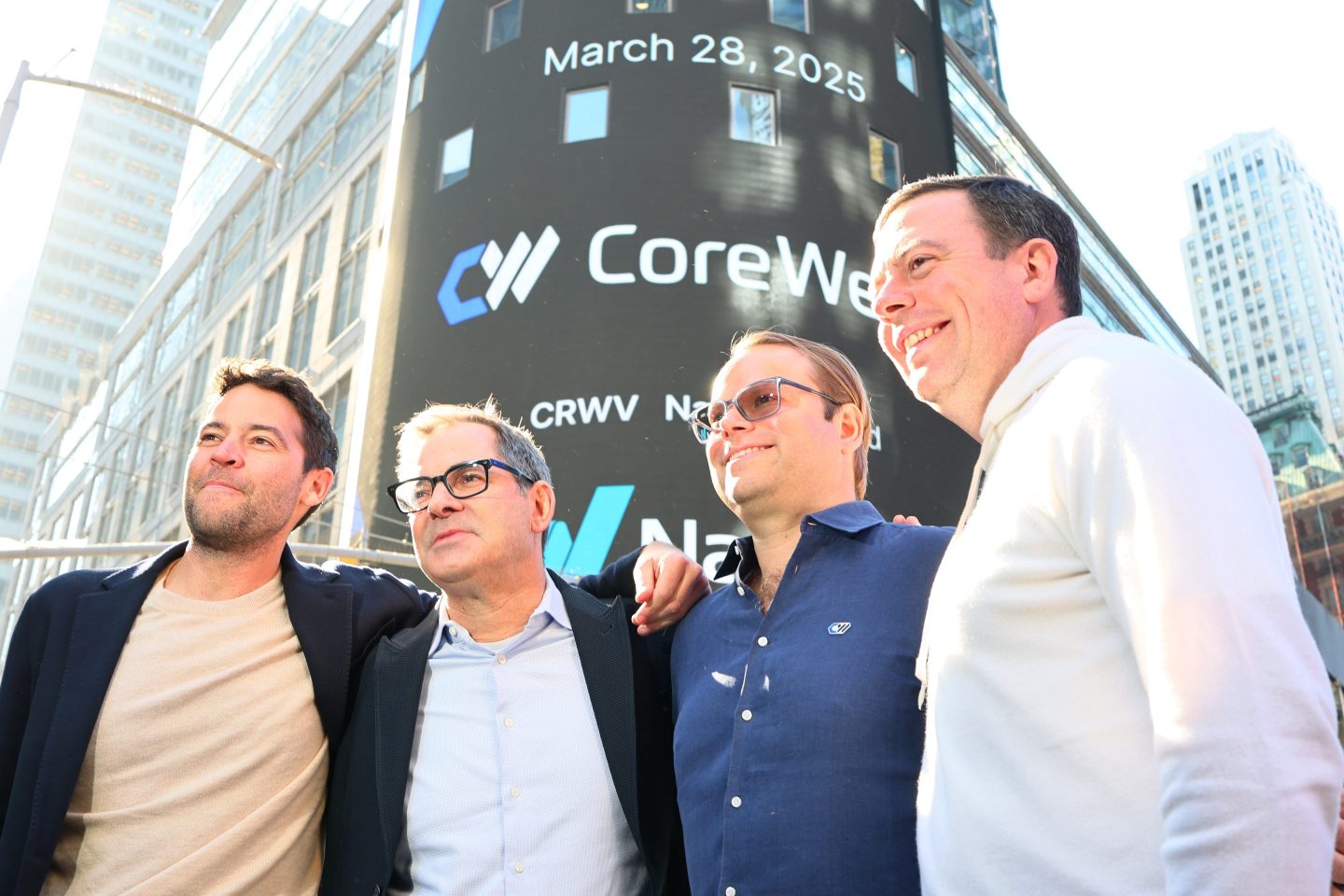
CoreWeave executives pose in front of the Nasdaq building on the day of the company's IPO.
AIData centers
Data-center operator CoreWeave is a stock-market darling. Bears see its finances as emblematic of an AI infrastructure bubble
By Jeremy Kahn and Leo SchwartzNovember 8, 2025
1 month ago
Libery Energy's hydraulic fracturing, or frac, spreads are increasingly electrified with natural gas power, a technology now translating to powering data centers.
Energy
AI’s insatiable need for power is driving an unexpected boom in oil-fracking company stocks 
By Jordan BlumOctober 23, 2025
2 months ago
Politics
Huge AI data centers are turning local elections into fights over the future of energy
By Sharon GoldmanOctober 22, 2025
2 months ago
A plane carrying Donald Trump Jr. arrives in January in Nuuk, Greenland, where he is making a short private visit after his father, President Trump, suggested Washington annex the autonomous Danish territory.
EnergyGreenland
A Texas company plans to drill for oil in Greenland despite a climate change ban and Trump’s desire to annex the territory
By Jordan BlumOctober 22, 2025
2 months ago
Three of the founders of Multiverse Computing.
AIChange the World
From WhatsApp friends to a $500 million–plus valuation: These founders argue their tiny AI models are better for customers and the planet
By Vivienne WaltOctober 9, 2025
2 months ago

Most Popular

placeholder alt text
Success
40% of Stanford undergrads receive disability accommodations—but it’s become a college-wide phenomenon as Gen Z try to succeed in the current climate
By Preston ForeDecember 12, 2025
3 days ago
placeholder alt text
Success
Apple cofounder Ronald Wayne sold his 10% stake for $800 in 1976—today it’d be worth up to $400 billion
By Preston ForeDecember 12, 2025
3 days ago
placeholder alt text
Uncategorized
Transforming customer support through intelligent AI operations
By Lauren ChomiukNovember 26, 2025
18 days ago
placeholder alt text
Economy
Tariffs are taxes and they were used to finance the federal government until the 1913 income tax. A top economist breaks it down
By Kent JonesDecember 12, 2025
3 days ago
placeholder alt text
Economy
More financially distressed farmers are expected to lose their property soon as loan repayments and incomes continue to falter
By Jason MaDecember 13, 2025
1 day ago
placeholder alt text
Energy
Everything the Trump administration is doing in Venezuela involves oil and regime change—even if the White House won’t admit it
By Jordan BlumDecember 14, 2025
17 hours ago
Rankings
  • 100 Best Companies
  • Fortune 500
  • Global 500
  • Fortune 500 Europe
  • Most Powerful Women
  • Future 50
  • World’s Most Admired Companies
  • See All Rankings
Sections
  • Finance
  • Leadership
  • Success
  • Tech
  • Asia
  • Europe
  • Environment
  • Fortune Crypto
  • Health
  • Retail
  • Lifestyle
  • Politics
  • Newsletters
  • Magazine
  • Features
  • Commentary
  • Mpw
  • CEO Initiative
  • Conferences
  • Personal Finance
  • Education
Customer Support
  • Frequently Asked Questions
  • Customer Service Portal
  • Privacy Policy
  • Terms Of Use
  • Single Issues For Purchase
  • International Print
Commercial Services
  • Advertising
  • Fortune Brand Studio
  • Fortune Analytics
  • Fortune Conferences
  • Business Development
About Us
  • About Us
  • Editorial Calendar
  • Press Center
  • Work At Fortune
  • Diversity And Inclusion
  • Terms And Conditions
  • Site Map

© 2025 Fortune Media IP Limited. All Rights Reserved. Use of this site constitutes acceptance of our Terms of Use and Privacy Policy | CA Notice at Collection and Privacy Notice | Do Not Sell/Share My Personal Information
FORTUNE is a trademark of Fortune Media IP Limited, registered in the U.S. and other countries. FORTUNE may receive compensation for some links to products and services on this website. Offers may be subject to change without notice.