How low would stocks have to go to bring Ben Bernanke off the sidelines?
A 17% drop in the U.S. blue chips would probably suffice, say big fund managers surveyed this month by Bank of America Merrill Lynch.

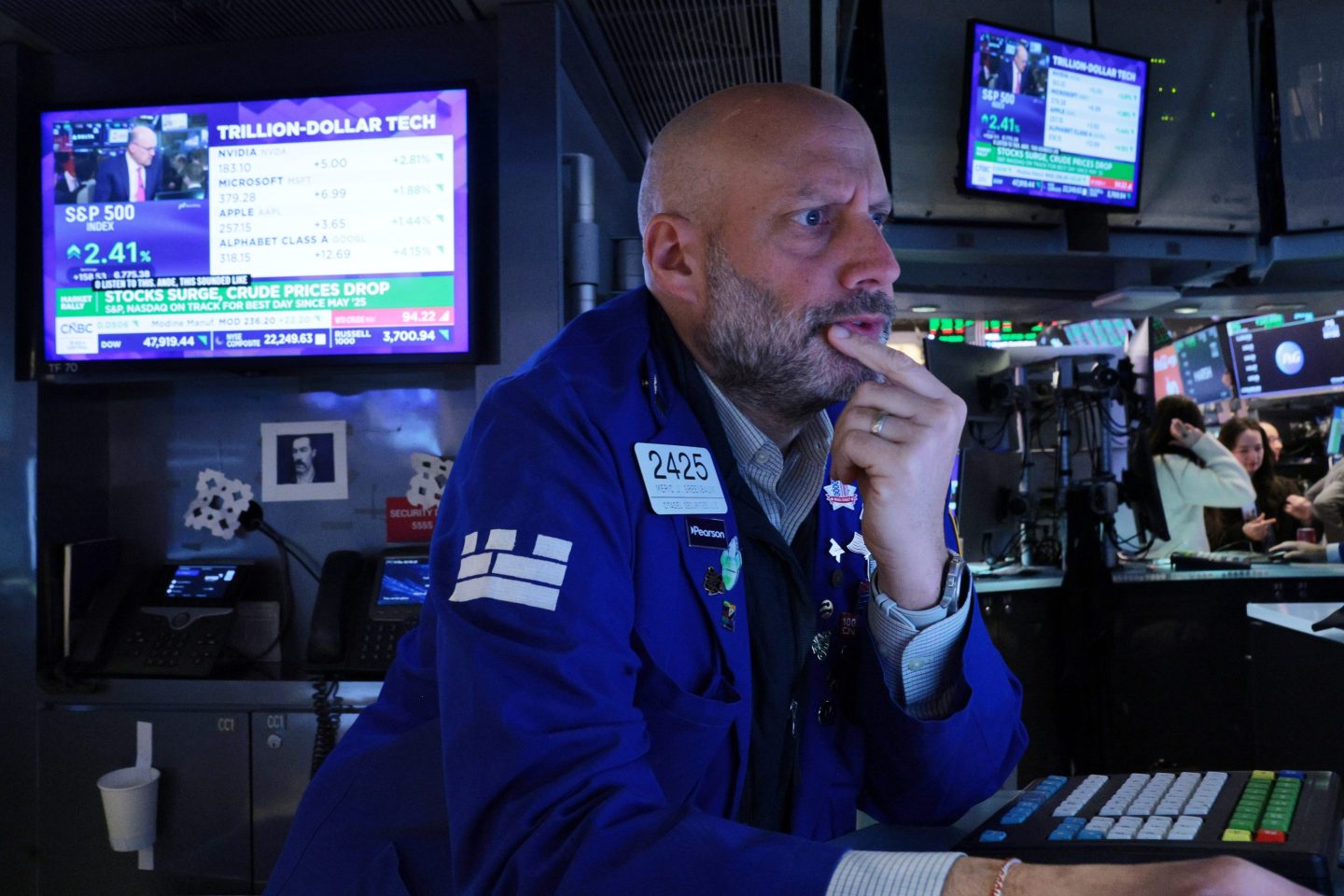
The S&P 500 would have to hit 1100 to get the Fed buying more bonds to prop up domestic demand for goods and services, according to the survey of 265 managers overseeing nearly $800 billion in assets.
The index was at 1327 Wednesday. As it happens, the push for QE2 started last August when the S&P dropped below 1100.
For now, the consensus among investors is that the Fed will do its best to avoid another round of quantitative easing. The latest attempt was almost universally (and mostly wrong-headedly) attacked for goosing commodity prices and failing to reduce unemployment. The reality no one seems to want to face up to is that Fed policy ultimately has little impact on these things.
But it’s true too that the economy is not in any great danger of perking up anytime soon, which will leave unemployment hanging around 9% and over time put pressure on Bernanke to try, try again – particularly as it seems we cannot count on Congress to do anything, let alone something constructive.
So it is quite a good bet that a dropping stock market would indeed pull Bernanke into action, whether kicking and screaming or otherwise. This could potentially be the mechanism for Fed support were Congress to blow up the economy by putting the government in default through a failure to raise the debt ceiling. The market almost surely wouldn’t drop 17% in a day, but hey, give it a few weeks.
Many of the managers evidently prefer not to consider either that scenario or the economy’s poor performance throughout most of this year. Most are willing to concede that the Fed won’t be raising rates this year, but almost half believe a rate hike is due in the first half of next year – which implies either an almost miraculous recovery, or a sudden and nearly inexplicable spike in inflation.
On the other hand, in April more than two-thirds were banking on a rate hike this year, and now that number is down to 6%. And more than 20% of survey respondents – the second-largest group – believe there will be no rate hike before 2013. Slowly but surely, the reality of the nonrecovery recovery is sinking in.