Respiratory virus season has arrived, and hopefully you’re up to date on vaccinations that can help prevent infectious diseases including COVID, the flu, whooping cough, and respiratory syncytial virus (RSV). But are you protected against pneumonia, a common complication of each of the above illnesses?
If you haven’t received the pneumonia (pneumococcal) vaccine, you’re among the majority of Americans. Just one in four (25%) people at high risk of pneumococcal disease, an infection that causes pneumonia—children younger than 2, adults older than 64, and those with certain chronic health conditions such as diabetes—have been immunized. That’s according to a survey published last month by the National Foundation for Infectious Diseases (NFID).
Less than half (44%) of eligible respondents said they planned to get a pneumococcal vaccine; fewer than one in four (24%) said they would “definitely” get vaccinated. Overall, fewer still (17%) were concerned about themselves or a family member getting pneumococcal disease. People with a chronic health condition were twice as likely as those without to be concerned about respiratory infection.
People who didn’t plan on pneumococcal vaccination cited these reasons:
- Concern about side effects from the vaccine: 41%
- Concerns about getting sick from the vaccine: 32%
- Distrust of vaccines in general: 32%
“We must build trust by enhancing our support for people in using science and evidence to make personally appropriate decisions regarding vaccines and other health choices,” Dr. Reed Tuckson, cofounder of the Black Coalition Against COVID and chair of the board of the Coalition for Trust in Health and Science, said during a Sept. 25 NFID news conference. “The pandemic taught us that it is possible to close some of the gaps in immunization rates among communities of color, but we still have a long way to go.
“In addition to evidence-based messaging, we know that guidance from familiar, trusted health care professionals working with minority communities is essential to building vaccine confidence.”
What is pneumonia?
Pneumonia is a lung infection that annually impacts millions of people around the globe, according to the Centers for Disease Control and Prevention (CDC). The disease is preventable and typically treatable, but it can also be deadly. In 2022, more than 41,000 people in the U.S. died from pneumonia.
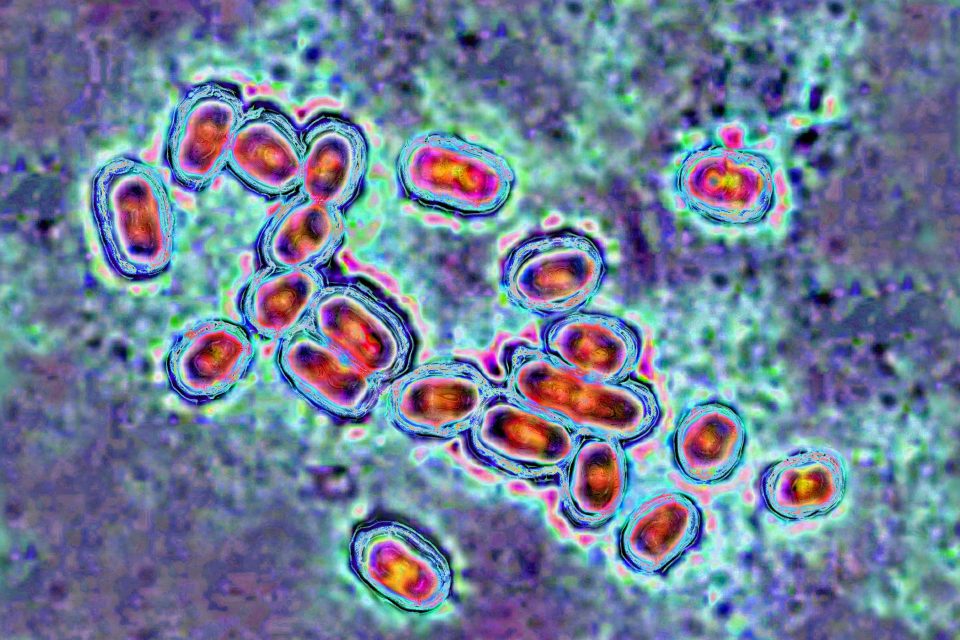
Pneumonia may inflame the air sacs in one or both of your lungs, notes the Mayo Clinic. The sacs can fill with pus or fluid, causing phlegmy coughs. Organisms including fungi, parasites, viruses, and bacteria can cause the disease.
How does pneumonia spread?
Your risk of pneumonia is heightened during the fall and winter, but you can catch it any time of year. Bacterial and viral pneumonia are more common, and people tend to develop infections in three ways:
- Outside a health care setting
- During or after a hospital stay
- After being on a ventilator to support breathing
All kinds of germs, from Bordetella pertussis, the bacterium that causes whooping cough, to varicella-zoster, the virus that causes chickenpox, can spur pneumonia, but some are more prevalent than others. COVID, the flu, and RSV are among the viruses that often cause pneumonia, while pneumococcal disease is one of the most common bacterial infections leading to pneumonia.
Your doctor may order diagnostics such as blood tests, a chest X-ray, or a CT scan to pinpoint the type of pneumonia you have, but it’s not always possible to identify the offending germ, according to the American Lung Association (ALA).
If you’re 65 or older, your risk of pneumonia increases with each passing year. The risk among children under 5 decreases with age. The CDC also notes higher rates of pneumococcal disease among Black, Alaskan Native, and certain American Indian people. According to the CDC, people with these conditions and behaviors are also at high risk of pneumonia:
- Alcoholism
- Being around sick people
- Chronic heart, lung, or liver disease
- Cigarette smoking
- Diabetes
- Weakened immune system
What are symptoms of pneumonia?
The ALA list these common pneumonia symptoms:
- Confusion, especially in older people
- Cough, which may produce greenish, yellow, or even bloody mucus
- Fever, sweating, and shaking chills
- Loss of appetite, low energy, and fatigue
- Nausea and vomiting, especially in small children
- Rapid, shallow breathing
- Sharp or stabbing chest pain that gets worse when you breathe deeply or cough
- Shortness of breath
Babies may not have symptoms, while older adults may exhibit milder symptoms. In addition, people may show different symptoms depending on the type of pneumonia they have:
- Bacterial
- Symptoms may develop gradually or suddenly
- Bluish lips and nail beds
- Confusion or delirium
- High fever up to 105 degrees, with profuse sweating
- Rapidly increased breathing and pulse rate
- Viral
- Symptoms develop over several days
- Early symptoms include dry cough, fever, headache, muscle pain, and weakness
- Symptoms worsen after a day or two, including increasing cough, muscle pain, and shortness of breath
Should I get the pneumonia vaccine?
There’s an app for that: the CDC’s PneumoRecs VaxAdvisor. The free tool, which doesn’t collect personal information, is available online and on mobile devices. However, it’s designed for use by health care providers, and you should consult your doctor about your pneumococcal vaccine needs.
In the U.S., two categories of vaccines are available, named for the strains of pneumococcal bacteria they protect against:
- Pneumococcal conjugate vaccines (PCVs)
- PCV15 (Merck’s Vaxneuvance)
- PCV20 (Pfizer’s Prevnar 20)
- PCV21 (Merck’s Capvaxive)
- Pneumococcal polysaccharide vaccine
- PPSV23 (Merck’s Pneumovax 23)
The CDC recommends children younger than 5 receive four doses of PCV15 or PCV20 at:
- 2 months
- 4 months
- 6 months
- 12–15 months
The agency’s recommendations are a bit more complicated for people 65 and older—and those 19 to 64 at high risk of pneumonia—which is why it’s so important to discuss your options with your doctor. The guidelines vary depending on your age, health, and immunization history. For example, if you’re 65 and previously received the PPSV23 vaccine, your doctor might advise you to get PCV20 or PCV21. Medicare Part B covers pneumonia immunizations.
Whether or not your doctor recommends you get a pneumococcal vaccine, you can help protect yourself and those around you from pneumonia by getting vaccinated against diseases that often lead to pneumonia.
For more on vaccines and infectious diseases:
- Could your cough be walking pneumonia? Here are the symptoms of the spiking bacterial illness
- Public health experts are warning of a ‘quad-demic’ this winter. Here’s where flu, COVID, RSV, and norovirus are spreading
- Yes, you can get the COVID, flu, and RSV vaccines at once. Here are the pros and cons
- COVID sickens older adults most severely, but less than half say they’ll get the new vaccine
- RSV can be deadly, especially for older adults. What to know about symptoms and the new vaccine
Subscribe to Well Adjusted, our newsletter full of simple strategies to work smarter and live better, from the Fortune Well team. Sign up for free today.