A new paper from U.K. researchers makes what is, to most, a startling assertion: Alzheimer’s disease can apparently be transmitted, in extremely rare and limited circumstances.
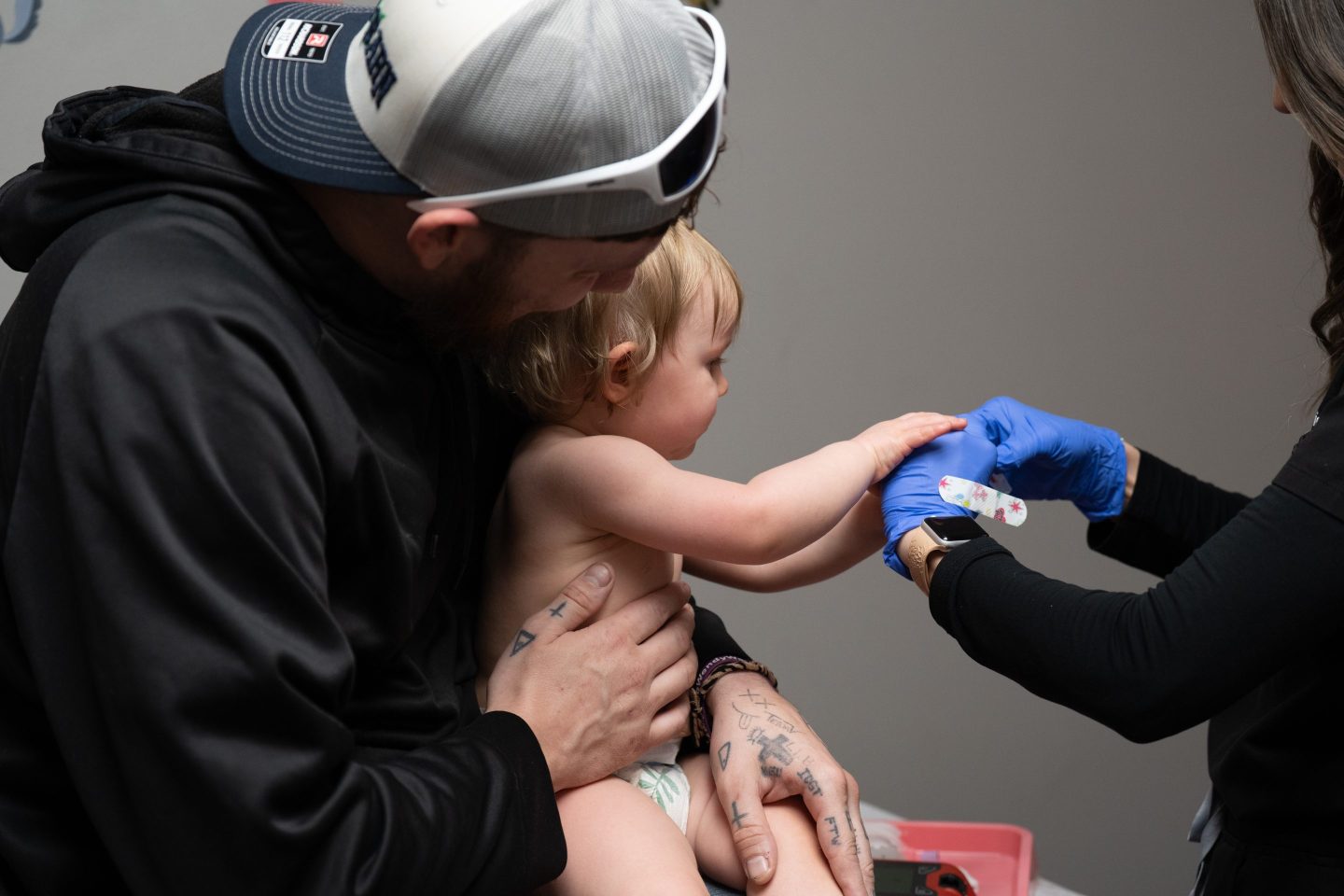
Five people—now middle-aged adults—appear to have contracted the disease from medical procedures in the late 1950s through mid-1980s. The growth-hormone deficient individuals, then children, received donor hormone from cadavers whose brains apparently contained infectious, misfolded proteins that lead to often-fatal neurodegenerative disease.
Some of the 1,848 patients who received cadaver hormone developed Creutzfeldt-Jakob disease (CJD), a rare but always fatal brain disorder caused by a type of prion known as PrP-amyloid plaques. Researchers eventually realized that some such patients had also developed shockingly early deposits of misfolded amyloid-beta plaques, which help fuel Alzheimer’s disease.
Suspicious of the cadaver hormone, researchers injected it—which had been stored for decades—into the brains of mice. Not surprisingly, the mice also developed amyloid-beta plaques in their brains. Eventually, they suggested, cadaver growth-hormone recipients who didn’t contract fatal CJD caused by one type of misfolded protein might eventually develop Alzheimer’s disease, caused by another.
Some patients eventually did, at an unusually young age—between 39 and 55, suggesting that they didn’t acquire sporadic cases of the disease that tend to develop in old age. Genetic sequencing failed to reveal genetic errors known to predisposed patients to the disorder. It’s assumed they developed the disease from the contaminated growth hormone, making the case for the transmissibility of what has long been considered a chronic but non-infectious disease.
Similar diseases, similar causes
The new study, published this week in Nature Medicine, highlights a divisive discussion among doctors. Rare neurodegenerative diseases involving the initially identified type of misfolded protein, PrP-amyloid plaques—like the so-called “mad cow disease” in cows, “chronic wasting disease” in deer, and CJD in humans—are called prion diseases.
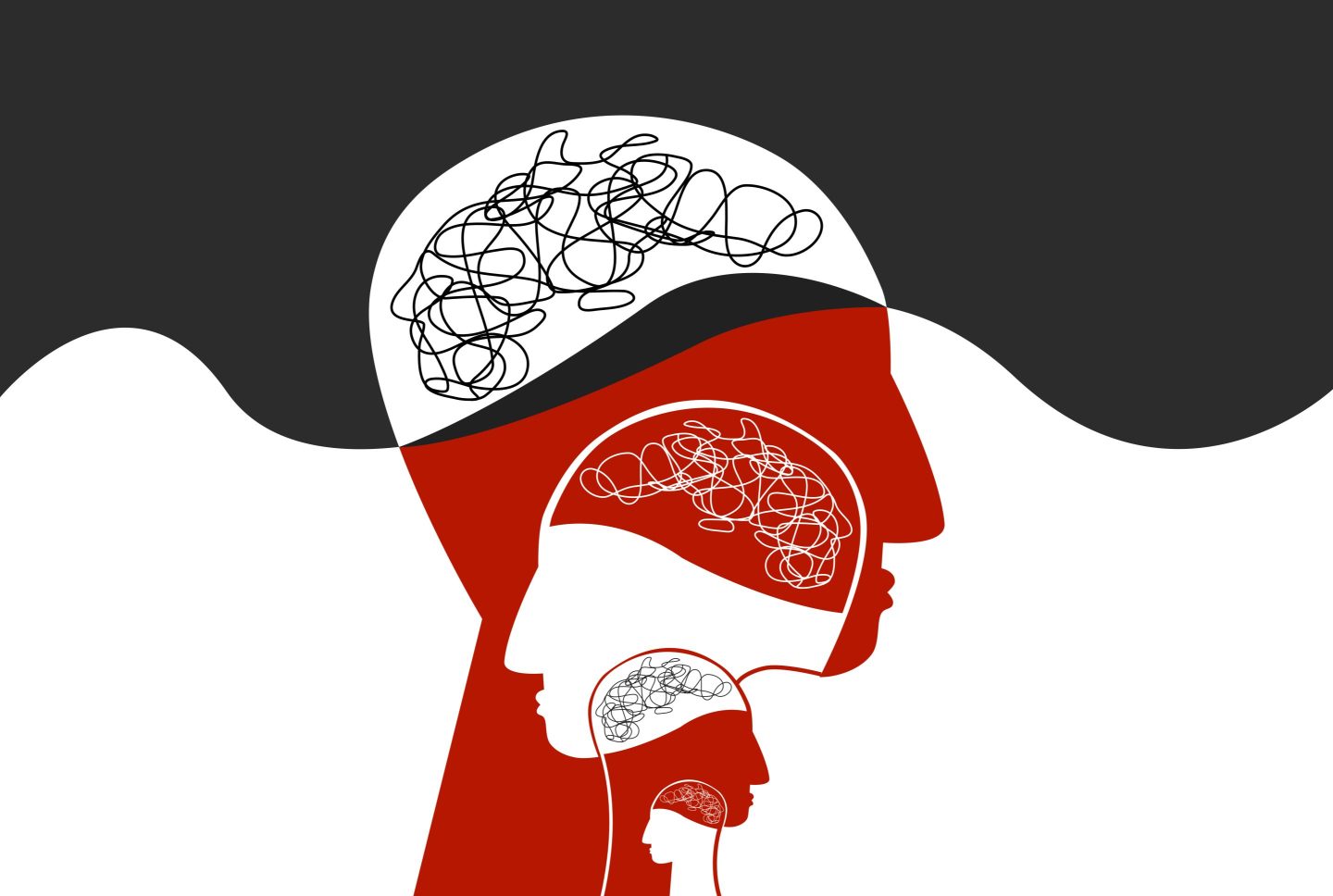
Should other misfolded proteins—like amyloid-beta plaques and tau tangles, which fuel Alzheimer’s disease—be considered prions too? And if so, aren’t those diseases prion diseases as well?
Yes, some experts would say. Others disagree, calling such conditions “prion like,” afraid of alarming the public about the potential for transmission, although incredibly slight.
It’s an interesting and illuminating debate. Here’s what you need to know about the incredibly rare and exotic prion diseases, which hold uncomfortable similarities with other neurodegenerative conditions we’ve become so accustomed to.
What are prions?
Stated simply, prions are infectious proteins that are misshapen, and that somehow—by mechanisms yet unknown—cause other proteins they encounter to become misshapen as well.
Until recently, it was thought that only organisms like viruses, bacteria, fungi, and parasites were able to cause infections. In the 1980s, however, neurologist and biochemist Dr. Stanley Prusiner realized that proteins could cause infections too. In 1997, he won a Nobel Prize for the discovery.
What are prion diseases?
Classic prion diseases occur when PrP prions cascade, infecting other prions and causing them to malfunction. The prions accumulate into toxic clumps that damage the brain and eventually lead to death.
There are two types of classic prion diseases: those that are generally thought to be genetically acquired, and those that are primarily transmitted by infection. In the first category is Creutzfeldt-Jakob disease (CJD), a quickly progressing, always fatal neurodegenerative condition. Just how the vast majority of patients develop the illness is unknown. But 5% and 15% of patients have known genetic errors that lead to the condition.
Other genetically acquired human prion diseases include Gerstmann-Straussler-Scheinker disease and fatal familial insomnia. Both, like CJD, are extremely rare, always fatal neurodegenerative conditions. They’re generally caused by genetic errors, though apparently sporadic cases can occur. Such diseases can be transmitted to other humans in extremely rare circumstances, like cornea transplantation and during surgery with contaminated equipment.
Then there’s the generally transmitted kind of prion disease, which include bovine spongiform encephalopathy (BSE), also known as “mad cow disease.” (The sheep version is called “scrapie,” and the human version is called variant Creutzfeldt-Jakob disease, or vCJD.) “Chronic wasting disease,” which occurs in deer but can spread to other species—including, perhaps, humans—also falls in this category.
What are the symptoms of classic prion diseases?
All classic prison diseases have long incubation periods that last decades—sometimes up to a half century. Symptoms are similar to those in animals and include:
- rapid onset dementia
- difficulty walking
- involuntary muscle movements
- confusion
- mood changes
- hallucinations
- muscle stiffness
- impaired memory
- depression
- fatigue
- difficulty speaking
- invariably, eventual death
Are Alzheimer’s disease, Parkinson’s disease, and ALS prion diseases?
It’s a complicated question and one that involves semantics, Jason Bartz—a prion disease expert and professor of microbiology and immunology at Creighton University in Omaha, Neb.—tells Fortune. Such neurodegenerative disorders cause symptoms similar to that of classic prion diseases. Some experts consider them to be “prion-like” diseases because, while they involve other, similar types of misfolded proteins, they’re not generally considered to be infectious.
There is limited evidence, however, Alzehimer’s disease, considered by many to be a “prion-like” disorder, may be transmissible in very limited circumstances—in trials involving mice, and in rare invasive procedures like the growth hormone transplantation scenario described above. (For patients who are growth hormone deficient, the hormone is now created in a lab, eliminating the need for donor hormone and eliminating the risk of transmitted prions.)
It all boils down to this question: Are prion diseases only caused by misfolded PrP proteins? Or should other misfolded proteins—like amyloid-beta plaques and tau, the kind thought to fuel Azheimer’s disease—be considered prions too?
Prusiner—the Nobel Prize-winning scientists who discovered prions—in a 2019 statement called Alzheimer’s disease is “a double-prion disorder in which two rogue proteins,” the amyloid-beta plaques and tau tangles described above, “together destroy the brain.”
Am I at risk of catching Alzheimer’s from prions?
No. Regardless of whether you call Alzheimer’s and related conditions prion or prion-like diseases, there’s no question that prions aren’t able to be spread by normal, every-day contact with individuals. Caretakers of those with Alzheimer’s, Parkinson’s, ALS, and the like face absolutely no risk of contracting the conditions, experts emphasize.
“There is no suggestion whatsoever that Alzheimer’s disease can be transmitted between individuals during activities of daily life or routine medical care,” Dr. John Collinge, director of the UCL Institute of Prion Diseases and a neurologist, said in a news release about the study.
“The patients we have described were given a specific and long-discontinued medical treatment which involved injecting patients with material now known to have been contaminated with disease-related proteins.”
It’s a good lesson, however, for medical professionals, who must ensure that accidental transmission doesn’t occur during other medical procedures, he adds.
It’s likely that Alzheimer’s disease has a number of causes, experts say. Some studies have suggested that Alzheimer’s symptoms may be transferable via gut microorganisms, which typically occurs through incidental fecal-oral transmission. An August 2003 study in particular suggested that such microorganisms may be transferred from people with Alzheimer’s disease to their spouses, potentially explaining why such spouses are at a higher risk of developing dementia.
If you were treated with the growth hormone (c-hGH) in the U.K. between 1959 and 1985 and would like further information about this research, contact the National Prion Clinic via email (uclh.prion.help@nhs.net) or by telephone (020 7679 5142 or 020 7679 5036).