The global childhood obesity epidemic has exploded. Over the past four decades, the world has witnessed a tenfold increase in obesity in children and adolescents between 5 and 19 years old.
More than 124 million children across the world are currently considered to be obese. In children under age 5, obesity used to be nearly unheard of. Now, more than 38 million young children live with this condition.
Researchers now estimate that there are more obese children than underweight children worldwide. Children and adolescents who are obese are more likely to become obese adults, setting them up for a lifelong trajectory of poor health.
With this growth in childhood obesity comes an increase in associated poor mental and physical health outcomes. Conditions that were once rare in children are now becoming increasingly common. These debilitating and costly diseases include hypertension, type 2 diabetes and others.
I am a public health researcher who studies and teaches about the factors underlying the obesity epidemic. My research seeks to understand what is driving these trends. Why are more and more people, including children, becoming obese?
Parsing the numbers
Childhood obesity was once predominantly an issue within developed nations. But it has become an emerging health concern even in the poorest countries and regions.
The standard measure used to determine obesity in children and adolescents has long been the body mass index, or BMI. This is a measure of an individual’s height as compared to their weight. Children whose BMI is a set threshold above the mean, or average, are considered obese. The role of BMI in defining obesity in children and adults may be changing, however.
Although BMI remains a low-cost and practical method for assessing obesity across populations – such as estimating the percentage of children in a particular nation who are obese – growing evidence has shed light on its limitations for use at the individual and clinical level. Leading medical organizations and researchers are encouraging physicians to consider the use of alternative measures, which may change the way children are screened for health risks related to their weight at the doctor’s office.
Critical role of parents and caregivers
In essence, childhood obesity is the result of kids eating and drinking more calories than they are burning off through play, movement and growth. Because of this, researchers have largely focused on understanding the individual eating and physical activity habits of these kids.
In the case of childhood obesity, researchers like me also know that parental figures play critical roles in both mirroring and creating opportunities for physical activity and healthy eating.
However, attempts to address childhood obesity have often focused excessively on individual behaviors of parents and children and too little on the environment where children and their families live. Research and statistics make it clear that this approach has failed and that new strategies are needed to understand and address why more children are becoming obese.
Social determinants of childhood obesity
Social determinants of health refer to the conditions where people live, learn, work, play and worship that affect health and quality of life.
The U.S. Department of Health and Human Services has described five broad categories of social determinants of health. These include:
- economic stability
- education access and quality
- health care access and quality
- neighborhood and the built environment, such as access to sidewalks and playgrounds
- social and community context
Social determinants can promote health. For example, neighborhoods with access to safe parks and green spaces and healthy food retailers may support healthy eating and physical activity for families.
But social determinants can also facilitate or encourage unhealthy behaviors. Because of their underlying role in contributing to health outcomes like childhood obesity, social determinants have been described as the “causes of the causes.” In other words, if poor diet is one of the causes of childhood obesity, then the social determinants that shape a child and their family’s food environment – such as lack of neighborhood grocery stores or limited income to purchase healthy foods – would be a cause of that poor diet.
Role of processed foods and physical inactivity
Globally, people are spending more time in cars and less time walking – one of the most basic forms of physical activity. Even in the poorest nations, private car ownership rates are skyrocketing. Kids who would inadvertently be engaging in physical activity just by walking or biking to school are more likely to be taking cars and buses to school instead.
When it comes to food, societies in the U.S. and around the world are producing and consuming more calorie-dense ultra-processed foods. Advertisers are targeting children with these food products and sugar-sweetened beverages online and on television.
But for working parents with long hours or those who are unable to afford healthy groceries, these are often the easiest or affordable options for feeding their children. In fact, poor families are more likely to live in communities designated as “food deserts,” areas where there are few or no grocery stores and a high concentration of fast-food restaurants and convenience stores.
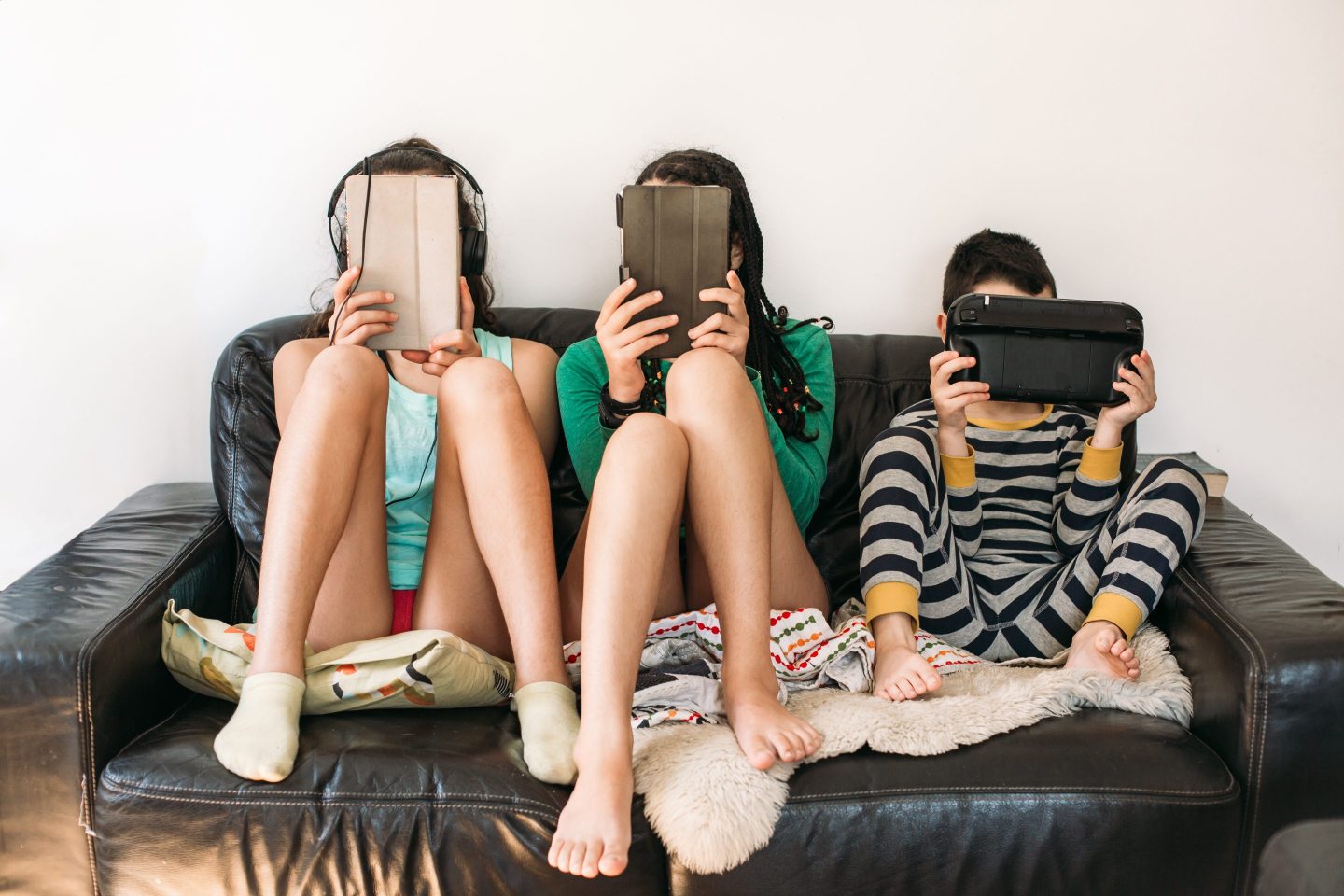
And children’s lifestyles have changed drastically, shifting away from outdoor physical activity into an increasingly sedentary way of life, in large part due to social media and screen time. The role of screen time in the childhood obesity epidemic is a significant and growing area of concern and research.
In my own research in Peruvian communities, parents identified many of these same factors as barriers to their children being physically active. Mothers complained about the lack of safe spaces for their kids to play. Local parks were full of crime, and yards were congested with traffic and other safety hazards. Mothers felt it was safer for their young children to be inside watching TV than outside playing.
This example is not unique to Peru. Parents around the world are contending with these challenges.
Addressing the underlying causes
The field of public health prioritizes making the healthy choice the easy choice. Combating the childhood obesity epidemic means making healthy eating an easier choice for children and families than staying inside and eating processed foods.
However, the reality is that much of the world’s population now lives, works, plays and worships in places that make it more difficult to choose healthy behaviors.
Policies and programs that address the social determinants of health are a critical part of curbing the childhood obesity epidemic. These include investing in community resources like playgrounds and free programs that get kids outside.
Some nations and even U.S. cities have implemented “sin taxes” on sugar-sweetened beverages to discourage consumption. In Chile, policies have been created that limit television advertising of unhealthy food products toward children. Other policy examples include tax incentives and programs that increase access to healthy foods and lower their cost.
In my view, every kid should be able to swim in the safe and accessible community pool rather than relying on their living room TVs to escape the blistering summer heat, or access fresh and affordable produce in their neighborhood instead of having to rely on fast food as the only close food resource. Childhood obesity is a preventable condition that communities can reduce most effectively by increasing access to resources that will allow them to live healthy lives.
Kathleen Trejo Tello is Assistant Professor of Public Health, College of Charleston.
This article is republished from The Conversation under a Creative Commons license. Read the original article.