NATO’s European allies are focused on getting through this week’s summit unscathed. But even if President Donald Trump is satisfied with fresh pledges to ramp up spending, anxiety is growing about the US military presence in the region.
Only after the June 24-25 summit meeting in The Hague – where North Atlantic Treaty Organization members will pledge to spend 5% of GDP on defense – will the US present its military review, which will spell out the scope of what are likely significant reductions in Europe.
With some 80,000 US troops in Europe, governments in the region have factored in at least a reversal of the military surge under former President Joe Biden of about 20,000 troops.
The stakes got significantly higher overnight after US struck nuclear sites in Iran with the risk that Trump will get sucked into a spiraling conflict in the Middle East after being a vocal critic of US military involvement overseas. His foreign policy U-turn will be a topic that will be hard to avoid at the gathering, especially with NATO ally Turkey present and a key stakeholder in the region.
Europeans have been kept in the dark on the Trump administration’s plans. But officials in the region are bracing potentially for a far bigger withdrawal that could present a dangerous security risk, according to officials familiar with the discussions who declined to be identified as closed-door talks take place before the review.
Up until early June, no official from the US had come to NATO to talk about the US force posture review, spurring concern among allies that this could be done at very short notice, according to a person familiar with the matter.
It’s unclear whether European nations have started planning to fill any potential gaps left by US forces. Withdrawing the aforementioned 20,000 troops could also have an even greater impact if other NATO allies follow the US lead and remove their troops from the east. The worry with even deeper cuts impacting US bases in Germany and Italy is they could encourage Russia to test NATO’s Article 5 of collective defense with hybrid attacks across the alliance, the person familiar also said.
Since returning to the White House, Trump and his allies have warned European capitals that – despite the mounting threat from Russia – they need to take charge of their security as the US turns its military and diplomatic focus to the Indo-Pacific region.
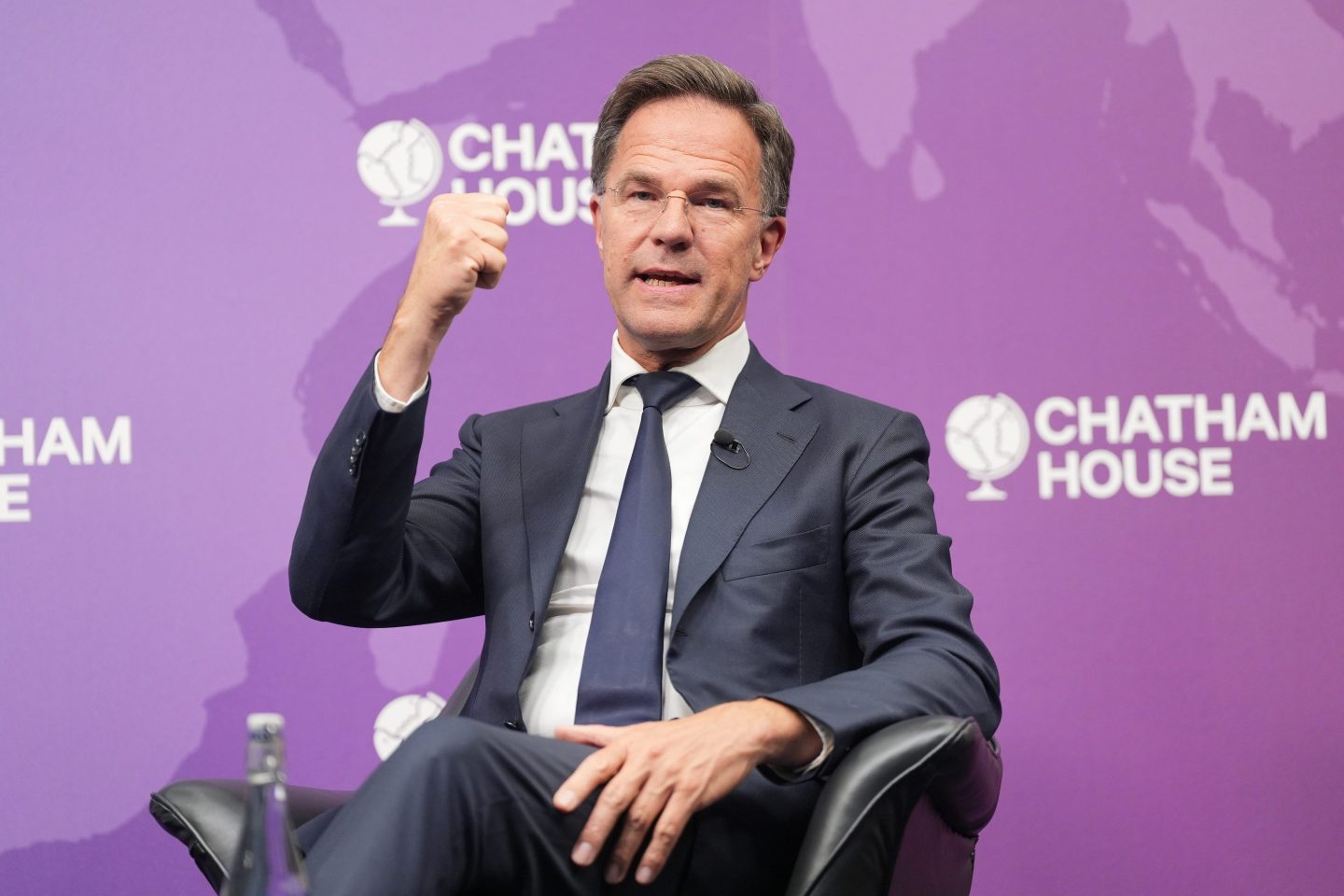
Contacted by Bloomberg, NATO declined to respond to questions but referred to a statement by NATO Secretary General Mark Rutte in early June. When asked about a US drawdown from Europe, he said it was normal they would pivot to Asia.
“I’m not worried about that, but I’m absolutely convinced we will do that in a step-by-step approach,” Rutte said then. “There will be no capability gaps in Europe because of this.”
The White House referred questions to the Pentagon. “The U.S. constantly evaluates force posture to ensure it aligns with America’s strategic interests,” a defense official responded.
The geopolitical shift is likely to have enormous consequences for the 32-member alliance, which is weathering its greatest challenge since it became the bulwark against Soviet power in the decades after World War II. European militaries long reliant on American hard power will have to fill the gap as Washington scales back.
If a troop reduction focuses on efficiency, it would be far less problematic for Europeans than one that hits critical assets and personnel that Europe couldn’t replace immediately, according to one European diplomat. The nature of a withdrawal would be more important than the troop numbers, the person said.
A dramatic pullout announcement is likely to trigger an instant reaction from eastern member states, with those closer to Russia immediately requesting deployments from Western European allies.
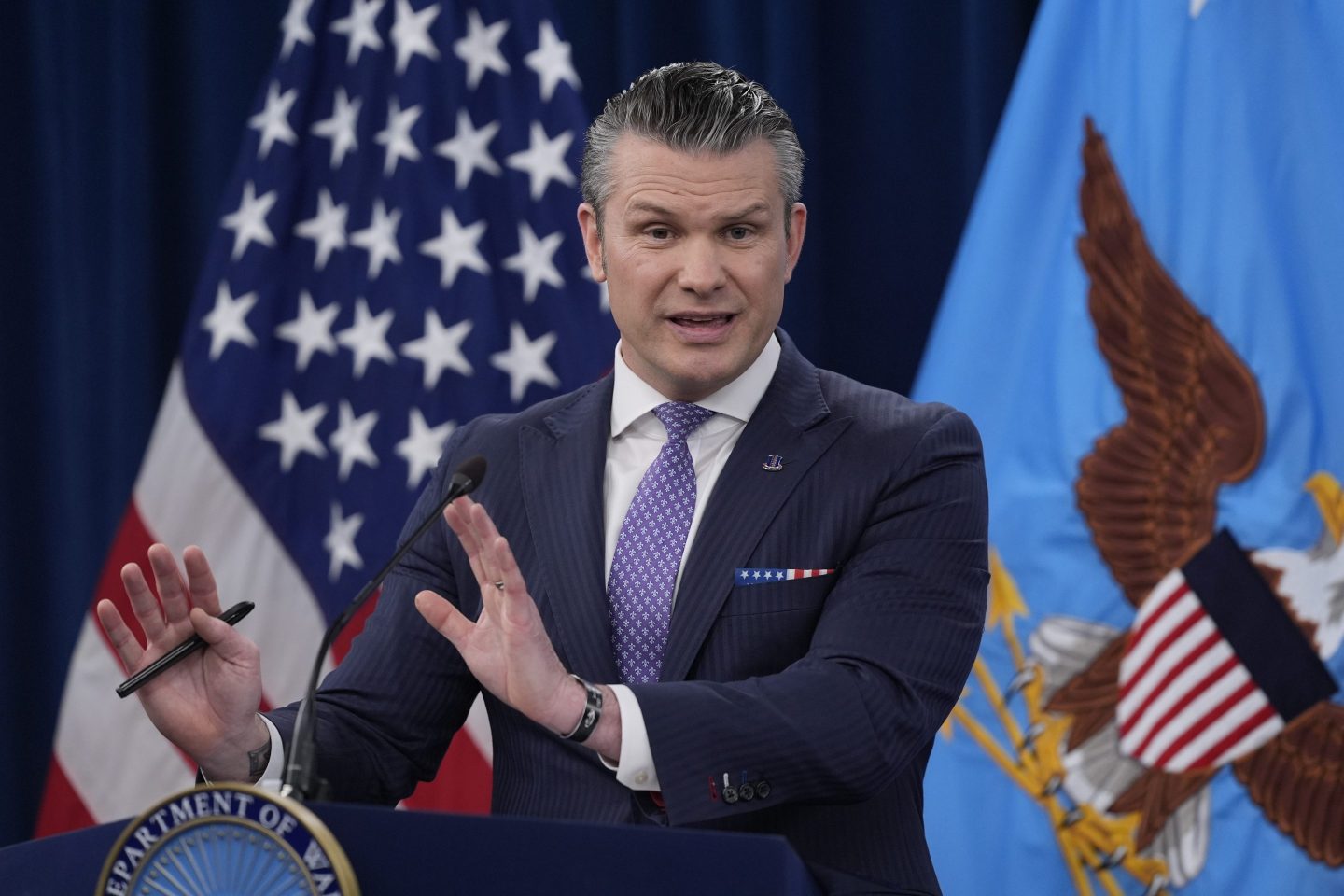
The holistic review of the US military, which Defense Secretary Pete Hegseth says should focus on threats facing the US, is meant to reflect the tilt in the global power dynamic, bringing potentially large-scale redeployment of weapons and troops.
But European diplomats have bristled at the timing of the review, taking place only after NATO signs off on its most ambitious new weapons targets since the Cold War — with member states agreeing to foot the bill.
A withdrawal that is more dramatic than anticipated will mean that, after acceding to Trump’s ramp-up in defense spending, they still may be left with a heavy burden to respond to a rapidly growing Russian military.
“We would be remiss in not reviewing force posture everywhere, but it would be the wrong planning assumption to say, ‘America is abandoning’” or leaving Europe, Hegseth said in Stuttgart in February. “No, America is smart to observe, plan, prioritize and project power to deter conflict.”
After the Trump administration balked at providing a backstop to European security guarantees to Ukraine, a pullout of more US troops could embolden Russia’s Vladimir Putin, according to people familiar with the matter.
“The question is when pressure is on for a greater focus on the Indo-Pacific, what capabilities do they need to think about moving,” said Matthew Savill, director of military sciences at RUSI, a defense think tank. “I don’t get an impression that they have yet decided what that means for force levels in specific terms.”
Germany, Europe’s richest and most populous nation, is positioning itself to take on the largest share of the redistribution. Defense Minister Boris Pistorius is taking the lead in building out the military after the country scrapped constitutional debt restrictions when it comes to security. Berlin will do the “heavy lifting,” he’s said.
Pistorius recently unveiled a new battle tank brigade in Lithuania and has said the country is committed to boosting its armed forces by as many as 60,000 soldiers. The military currently has about 182,000 active-duty troops.
European governments are pushing Washington to communicate its plans clearly and space out any troop draw-downs to give them time to step up with their own forces.
“There are some capabilities, like deep precision strikes, where we Europeans need some time to catch up,” said Stefan Schulz, a senior official in the German Defense Ministry. He called for any US reduction to be done in an orderly fashion, “so that this process of US reduction is matched with the uplift of European capabilities.”
The ideal scenario would be an orderly shift within NATO toward a stronger Europe that would take about a decade, said Camille Grand, distinguished policy fellow at the European Council on Foreign Relations and a former NATO assistant secretary general.
A more dire scenario would involve a US administration acting out of frustration with European progress and drastically reducing troop presence. Grand said a “plausible” scenario would be a cut to about 65,000 US troops, matching a low-point figure before Russia’s annexation of Crimea in 2014 — a level that NATO could manage.
“But if we go below that, we are entering uncharted waters, a different world,” Grand said.