The fact that Saudi Arabia entered a rapprochement deal with Iran and chose China to broker it came as a surprise to many international observers.
The agreement, officially called the Joint Trilateral Statement, was signed in Beijing on March 11 and begins the process of restoring diplomatic ties between Riyadh and Tehran. Those ties were severed in January 2016 after protesters stormed the Saudi Embassy in Iran in the aftermath of the execution of Nimr al-Nimr, a prominent Saudi Shiite cleric who had criticized Saudi treatment of its Shiite minority.
As an analyst of Saudi foreign policy, I’ve seen how the kingdom’s decision to engage in this way with Iran and China is part of a broader diversification of the kingdom’s international relationships that has unfolded over the past decade. To close observers of geopolitical trends in Saudi Arabia and other Gulf states, the China-brokered deal fits into a pattern.
From being firmly a part of the anti-communist camp during the Cold War and closely tied into U.S.-led regional security networks in the Persian Gulf, Saudi foreign policy is now taking a nonaligned stance that has become increasingly consequential for how Saudi Arabia pursues its interests.
Saudis question US partnership
The relationship between the U.S. and Saudi Arabia is often said to revolve around an oil-for-security dynamic in which the Saudis provide the former and the U.S. the latter.
In reality, ties have spanned a far wider spectrum than that and have been more complicated, with periods of high tension – stemming from events such as Saudi participation in the Arab oil embargo in 1973, or the involvement of Saudi citizens in the Sept. 11 terrorism attacks in 2001.
But since the Arab Spring protests in the early 2010s, U.S.-Saudi relations have frayed, both in Riyadh and in Washington. The perception among Gulf leaders that the Obama administration abandoned former Egyptian President Hosni Mubarak during the Egyptian revolution in 2011 left them deeply rattled. They feared that the U.S. could abandon them just as it had done Mubarak, a longtime partner of 30 years.
This was compounded by the Gulf states’ exclusion from U.S. negotiations with Iran, initially in secret bilateral talks in 2013 and subsequently as part of the P5+1 framework of the U.N. Security Council permanent members, plus Germany, which culminated in the Iran nuclear deal in 2015.
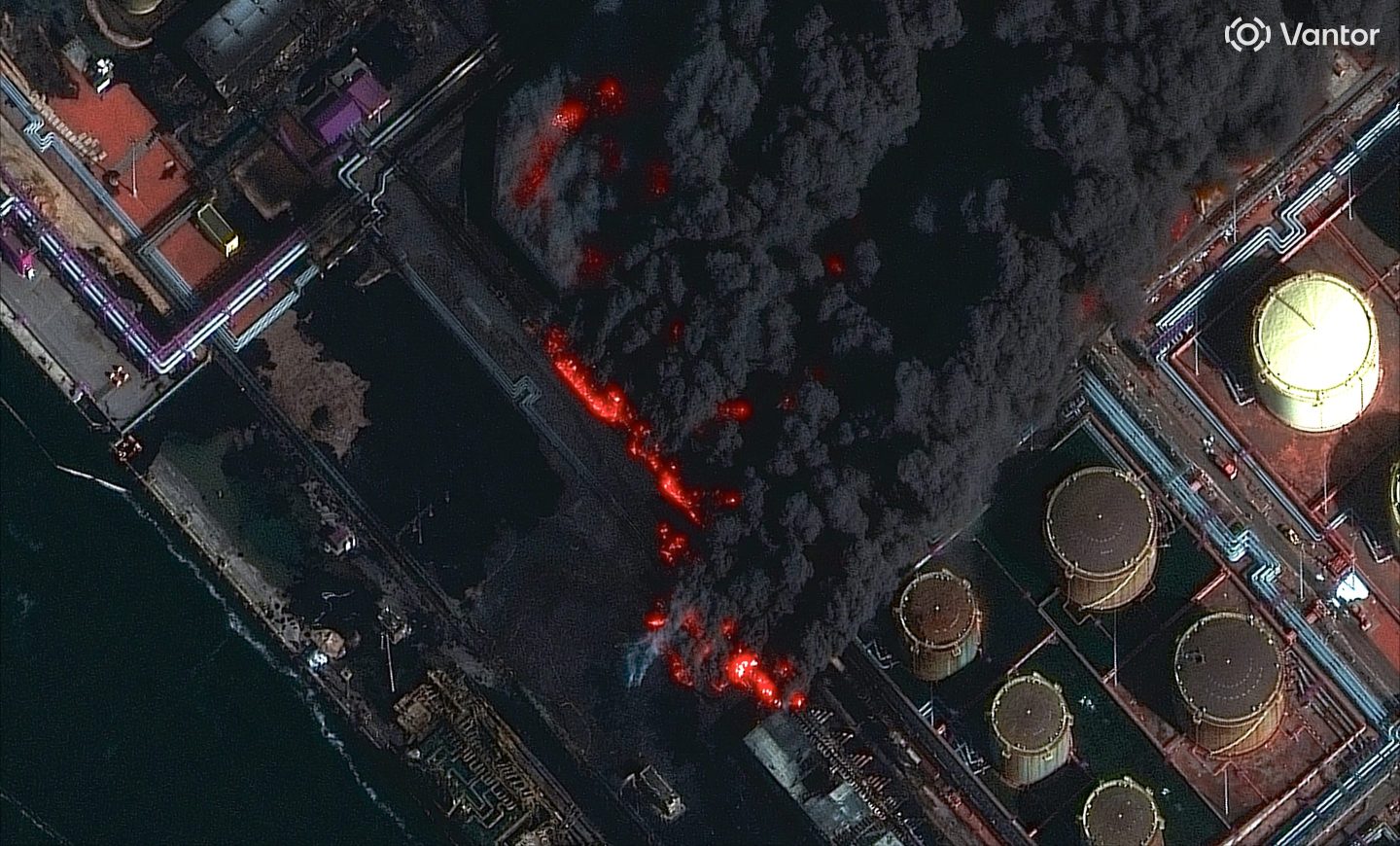
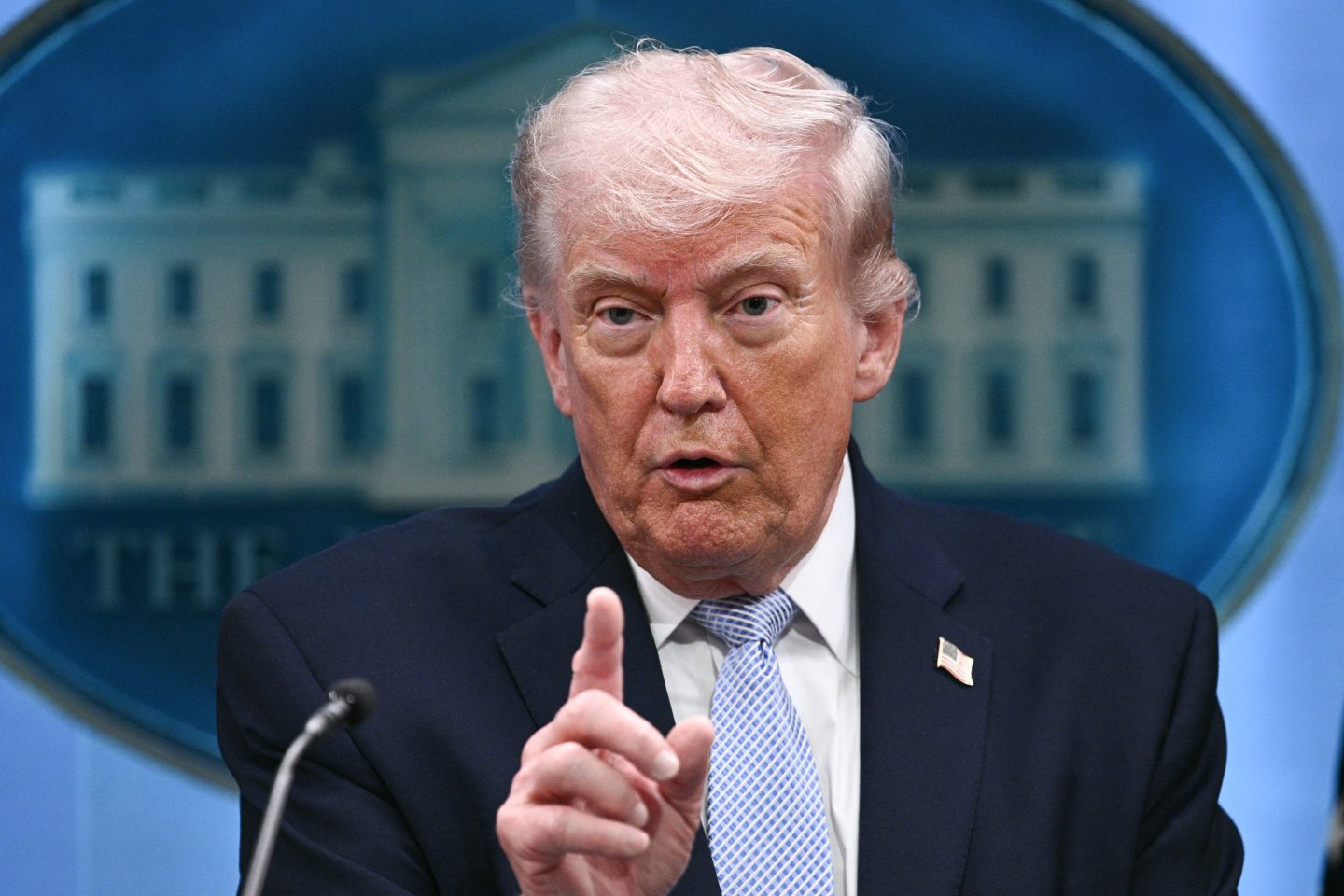
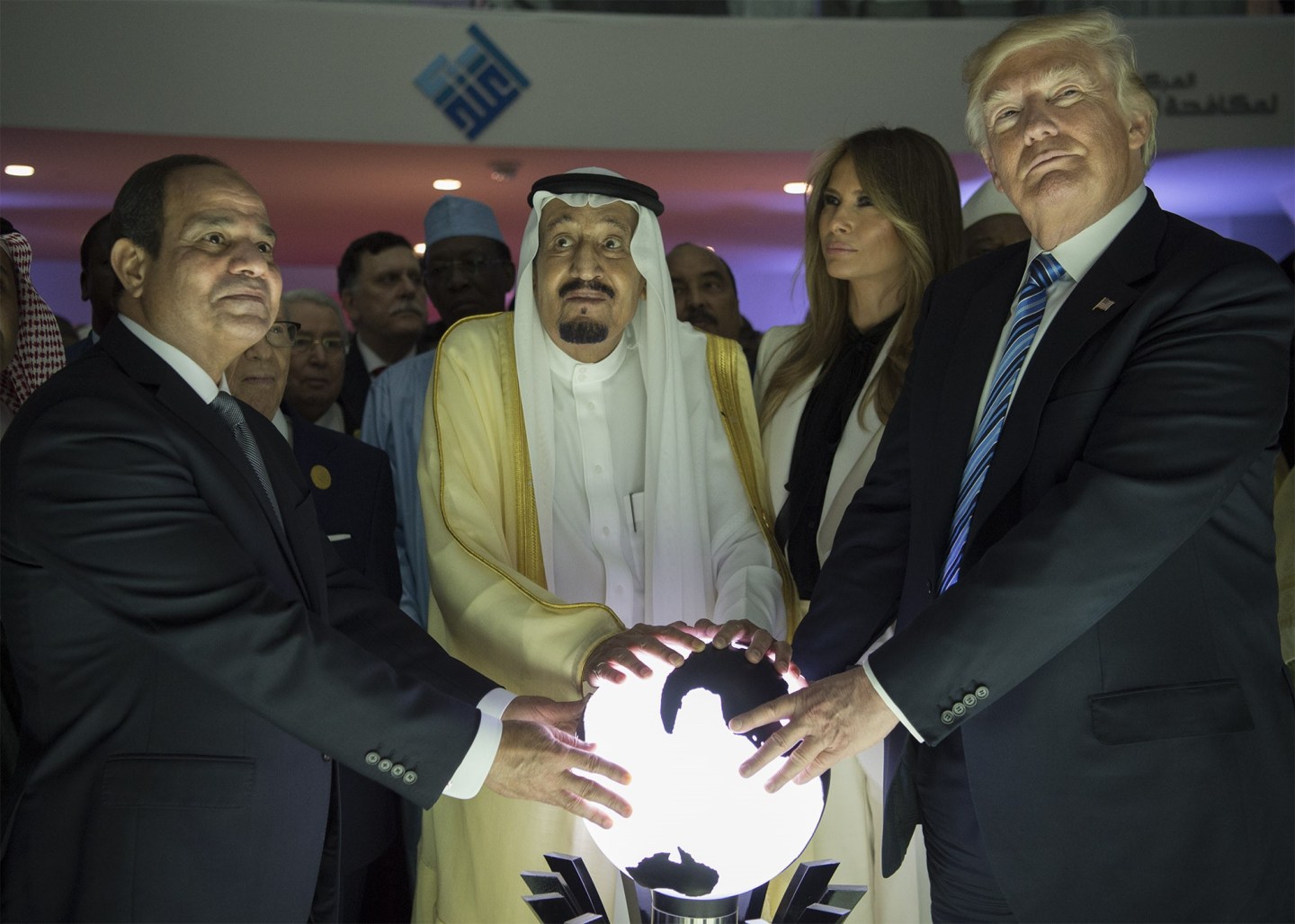
And then in 2019, a missile and drone attack on Saudi oil infrastructure temporarily knocked out half the kingdom’s production. The attacks were linked, but never formally attributed, to Iran. President Donald Trump responded by declaring it had been an attack on Saudi Arabia, not on the U.S., drawing a distinction between their interests. Trump’s remarks, and subsequent inaction, caused shockwaves in Riyadh and other Gulf capitals as leaders began to question U.S. credibility as a reliable regional partner.
Finally, in 2021, the chaotic nature of the U.S. withdrawal from Kabul, Afghanistan, served to reinforce deeply-rooted perceptions about U.S. disengagement from the Middle East, irrespective of the situation in reality.
Pivot to booming China
It is against this backdrop of pragmatic acknowledgment of its own vulnerabilities to regional and global tensions – and entrenched uncertainty about the role of the U.S. as a long-term partner – that Saudi Arabia began to broaden its international relationships, with particular attention on China.
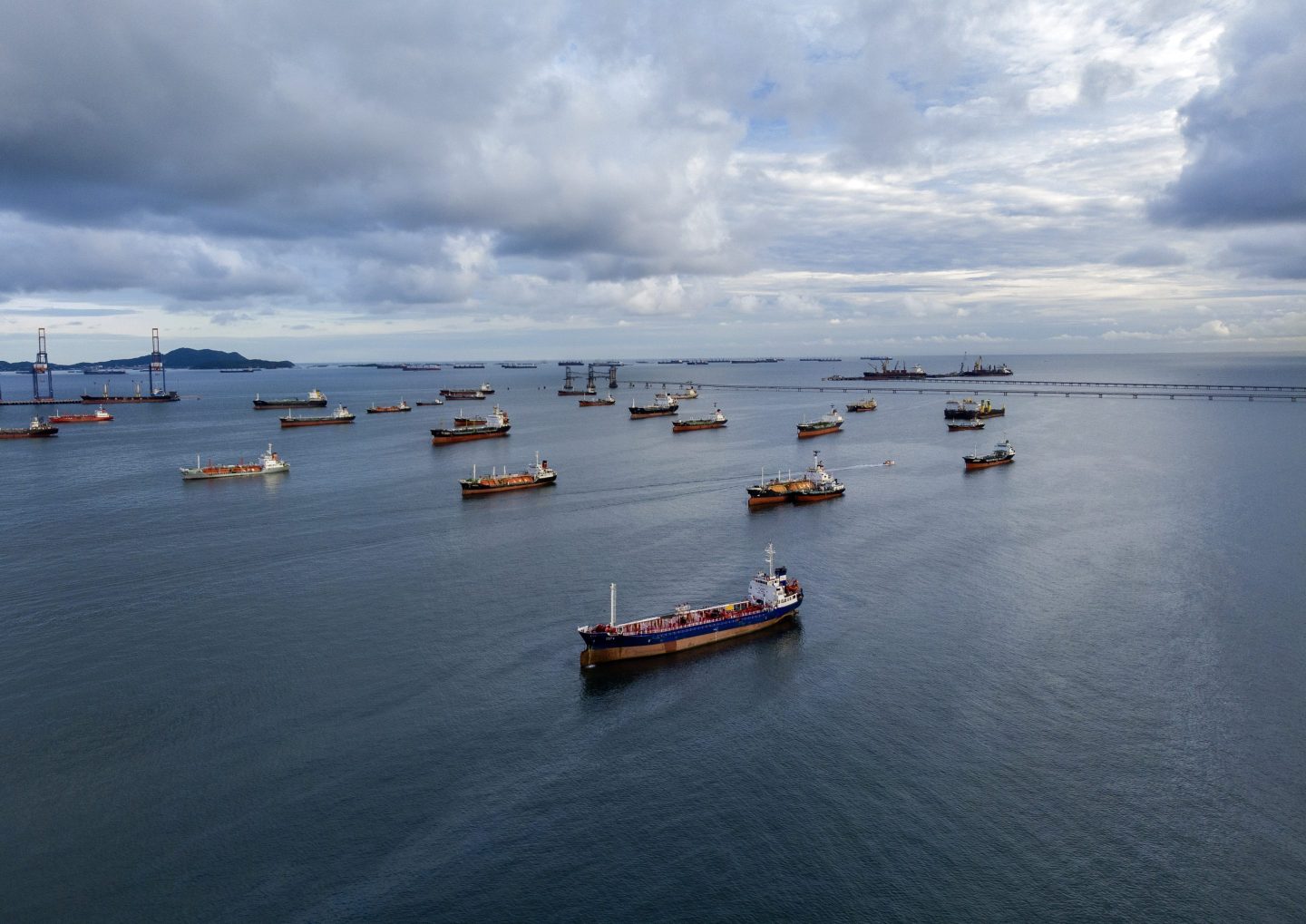
Officials across the Gulf believe China will replace the U.S. as the dominant economic and energy superpower in the 21st century. For more than a decade, a majority of oil and gas from the six Gulf monarchies has flowed east to Asia in quantities that far exceed the cargoes heading west to Europe and North America.
In a further sign of deepening bilateral ties, in December 2022, Chinese President Xi Jinping visited Saudi Arabia to sign investment agreements across 34 sectors, ranging from green energy and information technology to construction and logistics.
Moving toward reconciliation with Iran
Meanwhile, the Saudi outreach to Iran has been more than three years in the making.
It began after the 2019 oil attacks and focused initially on de-escalating regional tensions. Saudi and Iranian officials held five rounds of dialogue in Iraq between 2020 and 2022 to try to bridge the issues that divided them. These meetings formed the backdrop to the China-brokered deal in Beijing.
Reports have suggested that Saudi Arabia’s King Salman has invited Iranian President Ebrahim Raisi to the kingdom, possibly during Ramadan, the Muslim holy month that began on March 22. Any such visit would indicate a political will on both sides to move beyond the two decades of rancor and acrimony that followed the U.S. invasion of Iraq in 2003 and doomed an earlier phase of Saudi-Iranian rapprochement at the turn of the century.
A Saudi reconciliation with Iran would undermine attempts by the U.S. and Israel to increase Iran’s international isolation and is consistent with a Saudi desire to de-escalate regional tensions. This is particularly the case as Vision 2030, a plan to diversify the Saudi economy beyond oil revenue, reaches its halfway stage and begins to implement the infrastructure and tourism giga-projects associated with Saudi Crown Prince Mohammed bin Salman. Launched in 2016, Vision 2030 has struggled to attract international buy-in, in part due to investor concerns about regional insecurity and its spillover into Saudi Arabia.
Balancing act on Ukraine
Saudia Arabia’s unwillingness to take sides in great power competition is also evident in policy responses to Russia’s invasion of Ukraine.
Saudi Arabia, as well as the United Arab Emirates, has resisted pressure to take sides in an era of strategic rivalries. One manifestation of this balancing act has been the Saudi decision to work with Russia within the framework of the oil producers group OPEC+ – and at the same time engage with U.S. officials over issues of oil output and prices.
The Saudi deal with Iran and choice of China as an intermediary is consistent with a deeper shift in Saudi foreign policy, which has been evident for some time. By adapting to changing circumstances, Mohammed bin Salman is looking to Saudi Arabia’s future and trying to strike a wider balance of power in what he sees as an eventual “post-American” Gulf.
Kristian Coates Ulrichsen is Baker Institute Fellow for Kuwait, Rice University.
This article is republished from The Conversation under a Creative Commons license. Read the original article.