• Home
  • Latest
  • Fortune 500
  • Finance
  • Tech
  • Leadership
  • Lifestyle
  • Rankings
  • Multimedia
FinanceTariffs and trade
Asia

Asian markets celebrate Trump’s trade flip-flop, even as he maintains historically high tariffs—and not just on China

Nicholas Gordon
By
Nicholas Gordon
Nicholas Gordon
Asia Editor
Down Arrow Button Icon
Nicholas Gordon
By
Nicholas Gordon
Nicholas Gordon
Asia Editor
Down Arrow Button Icon
April 10, 2025, 4:42 AM ET
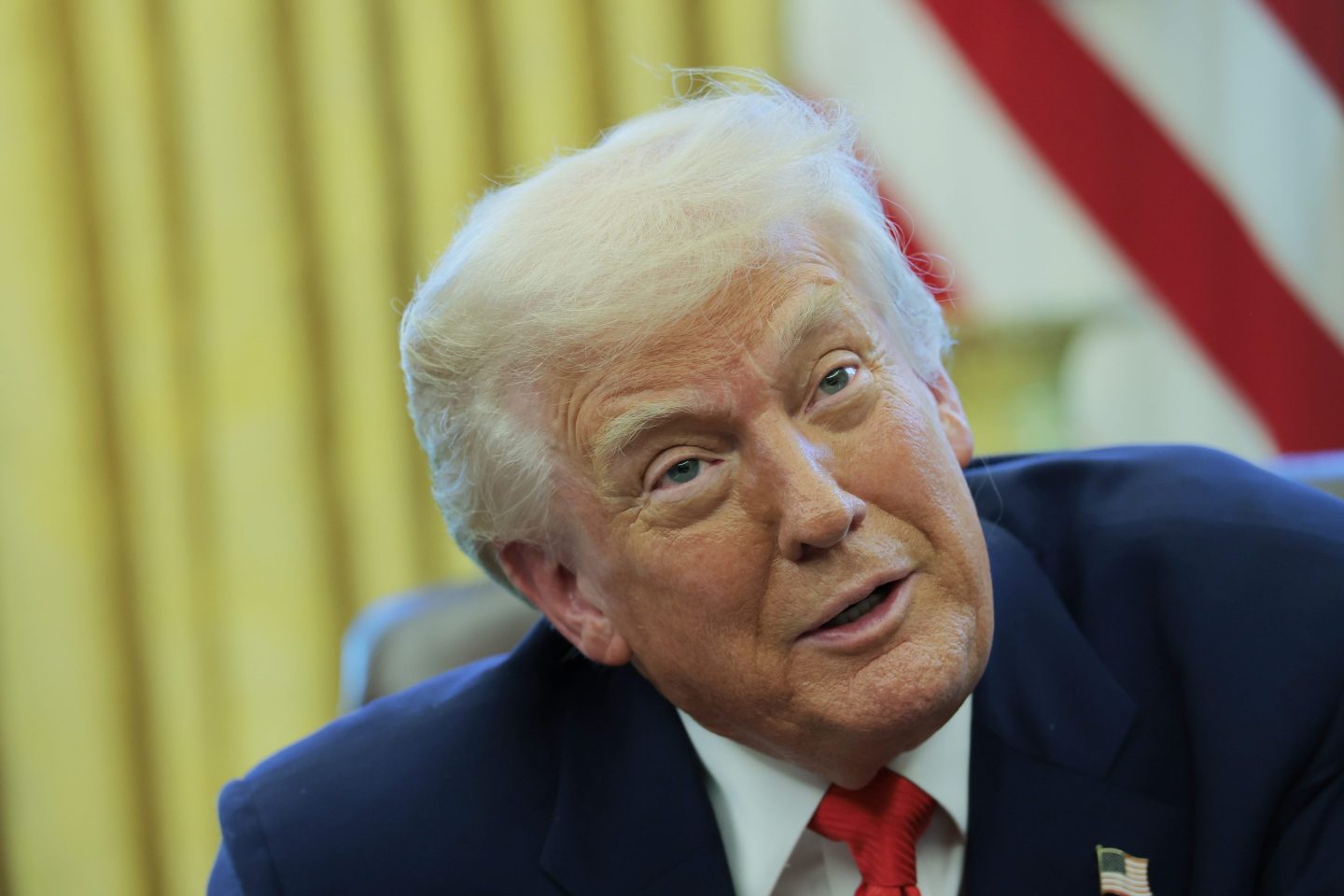
U.S. President Donald Trump said he still expected China to reach out to his administration to negotiate a trade deal.
U.S. President Donald Trump said he still expected China to reach out to his administration to negotiate a trade deal.Anna Moneymaker—Getty Images

Asian governments breathed a sigh of relief as U.S. President Donald Trump decided to pause many of his reciprocal tariffs for 90 days, giving time for negotiations with many of the U.S.’s major trading partners—with one significant exception. Chinese goods now face a 125% tariff, after Trump hiked rates owing to Beijing’s “lack of respect.”

Recommended Video

Japan’s Nikkei 225 rose 9.1% on Thursday after Trump’s tariff pause. South Korea’s KOSPI rose 6.6%, Taiwan’s Taiex index jumped by 9.3%, and Australia’s S&P/ASX 200 rose by 4.6%. Still, these indexes are below where they were before Trump’s “Liberation Day” announcement shocked governments, companies, and markets.

Chinese markets also rose slightly, despite the high tariffs against the world’s second-largest economy. Hong Kong’s Hang Seng Index rose by 2.1%, its third straight day of gains since its massive decline on Monday, the worst since 1997. The CSI 300 rose by 1.3%. 

Southeast Asia, which got some of Trump’s highest “Liberation Day” tariffs, also rallied. Vietnam’s VN-Index rose by 6.8%, as the president’s pause eased fears that the export-reliant economy would get hit with a 46% tariff. 

Tariffs aren’t over yet

Despite Trump’s last-minute decision, average U.S. tariff rates are still the highest they’ve been since the 1930s. In addition to the new 125% tariff on China, there’s also a universal 10% tariff on all U.S. imports, as well as 25% tariffs on imported cars, steel, and aluminum. 

There’s also the looming threat of a 25% tariff on countries that use Venezuelan oil. In addition, the U.S. president has threatened tariffs on imported pharmaceuticals and semiconductors.

If Trump’s full “Liberation Day” tariffs had remained in place, the average U.S. tariff rate would have been 27%, according to estimates from Bloomberg. Trump’s pause brings that down to 24%—still far higher than the average 2% rate before the president took office for the second time.

Countries like South Korea, Japan, and Australia are still harmed by a more protectionist U.S., even if they do win a permanent reprieve from “reciprocal tariffs.” Japan and South Korea are major car exporters, while Australia sells steel to the U.S.

Trump’s tariff pause also confuses the messaging on what the tariffs are for. In the days since “Liberation Day,” Trump officials like Commerce Secretary Howard Lutnick and senior trade advisor Peter Navarro argued that tariffs were needed to bring manufacturing back to the U.S. and rebalance trade with exporting countries. 

Yet post-pause, the Trump administration has switched arguments to suggest that the tariffs instead served as leverage to push for new trade deals with partners like Japan, Korea, and Vietnam, and to isolate China. In comments to reporters, Treasury Secretary Scott Bessent argued that Trump had successfully “goaded China into a bad position.”

What happens now?

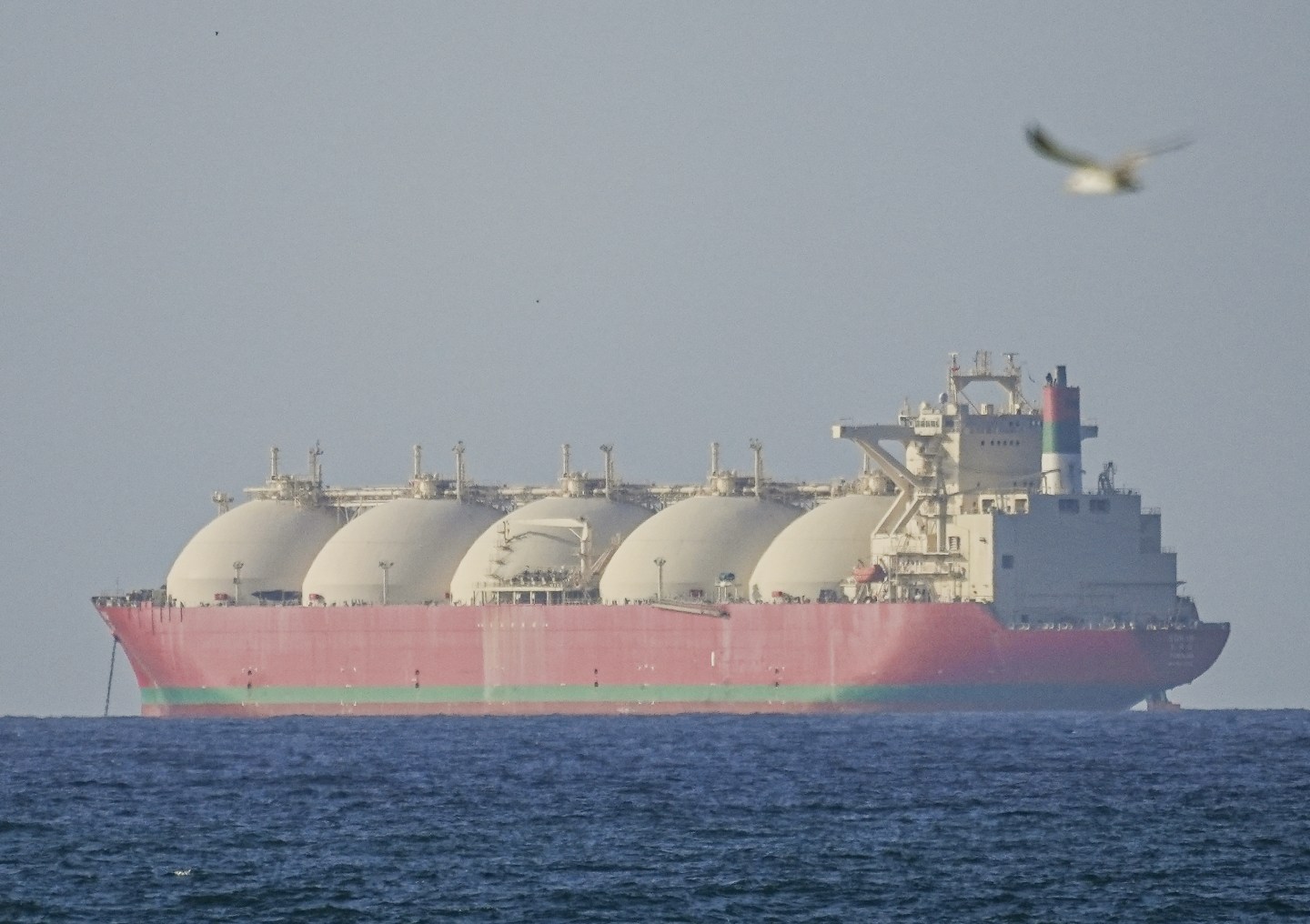
Trump’s pause now sets off a three-month scramble by its trading partners to get agreements signed. Soon after the pause, Vietnam said it would start trade negotiations with the U.S., and would consider removing as many non-tariff barriers as possible. The island of Taiwan is also considering buying $200 billion worth of U.S. products, particularly liquefied natural gas, to help reduce its trade surplus.

Japan and South Korea are also in negotiations with the U.S. over Trump’s tariffs, in a bid to reduce both the reciprocal tariffs and the 25% tariff against imported cars.

The big question, however, is China. On Wednesday, Trump predicted that “China wants to make a deal,” and suggested that he wouldn’t raise tariffs on the country any further.

China’s 84% tariffs on U.S. goods, part of Beijing’s retaliatory measures against Trump’s so-called reciprocal tariffs, went into effect today. 

“We are currently still on course for a disorderly economic decoupling between the world’s two largest economies, with no immediate signs of either [the] U.S. or China backing down,” Deutsche Bank wrote in a note on Thursday. 

Chinese officials are meeting today in order to discuss further economic stimulus to buffer the economy against Trump’s tariff threats, including support for technology and consumer spending, Bloomberg reports. 

On Thursday, Goldman Sachs cut its 2025 GDP growth forecast for China to 4.0%, down from 4.5%, and estimated that up to 20 million workers might be affected by a drop in U.S.-bound exports. Trump’s tariffs, falling exports to the U.S., and slowing global growth could generate “substantial pressure on the Chinese economy and labor market,” the bank’s economists wrote.

Join us at the Fortune Workplace Innovation Summit May 19–20, 2026, in Atlanta. The next era of workplace innovation is here—and the old playbook is being rewritten. At this exclusive, high-energy event, the world’s most innovative leaders will convene to explore how AI, humanity, and strategy converge to redefine, again, the future of work. Register now.
About the Author
Nicholas Gordon
By Nicholas GordonAsia Editor
LinkedIn iconTwitter icon

Nicholas Gordon is an Asia editor based in Hong Kong, where he helps to drive Fortune’s coverage of Asian business and economics news.

See full bioRight Arrow Button Icon

Latest in Finance

InvestingSports
Big 12 in advanced talks for deal with RedBird-backed fund
By Giles Turner and BloombergDecember 13, 2025
9 hours ago
Spanish Prime Minister Pedro Sánchez often praises the financial and social benefits that immigrants bring to the country.
EuropeSpain
In a continent cracking down on immigration and berated by Trump’s warnings of ‘civilizational erasure,’ Spain embraces migrants
By Suman Naishadham and The Associated PressDecember 13, 2025
11 hours ago
EconomyAgriculture
More financially distressed farmers are expected to lose their property soon as loan repayments and incomes continue to falter
By Jason MaDecember 13, 2025
12 hours ago
InvestingStock
There have been head fakes before, but this time may be different as the latest stock rotation out of AI is just getting started, analysts say
By Jason MaDecember 13, 2025
15 hours ago
Politicsdavid sacks
Can there be competency without conflict in Washington?
By Alyson ShontellDecember 13, 2025
15 hours ago
Investingspace
SpaceX sets $800 billion valuation, confirms 2026 IPO plans
By Loren Grush, Edward Ludlow and BloombergDecember 13, 2025
16 hours ago

Most Popular

placeholder alt text
Success
Apple cofounder Ronald Wayne sold his 10% stake for $800 in 1976—today it’d be worth up to $400 billion
By Preston ForeDecember 12, 2025
2 days ago
placeholder alt text
Economy
Tariffs are taxes and they were used to finance the federal government until the 1913 income tax. A top economist breaks it down
By Kent JonesDecember 12, 2025
2 days ago
placeholder alt text
Success
40% of Stanford undergrads receive disability accommodations—but it’s become a college-wide phenomenon as Gen Z try to succeed in the current climate
By Preston ForeDecember 12, 2025
2 days ago
placeholder alt text
Economy
The Fed just ‘Trump-proofed’ itself with a unanimous move to preempt a potential leadership shake-up
By Jason MaDecember 12, 2025
1 day ago
placeholder alt text
Success
Apple CEO Tim Cook out-earns the average American’s salary in just 7 hours—to put that into context, he could buy a new $439,000 home in just 2 days
By Emma BurleighDecember 12, 2025
2 days ago
placeholder alt text
Economy
For the first time since Trump’s tariff rollout, import tax revenue has fallen, threatening his lofty plans to slash the $38 trillion national debt
By Sasha RogelbergDecember 12, 2025
2 days ago
Rankings
  • 100 Best Companies
  • Fortune 500
  • Global 500
  • Fortune 500 Europe
  • Most Powerful Women
  • Future 50
  • World’s Most Admired Companies
  • See All Rankings
Sections
  • Finance
  • Leadership
  • Success
  • Tech
  • Asia
  • Europe
  • Environment
  • Fortune Crypto
  • Health
  • Retail
  • Lifestyle
  • Politics
  • Newsletters
  • Magazine
  • Features
  • Commentary
  • Mpw
  • CEO Initiative
  • Conferences
  • Personal Finance
  • Education
Customer Support
  • Frequently Asked Questions
  • Customer Service Portal
  • Privacy Policy
  • Terms Of Use
  • Single Issues For Purchase
  • International Print
Commercial Services
  • Advertising
  • Fortune Brand Studio
  • Fortune Analytics
  • Fortune Conferences
  • Business Development
About Us
  • About Us
  • Editorial Calendar
  • Press Center
  • Work At Fortune
  • Diversity And Inclusion
  • Terms And Conditions
  • Site Map

© 2025 Fortune Media IP Limited. All Rights Reserved. Use of this site constitutes acceptance of our Terms of Use and Privacy Policy | CA Notice at Collection and Privacy Notice | Do Not Sell/Share My Personal Information
FORTUNE is a trademark of Fortune Media IP Limited, registered in the U.S. and other countries. FORTUNE may receive compensation for some links to products and services on this website. Offers may be subject to change without notice.