China wields new powers as it confronts the prospect of another trade conflict with the US, expanding its retaliatory reach in recent years to include tools capable of wreaking havoc on global commerce and finance.
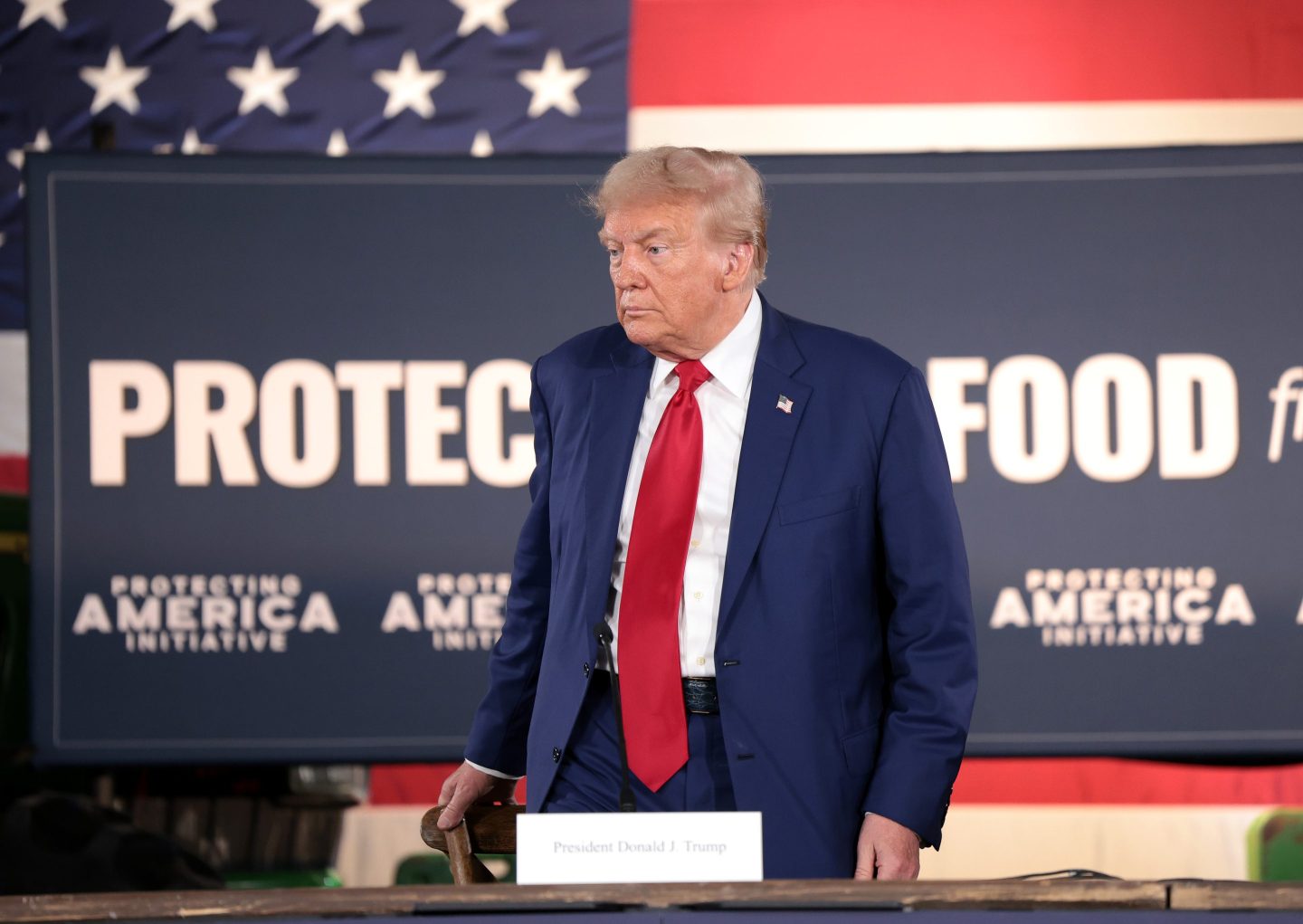
Six years after Donald Trump started the first trade war with China, the US president-elect has named a series of China hawks to his administration and threatened 60% tariffs on Chinese goods, a level that would decimate trade between the two countries. The dilemma for China now is that its sizable trade surplus with the US means any direct countermeasures may have limited impact.
China has already shown a willingness to use some asymmetrical steps against tariffs and trade restrictions from both the Trump and Biden administrations. Should the new threats become policy, Beijing may have to reach further into its arsenal, risking a conflict that could be even harder to contain.
“Simple trade wars and reciprocal countermeasures cannot adequately address future China-US differences,” said Wang Wen, executive dean of Renmin University’s Chongyang Institute for Financial Studies.
The alternatives available to Beijing won’t necessarily make China itself immune from the fallout, a worry for an economy already mired in a prolonged property crisis.
Sell US Treasuries
Possibly the most destructive Chinese action would be to offload all or a large part of its stockpile of US Treasuries — holdings that now amount to around $734 billion. That would likely put upward pressure on US bond yields and be disruptive to global financial markets.
China has already cut its direct holdings of the debt by more than a third since 2017. A desire to diversify investments means the selloff may continue, especially after western nations froze some of Russia’s foreign-exchange reserves after the invasion of Ukraine. Some of the drop also likely reflects China moving the listed custodian to Belgium, rather than holding the bonds directly.
Risk: China’s sudden dumping of US debt would cause bond prices to fall, slashing the value of its own holdings and cutting into the value of foreign-exchange reserves. It would also give US exporters a comparative boost because of the cheaper dollar.
Weaken the Yuan
A cheaper yuan would make Chinese exports more competitive and help counter some of the impact of potential tariffs. During the first trade spat in 2018 and 2019, the yuan depreciated by 11.5% versus the greenback and offset about two-thirds of the tariff hike, according to analysis from Morgan Stanley economists including Robin Xing.
More than half the economists surveyed by Bloomberg after the US elections this month said Beijing may weaken the yuan in response to Trump’s potential tariffs. But economists differed widely on the extent of any such currency depreciation from the current exchange rate of about 7.2, with estimates ranging from 7.3 to 8 per dollar in 2025.
Risk: A weaker yuan would push up China’s record trade surplus and anger other partners, who may in turn resort to tariffs to address the imbalance in global commerce. It may also stoke capital outflows and further discourage foreign investors from putting money in the country.
Restrict Exports of Key Inputs
Last summer, Beijing restricted overseas sales of gallium and germanium, two metals that are crucial to parts of the semiconductor, telecommunications and electric-vehicle industries. The move was widely seen as an effort to give China leverage to push the White House to remove its own controls.
Months later, China strengthened export curbs on some types of graphite as the US tightened rules to keep advanced chips out of China. The export controls continued with antimony the latest to be added to the list.
The restrictions on these or other critical minerals such as rare earths, commodities whose supply is dominated by China, could cut the US off from materials needed to make advanced technologies, at least in the short term. China has an abundant list to pick from because it’s the leading producer of around 20 critical raw materials.
China’s dominance over production and refining of many minerals gives it huge influence over commodity markets. Its sway became evident recently when a cut in tax rebates for exporters roiled aluminum prices.
Risk: Trading partners stop seeing China as a reliable supplier and find alternative sources, accelerating supply chain diversification from Beijing.
Target US Companies
Since the initial trade war, Beijing has introduced new legislation such as the “unreliable entity list” and the “anti-foreign sanctions law” to target companies or individuals it sees as damaging China’s development. The prospect of seizing assets or blocking business transactions is a problem for companies such as Apple Inc., Tesla Inc., or Microsoft Corp., which see tens of billions of dollars of annual revenues flowing from China.
Last year’s cybersecurity review of imports from America’s largest memory-chip maker, Micron Technology Inc. opened a new front in the tech competition between the two countries, and companies may be increasingly caught in the crosshairs of diverging policies from the two governments.
Authorities in September said China would begin a probe of the parent company of Tommy Hilfiger and Calvin Klein for not using cotton from the far west region of Xinjiang, where the US restricted trade due to human rights concerns.
Risk: US could easily retaliate by targeting Chinese companies and government-sanctioned consumer boycotts may escalate and quickly get out of control.
Alliance Building
China has already been courting America’s traditional allies in part to blunt the impact of deteriorating ties with its largest trade partner. From proclaiming a desired “fresh start” with Japan to a detente with India, Chinese officials have sought to dial down diplomatic frictions.
One of the most effective strategies Beijing can pursue in the next phase of a trade war would be “alliance formation in Eurasia along with commercial diplomacy to persuade American allies and partners that US policy is reckless and harmful to peace and prosperity,” wrote Matt Gertken, chief geopolitical strategist of BCA Research.
China strengthening ties with Russia — and its courtship of Germany, Japan and Australia — show this is already happening, he adds.
Risk: Countries will want to benefit from the US-China rivalry and will be reluctant to pick sides.