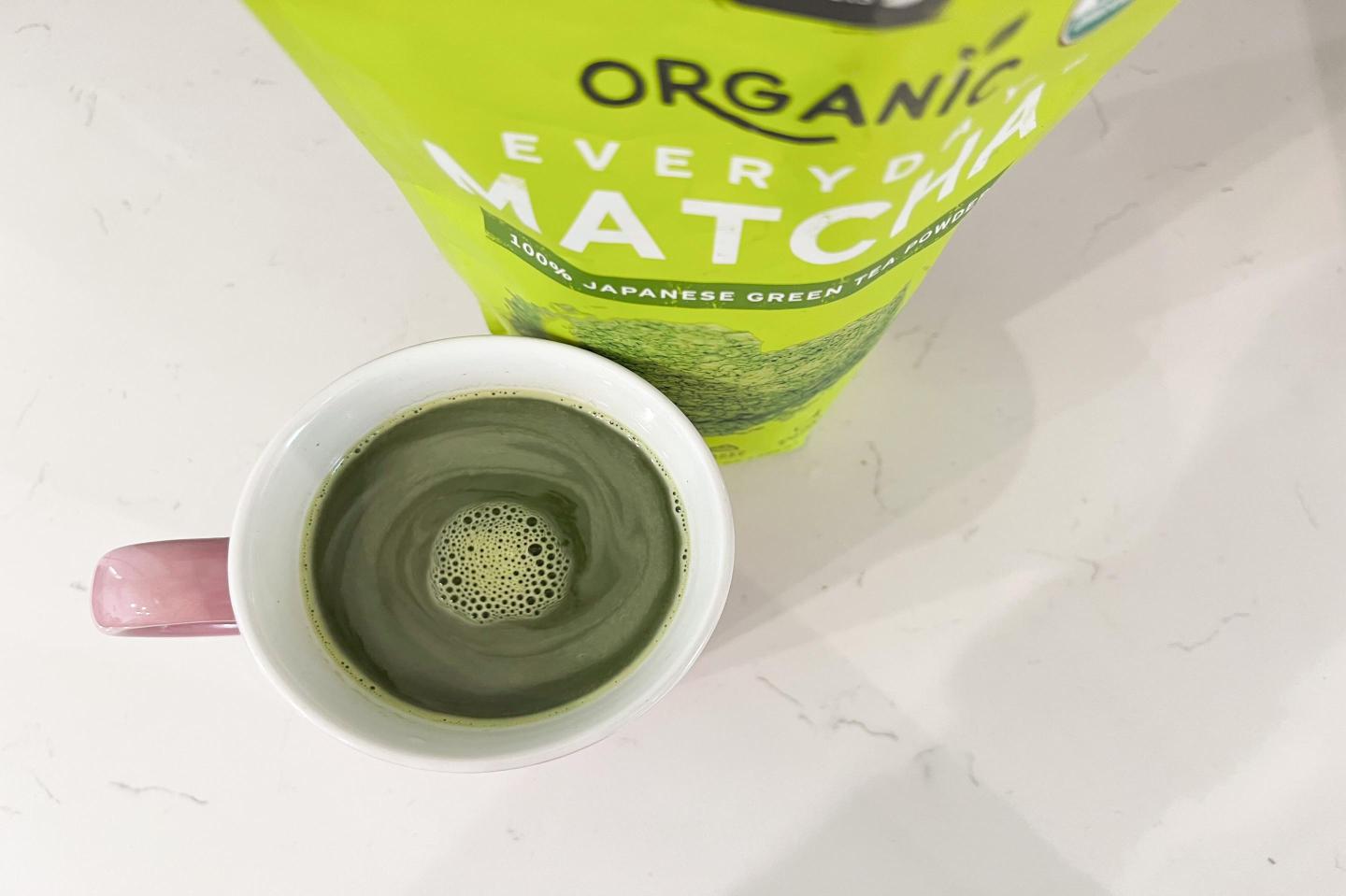
Many people start their workdays with a hot cup of coffee. But matcha has been growing in popularity thanks to its purported health benefits. And matcha still delivers on caffeine, but it’s thought to help with calm and focus—making it the perfect workplace beverage.
Most people will recognize matcha’s bright green hue (though matcha shouldn’t be confused with greens powders), but there’s more to it than its Instagram-worthy appeal. We tested some of the most popular options on the market to discover the best matcha powder for you. Here’s our favorite, plus a few other excellent options.
Why Trust Fortune
Our team of expert testers has tried hundreds of the most popular supplements on the market today, using our comprehensive supplement testing methodology to find the best products for all folks.
Best Matcha Powders of 2026
- Best Matcha Powder Overall: Pique Life Sun Goddess Matcha
- Best Organic Matcha Powder: Jade Leaf Organic Ceremonial Matcha – Barista Edition
- Best Affordable Matcha Powder: Sencha Naturals
- Best Tasting Matcha Powder: Golde Pure Matcha
Best Matcha Powders Comparison Table
Best Matcha Powder Overall: Pique Life Sun Goddess Matcha
Pique Life Sun Goddess Matcha
Origin
JapanGrade
CeremonialPrice per serving
$2.43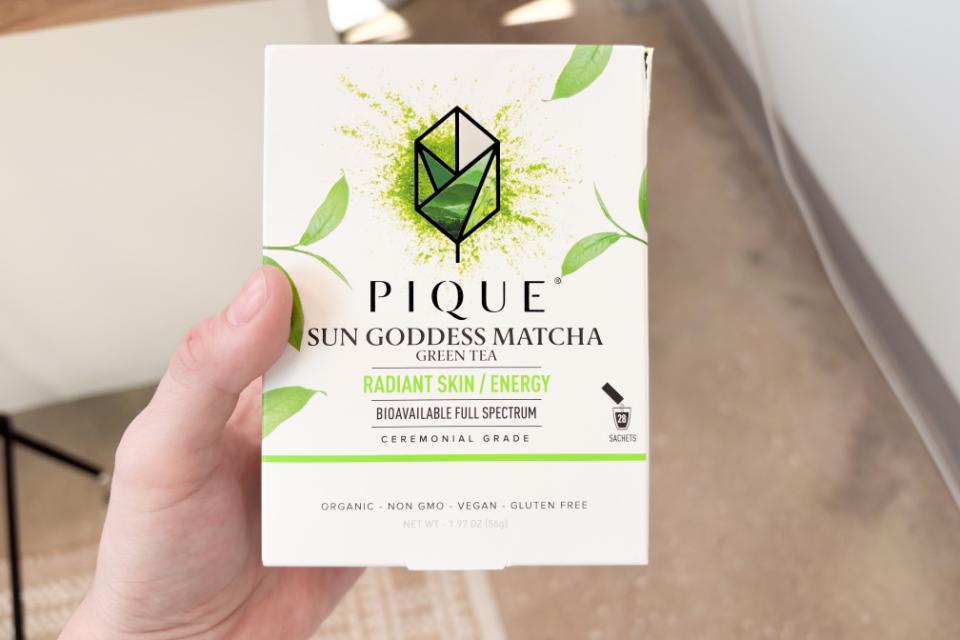
The incredible flavor, even when prepared plain with water
People who prefer to drink matcha plain, and people who travel
- Excellent flavor
- Individual packets
- Third-party tested
- Pricey
- Have to make sure not to use boiling water
- Unclear where in Japan it’s sourced from
Our Thoughts on Pique Life Sun Goddess Matcha
Sun Goddess Matcha claims to promote radiant skin, healthy metabolism, and calm energy. It’s organic and ceremonial grade (the highest-quality matcha), and the company gives instructions on how to prepare it both cold and hot—noting that for a hot drink you want the water temperature to be between 140 and 140 degrees Fahrenheit, not boiling.
Emily, our tester (not the same Emily as the author of this article), liked that the matcha came in packets. She said they’re convenient for travel, and very easy to open without scissors.
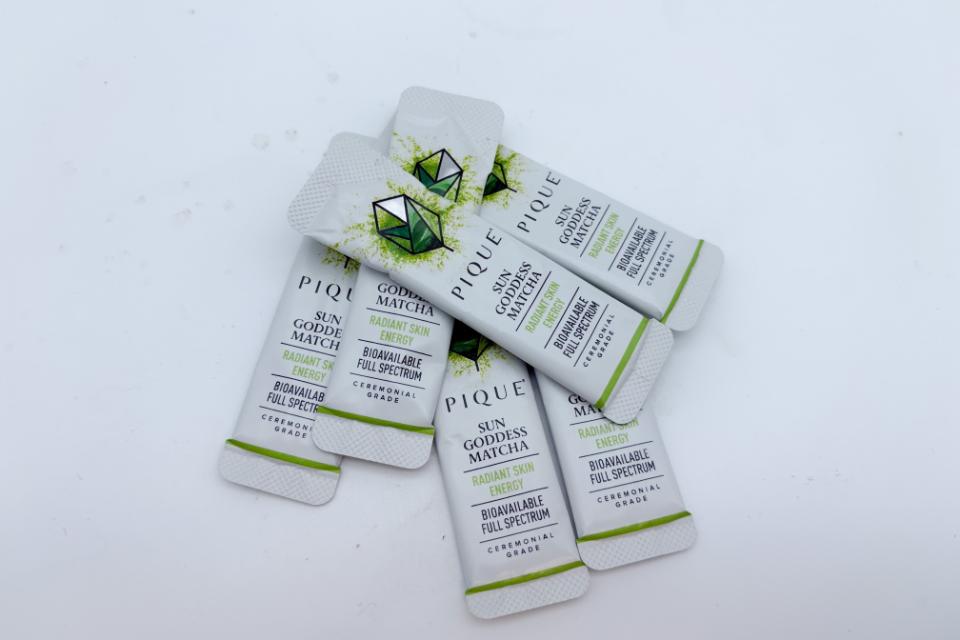
Additionally, our tester noted, “I like that the instructions are clear on each individual packet, that way you don’t need to look at the original box. The packet contains one serving as well which makes it so that you don’t need any measuring tools.” Emily rated this product a 5 out of 5 for its instructions.
She prepared this matcha cold, noting that the powder dissolved quickly and left no visible chunks. She gave it a 5 out of 5 for solubility. And flavor was excellent as well. “I really like the taste of it,” Emily said. “It doesn’t taste watery, but also not overpowering. I would definitely drink this regularly. I typically only drink matcha lattes, but I surprisingly like the taste of this matcha plain as well. It’s the slightest bit sweet, but in the perfect way.” She awarded it a 5 out of 5 for taste.
The only real drawback was cost, as Emily said she finds the cost per serving on the more expensive side. But, as she explained, “Depending on the benefits I experience after drinking it consistently, I’d be likely to purchase again.”
Best Organic Matcha Powder: Jade Leaf Organic Ceremonial Grade Matcha – Barista Edition
Jade Leaf Ceremonial Grade Matcha
Origin
Uji u0026 Kagoshima, JapanGrade
CeremonialPrice per serving
$0.50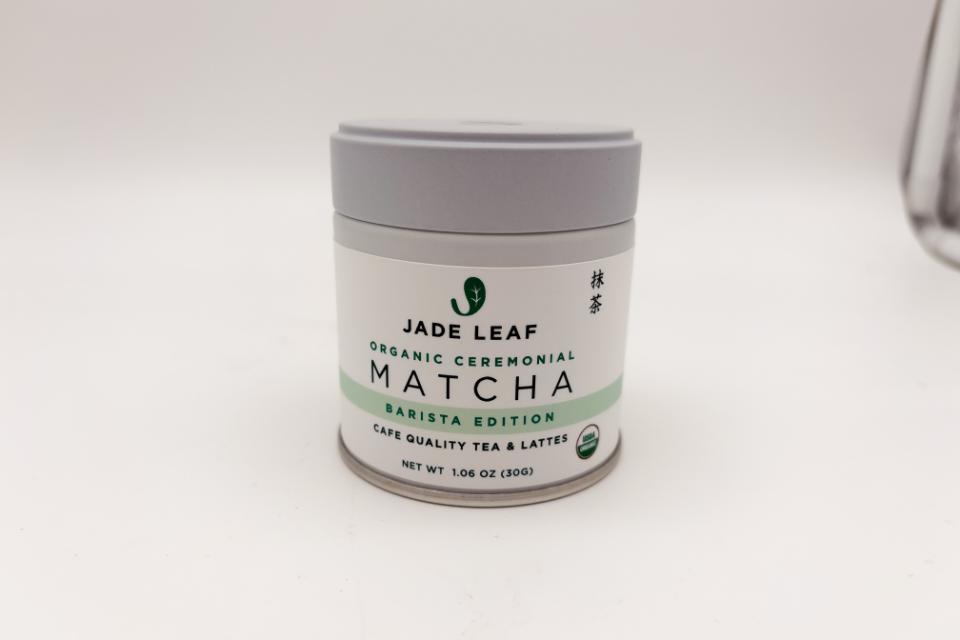
A straightforward organic option
Those who want organic and typically add sweetener
- Dissolved well in water
- Nice packaging
- Low cost per serving
- Chalky flavor
- No scoop
- Didn't foam nicely
Our Thoughts on Jade Leaf Organic Ceremonial Matcha
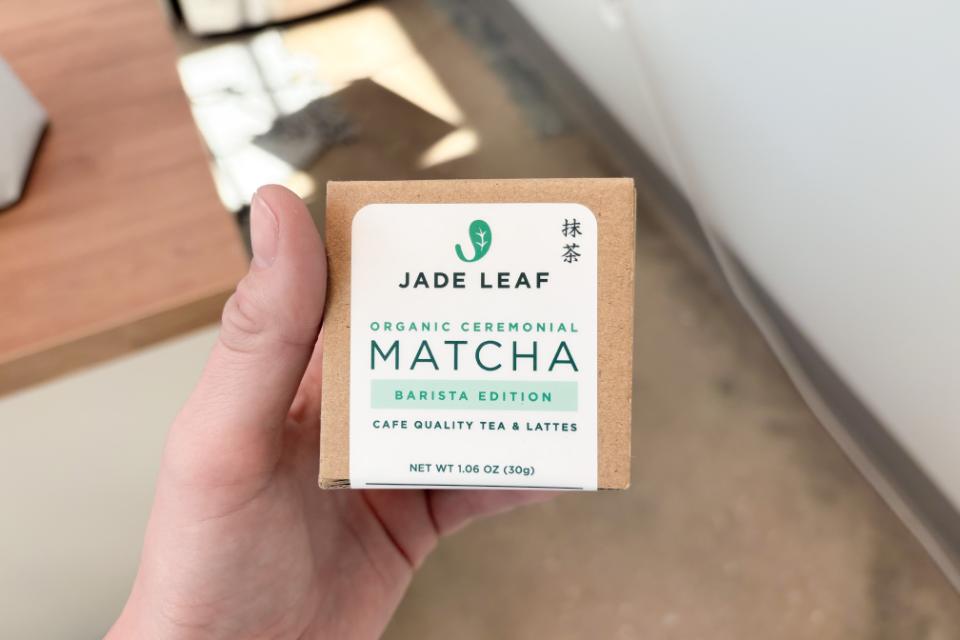
Jade Leaf’s Organic Ceremonial Matcha (Barista Edition) is a ceremonial-grade matcha designed for making “premium cafe-quality tea and lattes,” according to the company website. The flavor profile is described as exceptionally smooth with mild nuttiness and umami notes, and the company says to start by whisking the matcha powder with warm water (just under boiling), and then combining that with either hot water, cold water, or milk after that.
Our tester, Sungavi, first noted that the matcha’s packaging is nice but it doesn’t come with a scoop, so you’d need to use a spoon. She found the instructions easy to follow, explaining that they’re listed clearly on the container, earning a 5 out of 5 for ease of use.
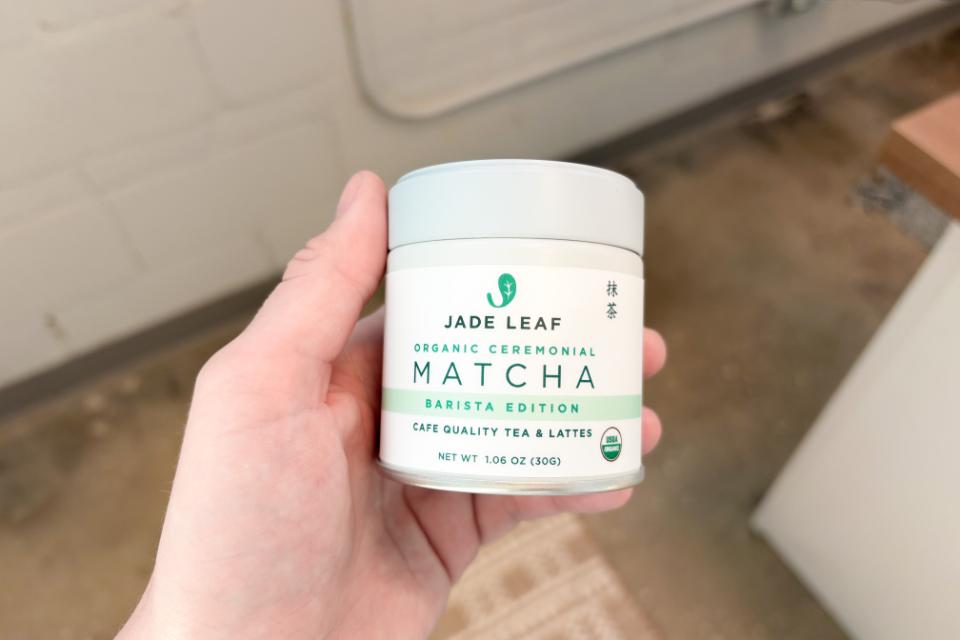
She prepared the matcha as instructed, noting that it dissolved very well when mixed with hot water. However, she explained, “I hand whipped it with my bamboo whisk, but it did not foam up the way that it should after whisking it.” She gave it a 3 out of 5 for how easily it was to mix.
The flavor wasn’t this tester’s favorite, either. “It’s very chalky and unflavorful,” Sungavi described her first impression. “It does not taste smooth or fresh at all.” That said, as Sungavi is not a huge fan of matcha flavor in general, this powder may appeal more to someone who does enjoy the tea’s characteristic flavor.
Overall, Sungavi’s main issue with this product was what she felt was a chalky taste. Otherwise, the matcha was of good quality.
Best Affordable Matcha Powder: Sencha Naturals
Sencha Naturals
Origin
Kagoshima u0026 Shizuoka, JapanGrade
CeremonialPrice per serving
$1.50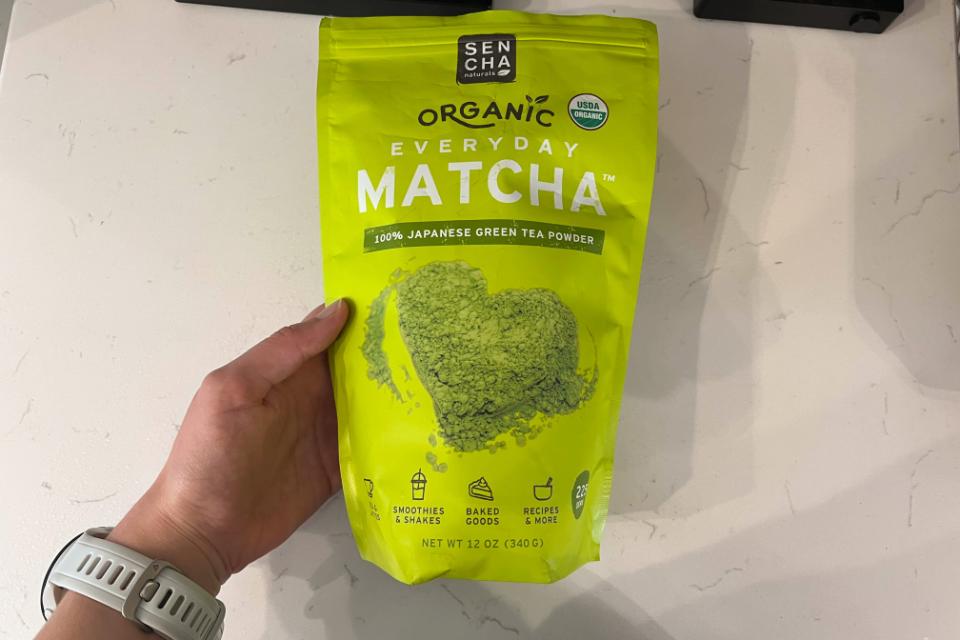
Fantastic flavor at an affordable price point
People on a budget who prioritize flavor
- Nice, light flavor
- Blended nicely
- Clear instructions
- Only available in bundles or as a two-pack
- May require a frother or other tool to blend
- No scoop included
Our Thoughts on Sencha Naturals
Sencha Naturals says their matcha is grown and harvested in Japan, highlighting that it sources exclusively from “the farmers and regions that do it best.” The company also notes that its matcha is “simple and accessible for daily life,” emphasizing on its website that the company has focused on elevating quality while keeping it approachable and affordable—and that its Emperor’s Matcha is available in Costco.
The company says to mix its matcha powder with water and recommends a mini matcha shaker (which they sell) or an electric frother to make mixing easier. They give instructions on how to make matcha tea and a matcha latte, or an iced drink.
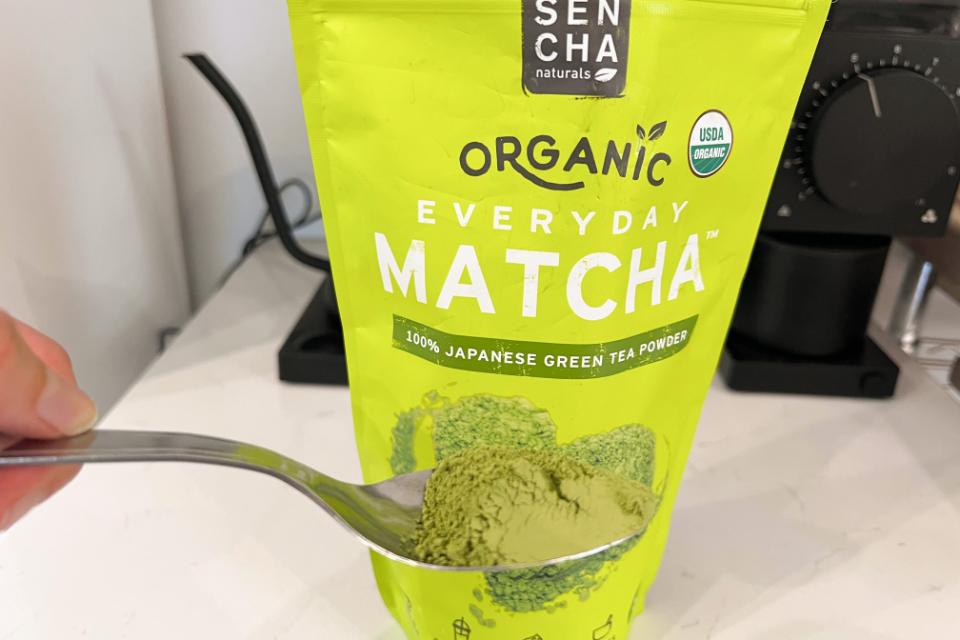
Ann, our tester, said the matcha comes in a bag that’s easy to open and close. She noted that while there’s no scoop included, she found it easy to use a spoon instead. Ann explained, “The instructions are easy to read. My only wish is that the instructions told me how hot the make the water.” Still, she rated this product a 5 out of 5 for its ease of use.
This tester had zero issues preparing her matcha. “I used an electric handheld milk frother to mix up my matcha in warm water, and it blended together beautifully,” Ann said. “There are no chunks. I only needed to use the milk frother for less than 30 seconds.” She gave it a 5 out of 5 for how easy it was to mix.
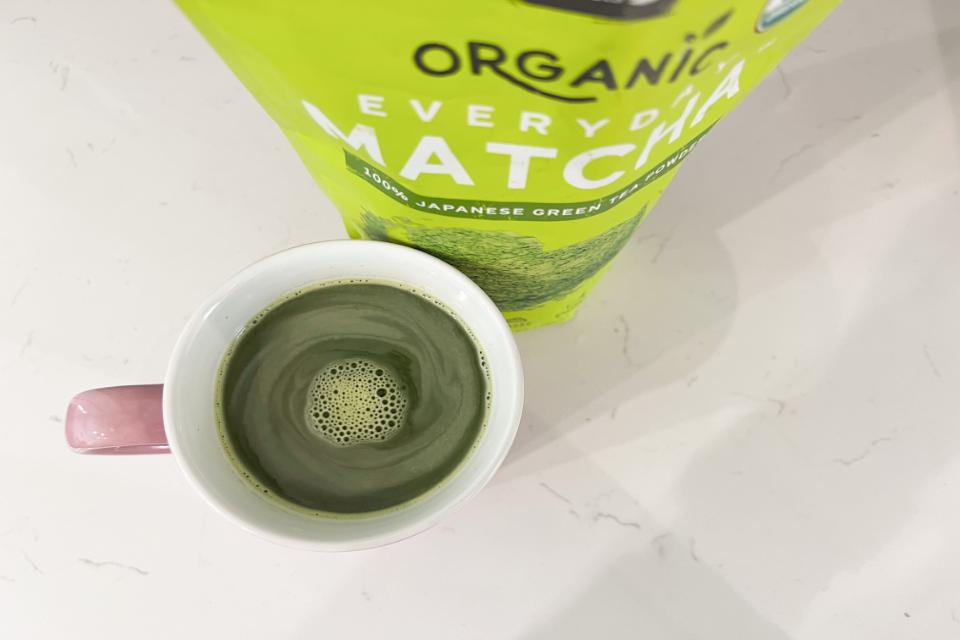
As for the flavor, Ann said, “The taste is very earthy, as most matchas are. I appreciate that it isn’t sweet, chalky, or heavy. Because it’s very light, I could see myself drinking this daily—and when I get sick of it, blending it into smoothies or lattes.” She gave it a 5 out of 5 for taste.
In conclusion, Ann said, “I’m a huge green tea fan, but not so much matcha. However, I love this matcha powder and would use it daily!”
Best Tasting Matcha Powder: Golde Pure Matcha
Golde Pure Matcha
Origin
Uji, JapanGrade
CeremonialPrice per serving
$1.94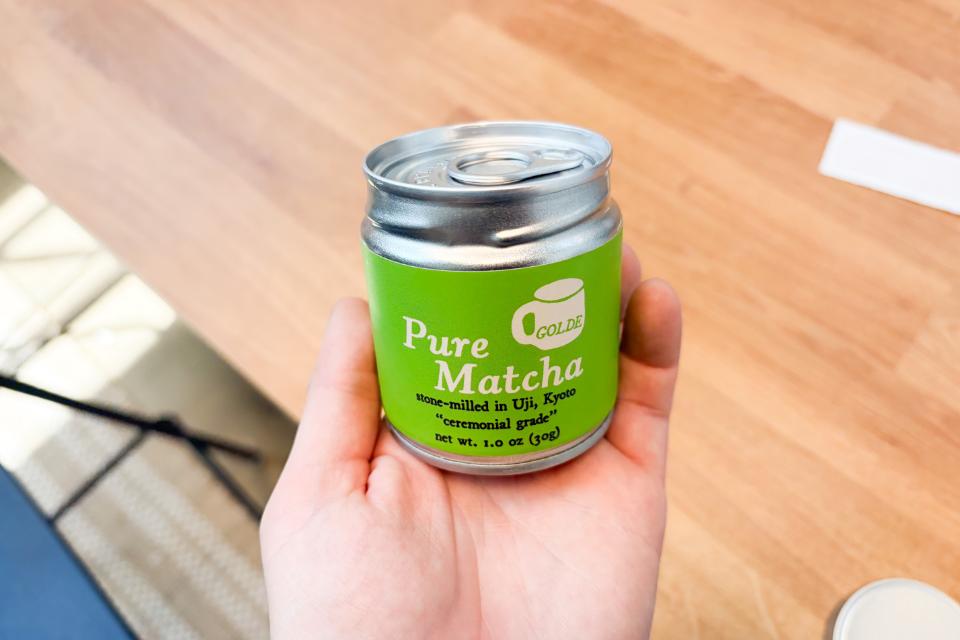
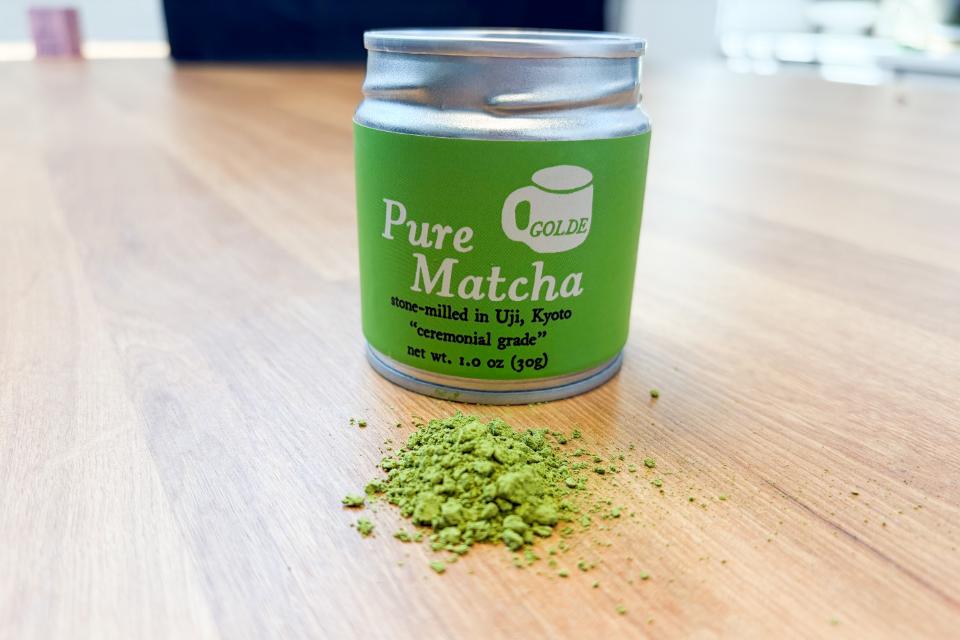
The standout flavor, rich and creamy with no bitterness
People who prefer to drink matcha plain, without added flavor
- Smooth, creamy taste
- Easy to mix
- Appealing packaging
- Cost is on the higher side
- No scoop included
- Packaging may vary as the company reports it's switching to a new look
Our Thoughts on Golde Pure Matcha
Golde Pure says its matcha can help with energy, focus, and cellular health. The company also says its sourcing practices allow for “maximum antioxidant and amino acid content.”
To use, the company says to mix the matcha powder with warm water and sweetener if desired and then add milk.
Our tester, Bella, first commented on the packaging, which she said both looked nice and was easy to store. She did note that there was no scoop, so that she needed to measure the correct amount herself.
Bella found the instructions to be very simple, giving them a 5 out of 5, and said she used her own bamboo whisk because “this is how you traditionally prepare a matcha concentrate.” Bella said the matcha powder fully dissolved in about 30 seconds, and rated the product a 5 out of 5 for how easy it was to mix with liquid.
She was very impressed by the flavor, saying, “I am a matcha enjoyer and I have used lots of other products before. This is by far the best tasting one I have found. Golde Pure Matcha has a smooth and creamy taste, and not bitter.” She added that the flavor wasn’t overly “grassy” tasting, and felt very light overall.
The only drawback, according to Bella, was that it was slightly pricey, but overall she was a fan of the matcha powder’s appealing flavor.
How We Tested and Selected the Best Matcha Powders
Here’s what we focused on when searching for the best matcha powder.
Taste and Texture
We obviously wanted a pleasant flavor, and we were specifically looking for matcha that wasn’t bitter.
Grade and Origin
Japan is considered the best source of matcha, so we prioritized products sourced from that area. We also wanted ceremonial grade matcha, which is considered the highest quality available.
Mixability
We prepared the product as instructed by the company and noted how well the matcha dissolved. We wanted a smooth texture that wasn’t grainy.
Third-Party Testing
We prioritized supplements that have been third-party tested for safety and efficacy, given that the FDA doesn’t test for that.
Value
Matcha prices can vary widely. Here’s what we looked at when determining value.
How to Find the Best Matcha Powder for You
There are a lot of things to consider when choosing a supplement—whether a protein powder, multivitamin, or in this case, a matcha powder. Here’s what we think matters most.
Your Personal Needs
Before buying matcha, think about your own needs and preferences. Are you looking to drink it plain, or add it to lattes? Do you plan to bake with it? Consider how you’ll use it, as that can impact which matcha you choose. Matcha used for drinking is typically ceremonial grade, for example, whereas matcha used in baking would generally be culinary grade. There are differences in how the different types of matcha are harvested, and differences in color and flavor, though it’s worth noting that the terms aren’t regulated.
For this reason we recommend visiting the manufacturer’s website to learn as much as possible about how it sources its matcha.
Flavors
While there’s plain matcha, which typically has a grassy or slightly sweet flavor, sometimes additional flavors are added—like vanilla, mango, and so on. You might want to try plain matcha first, and if that doesn’t suit your preferences, you can then branch out into a flavored variety.
Cost
Matcha can be pricey, though less expensive options are available. Make sure to consider your ideal price point before purchasing and remember that more expensive doesn’t necessarily mean better quality.
Third-Party Testing
We recommend choosing a matcha powder that has been third-party tested for safety and efficacy. Some manufacturers even post testing data on their websites.
Benefits of Matcha Powder
Here are some of the benefits of matcha powder.
- Health maintenance and disease prevention: A 2020 review concluded that matcha, with its antioxidant and anti-inflammatory effects, has promising potential health benefits and that regular consumption may help maintain health and prevent disease.
- May help protect against cognitive decline in women: A randomized controlled trial published in 2020 found that while matcha green tea powder didn’t have a significant effect on all trial participants, it did have a beneficial effect against cognitive decline in clinically normal elderly women.
How to Make Matcha Tea
Here’s how our winning matcha powder, Pique Life, suggests preparing its matcha powder.
- For a cold drink, add one sachet of matcha powder (or one serving) to 12 ounces of cold water and shake or stir. Some people may prefer to use a traditional bamboo whisk for this step.
- If you prefer a hot drinks, first add one sachet of matcha to an empty cup. Then add 12 ounces of warm water and stir—again, using a bamboo whisk for a more authentic matcha tea-making experience. Note: The ideal water temperature is 140°F to 150°F; the water should not be boiling.
- While Pique Life doesn’t give instructions on how to make a matcha latte, another top-ranked matcha powder—Sencha Naturals—does. As they explain, simply add the designated amount of matcha powder to a cup and add 6 ounces of milk or a milk alternative and sweeten to taste.
What to Avoid in Matcha Powder
While it’s important to check your matcha powder’s sourcing, you also want to try and avoid:
- Products with unnecessary fillers like artificial colors or excessive binding ingredients
- Products that haven’t been third-party tested for safety or efficacy
Frequently asked questions
What brand is the best matcha powder?
The best matcha powder brand depends on your unique needs, preferences, and goals. For example, some people may prioritize cost, while others may be looking for the best flavor because they like to drink matcha plain. Others may care less about flavor because they prefer matcha lattes with added sweetener. Make sure to think about what you’re looking for in a matcha powder before buying.
Does matcha lower cortisol?
Some sources report that matcha can help lower cortisol levels because of its L-theanine content, with L-theanine being an amino acid that can help promote relaxation. However, there is limited published research on this topic, so make sure to discuss any concerns with your health care provider.
Is matcha good for fatty liver?
A 2021 study showed that matcha may help with non-alcoholic fatty liver disease in obese mice, but that was an animal study so results don’t necessarily translate to humans. The study authors note that further investigation is required.