- In today’s CEO Daily: The Nvidia CEO’s ouster is looking more and more likely.
- The big leadership story: Brian Chesky’s $100 million gift.
- The markets: Mixed globally, as Nvidia sinks.
- Plus: All the news and watercooler chat from Fortune.
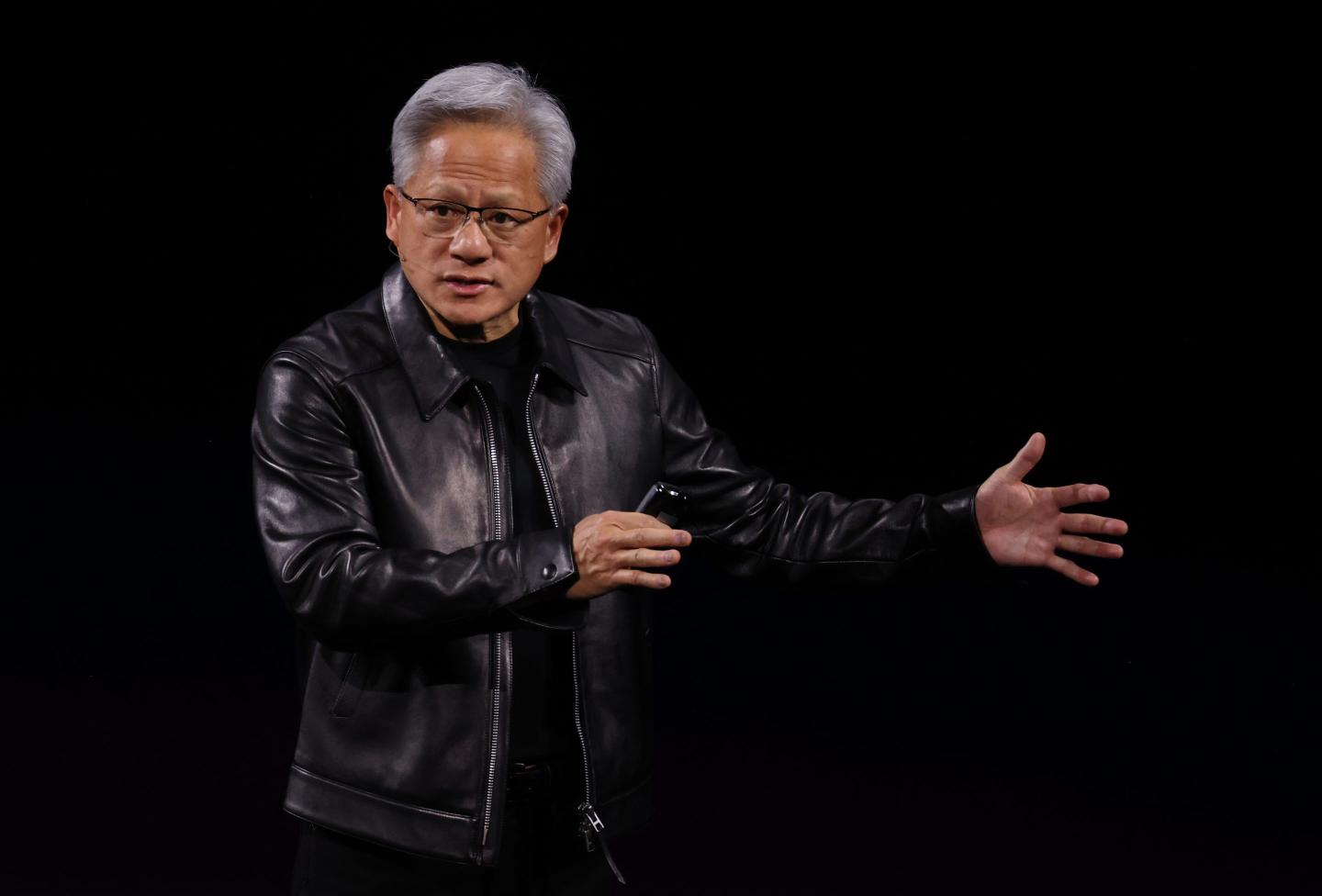
Good morning. Can Nvidia survive without Jensen Huang? What could come next? I posed those questions to attendees at the B20 USA Summit in Washington this week. Hosted by the U.S. Chamber of Commerce, it drew leaders from 19 member countries, as well as the European Union and African Union, and those seeking investments or connections from other countries. The general mood was cautiously optimistic, with hope the midterms might usher in a more predictable policy climate and Washington’s infatuation with tech titans might morph into a healthier relationship. AI is moving from the frontier labs into companies; a recent Deloitte survey found 81% of global leaders say it’s improving the speed of decision-making and execution.
This is a world where Nvidia can carry on without Huang—a possibility that’s become more likely as reports of a second affair have surfaced. Apple kept growing after Steve Jobs died and Uber has thrived since founder Travis Kalanick resigned under pressure almost a decade ago. And the revelations of recent days have people reassessing their view of Nvidia’s CEO.
Huang’s departure will hurt Nvidia’s talent, sales, reputation, and revenue which, together with fines and lawsuits, could make that falling stock price a new normal. But he’s already done a lot of damage. “With or without him, this is a mess,” said one CEO customer in D.C., who’s now worried about the security of his company’s data. “You can’t lead a company with your back against a wall.”
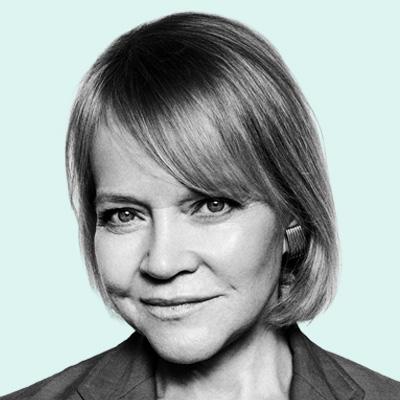
AI companies have faced scrutiny amid fears of rogue behavior, security threats, IP theft, energy use, job loss, an investment bubble, opaque financing, and distrust of the tech leaders controlling it. Add in the fact that, as Forum AI CEO Campbell Brown said during our on-stage conversation, the AI companies “grade their own homework and give themselves an A.” The former CNN anchor and head of global media partnerships at Meta is trying to fix that by leveraging human expertise to evaluate, compare, and train AI models in areas from geopolitics to gender bias.
The most persistent theme was the need for regulatory oversight and clarity. During another panel conversation about building the next growth cycle, Frédéric Sanchez of the French industrial engineering group Fives described the risk-factors section of Anthropic’s IPO prospectus as a “science fiction book” that’s “scaring” people, adding that neither the U.S. nor Europe has come up with the right policy response. Rich Lesser of BCG explored the idea of an FDA-style regulatory agency that can incorporate new insights, risks, and guardrails as AI develops. Standard Bank CEO Sim Tshabalala, who leads Africa’s largest bank out of Johannesburg, also focused on bolstering institutions and laws to unleash the ability of the world’s youngest and fastest-growing continent to leverage AI for agriculture, health, education, and growth.
In the meantime, Kalshi traders are now trying to predict when Jensen Huang will leave Nvidia. For more on how that market is working, here’s a link to my interview at the B20 yesterday with co-founder and CEO Tarek Mansour.
Contact CEO Daily via Diane Brady at diane.brady@fortune.com
Top leadership news
Airbnb CEO gifts San Francisco $100 million
Airbnb CEO Brian Chesky is donating $100 million to San Francisco’s parks, the largest single-donor gift in city history. An initial $39 million will speed up five neighborhood park projects, with the rest allocated over the next year. Mayor Daniel Lurie, who increasingly relies on private funding, urged other wealthy leaders to follow, though some progressives question donor influence.
California voters reject billionaire tax after $378 million opposition campaign
California voters rejected a proposed one-time tax on billionaires, with 52.8% voting against it and 47.2% in favor. Wealthy opponents, including Google cofounder Sergey Brin, spent $378.4 million to defeat the measure—more than 10 times what supporters spent.
Databricks launches AI tools that analyze company data in the background
Databricks introduced an updated version of its Genie assistant that continuously analyzes company data and makes suggestions to employees throughout the workday. The launch comes a day after Anthropic unveiled its own workplace AI tools, including a spreadsheet application and a feature that lets Claude join video calls and begin tasks during meetings.
The markets
S&P 500 futures are down 0.31% this morning. The last session closed up 1.31%. The STOXX Europe 600 was up 0.47% in early trading. The U.K.’s FTSE 100 was up 0.30% in early trading. Japan’s Nikkei 225 was down 0.70%. South Korea’s KOSPI was down 0.60%. China’s CSI 300 was down 0.78%. Hong Kong’s Hang Seng was down 1.26%. India’s NIFTY 50 was up 0.18% today. Bitcoin is at $74k.
Around the watercooler
Lockheed Martin’s CEO flew 5,000+ hours as an Air Force pilot and Casey’s CEO fought in the Gulf War—now they’re running Fortune 500 companies by Preston Fore
David Ellison’s Skydance replaces DC Studios bosses James Gunn and Peter Safran with a Marvel veteran by Andrew McGowan
Billionaire Paul McCartney grew up ‘poor’ and was raised by a cotton salesman in Liverpool—now, he’s the third richest musician in the world by Emma Burleigh
Millennials wrote off accounting as the most boring job in America—now it’s one of the hottest seasonal jobs and Gen Z’s back door to six figures by Orianna Rosa Royle
CEO Daily is curated and edited by Joseph Abrams, Jason Ma, Claire Zillman, and Lee Clifford.