• Home
  • Latest
  • Fortune 500
  • Finance
  • Tech
  • Leadership
  • Lifestyle
  • Rankings
  • Multimedia

Trendingnow

1

The millennial generation has split, new Fed research shows: Those over 35 are edging toward boomer-style wealth, while everyone else falls behind

2

Mark Cuban says he has the solution to growing income inequality, and it's to reward every employee—from CEO to janitor—with company stock

3

Scott Bessent casually says the U.S. has more than $1 trillion in gold—and that it doesn’t matter for the dollar

1

The millennial generation has split, new Fed research shows: Those over 35 are edging toward boomer-style wealth, while everyone else falls behind

2

Mark Cuban says he has the solution to growing income inequality, and it's to reward every employee—from CEO to janitor—with company stock

3

Scott Bessent casually says the U.S. has more than $1 trillion in gold—and that it doesn’t matter for the dollar
SuccessWealth

‘The man who dies rich dies disgraced’: The last time America had such wealth inequality, Andrew Carnegie knew he had to give it all away

Nick Lichtenberg
By
Nick Lichtenberg
Nick Lichtenberg
Business Editor
Down Arrow Button Icon
Nick Lichtenberg
By
Nick Lichtenberg
Nick Lichtenberg
Business Editor
Down Arrow Button Icon
July 22, 2026, 12:50 PM ET
buffett
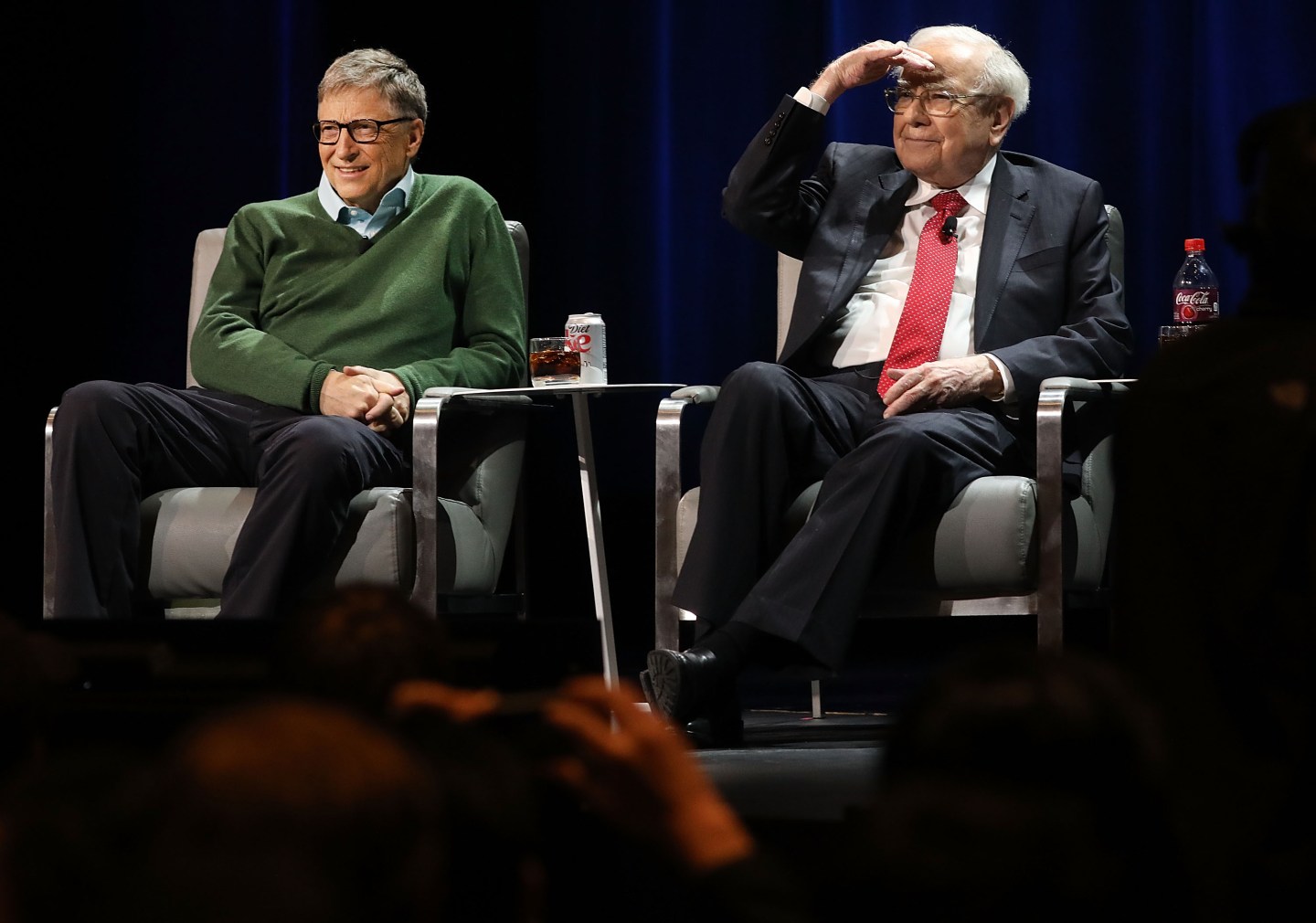
Bill Gates and Warren Buffett speak with journalist Charlie Rose at an event organized by Columbia Business School on January 27, 2017 in New York City. Gates and Buffett spoke on a range of topics including their friendship, business, philanthropy, global health, innovation, and leadership.Spencer Platt/Getty Images
Add Fortune on Google for similar content.

Andrew Carnegie’s most famous line—”the man who dies thus rich dies disgraced“—was written as a threat, not a suggestion. Today, it lands with a different kind of sentiment, especially as Peter Thiel campaigns against giving, Warren Buffett scrambles to outpace his own compounding fortune, and Bill Gates absorbs criticism that his foundation model isn’t working. Carnegie’s argument in 1889 was simple: give it away yourself, on your own terms, before politics, heirs, or public anger takes the decision out of your hands.

Recommended Video

Carnegie’s Gospel of Wealth, published in 1889, argued that any surplus fortune held past death represents a moral failure, not a legacy. He framed the wealthy as mere “trustees” of their fortune, obligated to distribute it during their own lifetime specifically so they could witness and correct the results themselves, rather than trusting heirs or bureaucracies (like foundations, trusts or family offices) to interpret their wishes later.

The conditions that prompted that argument have returned, and in some respects surpassed them. The top 0.1% of Americans now hold over 14% of national wealth, a record high since Federal Reserve tracking began in 1989. According to economists Emmanuel Saez and Gabriel Zucman, whose landmark 2014 paper reconstructed U.S. wealth concentration back to 1913, the top 0.1% of Americans owned roughly 22% of national wealth, a level approaching the peaks of 1916 and 1929.

Nobel laureate Paul Krugman, who has studied the comparison extensively, calls the current era not a second Gilded Age but a “hyper-gilded age,” certainly comparable to Carnegie’s time.

The difference between Carnegie libraries and the Giving Pledge

A look at what Carnegie did, and how that compares to today, should make the point. The steel magnate didn’t consider handing money to a foundation an acceptable substitute for lifetime giving; he saw only three options for surplus wealth: give it to heirs, will it for later public use, or spend it while alive. He vigorously rejected the first two as wasteful. He practiced what he preached: over 18 years, he gave away roughly $350 million, about 90% of his fortune, personally funding 2,509 libraries, Carnegie Hall, and Carnegie Mellon University before his death in 1919.

On a straight inflation-calculation basis, Carnegie’s fortune would be worth roughly $6.8 billion today, which wouldn’t even crack the Bloomberg Billionaires Index top 500. But as a relative share of GDP, the University of Missouri has estimated it much higher, at up to $500 billion, which would put him between Elon Musk and the second-richest person alive, Google co-founder Larry Page. That means giving away 90% of his wealth would be philanthropy on a scale that dwarfs the biggest giver of the current era: MacKenzie Scott.

Gates and Buffett have openly credited Carnegie’s essay as the direct inspiration for their 2010 Giving Pledge, which asks billionaires to commit at least half their wealth to charity during their lifetime or at death. But the comparison exposes a gap on both of Carnegie’s core requirements. On quantity: Carnegie demanded nearly all of one’s fortune, the Pledge asks for half. On timing: Carnegie insisted on giving while alive, so you could see what worked, while the Pledge allows death bequests, foundations, and indefinite deferral.

Gates’s own vehicle, the Bill & Melinda Gates Foundation, is precisely the kind of professional-administrator structure that Carnegie thought was a cop-out; it has a 20-year sunset clause after Gates’s death, but it will continue operating long past the point where Gates can correct its mistakes himself. That’s a structural, rather than a philosophical difference.

Buffett has given away more than $60 billion since 2006—a real, record-setting total—but his Berkshire stake has kept growing faster than his gifts could offset it, forcing him to admit his original plan wasn’t “feasible” and to set a hard new target: full divestment by 2034. Scott faces a similar math: her giving has been more than offset by the surging value of Amazon stock she acquired in her divorce from Jeff Bezos, meaning her net worth has barely declined despite billions in gifts. Both cases illustrate a compounding trap that Carnegie’s model was designed to avoid: the longer you wait, the more you have to give.

Thiel’s rejection of the whole premise

Peter Thiel represents the sharpest challenge to Carnegie’s logic since the labor unions who fought Carnegie’s library grants in the 1890s, but with a crucial difference. The unions objected to how Carnegie’s wealth was made; Thiel objects to giving itself. He has actively urged billionaires to unsign the Giving Pledge, calling it an “Epstein-adjacent, fake boomer club,” and has pushed Musk specifically to abandon his own commitment.

Where Carnegie feared dying rich would bring disgrace, Thiel’s posture suggests the opposite calculation: that giving away wealth under public pressure is the real threat to a fortune’s legacy and the donor’s autonomy. That objection would have been nearly unrecognizable in 1889, when even Carnegie’s harshest critics accepted the premise that surplus wealth carried obligations.

Carnegie’s bet was that voluntary, lifetime giving was the only way billionaires could control the terms of their own wealth’s fate. His model succeeded partly because it was structurally irreversible—money spent building a library in 1903 can’t be reclaimed by heirs, taxed away, or parked indefinitely, unlike a pledge that can be unsigned or shares that can simply keep compounding in a family trust. Carnegie understood that the disgrace wasn’t just dying rich. It was dying with the decision still unmade.

For this story, Fortune journalists used generative AI as a research tool. An editor verified the accuracy of the information before publishing.


The Fortune 500 Innovation Forum will convene Fortune 500 executives, U.S. policy officials, top founders, and thought leaders to help define what’s next for the American economy, Nov. 16-17 in Detroit. Apply here.
About the Author
Nick Lichtenberg
By Nick LichtenbergBusiness Editor
LinkedIn icon

Nick Lichtenberg is business editor and was formerly Fortune's executive editor of global news.

See full bioRight Arrow Button Icon
Add Fortune on Google for similar content.

Latest in Success

Finance
Lorem ipsum dolor sit amet, consectetur adipiscing elit, sed do eiusmod tempor incididunt ut labore et dolore magna aliqua. Ut enim ad minim veniam
By Fortune Editors
October 20, 2025
Finance
Lorem ipsum dolor sit amet, consectetur adipiscing elit, sed do eiusmod tempor incididunt ut labore et dolore magna aliqua. Ut enim ad minim veniam
By Fortune Editors
October 20, 2025
Finance
Lorem ipsum dolor sit amet, consectetur adipiscing elit, sed do eiusmod tempor incididunt ut labore et dolore magna aliqua. Ut enim ad minim veniam
By Fortune Editors
October 20, 2025
Finance
Lorem ipsum dolor sit amet, consectetur adipiscing elit, sed do eiusmod tempor incididunt ut labore et dolore magna aliqua. Ut enim ad minim veniam
By Fortune Editors
October 20, 2025
Finance
Lorem ipsum dolor sit amet, consectetur adipiscing elit, sed do eiusmod tempor incididunt ut labore et dolore magna aliqua. Ut enim ad minim veniam
By Fortune Editors
October 20, 2025
Finance
Lorem ipsum dolor sit amet, consectetur adipiscing elit, sed do eiusmod tempor incididunt ut labore et dolore magna aliqua. Ut enim ad minim veniam
By Fortune Editors
October 20, 2025

Most Popular

Finance
Lorem ipsum dolor sit amet, consectetur adipiscing elit, sed do eiusmod tempor incididunt ut labore et dolore magna aliqua. Ut enim ad minim veniam
By Fortune Editors
October 20, 2025
Finance
Lorem ipsum dolor sit amet, consectetur adipiscing elit, sed do eiusmod tempor incididunt ut labore et dolore magna aliqua. Ut enim ad minim veniam
By Fortune Editors
October 20, 2025
Finance
Lorem ipsum dolor sit amet, consectetur adipiscing elit, sed do eiusmod tempor incididunt ut labore et dolore magna aliqua. Ut enim ad minim veniam
By Fortune Editors
October 20, 2025
Finance
Lorem ipsum dolor sit amet, consectetur adipiscing elit, sed do eiusmod tempor incididunt ut labore et dolore magna aliqua. Ut enim ad minim veniam
By Fortune Editors
October 20, 2025
Finance
Lorem ipsum dolor sit amet, consectetur adipiscing elit, sed do eiusmod tempor incididunt ut labore et dolore magna aliqua. Ut enim ad minim veniam
By Fortune Editors
October 20, 2025
Finance
Lorem ipsum dolor sit amet, consectetur adipiscing elit, sed do eiusmod tempor incididunt ut labore et dolore magna aliqua. Ut enim ad minim veniam
By Fortune Editors
October 20, 2025
Fortune Secondary Logo
Rankings
  • 100 Best Companies
  • Fortune 500
  • Global 500
  • Fortune 500 Europe
  • Most Powerful Women
  • World's Most Admired Companies
  • See All Rankings
  • Lists Calendar
Sections
  • Finance
  • Fortune Crypto
  • Features
  • Leadership
  • Health
  • Commentary
  • Success
  • Retail
  • Mpw
  • Tech
  • Lifestyle
  • CEO Initiative
  • Asia
  • Politics
  • Conferences
  • Europe
  • Newsletters
  • Personal Finance
  • Environment
  • Magazine
  • Education
Customer Support
  • Frequently Asked Questions
  • Customer Service Portal
  • Privacy Policy
  • Terms Of Use
  • Single Issues For Purchase
  • International Print
Commercial Services
  • Advertising
  • Fortune Brand Studio
  • Fortune Analytics
  • Fortune Conferences
  • Business Development
  • Group Subscriptions
About Us
  • About Us
  • Press Center
  • Work At Fortune
  • Terms And Conditions
  • Site Map
  • About Us
  • Press Center
  • Work At Fortune
  • Terms And Conditions
  • Site Map
  • Facebook icon
  • Twitter icon
  • LinkedIn icon
  • Instagram icon
  • TikTok icon
  • YouTube icon

Latest in Success

Sanae Takaichi
Successwork-life balance
Japan’s prime minister sleeps just ‘zero to three’ hours a night—even as Tokyo pushes a 4-day workweek to fight ‘death by overwork’
By Preston ForeJuly 23, 2026
1 hour ago
Paul Keary (L) and Mike Sutcliff (R).
CommentaryAI agents
Teneo & Thoughtworks CEOs: the AI race will be won with governance, not speed 
By Paul Keary and Mike SutcliffJuly 23, 2026
5 hours ago
How GE CEO Larry Culp pulled off the turnaround of the century
MagazineGeneral Electric
How GE CEO Larry Culp pulled off the turnaround of the century
By Shawn TullyJuly 23, 2026
10 hours ago
buffett
SuccessWealth
‘The man who dies rich dies disgraced’: The last time America had such wealth inequality, Andrew Carnegie knew he had to give it all away
By Nick LichtenbergJuly 22, 2026
24 hours ago
Larry Page and Sergey Brin
SuccessBillionaires
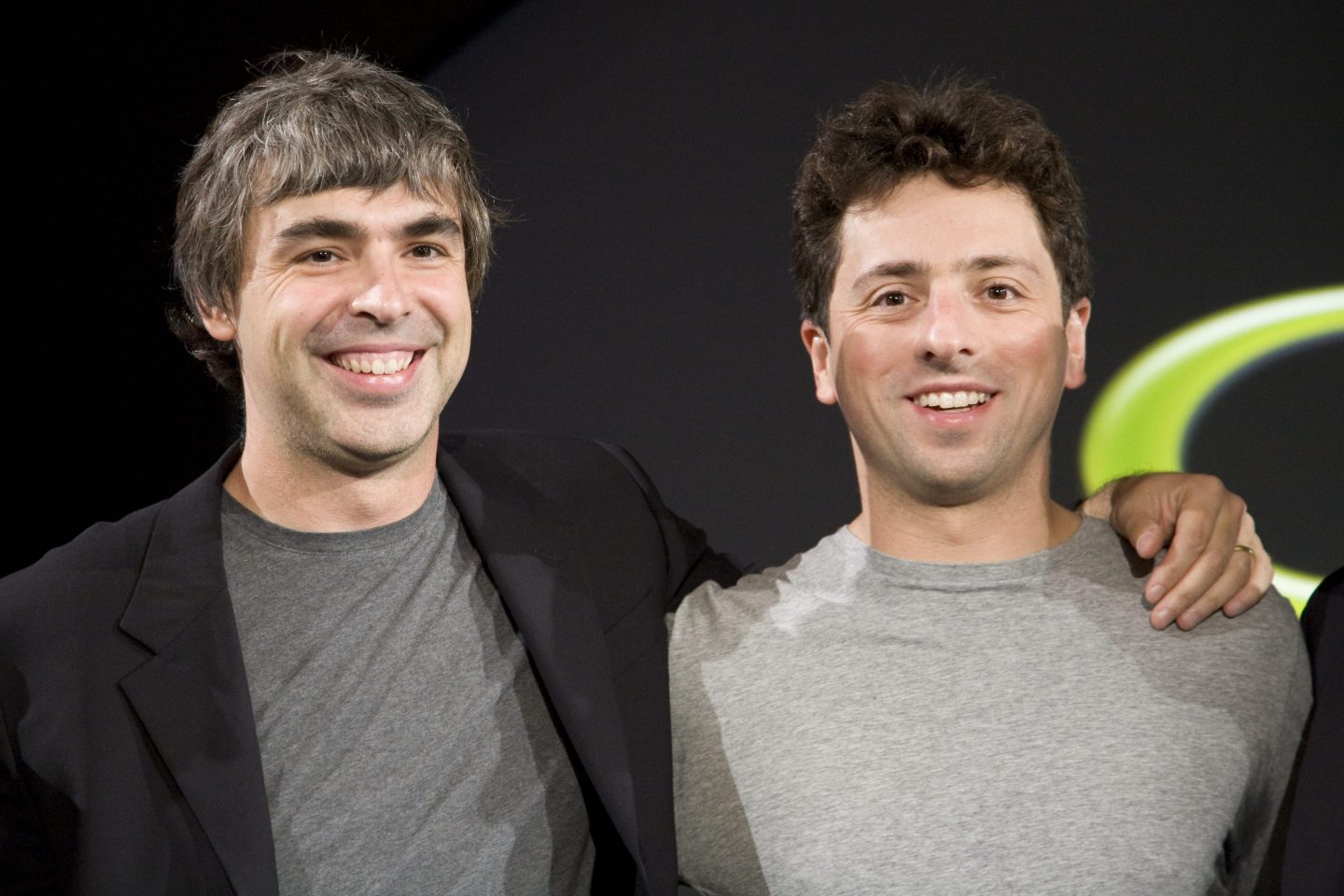
Larry Page and Sergey Brin splash $225 million in Miami property as billionaires flee California’s tax—and Google is expanding its office there too
By Emma BurleighJuly 22, 2026
1 day ago
Jon Gray leans while talking and sitting in a chair
SuccessCareers
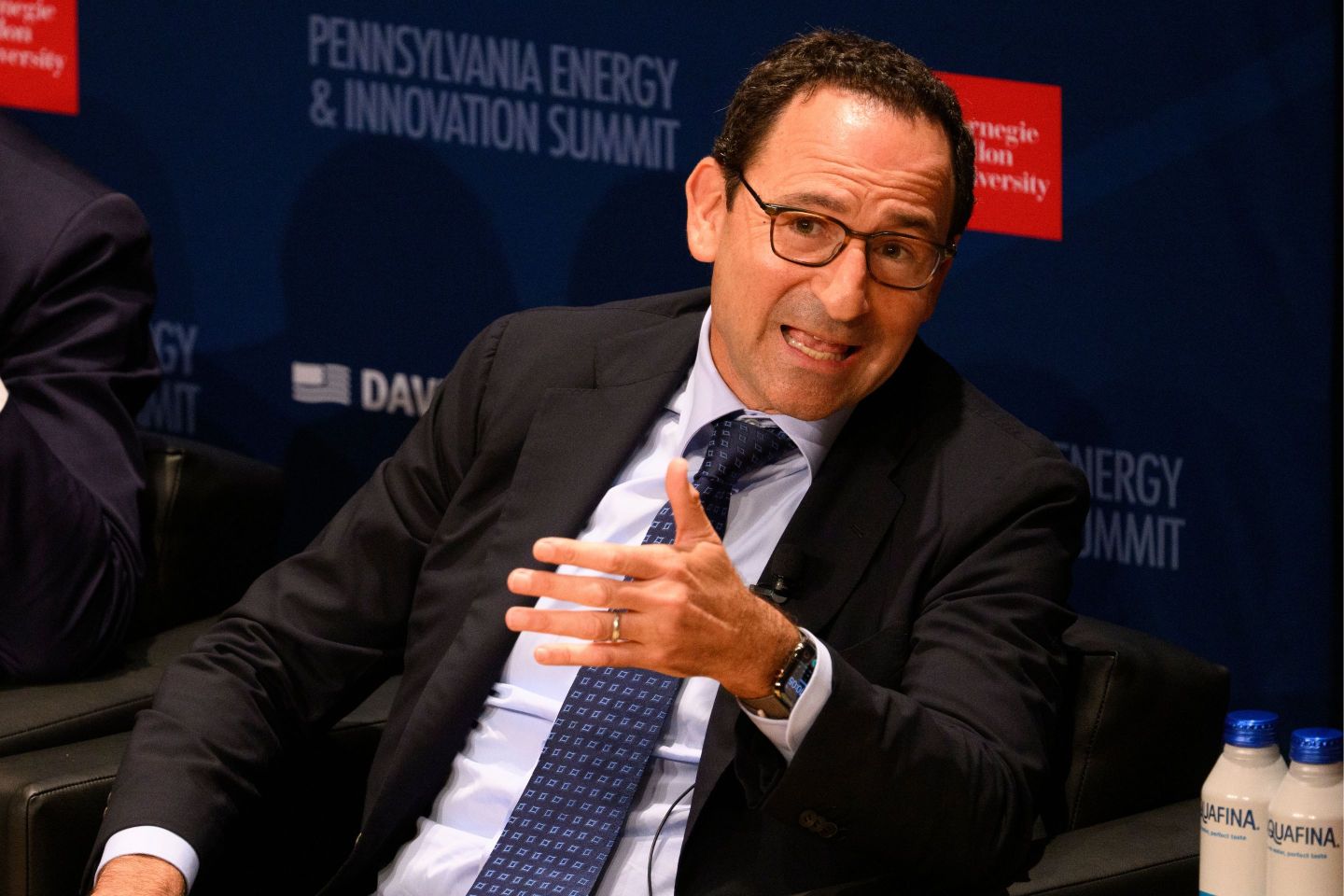
Blackstone president Jon Gray tells Gen Z to think like founders at work—but a growing number are skipping the corporate ladder to become one for real
By Preston ForeJuly 22, 2026
1 day ago

Most Popular

The millennial generation has split, new Fed research shows: Those over 35 are edging toward boomer-style wealth, while everyone else falls behind
Real Estate
The millennial generation has split, new Fed research shows: Those over 35 are edging toward boomer-style wealth, while everyone else falls behind
By Nick LichtenbergJuly 22, 2026
1 day ago
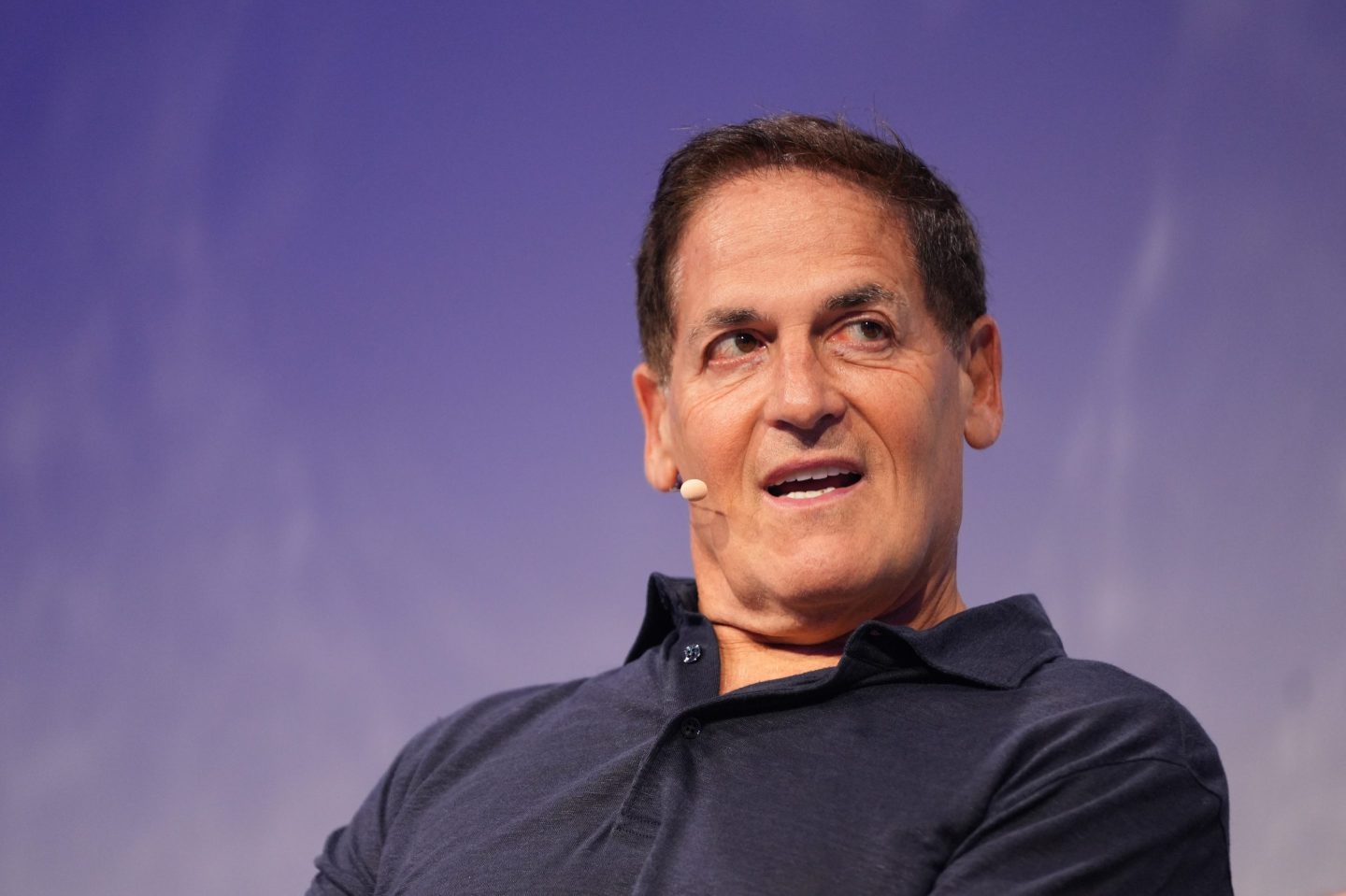
Mark Cuban says he has the solution to growing income inequality, and it's to reward every employee—from CEO to janitor—with company stock
Success
Mark Cuban says he has the solution to growing income inequality, and it's to reward every employee—from CEO to janitor—with company stock
By Sasha RogelbergJuly 20, 2026
3 days ago
Scott Bessent casually says the U.S. has more than $1 trillion in gold—and that it doesn’t matter for the dollar
Economy
Scott Bessent casually says the U.S. has more than $1 trillion in gold—and that it doesn’t matter for the dollar
By Sasha RogelbergJuly 22, 2026
21 hours ago
Mathematicians grapple with a ‘very rapid and very unsettling change’ as AI cracks yet another century-old problem
AI
Mathematicians grapple with a ‘very rapid and very unsettling change’ as AI cracks yet another century-old problem
By Eva RoytburgJuly 21, 2026
2 days ago
Despite a $156 million contract, Knicks star Jalen Brunson still calls his parents for financial advice any time he makes a big purchase
Success
Despite a $156 million contract, Knicks star Jalen Brunson still calls his parents for financial advice any time he makes a big purchase
By Emma BurleighJuly 21, 2026
2 days ago
'The man who dies rich dies disgraced': The last time America had such wealth inequality, Andrew Carnegie knew he had to give it all away
Success
'The man who dies rich dies disgraced': The last time America had such wealth inequality, Andrew Carnegie knew he had to give it all away
By Nick LichtenbergJuly 22, 2026
24 hours ago

© 2026 Fortune Media IP Limited. All Rights Reserved. Use of this site constitutes acceptance of our Terms of Use and Privacy Policy | CA Notice at Collection and Privacy Notice | Do Not Sell/Share My Personal Information
FORTUNE is a trademark of Fortune Media IP Limited, registered in the U.S. and other countries. FORTUNE may receive compensation for some links to products and services on this website. Offers may be subject to change without notice.