
It’s been so interesting recently to watch the divide in how people feel about AI growing. This isn’t entirely a gender gap, as has been speculated. Instead, it’s between business leaders, who are all in, and the rest of the population. We saw this clearly a few weeks ago, when Reese Witherspoon posted a call for women to learn how to use AI tools to avoid being “left behind.” It would have been right at home on LinkedIn, but went over terribly with her Instagram audience, so much so that she had to post again clarifying. “I want to acknowledge people’s concerns, they are valid,” she said. “I’m aware of the impact this could have on jobs across so many industries. I understand environmental concerns.”
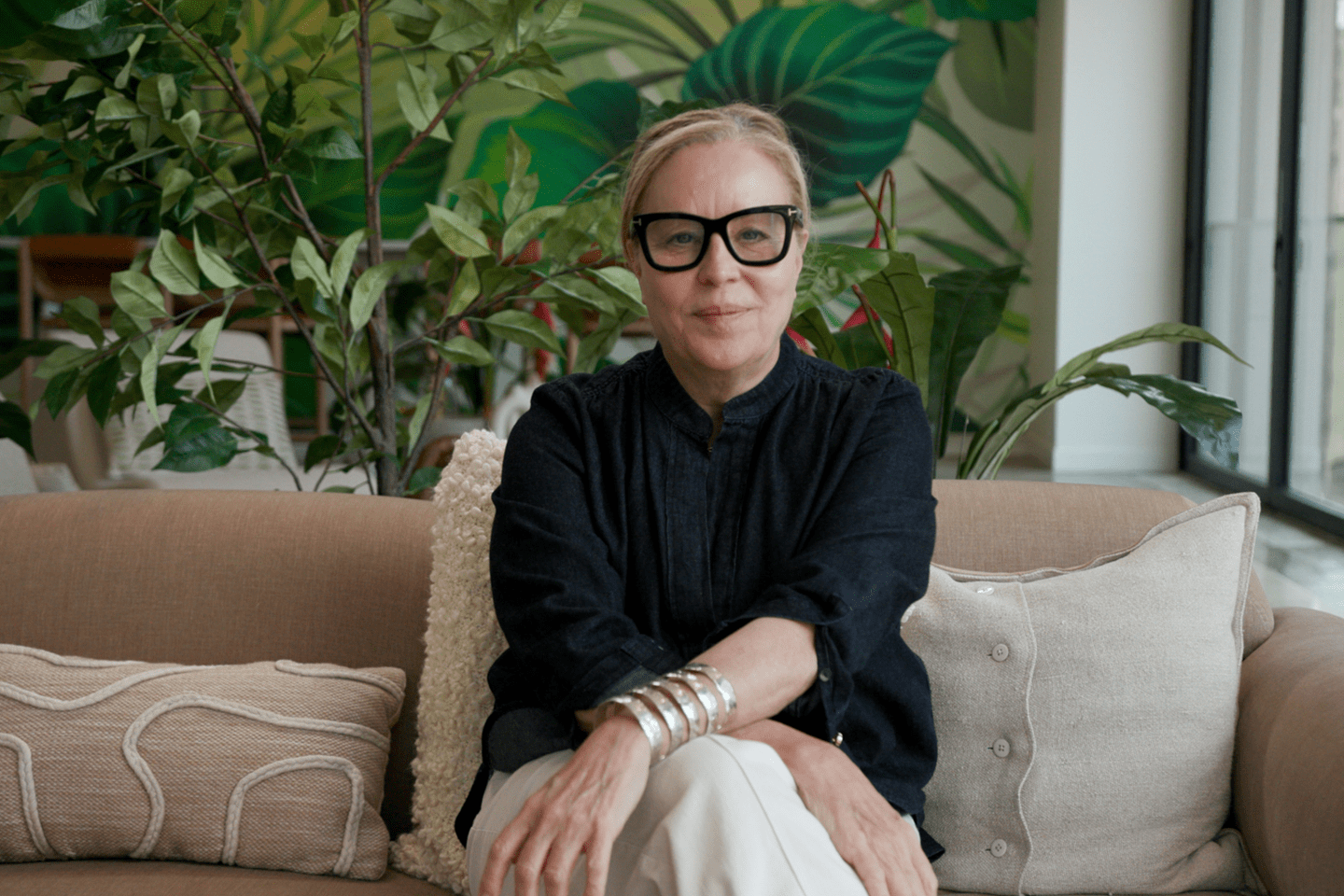
So what’s a consumer brand—caught between business table-stakes and consumer sentiment—to do? We’re seeing one example at Aerie, the $2 billion sub-brand of American Eagle Outfitters. My colleague Phil Wahba has a new story featuring Jen Foyle, now president and executive creative director of American Eagle and Aerie. Foyle joined the company in 2010, and Aerie was only a $225 million brand when she started.
She was responsible for growing Aerie into a powerhouse competitor to Victoria’s Secret. Key to that growth was the brand’s 2014 “Aerie Real” pledge, which promised to embrace “real” bodies and not to retouch models. That was a pioneering choice at the time.
So today’s version of that strategy? A no-AI pledge. “No AI-generated bodies or people,” the brand has promised. It even has a new campaign with Pamela Anderson contrasting the lifelessness of AI models with the vivacity of real women.
“Aerie Real was just celebrating women for who they are,” Foyle told Phil, “and so now we are going to go to the next level with it.”
“Real” has been at the core of the Aerie brand for more than a decade—so it’s a smart choice for the brand. It’s a commitment Aerie needs to be sure about—eagle-eyed consumers would be quick to spot anything that looks like AI at a brand that has promised them otherwise. Read Phil’s full story here for more on this strategy and what’s next for Aerie.
Emma Hinchliffe
emma.hinchliffe@fortune.com
The Most Powerful Women Daily newsletter is Fortune’s daily briefing for and about the women leading the business world. Subscribe here.
ALSO IN THE HEADLINES
Casey Means won't be surgeon general. President Trump has withdrawn the MAHA influencer's nomination, which has been stalled for almost a year. His replacement is Nicole Saphier, a Fox News contributor and radiologist at Memorial Sloan Kettering Cancer Center.
Lessons from America's highest-earning women. Earning more than $775,000 a year puts you in the top 1% of earners in the U.S. According to new research, two-thirds of women who meet that threshold don't consider themselves unique or unusual. They're more likely to be married or have children. One-fifth experienced times in their childhoods when the main breadwinners in their homes were unemployed, the WSJ reports—a higher rate than among women earning salaries in the lower six figures.
What's going on with Lululemon's incoming CEO? Heidi O'Neill hasn't started yet. Wall Street hasn't been happy (the stock fell 13% day of the announcement) and is still concerned about whether the Nike alum is right to be the architect of a major turnaround the brand needs.
Denmark's PM gives up on a wealth tax. Mette Frederiksen had proposed the idea, but with a disappointing result in Denmark's most recent election, she needs the support of the centrist party to form a new government.
ON MY RADAR
Is Yoko Ono still our most radical artist? T Magazine
The Rothschild dynasty survived wars and crises. Will the Epstein files tear it apart? WSJ
Women want to live forever, too: How longevity became women's business Elle
PARTING WORDS
"We focus on inviting you into this whole entire world that really fits into your lifestyle. And I think that goes so far beyond skin care."
— Hailey Bieber on Rhode. The brand is one of Time's 100 most influential companies of 2026.