• Home
  • Latest
  • Fortune 500
  • Finance
  • Tech
  • Leadership
  • Lifestyle
  • Rankings
  • Multimedia
EnergyFood and drink

A global food emergency: Why the closed Strait of Hormuz puts half the world’s calories at risk

By
Aya S. Chacar
Aya S. Chacar
and
The Conversation
The Conversation
Down Arrow Button Icon
By
Aya S. Chacar
Aya S. Chacar
and
The Conversation
The Conversation
Down Arrow Button Icon
April 9, 2026, 12:41 PM ET
iran
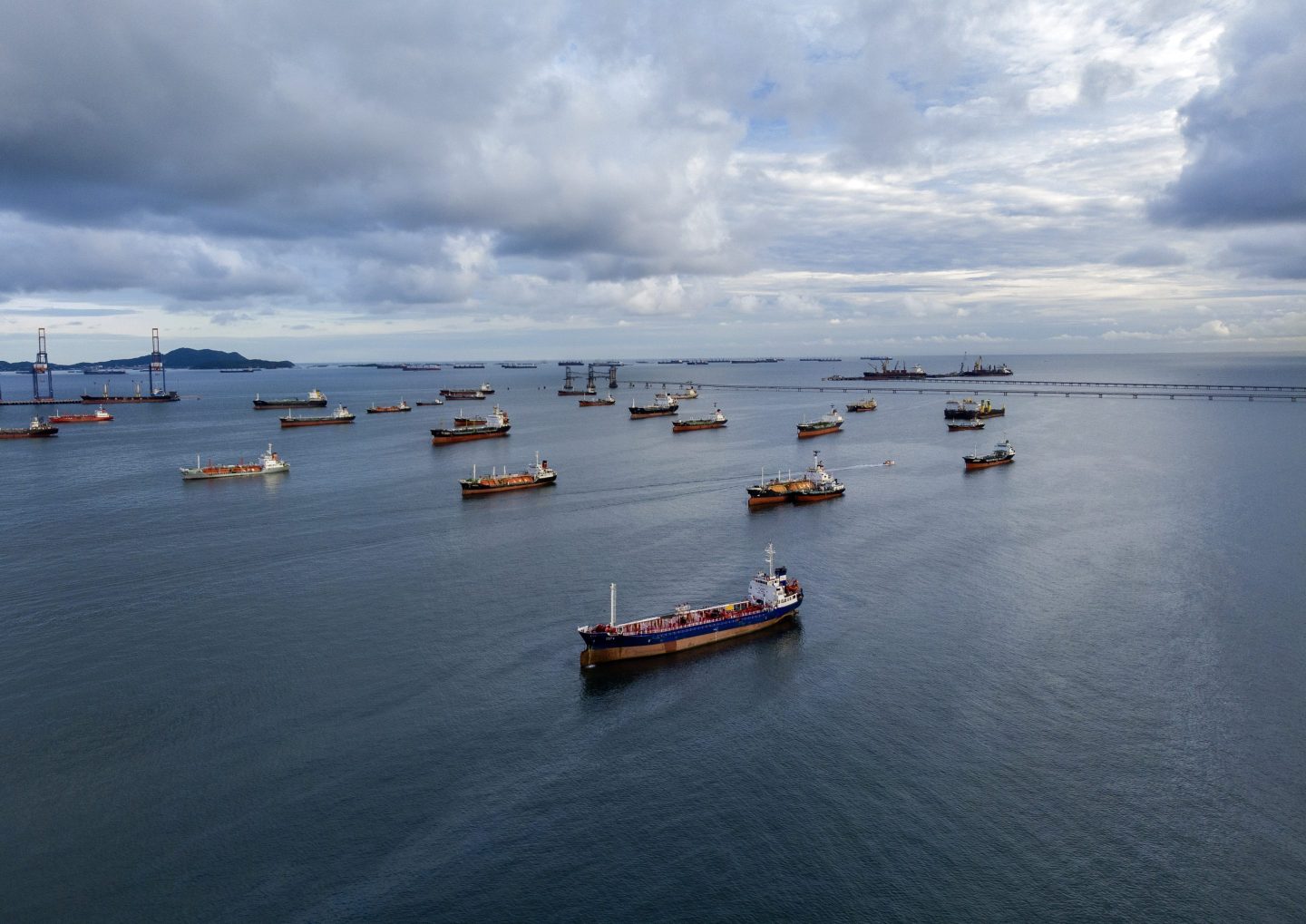
Oil tankers and gas tankers were affected by the closure of the Strait of Hormuz, leading to a global energy crisis stemming from the war in the Middle East.Aerial view

The global energy crisis caused by the closure of the Strait of Hormuz is only the beginning of the economic cost of the war with Iran.

Recommended Video

I study how institutions affect businesses and supply chains, and I expect food prices to rise next, with high prices lasting even after whatever point hostilities end.

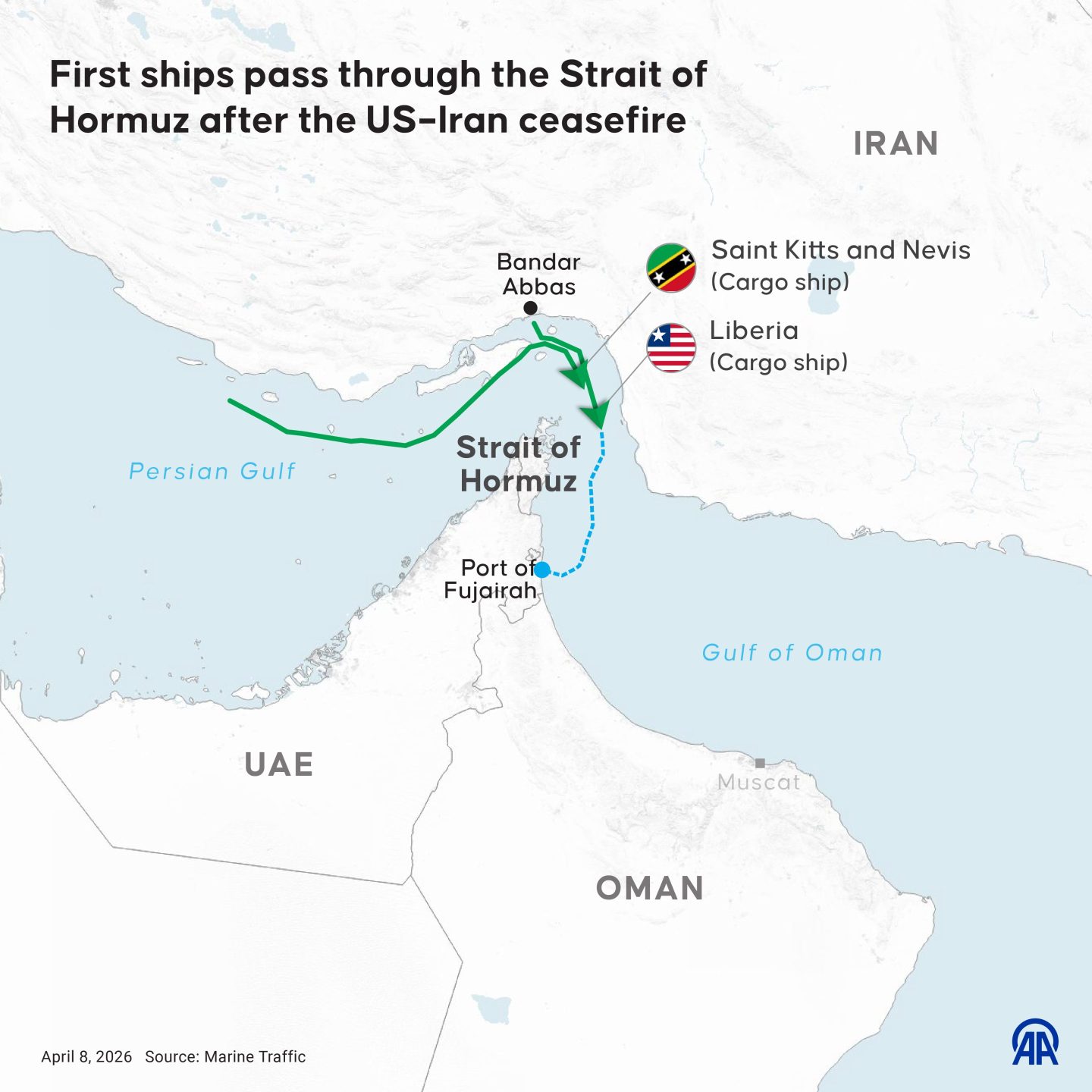
Along with about 20% of the world’s crude oil trade and a similar share of the world’s liquefied natural gas shipments, shipping traffic through the strait also carries roughly a third of internationally traded fertilizer, which is key to bountiful crops around the world.

Modern agriculture depends on precise timing of delivering nutrients to plants. When fertilizer arrives late or becomes too expensive to buy in sufficient quantities, farmers are left to either reduce the amount they use, plant fewer crops or switch to crops that need less fertilizer. Each option reduces overall productivity, cutting supplies of basic foods, feed for livestock and key ingredients used in a wide range of food products.

Ultimately, with corn prices rising, summer barbecues may taste a bit different or cost more. Corn on the cob may not be cheap, nor will corn-fed beef. In addition, many store-bought condiments, soft drinks and other food products are made with high-fructose corn syrup and will also cost more.

A man in a hoodie stands in a field, lifting his ballcap and scratching his head.
Farmers have hard decisions to make about what crops to plant and how much of each. RJ Sangosti/MediaNews Group/The Denver Post via Getty Images

3 main crops, 3 nutrients needed

Three staple crops – corn, wheat and rice – supply more than half of the world’s dietary calories.

To maximize production, those crops need three main nutrients: nitrogen, phosphate and potassium. Nitrogen helps plants grow. Phosphorus helps transport energy within plant cells and is critical for early root growth and the formation of seeds and fruit. Potassium helps plants conserve water and boosts protein content.

The closure of the Strait of Hormuz has reduced the supply and increased the cost of all three.

Natural gas, which determines 70% to 90% of the cost of producing nitrogen fertilizer, has seen a 20% drop in production due to the war and price increases up to 70%. To preserve its own supplies, Russia has suspended exports of ammonium nitrate, another nitrogen source for fertilizer.

In a similar effort, China, the world’s largest phosphate producer, has blocked phosphate exports, removing 25% of the global supply.

Potash, the potassium-rich component of fertilizers, has also been in short supply in recent years, in part because of economic sanctions on Belarus and Russia, which are major potash producers.

As a consequence, fertilizer prices have risen globally. In the U.S., some fertilizers rose more than 40% in just one month after the war’s start in late February 2026. https://www.youtube.com/embed/PkNWSogQzAM?wmode=transparent&start=0 An American farmer talks about the cost of fertilizer amid the war in Iran.

Affecting farmers first

Cereal plants absorb the vast majority of their nitrogen needs during their early growth. Applying fertilizer later in the growth cycle is less effective.

Reducing nitrogen application by 10% to 15%, or delaying application by two to four weeks, can reduce corn yields by 10% to 25%.

Producing less corn and wheat reduces not only food available for humans but also food for livestock. Increased fertilizer costs and reduced grain supplies increase the price of raising livestock, making meat and animal products more expensive.

When feed costs become unsustainable, farmers may be forced to kill or sell off the breeding cows and sows that represent the future of the food supply. In the U.S., a combination of persistent drought and high costs in 2022 forced producers to kill 13.3% of the national beef cow herd, the highest proportion ever. As a result, the U.S. beef cattle inventory shrank to its lowest level since 1962, a problem that restricts beef supplies for years.

Ultimately, the costs are passed to consumers. In 2012, when a historic Midwest drought slashed corn yields by 13%, it triggered a surge in feed prices, and U.S. poultry prices rose 20%.
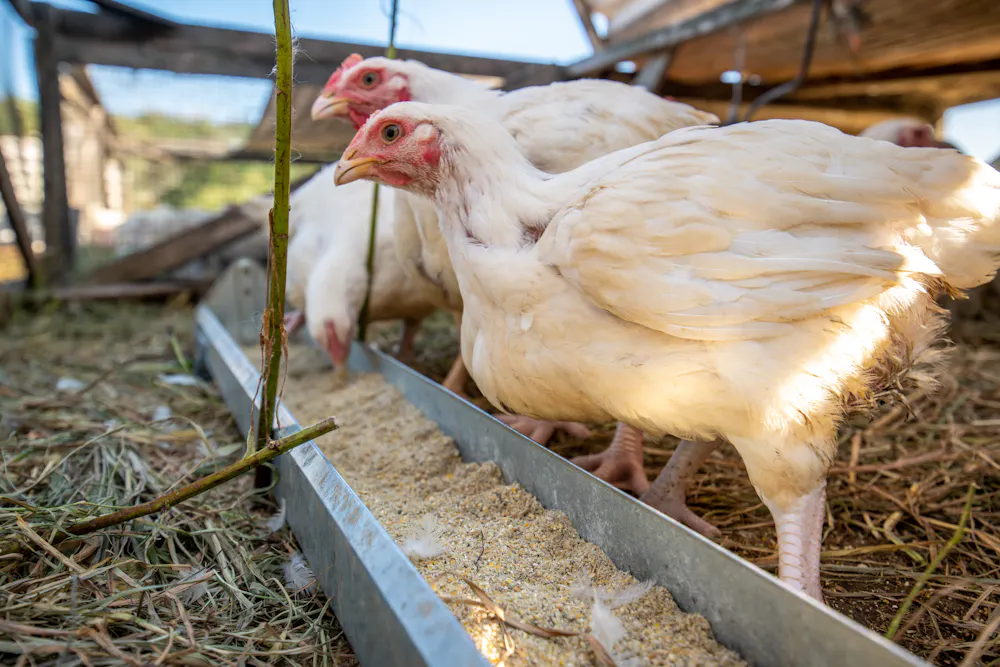
Chickens eat feed from a trough.
The cost of feeding chickens contributes to the cost of their meat. Edwin Remsberg/VWPics/Universal Images Group via Getty Images

More money can’t fix this problem

In mid-March 2026, the U.S. fertilizer supply was around 75% of normal levels. That’s right at the beginning of the time when Corn Belt farmers typically prepare their soil for planting, including the first applications of fertilizer. Subsequent fertilizer applications typically come from mid-April to early May and between late May and mid-June.

Farmers who fear not being able to optimize their corn yields may decide to plant less corn or switch crops and plant soybeans, which need less fertilizer. Either would reduce the corn supply.

Government loan guarantees and aid packages may help farmers cover higher costs, but they cannot address timing if enough fertilizer simply isn’t available when it is needed.

Hitting home

American consumers aren’t facing the gas and food shortages or power outages other countries are seeing from the war, but they will be hit in the pocketbook. U.S. prices for gas and jet fuel are already climbing. The effects on the food supply take longer to appear, but they are coming.

Even when crops are bountiful in the U.S., consumers are not immune to global economic forces. A smaller 2026 crop, with rising demand for livestock feed in some of the most populous countries, including China and India, will put pressure on global corn prices, affecting everyone regardless of their nationality.

In March 2026, the U.S. Department of Agriculture used data from before the Iran war to project a 3.1% average increase for all food prices.

The question for consumers is how much of the rise in corn prices will be passed to the consumer, and how fast.

USDA research shows that the speed and extent of changes in food prices vary widely by food category and the level of processing involved in making the food. Other factors also play a role, such as inventory levels, perishability and market competition. When farm prices change, wholesale prices usually adjust within the first month, but retail prices often take longer – sometimes two to four months.
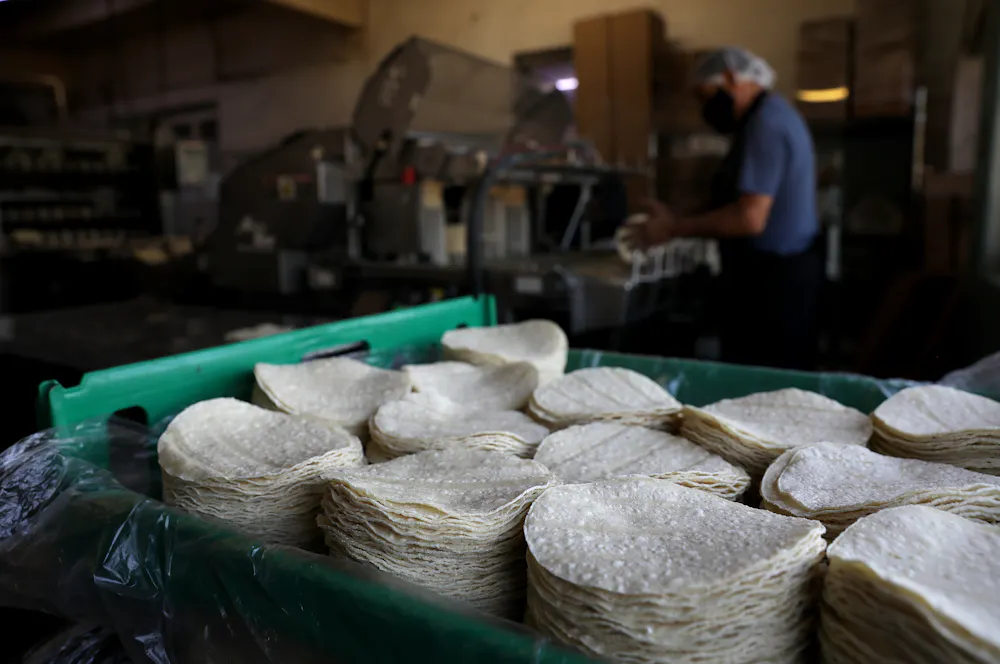
Stacks of round tortillas sit in a plastic carrying crate.
Corn tortilla prices rise relatively quickly when corn prices increase. Christina House/Los Angeles Times via Getty Images

Corn tortillas and other relatively lightly processed corn foods are more likely to show price responses within a few months after corn prices increase. Adjustments to cereals or poultry prices will take a little longer. Changes in the cost of livestock products such as beef will take longer, because there are more steps between the purchase of feed corn and the sale of the meat to consumers.

Other indirect costs, related to the cost of fuel and packaging, tend to hit later. Producers often absorb the price increases in the short term, but some increases are already in the works. For instance, transport companies are adding fuel surcharges on freight shipments.

Food price hikes hit low-income households harder than high-income households, because people with lower incomes spend larger shares of their money on food and housing. For these households, even relatively affordable proteins, such as chicken, may become harder to purchase regularly.

People in a field collect grain.
Farm workers in Sudan begin to harvest sorghum. Tariq Ishaq Musa/Xinhua via Getty Images

A global food emergency

The cost and availability of fertilizer will affect the whole world. More than 300 million people worldwide already do not have enough food. The U.N. World Food Program predicts an additional 45 million could join them by the end of 2026 if the conflict in the Middle East continues into the middle of the year.

Crop yields in India and Brazil in 2026 are expected to be lower than normal. East African farmers struggled to afford fertilizer even before the crisis and will likely have to make do with even less.

These problems may seem removed for most Americans, but food prices are global in nature, and people in the U.S. will soon face these additional costs of the war.

Aya S. Chacar, Professor of International Business, Florida International University

This article is republished from The Conversation under a Creative Commons license. Read the original article.


The Conversation
The Fortune 500 Innovation Forum will convene Fortune 500 executives, U.S. policy officials, top founders, and thought leaders to help define what’s next for the American economy, Nov. 16-17 in Detroit. Apply here.
About the Authors
By Aya S. Chacar
See full bioRight Arrow Button Icon
By The Conversation
See full bioRight Arrow Button Icon

Latest in Energy

Finance
Lorem ipsum dolor sit amet, consectetur adipiscing elit, sed do eiusmod tempor incididunt ut labore et dolore magna aliqua. Ut enim ad minim veniam
By Fortune Editors
October 20, 2025
Finance
Lorem ipsum dolor sit amet, consectetur adipiscing elit, sed do eiusmod tempor incididunt ut labore et dolore magna aliqua. Ut enim ad minim veniam
By Fortune Editors
October 20, 2025
Finance
Lorem ipsum dolor sit amet, consectetur adipiscing elit, sed do eiusmod tempor incididunt ut labore et dolore magna aliqua. Ut enim ad minim veniam
By Fortune Editors
October 20, 2025
Finance
Lorem ipsum dolor sit amet, consectetur adipiscing elit, sed do eiusmod tempor incididunt ut labore et dolore magna aliqua. Ut enim ad minim veniam
By Fortune Editors
October 20, 2025
Finance
Lorem ipsum dolor sit amet, consectetur adipiscing elit, sed do eiusmod tempor incididunt ut labore et dolore magna aliqua. Ut enim ad minim veniam
By Fortune Editors
October 20, 2025
Finance
Lorem ipsum dolor sit amet, consectetur adipiscing elit, sed do eiusmod tempor incididunt ut labore et dolore magna aliqua. Ut enim ad minim veniam
By Fortune Editors
October 20, 2025

Most Popular

Finance
Lorem ipsum dolor sit amet, consectetur adipiscing elit, sed do eiusmod tempor incididunt ut labore et dolore magna aliqua. Ut enim ad minim veniam
By Fortune Editors
October 20, 2025
Finance
Lorem ipsum dolor sit amet, consectetur adipiscing elit, sed do eiusmod tempor incididunt ut labore et dolore magna aliqua. Ut enim ad minim veniam
By Fortune Editors
October 20, 2025
Finance
Lorem ipsum dolor sit amet, consectetur adipiscing elit, sed do eiusmod tempor incididunt ut labore et dolore magna aliqua. Ut enim ad minim veniam
By Fortune Editors
October 20, 2025
Finance
Lorem ipsum dolor sit amet, consectetur adipiscing elit, sed do eiusmod tempor incididunt ut labore et dolore magna aliqua. Ut enim ad minim veniam
By Fortune Editors
October 20, 2025
Finance
Lorem ipsum dolor sit amet, consectetur adipiscing elit, sed do eiusmod tempor incididunt ut labore et dolore magna aliqua. Ut enim ad minim veniam
By Fortune Editors
October 20, 2025
Finance
Lorem ipsum dolor sit amet, consectetur adipiscing elit, sed do eiusmod tempor incididunt ut labore et dolore magna aliqua. Ut enim ad minim veniam
By Fortune Editors
October 20, 2025
Fortune Secondary Logo
Rankings
  • 100 Best Companies
  • Fortune 500
  • Global 500
  • Fortune 500 Europe
  • Most Powerful Women
  • Future 50
  • World’s Most Admired Companies
  • See All Rankings
Sections
  • Finance
  • Fortune Crypto
  • Features
  • Leadership
  • Health
  • Commentary
  • Success
  • Retail
  • Mpw
  • Tech
  • Lifestyle
  • CEO Initiative
  • Asia
  • Politics
  • Conferences
  • Europe
  • Newsletters
  • Personal Finance
  • Environment
  • Magazine
  • Education
Customer Support
  • Frequently Asked Questions
  • Customer Service Portal
  • Privacy Policy
  • Terms Of Use
  • Single Issues For Purchase
  • International Print
Commercial Services
  • Advertising
  • Fortune Brand Studio
  • Fortune Analytics
  • Fortune Conferences
  • Business Development
  • Group Subscriptions
About Us
  • About Us
  • Editorial Calendar
  • Press Center
  • Work At Fortune
  • Diversity And Inclusion
  • Terms And Conditions
  • Site Map
  • About Us
  • Editorial Calendar
  • Press Center
  • Work At Fortune
  • Diversity And Inclusion
  • Terms And Conditions
  • Site Map
  • Facebook icon
  • Twitter icon
  • LinkedIn icon
  • Instagram icon
  • Pinterest icon

Latest in Energy

Only five ships crossed the Strait of Hormuz Thursday, far below Iran’s pledge as negotiations begin
EnergyIran
Only five ships crossed the Strait of Hormuz Thursday, far below Iran’s pledge as negotiations begin
By Eva RoytburgApril 9, 2026
1 hour ago
iran
EnergyFood and drink
A global food emergency: Why the closed Strait of Hormuz puts half the world’s calories at risk
By Aya S. Chacar and The ConversationApril 9, 2026
3 hours ago
Willie Walsh, wearing a blue suit, looks to his right with his mouth slightly open.
EnergyAviation
Jet fuel supply disruptions are comparable to 9/11 and could take months to replenish even if Hormuz Strait is reopening, airline trade group warns
By Sasha RogelbergApril 9, 2026
4 hours ago
xi jinping
EnergyChina
Deutsche Bank says China is energy ‘winner’ in age of war
By Ishika Mookerjee and BloombergApril 9, 2026
5 hours ago
hormuz
AsiaIran
Hormuz traffic still blocked as Iran tries to formalize control
By Alex Longley, Weilun Soon, Julian Lee and BloombergApril 9, 2026
5 hours ago
oil
EnergyOil
Goldman flags $100-plus Brent if Hormuz shut another month
By Jake Lloyd-Smith and BloombergApril 9, 2026
5 hours ago

Most Popular

U.S. government is spending $88 billion a month in interest on national debt—equal to spending on defense and education combined
Economy
U.S. government is spending $88 billion a month in interest on national debt—equal to spending on defense and education combined
By Fortune EditorsApril 9, 2026
9 hours ago
The U.S. had a national debt ‘home run’ in its grasp, says Jamie Dimon. But the government did nothing, and now its best option is crisis management
Economy
The U.S. had a national debt ‘home run’ in its grasp, says Jamie Dimon. But the government did nothing, and now its best option is crisis management
By Fortune EditorsApril 8, 2026
1 day ago
2 years ago, Saudi Arabia quietly canceled the ‘petrodollar’ deal with America that wired the world economy for 50 years. Then war broke out in Iran
Energy
2 years ago, Saudi Arabia quietly canceled the ‘petrodollar’ deal with America that wired the world economy for 50 years. Then war broke out in Iran
By Fortune EditorsApril 7, 2026
2 days ago
Self-made billionaire MrBeast says his work-life balance is nonexistent and calls it a ‘miracle’ if he works less than 15-hour days: ‘I live to work’
Success
Self-made billionaire MrBeast says his work-life balance is nonexistent and calls it a ‘miracle’ if he works less than 15-hour days: ‘I live to work’
By Fortune EditorsApril 8, 2026
1 day ago
MacKenzie Scott's latest donation takes her HBCU giving to well over $1 billion
Success
MacKenzie Scott's latest donation takes her HBCU giving to well over $1 billion
By Fortune EditorsApril 7, 2026
2 days ago
Gen Z workers are so fearful AI will take their job they’re intentionally sabotaging their company’s AI rollout
AI
Gen Z workers are so fearful AI will take their job they’re intentionally sabotaging their company’s AI rollout
By Fortune EditorsApril 8, 2026
1 day ago

© 2026 Fortune Media IP Limited. All Rights Reserved. Use of this site constitutes acceptance of our Terms of Use and Privacy Policy | CA Notice at Collection and Privacy Notice | Do Not Sell/Share My Personal Information
FORTUNE is a trademark of Fortune Media IP Limited, registered in the U.S. and other countries. FORTUNE may receive compensation for some links to products and services on this website. Offers may be subject to change without notice.