
There’s a lot of noise about a gender gap in AI; Sheryl Sandberg’s Lean In just made closing that gap the centerpiece of its mission after its research found that 33% of men use AI daily, compared to 27% of women. If AI is the skillset required to advance in the workforce, and women are not gaining those skills (or perceived as having them), that will negatively impact the progress of women in the workplace.
But the full picture is a little more complicated. Chief just put out its own survey on women and AI, which surfaced some even more interesting findings. Eighty percent of women leaders surveyed said they are playing an active strategic role in their organization’s AI efforts. The highest share of them—31%—are serving as a “regulator,” evaluating their company’s AI governance, ethics, and responsible implementation. A smaller share (25%) are designing overall AI strategy and adoption. The survey mostly tapped women with at least 15 years work experience who have held a VP role or higher.
These women leaders are questioning the framing of an AI gender gap. Eighty-three percent believe that “being cautious about AI adoption is a sign of good leadership, not resistance to technology.” Sixty-eight percent are not seeing that point of view reflected across their company; they say that executive leadership and boards prioritize AI adoption speed over sustainable workforce implementation. Meanwhile, women’s top concerns are “judgment erosion” and “capability loss.”
Long term, they see warning signs for a pipeline of women leaders—but not because women aren’t using AI. Rather, 69% of women leaders say their company has reduced entry-level and early-career hiring as AI tackles those responsibilities. Ways they’re addressing this challenge include ensuring their junior employees still develop skills while AI handles entry-level tasks, deciding who is accountable when an AI agent’s output fails, and working to preserve organizational culture as agents take on work previously handled by humans.
Chief frames its findings this way: “Women aren’t slow adopters; they’re early governance architects.” As the conversation about women and AI continues, these findings are worth keeping in mind. Designing AI implementation isn’t the only way to determine the technology’s future.
Emma Hinchliffe
emma.hinchliffe@fortune.com
The Most Powerful Women Daily newsletter is Fortune’s daily briefing for and about the women leading the business world. Subscribe here.
ALSO IN THE HEADLINES
Sephora tapped Alysa Liu for her first major beauty partnership. "Alysa Liu loves her stripes," the campaign reads—a nod to Liu's striped hair and Sephora's striped logo. Liu already set the beauty industry abuzz when she used a Rare Beauty lip oil before accepting her Olympic gold medal.
Hillary Clinton just weighed in on the affordability crisis. In a NYT op-ed, she proposes five policies that would help parents and families (child tax credit, paid family leave, early childhood education, regulation of AI to help as today's kids grow up and enter the workforce). And she calls out a recent comment by President Trump at a private lunch: "We’re fighting wars. We can’t take care of day care."
The White House won't sign off on a U.S. bid for the 2031 Women's World Cup. Trump wants FIFA to institute a policy first barring transgender women from competing, the Athletic reports, inspired by a recent policy enacted by the International Olympic Committee.
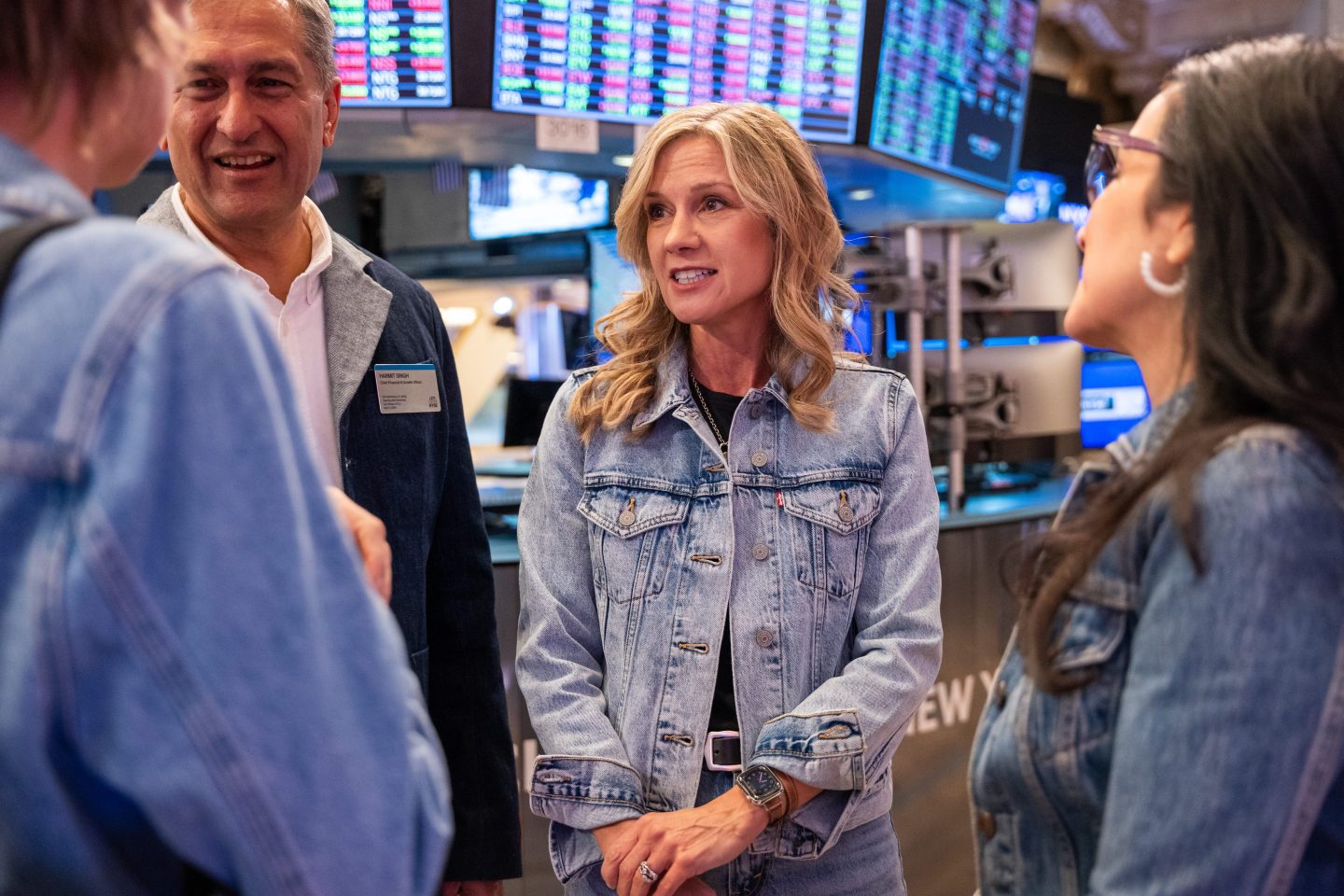
The right job for the right CEO. My colleague Phil Wahba chats with Levi Strauss & Co. CEO Michelle Gass about why the job is going so well. The gig plays to her strengths, while her tenure as Kohl's CEO was rockier and beleaguered by activists. Levi's taps into her consumer brand expertise from her days at Starbucks, compared to Kohl's retail focus; of course, that retail experience is now also serving Gass well as Levi's opens more of its own stores.
ON MY RADAR
Robby Hoffman has learned to give herself the green light Harper's Bazaar
Abortion clinics are closing nationwide. Could urgent care help fill in the gap? NPR
Behind a former Hartbeat CEO's bet on BuzzFeed channels WSJ
PARTING WORDS
"Even if I can just do squats in the gym or, you know, go road biking, I’ll be happy."
— Lindsey Vonn on her recovery from her scary Olympic crash