The labor market is growing more uncertain: Companies are laying off staffers in droves, job openings have screeched to a halt, and unemployment has been ticking up. It’s left very few workers confident that their livelihoods are on solid ground.
Only 22% of workers globally strongly agreed that their jobs were safe from elimination in 2025, according to a recent report from ADP Research based on responses from more than 39,000 professionals worldwide.
And rock-bottom confidence is hitting some professions more than others.
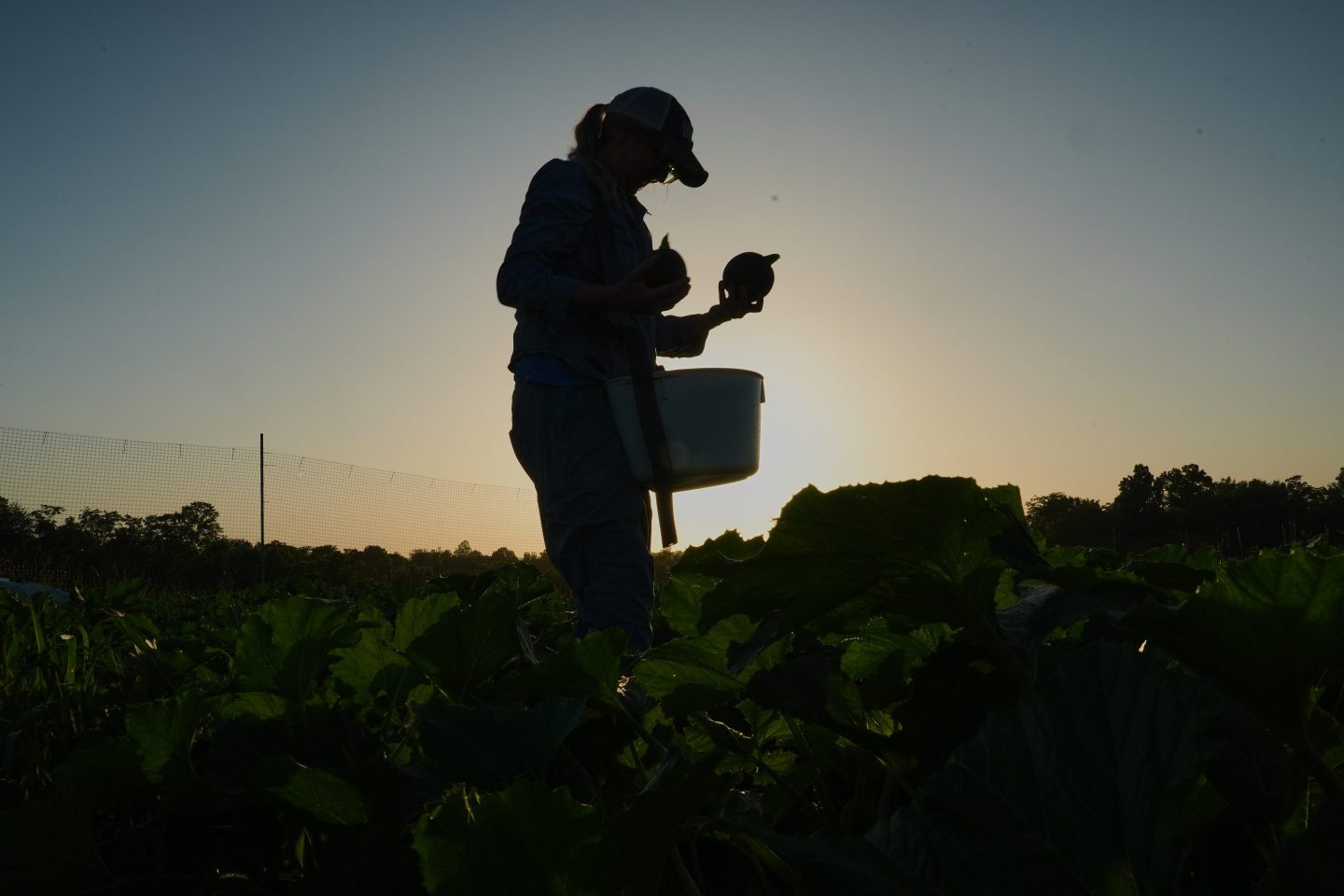
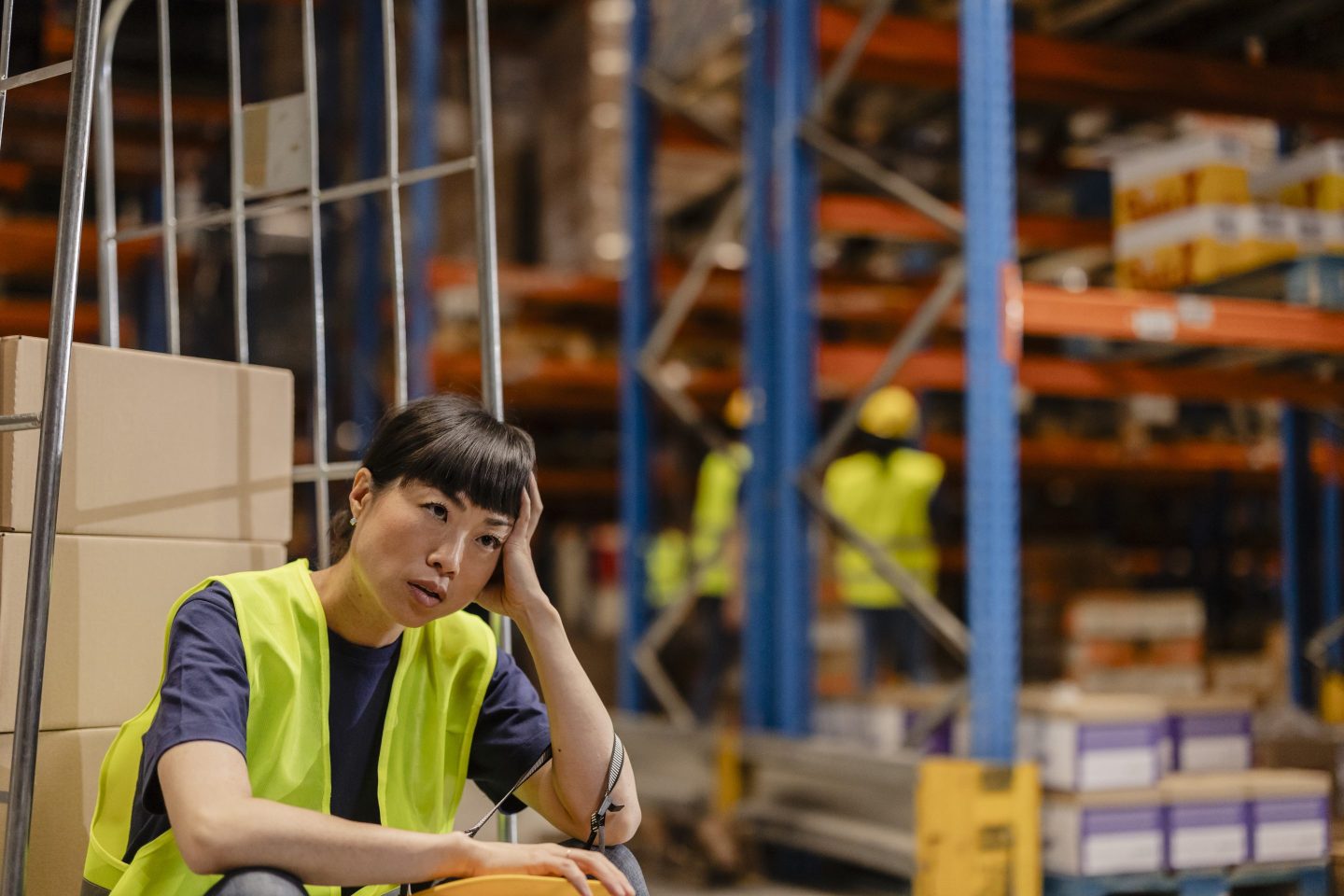
Very few repetitive task workers in jobs like manufacturing (12%), construction (15%), and transportation and warehousing (16%) felt confident their jobs were secure last year. And there’s a whole host of reasons why these professionals, who clock in to perform the same duties everyday, could be scared of getting the boot.
Warehouse and manufacturing workers on edge
Automation has increasingly swept through warehouses around the world; Amazon already has a fleet of at least 75,000 robots identifying, packing, and shipping millions of orders daily.
Repetitive task workers are also typically lower-paid staffers at the bottom of the business hierarchy, more vulnerable to the whims of the market and their employers. Mary Hayes, PhD, director of research of people and performance at ADP Research, tells Fortune that many workers may believe their current skill set won’t be valuable in a handful of years, heightening that feeling of uncertainty.
“Lower feelings of security could be because a lot of jobs are changing faster than the workers,” Hayes says. “Different skills are necessary to adapt to these changes.”
Meanwhile, knowledge workers were a bit more optimistic about their job security; 39% of these specialized finance and insurance workers, 35% of health care and social assistance employees, and 32% of technology services staffers strongly agreed their jobs were safe from being cut last year.
The report notes that these sectors employ more knowledge workers—who use their expertise to create something new—as opposed to manufacturing and warehousing, which lean on repetitive task workers.
U.S. women are least confident in their job security
While there are some discrepancies between job type and industry, workers all around the world were largely unconfident that their jobs were safe in 2025. Both men and women were largely in agreement; 24% of each group in Latin America, and 21% and 22% of men and women in Europe, were confident their roles were secure.
However, the picture is different in the U.S.
Men in North America (29%) were significantly more likely than women in the region (22%) to confidently say their jobs were protected last year, according to the report. And in the U.S., the gap is even more stark; 31% of American men felt their roles were secure compared to just 23% of women—an 8% difference.
“The job security differences between men and women are relatively small except within the United States, which has a difference of 8% between the genders,” Hayes explains. “When we start to dig deeper into this lack of confidence it may be attributed to the industry or the type of work being performed, job level, or even the tenure within an organization.”
Hayes says it’s hard to say why women appear less confident, but zooming out on their position in the labor force, their anxiety is understandable.
During December 2025, 81,000 people left the workforce—and those losses were entirely working women, according to an analysis by the National Women’s Law Center. Around 91,000 women were taken off payroll that month, while 10,000 men got jobs. Throughout 2025, women’s labor-force size increased by 184,000, while men’s representation shot up by 572,000.
Plus, the jobs that women hold are three times more likely to be automated by AI, according to 2025 data from United Nations’ International Labour Organization (ILO) and Poland’s National Research Institute (NASK). In higher-income nations, jobs with the highest risk of AI automation make up about 9.6% of women’s jobs, compared to just 3.5% of roles held by men.
Traditionally female-dominated gigs like clerical and administrative work are the most at risk, according to the report, which could be why working women are feeling the AI job tremors.