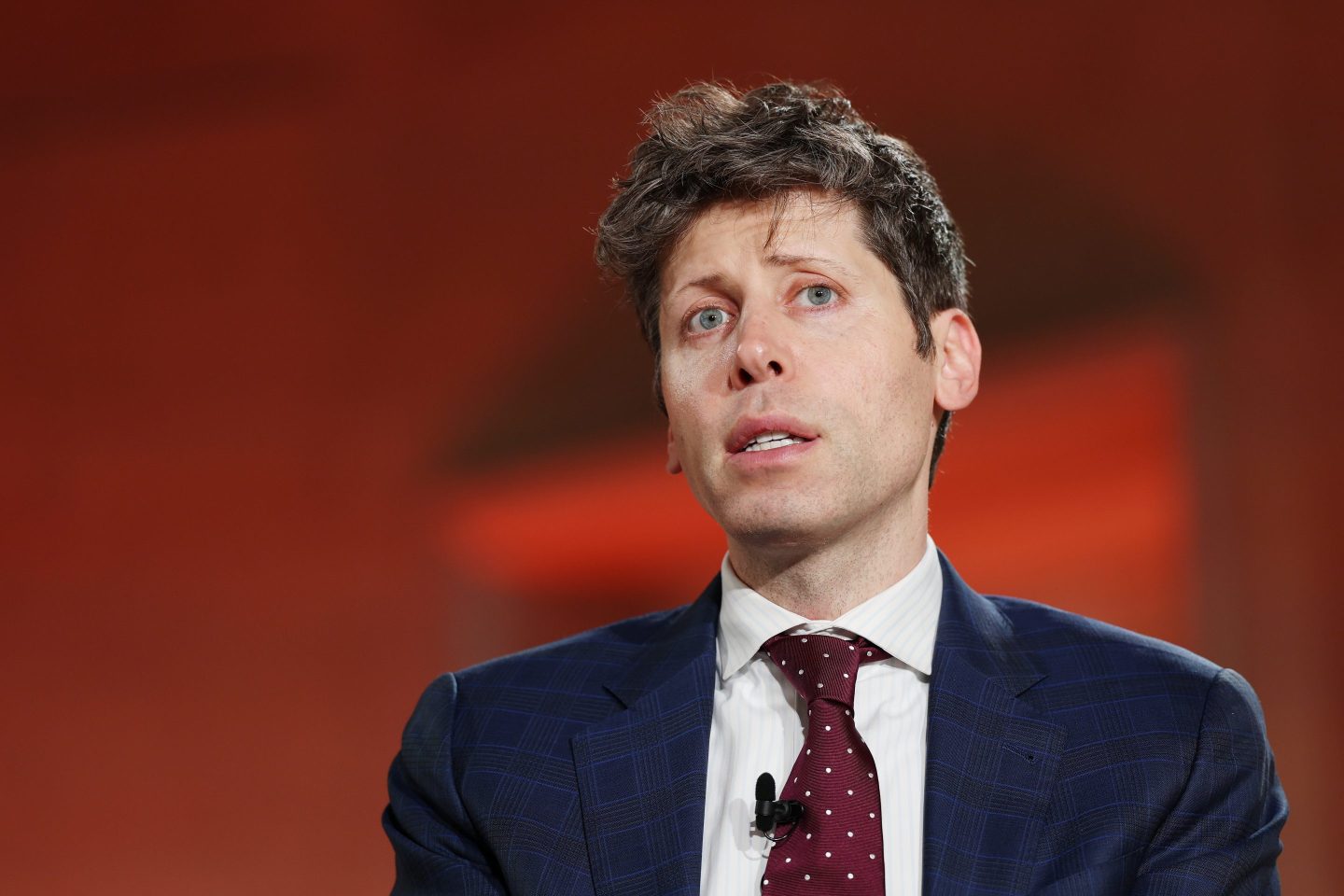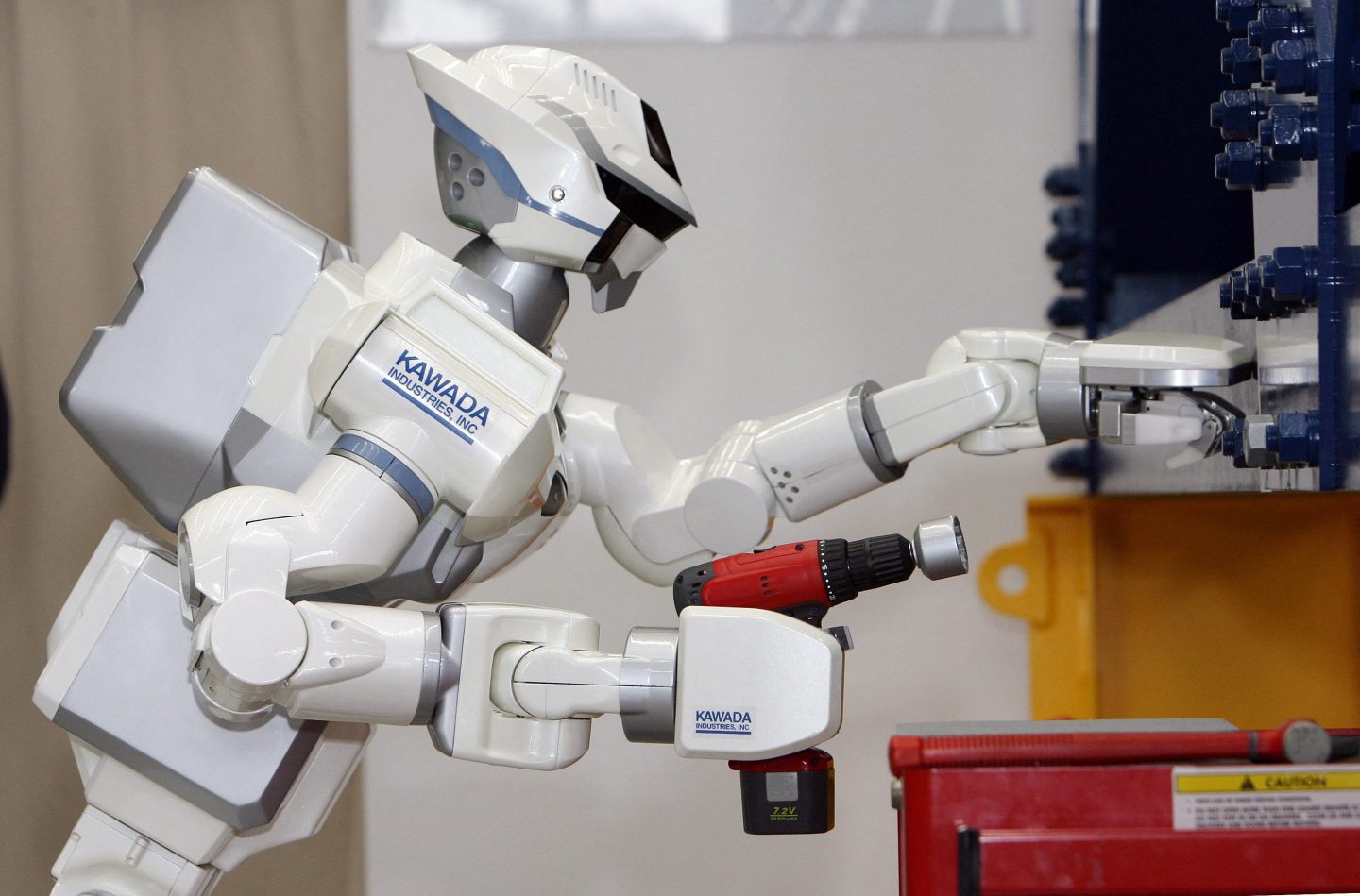
Sam Altman wants Washington to tax AI’s winners — and he’s put it in writing.
On Monday, OpenAI released a 13-page paper entitled “Industrial Policy for the Intelligence Age: Ideas to Keep People First.” It offers a sweeping policy blueprint that proposes tax hikes on corporate income, among other revenue-boosting levers that shift the tax burden from labor to capital.
“Policymakers could rebalance the tax base by increasing reliance on capital-based revenues—such as higher taxes on capital gains at the top, corporate income, or targeted measures on sustained AI-driven returns—and by exploring new approaches such as taxes related to automated labor,” the report reads.
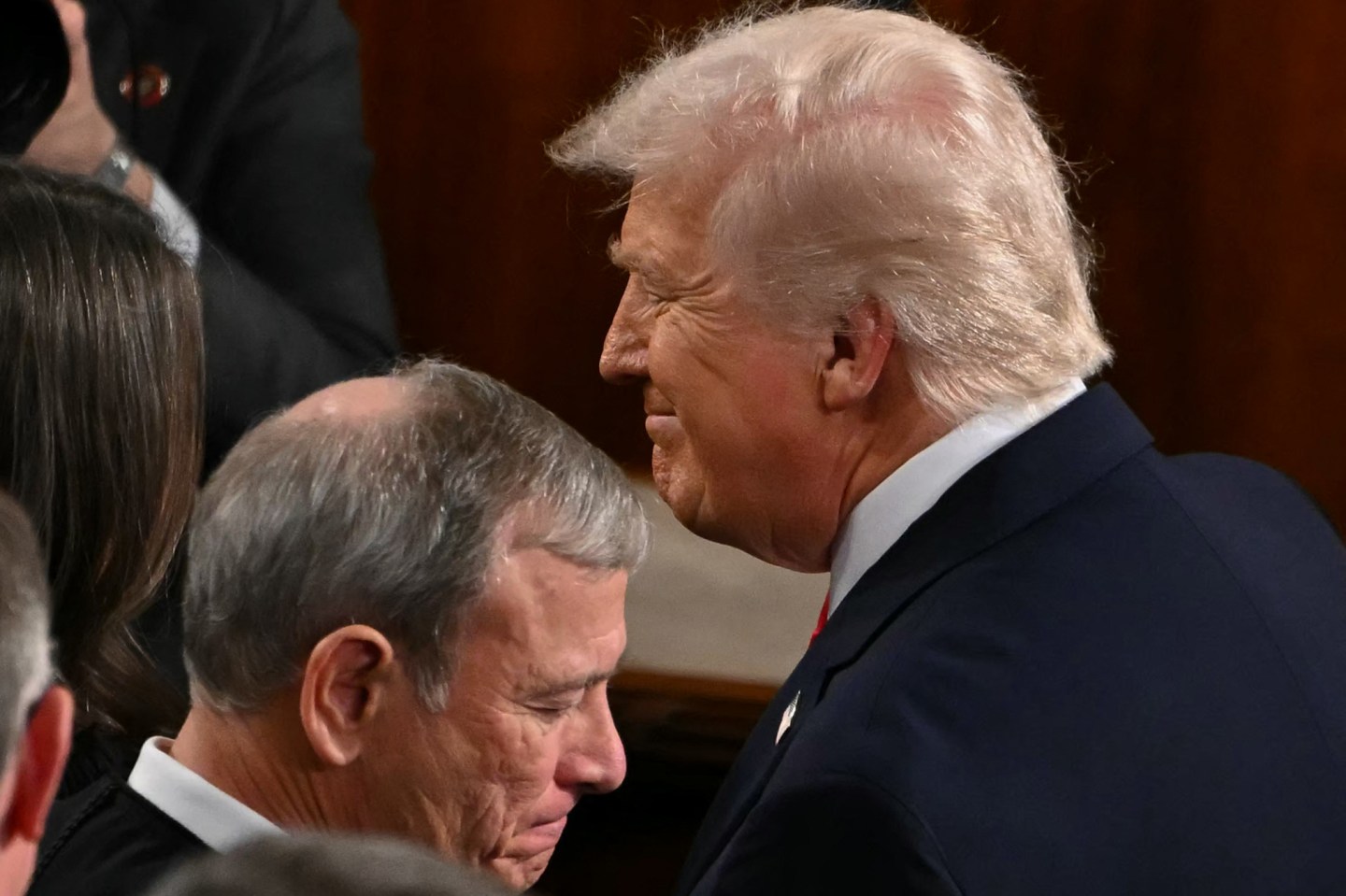
Even in the face of relentless warnings about AI’s presumed labor market disruption, the Trump administration has doubled down on an anti-regulatory stance on the technology’s development. In December, President Donald Trump signed an executive order reducing “burdensome” state rule and preventing “cumbersome regulation.”
Fortune reached out to OpenAI for comment, inquiring about the AI policy proposal.
The four-day work week, retraining, and a public wealth fund
The proposal goes beyond mere tax policy. It offers a series of policies meant to focus the gains of AI on workers, including incentivizing firms to “retain, retrain, and invest in workers,” a four-day work week without a pay cut, and the creation of a “public wealth fund” that provides all U.S. citizens a stake in AI economic growth.
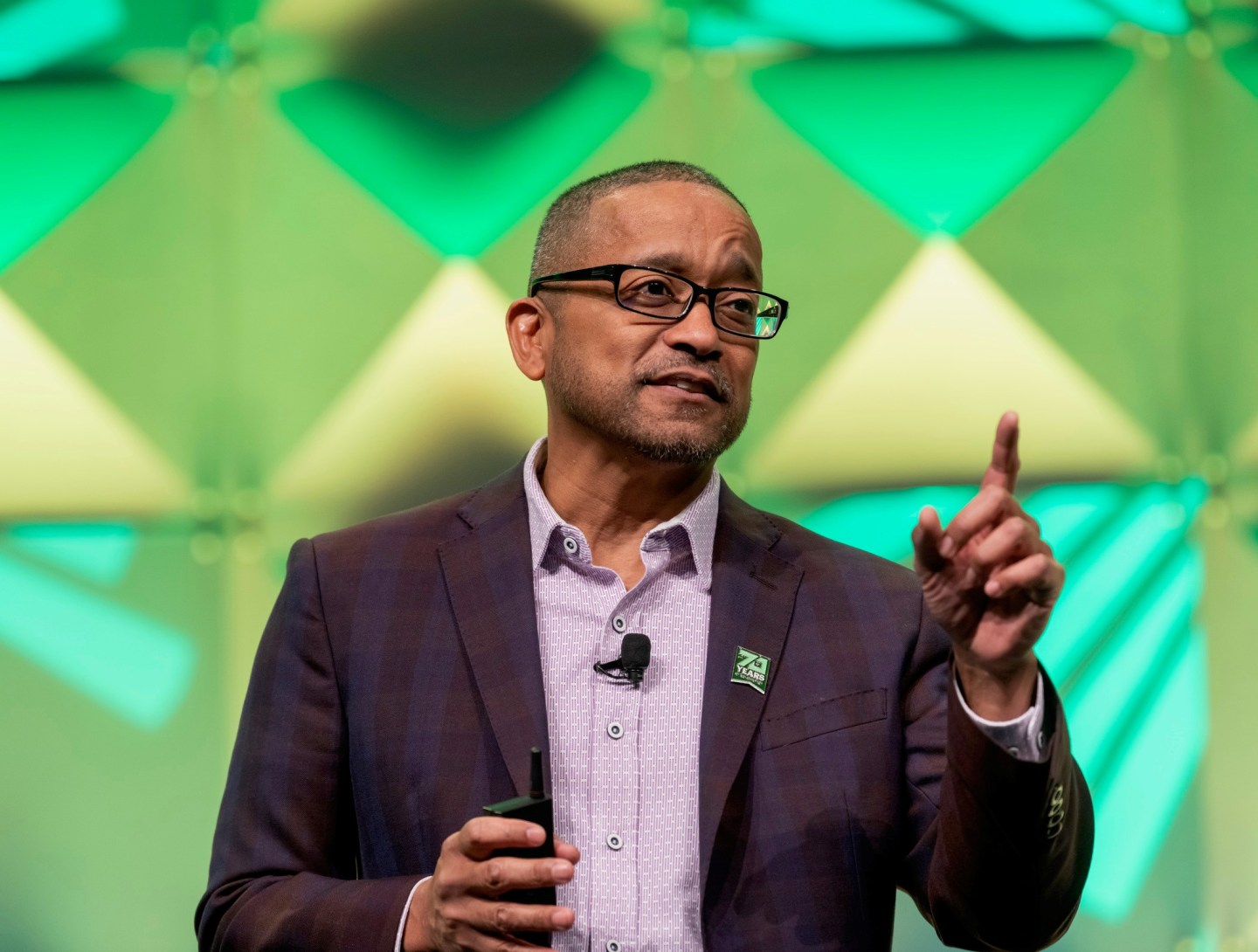
Many of those policies sound like proposals coming from top leaders in business. JPMorgan Chase CEO Jamie Dimon also thinks AI will shave the work week down to three and a half days, and improve life, even curing some cancers. But he’s just as wary as Altman and other business leaders about the technology’s impact on the labor market. He has said he thinks the government should have the power to intervene in blocking AI-induced layoffs. And last month, the billionaire proposed a government-business incentive program meant to cushion workers impacted by AI-related job displacement.
“I don’t know the answer yet, but I would suggest it’s the following: It can’t be just government. It’s got to be business,” Dimon said in an interview at the Hill and Valley Forum. “But the government could create a system of incentives that business does the right thing to retrain people, early retirement, moving people.”
In an interview with Axios, Altman recounted a conversation with a “senior Republican” who admitted that while they typically support free markets, they recognize that AI is seriously disrupting the economy.
“Capitalism has depended on some balance between labor and capital,” he said, citing the Republican. “Way too much leverage is going to be with capital and not with labor in the traditional sense.”
The CEO has flip-flopped on regulation in the past. In 2023, Altman testified before Congress, urging the government to implement regulations for AI and emphasizing its potential risks. But less than a year ago, he appeared again in front of a Congress composed of those largely favorable to him, and called for regulation, but regulation that “does not slow us down.” His comments Monday mark a contrast to those delivered before Congress even a year ago.
Akin to the New Deal and Progressive Era
Many of these ideas, though, remain mere ideas. The president and the Republican-controlled Congress don’t appear to have an appetite for AI regulation. While Congress passed, and Trump signed the TAKE IT DOWN Act, a law regulating deepfakes, other efforts discourage strong regulation. The president last month released an AI policy framework for Congress that echoes his executive order, meant to build on efforts to protect children, but to discourage strong state laws that “hinder our national competitiveness.” However, the framework also includes a proposal meant to ensure workers benefit from AI growth through skill development and retraining.
But it’s not the first time, OpenAI argues, that technology has threatened to leave workers behind, requiring strong regulation. The paper compares the current moment to the New Deal and Progressive Era.
“Society has navigated major technological transitions before, but not without real disruption and dislocation along the way,” the paper reads. “While those transitions ultimately created more prosperity, they required proactive political choices to ensure that growth translated into broader opportunity and greater security.”