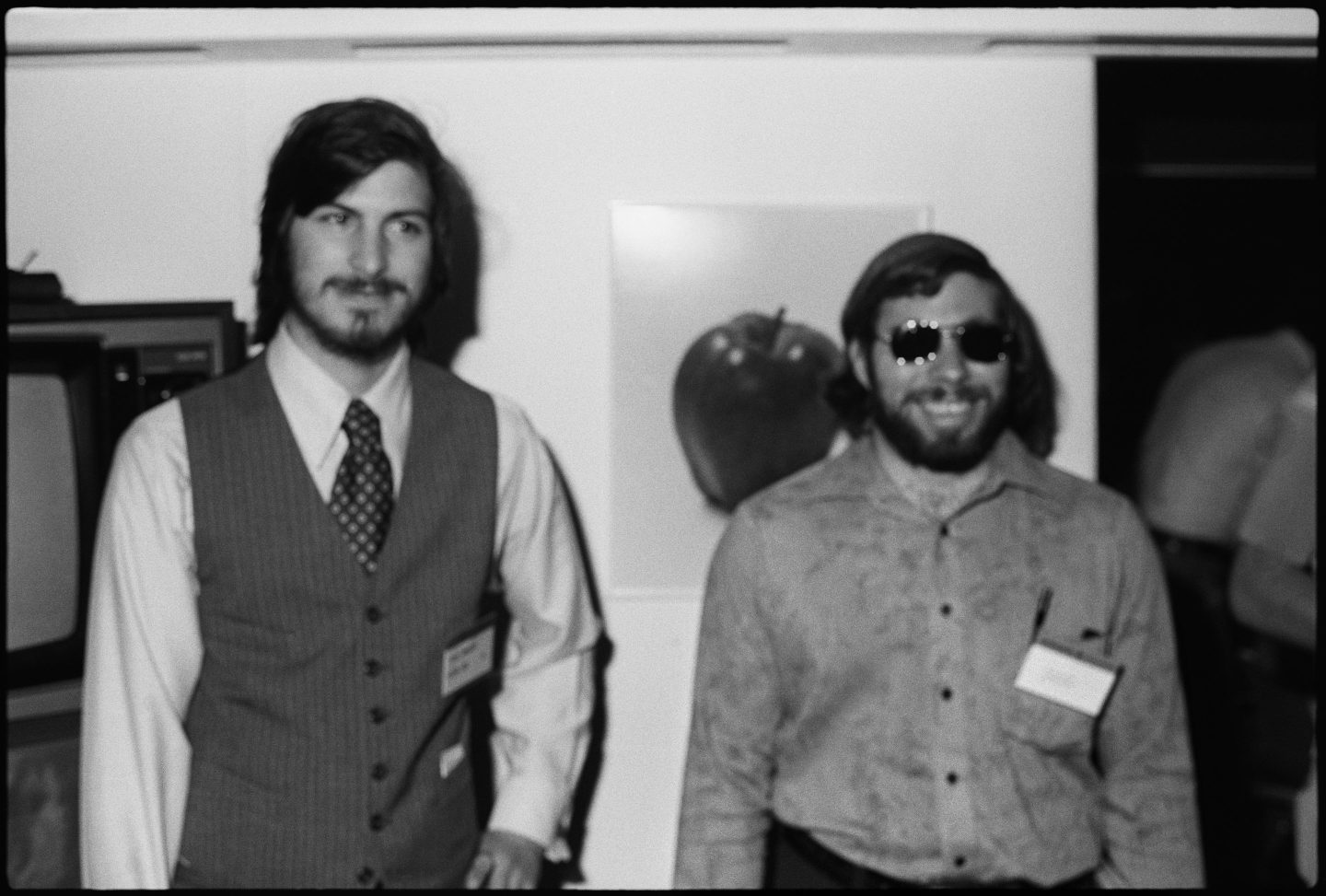
In a couple of days, Apple will turn 50. April 1, 1976—the day Steve Jobs, Steve Wozniak, and Ronald Wayne formed a partnership in California—is now half a century behind us, and the company they created is No. 4 on the Fortune 500, a multitrillion‑dollar behemoth. Billions of devices in pockets, on wrists, and on desks have made Apple a ubiquitous brand in much of the world—and a stock that anchors retirement portfolios and index funds.
But in January 1981, Apple was just a freshly public “personal computer” maker. That year, Fortune’s Susie Gharib profiled the investment bank that helped usher Apple onto Wall Street, Hambrecht & Quist. The then-13‑year‑old San Francisco firm that co‑managed Apple’s IPO alongside Morgan Stanley specialized in backing small, high‑technology companies that other investors considered too risky or too niche. Part venture firm, part boutique tech investment bank, H&Q was a precursor to Andreessen Horowitz (a16z) and its ilk.
George Quist was the “son of a milkwagon driver” and William R. Hambrecht’s father was a Mobil Oil manager, Gharib wrote. The two became “kindred entrepreneurial spirits” after finding their way to venture capital. One fateful evening, over “a couple of drinks and a couple of bottles of wine,” the two men discovered a shared interest in funding “smaller technical companies,” and hatched a plan to start their own firm. They raised $1 million from two backers in one day.
But it wasn’t always smooth sailing for H&Q, Gharib wrote. “When the equity market fizzled in 1974,” she explained, they “got jittery,” liquidated part of their VC portfolio, and took out a $2 million personal loan. “They cut their own salaries in half and closed their New York office. Hambrecht put his 17-room Marin County house up for sale, but there were no takers. ‘In 1974,’ he says, ‘we used to sleep every other night.’”
Gharib’s story is a reminder that Apple’s coming‑of‑age wasn’t just about engineering and product vision; it was also about an emerging financial ecosystem, and risk-taking bankers willing to treat a garage project as a future blue chip.
The numbers in that 1981 article now sound almost quaint. When Apple went public at $22 a share, Jobs, Wozniak, chairman Mike Markkula, and president Michael Scott suddenly found themselves paper multimillionaires. Back then, the fiercest argument was whether Apple was overpriced at a $1.2 billion valuation. Now, Apple’s revenues are counted in the hundreds of billions and its market value in the trillions.
As for H&Q, Chase Manhattan Corporation purchased the firm in 1999 for $1.35 billion. Quist died the year after Gharib’s article, in 1982. Hambrecht went on to help Google, Adobe, and dozens of other tech firms go public.