
In the home of the American Dream, approximately one in five adults believes it’s morally wrong to sit on vast sums of wealth. That being said, the vast majority of Americans argue being uber-rich isn’t a matter of ethics.
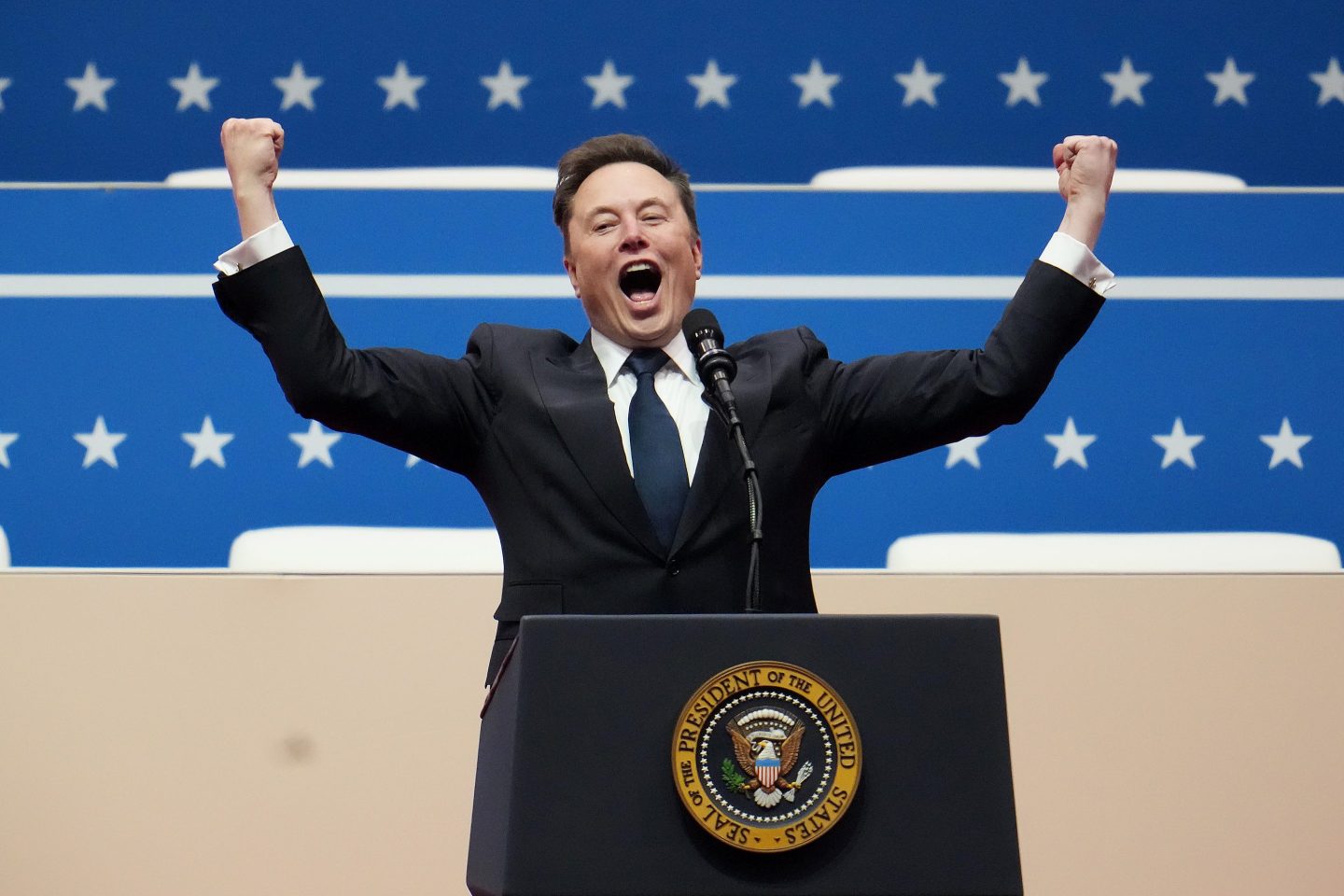
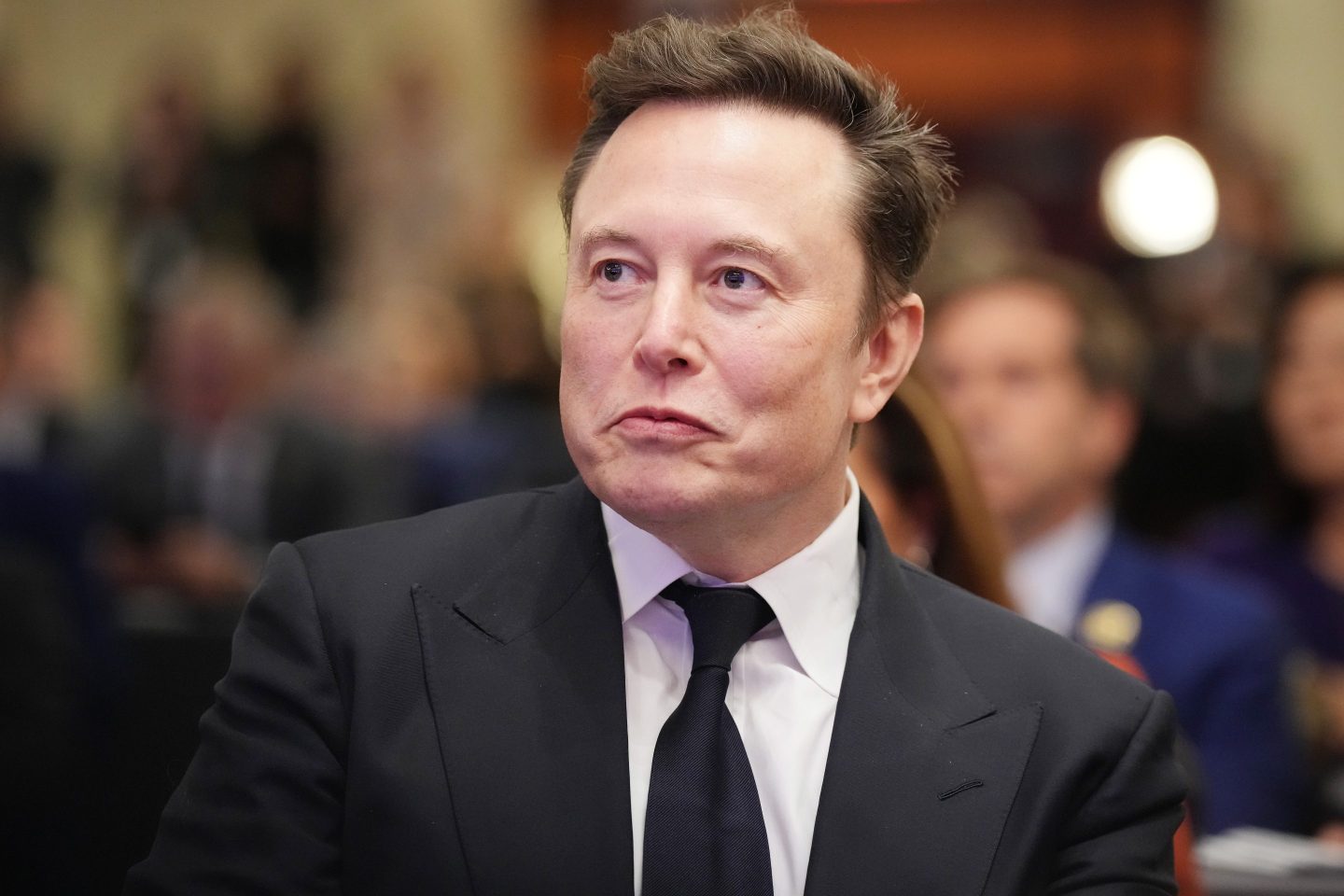
There have never been more billionaires on the planet than in 2026: According to an Oxfam report released earlier this year, there are now more than 3,000 people sitting on 10-digit fortunes. Leading the ranks is Tesla CEO Elon Musk, who has a net worth of $659 billion, followed by Alphabet cofounder Larry Page at $264 billion. Fellow Alphabet founder Sergey Brin comes next, followed by Amazon’s Jeff Bezos and Meta’s Mark Zuckerberg.
However, 18% of average Americans would say their vast sums of wealth is “morally wrong.”
A survey released Thursday by Pew Research asked more than 3,000 people their opinions on the ethics of certain issues. On being “extremely rich” (as defined by having billions of dollars) the majority—63%—argued it was not an ethical question. Indeed, a further 18% said being a billionaire was perfectly ethical.
There’s also a stark shift in opinion by age. People aged between 18 and 29, who are Gen Z, were the most likely to find extreme wealth distasteful. One-third said it was morally wrong. That strength of opinion wanes the older the respondents get: 20% of Millennials aged 30 to 49 said being a billionaire was wrong, while Gen X and baby boomers came in at 11% and 10% respectively.
The difference in opinion between the oldest and youngest respondents was most dramatic on the issue of wealth, compared with other subjects Pew asked the public about. The issue Americans felt was most morally wrong, across the board, was having an affair while married.
Tax the rich
Even if they don’t find billionaires morally repugnant, the vast majority of Americans still want to see the wealth gap in the U.S. reduced. Indeed, wealth distribution in the U.S. has increasingly diverged over time: Per Federal Reserve data, in 2020, of the $103 trillion total in assets, $12.08 trillion was held by the country’s top 0.1%. A further $18.05 trillion was held by the top 99 to 99.9%. Meanwhile, the bottom 50% in total held just $1.89 trillion.
Fast-forward to the latest data, for Q3 2025, the top 0.1% holds $24.89 trillion of the total $172.9 trillion. The top 99 to 99.9% holds approximately $30 trillion, while the bottom 50% holds $4.25 trillion.
Asked earlier this year by YouGov whether the wealth gap is a very big problem, 52% agreed. A further 28% said it was a big problem. Moreover, 59% of citizens said the government should step in to reduce wealth inequality—62% of Americans say the tax rate on billionaires is either much too low (46%) or too low (16%).
In fact, some of the world’s millionaires and billionaires themselves appealed to world leaders at Davos this year to address the wealth gap. In an open letter, they wrote: “Tax us. Tax the super rich.”
The letter, organised by the Patriotic Millionaires organization, Millionaires for Humanity, and Oxfam, was signed by the likes of Abby and Tim Disney, and actor Mark Ruffalo. It read: “We all know this. When even millionaires, like us, recognise that extreme wealth has cost everyone else everything else, there can be no doubt that society is dangerously teetering off the edge of a precipice.”