In the year 2000, the population of Nigeria was 125 million people. The number of fixed telephone lines was officially 700,000 but, of those, it is likely just 500,000 actually worked. The country was a communication desert, with a tele-density (a key metric of economic development) languishing at 0.4 lines per 100 habitants. In America it was 68.4.
A quarter of a century later and Nigeria, the sixth-most populous country in the world, is a lesson in the ‘straight to mobile’ journey of many emerging economies. In 2025, the number of mobile connections hovered around 200m for a population of 237m people.
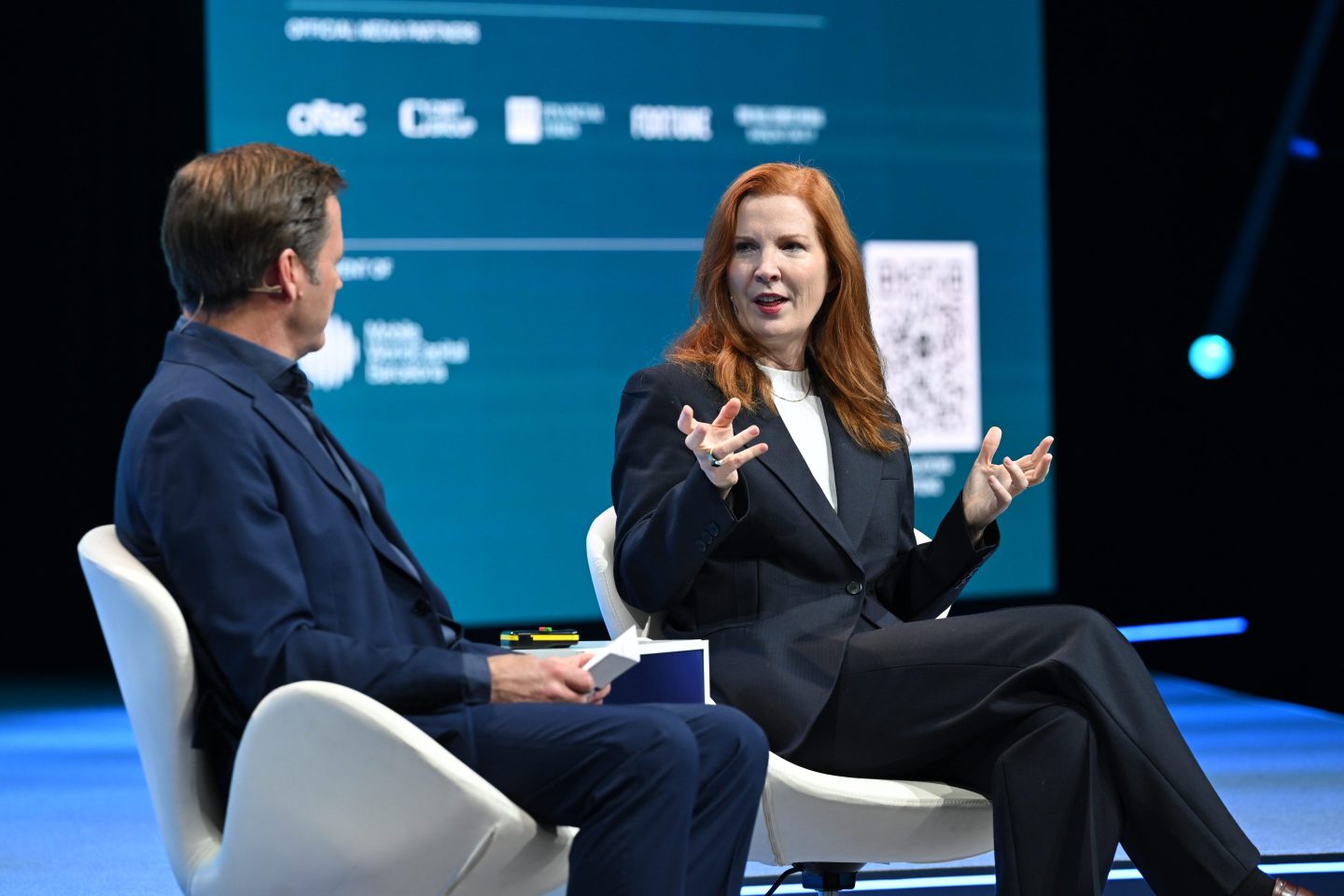
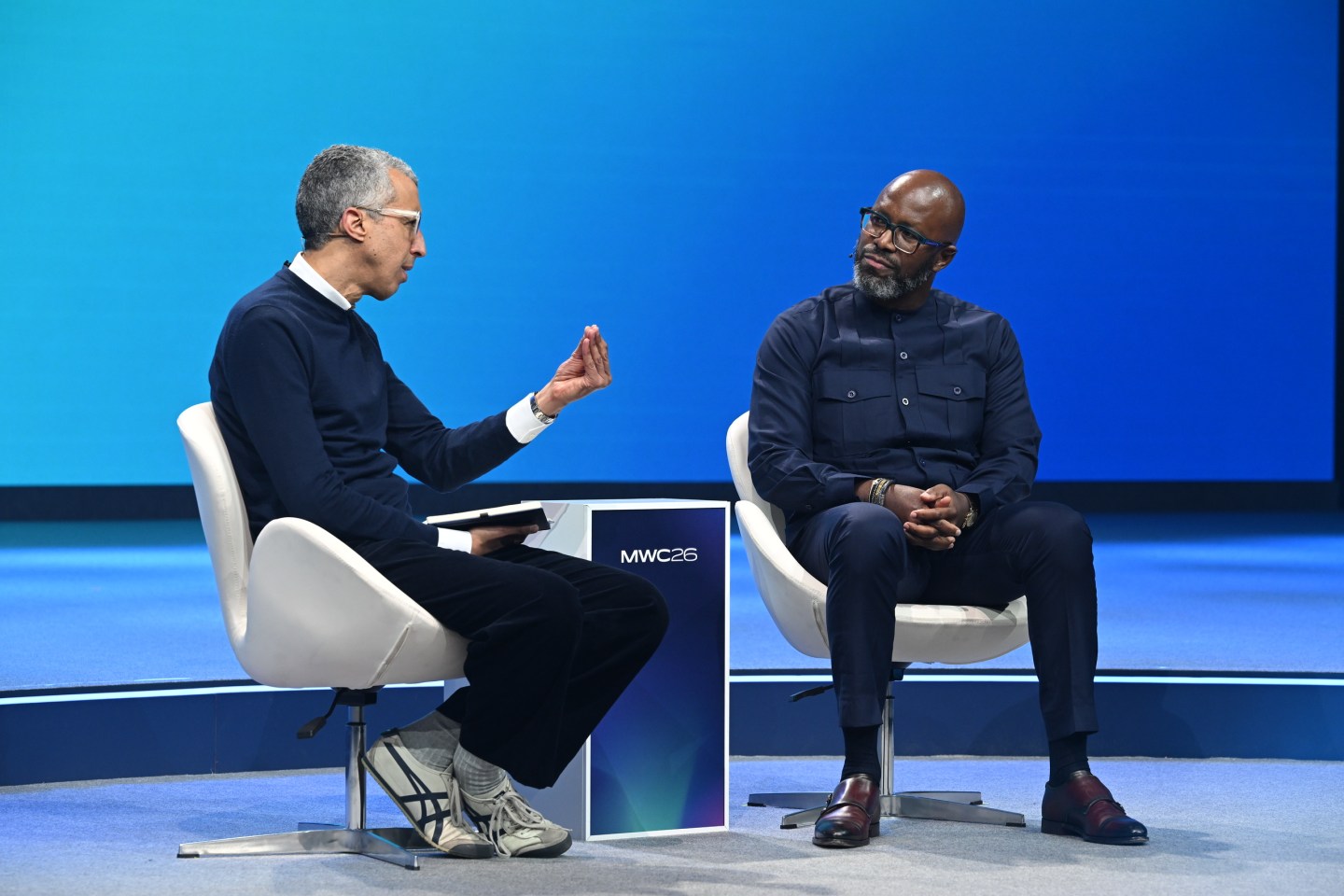
“There has been a massive wireless revolution,” Ralph Mupita, chief executive of MTN, Africa’s largest mobile provider, told me at the Mobile World Congress in Barcelona. Banking and other financial services have followed as people have transferred to mobile payment systems. “We are using technology to leapfrog and to move ahead. When you think about Africa—by 2040 the median age will be 19. Technology will be what gets Africa to its full potential.”
Analysts wonder ‘what next’ when it comes to mapping out the future. The answer is often all around them. MTN is expanding into digital service provision (gaming and music), infrastructure (fiber and datacenters) and mobile money products—often with partners such as Microsoft, Mastercard and the African Development Bank. ‘All service’ telecommunications has moved the sector on from companies that simply own ‘dumb pipes’.
We should not get ahead of ourselves. Mupita says that 40% of MTN’s 300 million customers are “still in the voice era” and “have not yet experienced the internet”. 6G is a conversation for another time, as carriers focus on 4G and 5G capabilities. “How does the Global South not get left behind?” he asks, saying that the growth story for Africa relies on low-cost product and service options, global openness to partnerships and common standards. “It is a great opportunity.”
“We are using technology to leapfrog and to move ahead. When you think about Africa—by 2040 the median age will be 19. Technology will be what gets Africa to its full potential.”
Ralph Mupita, chief executive of MTN
Young populations and lack of legacy thinking (and structures) is now an advantage for many emerging economies. When Sundar Pichai, the chief executive of Alphabet, visited New Delhi for the India AI Impact Summit in February, the excitement was as high among the 70,000 strong crowds as for any Bollywood star or first-order cricketer. With excitement comes economic momentum.
“India followed the world on 4G, but we marched with the world on 5G,” Jyotiraditya Scindia, India’s Minister of Communications, said on stage at MWC. “We had one of the fastest rollouts of 5G in the world—500,000 base stations, close to a $4 billion capex program, and 99.9% of districts covered today. The price of mobile data in India, which a decade ago was at $3 per GB (gigabyte) today has dropped to nine cents per GB, a 97% drop.”
Matthew Oomen, the CEO of Jio Platforms, part of the Indian Reliance Group, describes this as the “intelligence economy”. The 20th century was dominated by the industrial economy, this century will be dominated by technology.
“India followed the world on 4G, but we marched with the world on 5G”
Jyotiraditya Scindia, India’s Minister of Communications
“It is a complete reset,” Oomen said. “It is about leveraging the full capability, not incrementalization. You will have to embed intelligence into the energy sector, the transportation, the finance, the national defense and the security sectors.”
“And for all of these sectors—these critical economic, vibrant sectors—the foundational layer is going to be the telecom layer, because when you build infrastructure at scale, you will build intelligence at scale. Now, our planet, our world—that’s our home. We are the guardians of that home and there is a responsibility for each one of us in making sure that we manage those critical resources the right way.”
Water use, sustainable energy, and the production of food will all be influenced by the way we approach artificial intelligence. Elon Musk has talked about a new era of plenty. Ezra Klein wrote a book titled Abundance. There were skeptical voices at MWC, pointing out the failures of AI projects as well as the opportunities. The digital divide is real. Technological revolutions can bring economic transformation, particularly for those nations and geographies that have too often been left behind in the past.