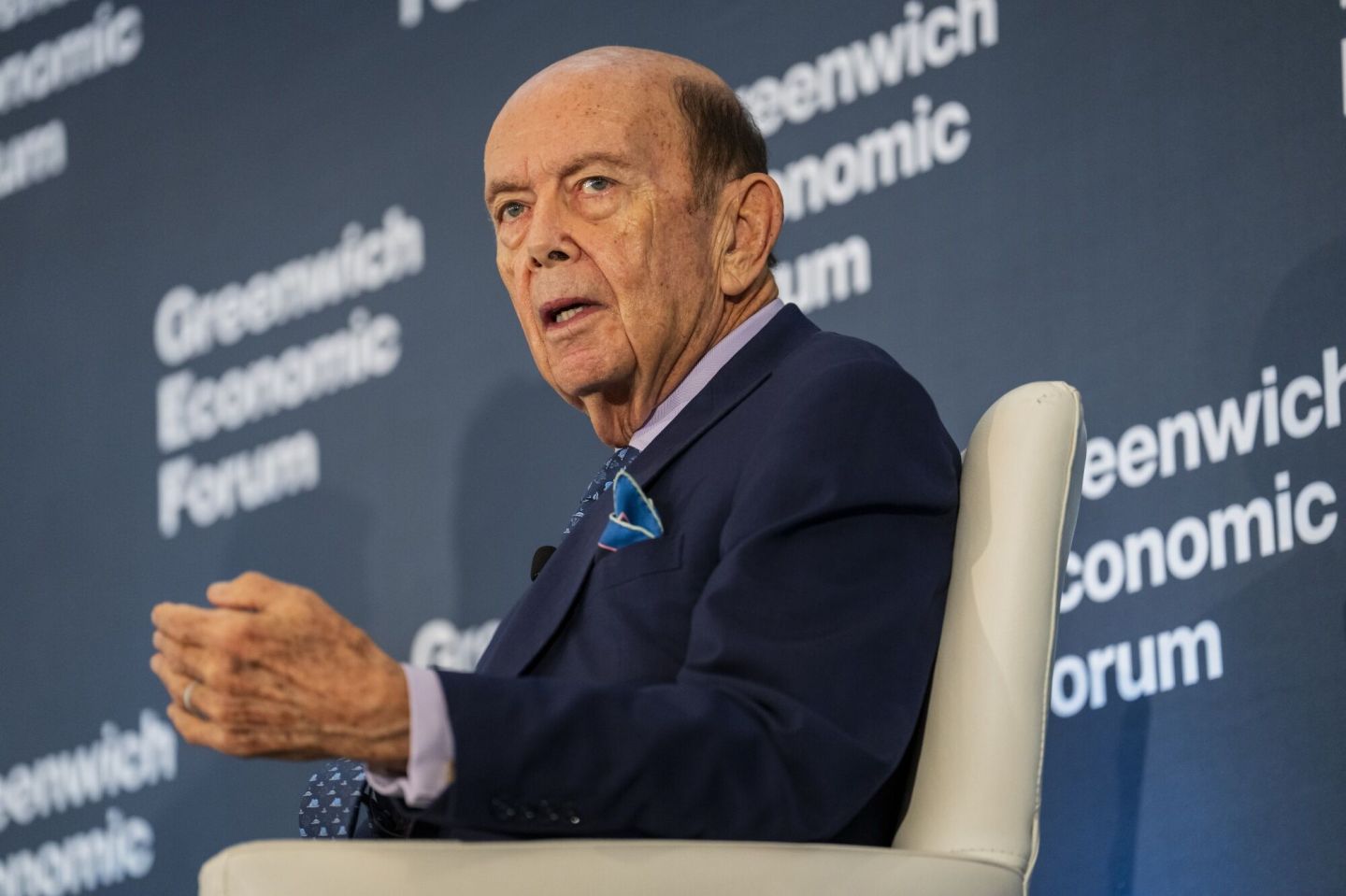
China and Russia have been notably absent from the Middle Eastern conflict, after the U.S. and Israel launched joint attacks on Iran over the weekend. Both Russia and China have condemned the military action that killed Iran’s Supreme Leader, Ali Khamenei, but haven’t been forthcoming with any support for their ally beyond verbal statements. What’s more, Iran shouldn’t expect either global power to come to its aid, said Trump’s former Commerce Secretary, Wilbur Ross.
Ross, who served the duration of the first Trump administration, believes the president’s military campaign in Iran has been a relative success so far, with key objectives achievable within the next month or so. More important, the display has demonstrated to global rivals how effective the U.S. military can be.
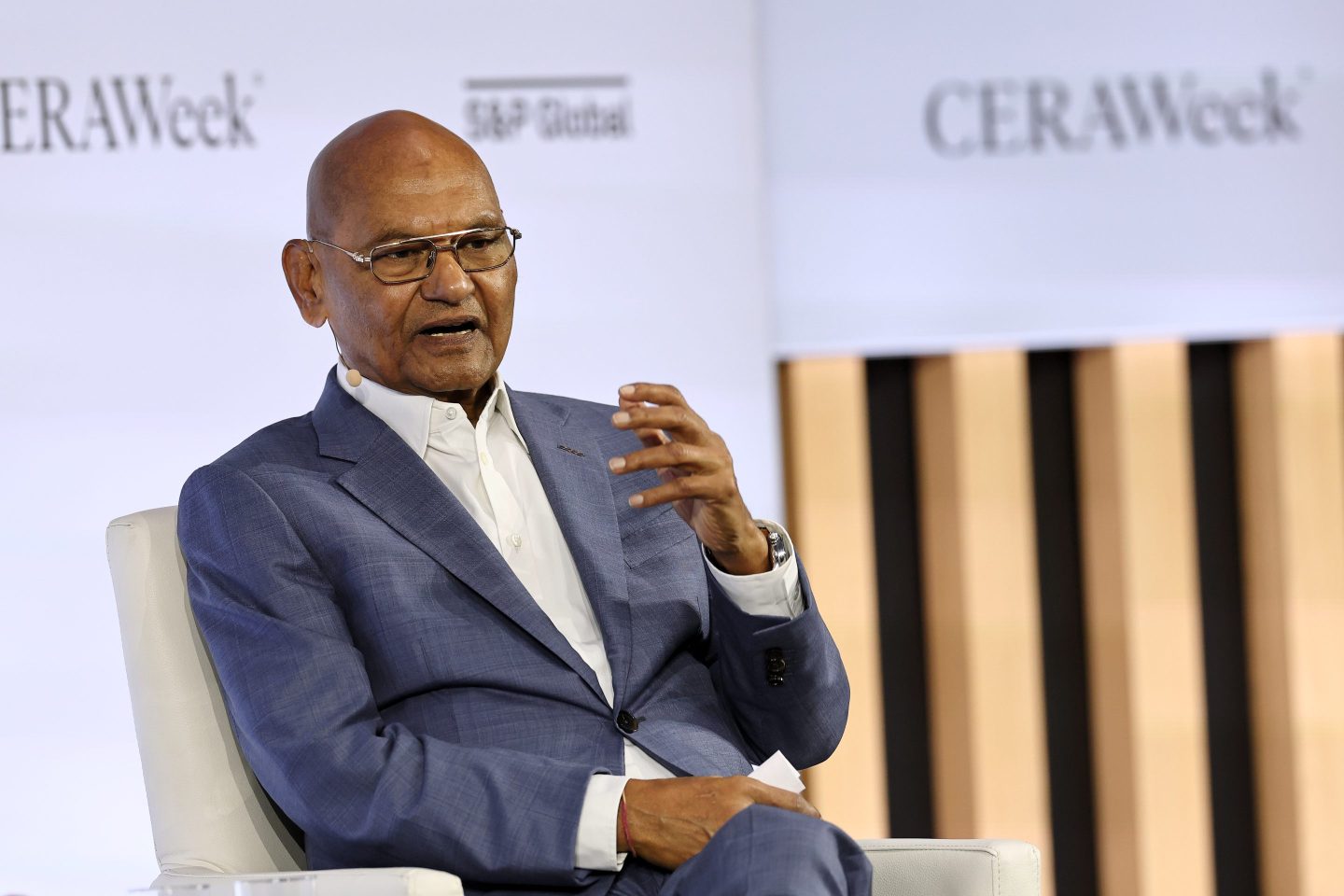
Speaking exclusively with Fortune, Ross said Iran “is going at least as well as anyone could have hoped,” adding he is “intrigued” by the fact that China and Russia had offered no intervention beyond statements. An invasion of the region by either party is highly unlikely, he said, “so the most they might possibly do would be provide equipment or funding.”
However, “Russia’s really not in much of a position to provide to Iran. And China, it’s quite unclear to me—other than trying somehow to continue their source of supply of energy and oil—I don’t see that China has a big vital interest in Iran anyway.”
So, has Iran acted as a litmus test for further escalation in geopolitical tensions between the East and West?
“That’s a very complex question in several regards,” Secretary Ross said. “One of the most interesting aspects of the whole thing vis-à-vis China is … as far as I can tell, there’s no one high up in the Chinese military decision-making process who’s ever been in a war.”
China’s military leadership has indeed gone through significant upheaval this year alone. In January, China’s top general, Zhang Youxia, was removed from his post alongside another senior officer, Gen. Liu Zhenli. Zhang and Liu are reportedly under investigation, facing allegations of “serious violations of discipline and law.”
The anti-corruption drive continued a month later when nine military officials were removed from the ranks of Chinese lawmakers, and in March, three retired generals were removed from the country’s top political advisory board, the Chinese People’s Political Consultative Conference (CPPCC).
“The last time [China] was in an actual shooting war was Vietnam,” Ross added. “They were not able to take advantage of the weakening Vietnam, so it was not a very impressive performance on their part.”
Turning to Russia, Ross believes President Putin has enough on his plate with a war in Ukraine without adding another foreign front to his agenda. “I think Russia’s ability to mount a real offensive anywhere has become severely limited,” Ross added. Since Russia’s invasion of Ukraine in 2022, Putin’s forces have suffered 1.2 million casualties, according to the Center for Strategic and International Studies.
“I’m told somewhat over 40% of the whole economy is tied to the war in Ukraine,” Ross said. “So that’s not much of an economy, and their economy wasn’t a very big one to begin with.”
Putting it all together
Between strikes in Iran and Venezuela earlier this year, Ross believes the U.S.—at least in terms of military prowess—owns an increasingly stronger hand. He said: “One of the strange things is the U.S. military now has much more current experience and successful experience—between what we did in Venezuela and what’s going on in Iran—than anybody has had; we have had some very successful tests of some of our advanced weaponry. From a military outlook point of view, I think it has made the U.S. stronger relative both to China and to Russia.”
While bullish arguments about U.S. military strength may stand the nation in good stead on the international stage, economists from UBS’s Paul Donovan to JPMorgan’s Jamie Dimon have been keen to acknowledge the humanitarian cost of the action. The U.S.-based Human Rights Activist News Agency puts the total number of reported civilian deaths in Iran at 1,097, including 181 children under the age of 10.
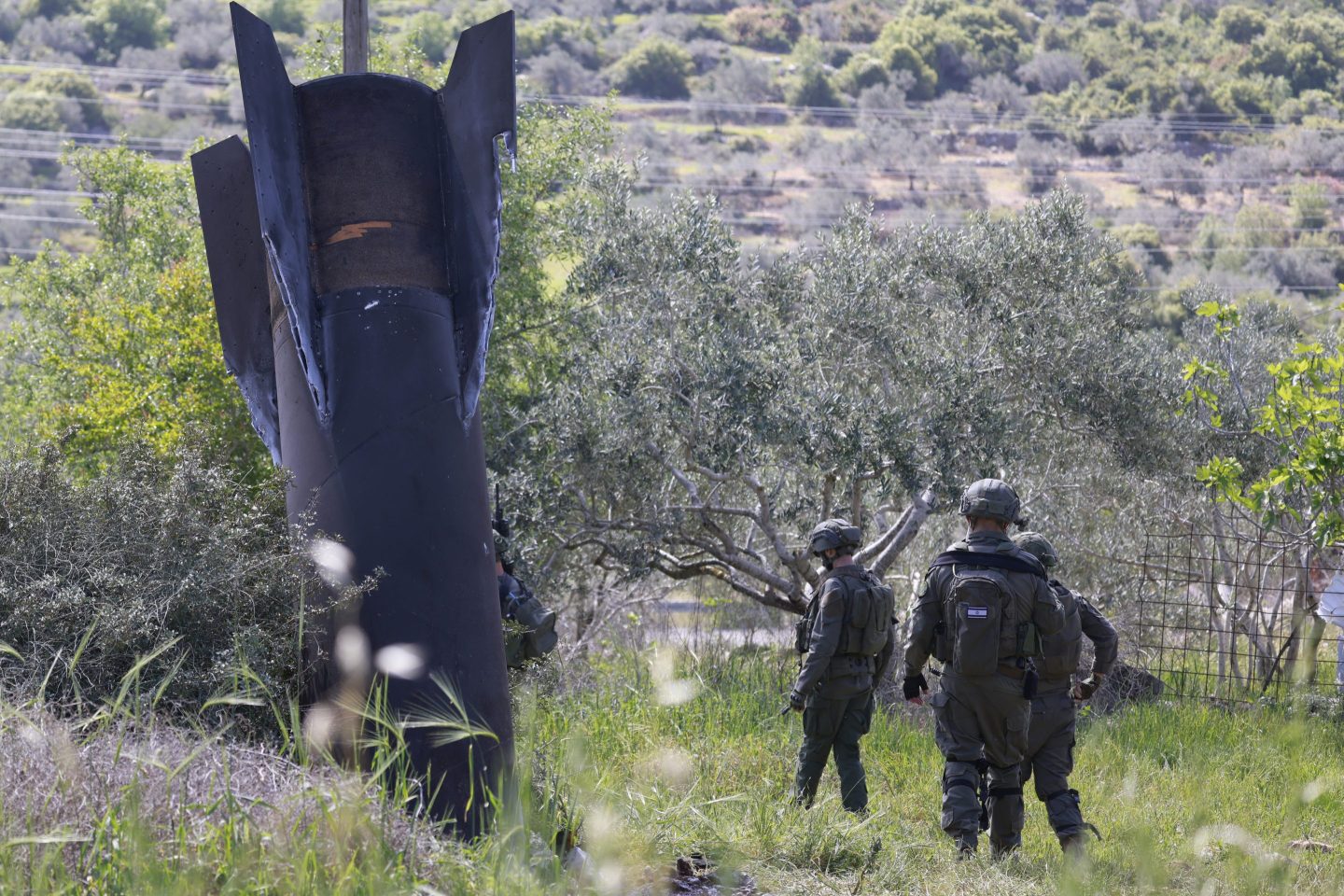
Homes and businesses are also being destroyed in the crossfire—in both Iran and neighboring nations, which suffered retaliatory strikes. An oil refinery in Saudi Arabia has reportedly been hit, as well as the U.S. embassy in Riyadh. This weekend, an airstrike on Dubai’s Fairmont the Palm hotel sparked a fire while also spreading panic on the famous Palm Jumeirah artificial island, where many of the city’s wealthiest residents live. Smoke was seen near the Burj Khalifa, the world’s tallest building, after a drone appeared to have been intercepted and exploded. And in nearby Abu Dhabi, debris from another drone impacted the Etihad Towers. Kuwait City’s international airport was also attacked by a drone.
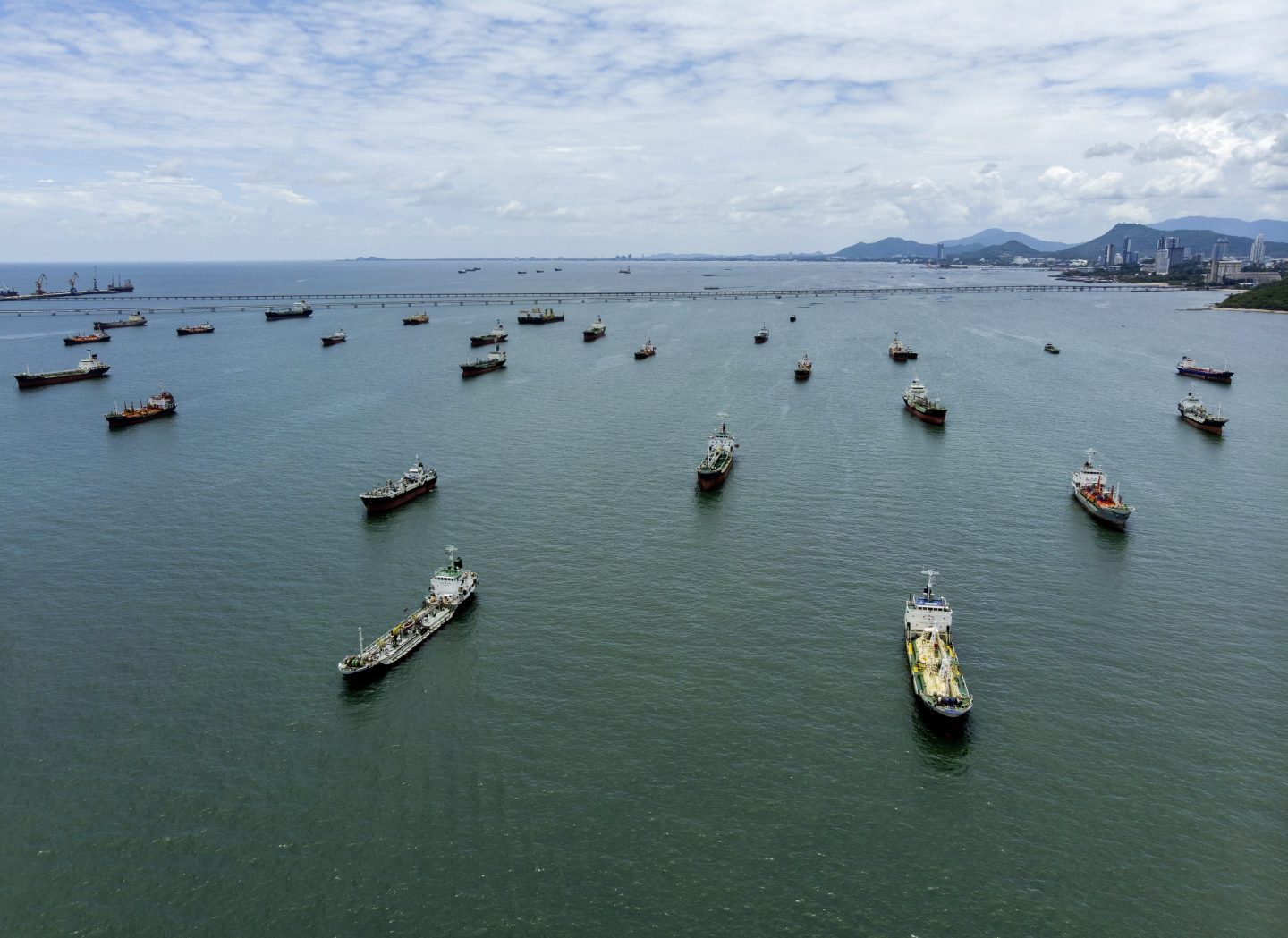
The consequences of the conflict are potentially inflationary as well, particularly if trade routes relied on by the oil and wider energy industry are disrupted.
Ross acknowledged the costs, including the loss of life, adding that he doesn’t expect military action to drag on: “Our systems and the Israeli system have proven to be very effective, so I think we have a real-world demonstration of who really is a military power.”