When life feels chaotic and unmanageable, it often feels easier to just procrastinate or ignore snowballing problems. But one of the wealthiest and most successful people in the world says that’s not the real cure for anxiety and stress.
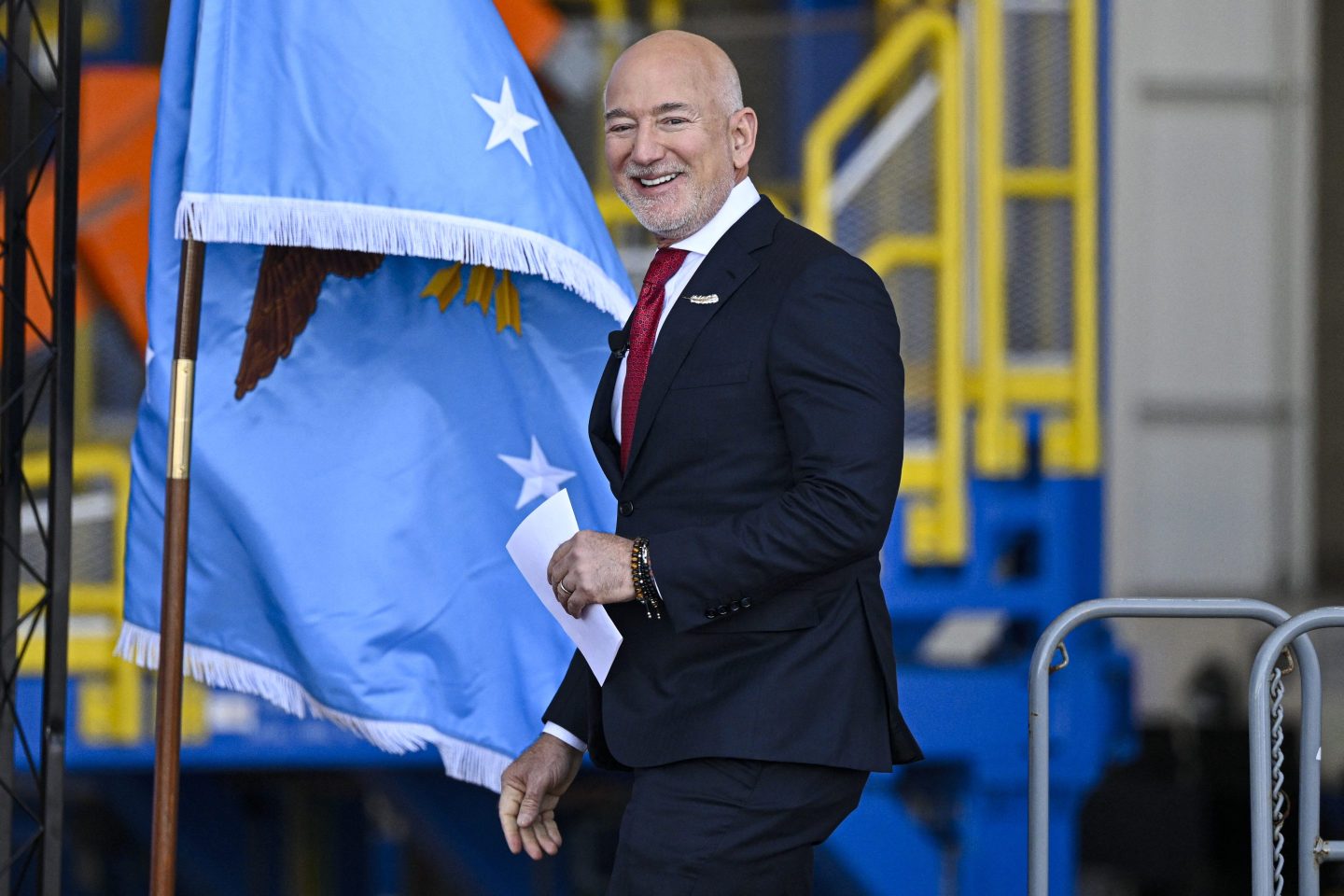
“I find if I’m stressed about something it’s usually because I’m not doing anything about it,” Amazon founder Jeff Bezos said in 2017 during a visit to The Museum of Flight in Seattle. “I’m listening to my body as a signal that something is wrong, and I find that the stress goes away the second I take the first step.”
Bezos, who has a net worth of $234 billion and is the world’s fourth-richest man, undoubtedly experienced stress while building what is now the No. 1 Fortune 500 company. After all, he started Amazon in a rented garage and had to take 60 meetings to raise the first $1 million in seed capital for his nascent company in the mid-1990s.
But instead of letting the stress get to him, he chooses to reframe his anxiety into motivation.
“If I’m stressed about something, I’m trying to figure out why [I am] stressed,” Bezos said. “I’m listening to my body as a signal.”
To handle stressful situations, Bezos recommends talking to others and finding allies to problem-solve with. He said this can transform an anxiety-inducing situation into one that’s actually “fun.”
“If you can find friends who are interested in similar things or want to help you solve a problem, problem-solving is inspiring for me all by itself,” he added. “There’s nothing more fun than getting in a room with a group of inventors and saying: ‘Look, here’s the problem. Let’s invent a solution to it.’ And as soon as you start doing that, I find that it turns from something that might create stress into something that creates fun.”
And in terms of problem-solving, Amazon’s most prominent leaders always have Bezos’ 16 leadership principles to turn to for guidance.
“The leadership principles are something you have to constantly work at,” Amazon CEO Andy Jassy said in Amazon’s Leadership Principles Explained video series. “When they’re applied well, they’re powerful.”
How other CEOs handle stress
While Bezos says his key to handling stress is just pushing through, other CEOs take on a variety of different approaches to combat anxiety.
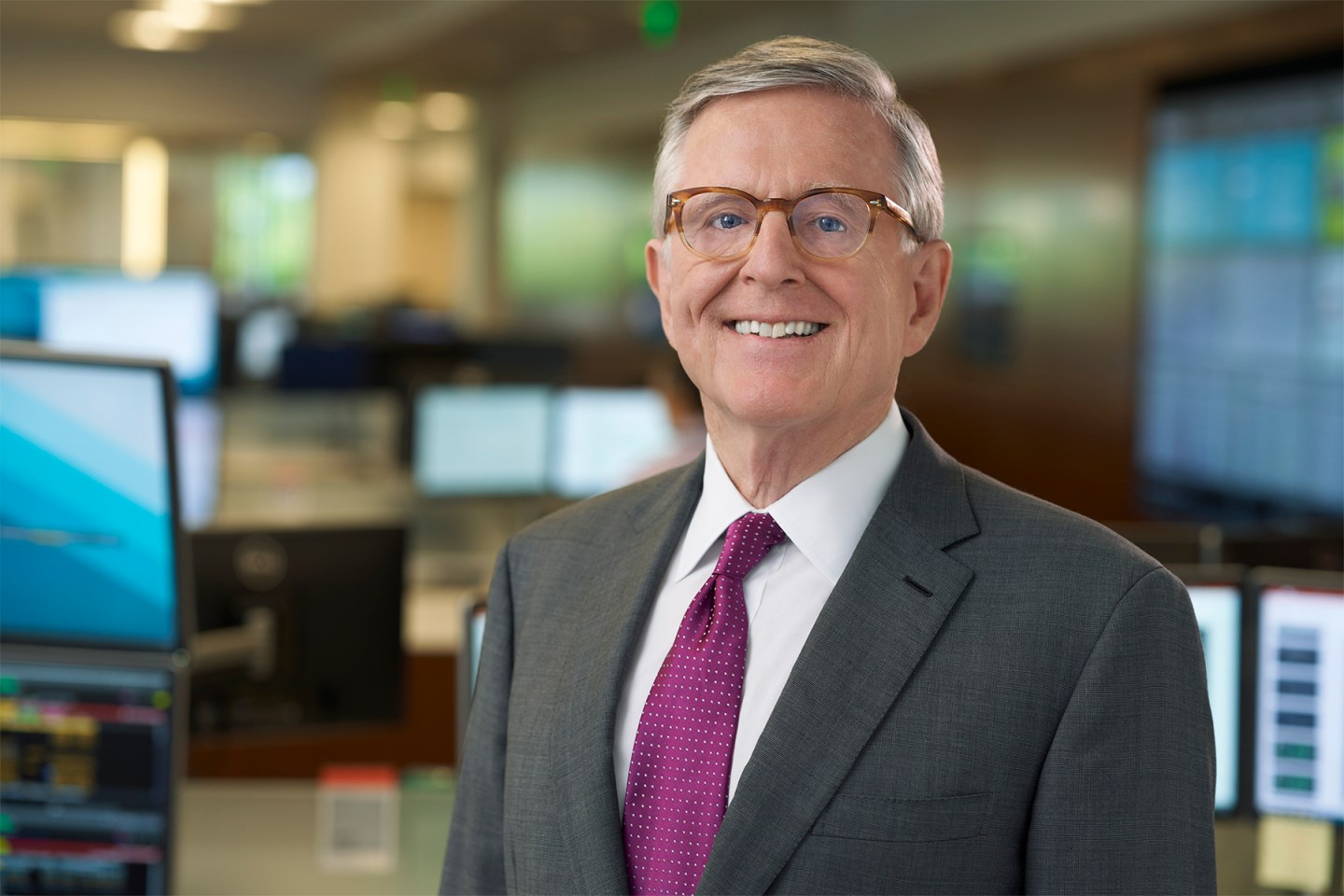
Former Starbucks CEO Laxman Narasimhan, for example, told Fortune in a 2023 interview he relies on three non‑negotiables to beat burnout: daily meditation, regular exercise, and protected family time.
“I’m very disciplined about balance,” said Narasimhan, who now serves on the boards of The Brookings Institution and Verizon.
And Red Lobster’s CEO practices emotional control to make sure his team doesn’t see him stressed, he told Business Insider.
“Practicing emotional control means taking a moment to pause, assess the situation, and respond thoughtfully, rather than reacting impulsively,” Damola Adamolekun, the 35-year-old CEO, said. “When you model emotional control, you create a stable environment where your team feels supported and motivated, even in the face of adversity.”
But Microsoft CEO Satya Nadella takes a somewhat similar approach to Bezos in that he confronts adversity head-on. That means facilitating open communication and building flexibility into workplace policies so employees don’t burn out, thereby reducing their own leadership stress.
“The notion of having work-life harmony in a highly competitive economy is a first-class topic,” Nadella said. “The key is to make sure you’re engaging in a dialog with your employees. There also needs to be flexibility in all the [workplace] policies that someone like me sets and propagates. You cannot have people burn out. It’s bad for your company, and it’s bad for society.”