When ChatGPT maker OpenAI restructured into a for-profit company, it removed all safety language from its mission statement. With investors now on the board who directly receive a share of OpenAi’s profits, the change is prompting concerns the company would deemphasize safety as it seeks to increase the bottom line.
“OpenAI’s mission is to ensure that artificial general intelligence benefits all of humanity,” reads the company’s new mission statement, according to OpenAI’s latest IRS disclosure form, removing the word “safely” that was found in every IRS filing previously.
OpenAI’s latest IRS disclosure form 990, the Return of Organization Exempt From Income Tax, marked the last time the company claimed tax-exempt status as a not-for-profit company. The form, released in November 2025 and covering the financial year 2024, reveals the company’s latest mission statement change as it ceded almost three-quarters of nonprofit control to private investors and employees.
Removing the safety language sparks concerns for some nonprofit accountability scholars like Alnoor Ebrahim, who first noticed the change and warned of a potential ominous future ahead for a company marred by growing safety concerns.
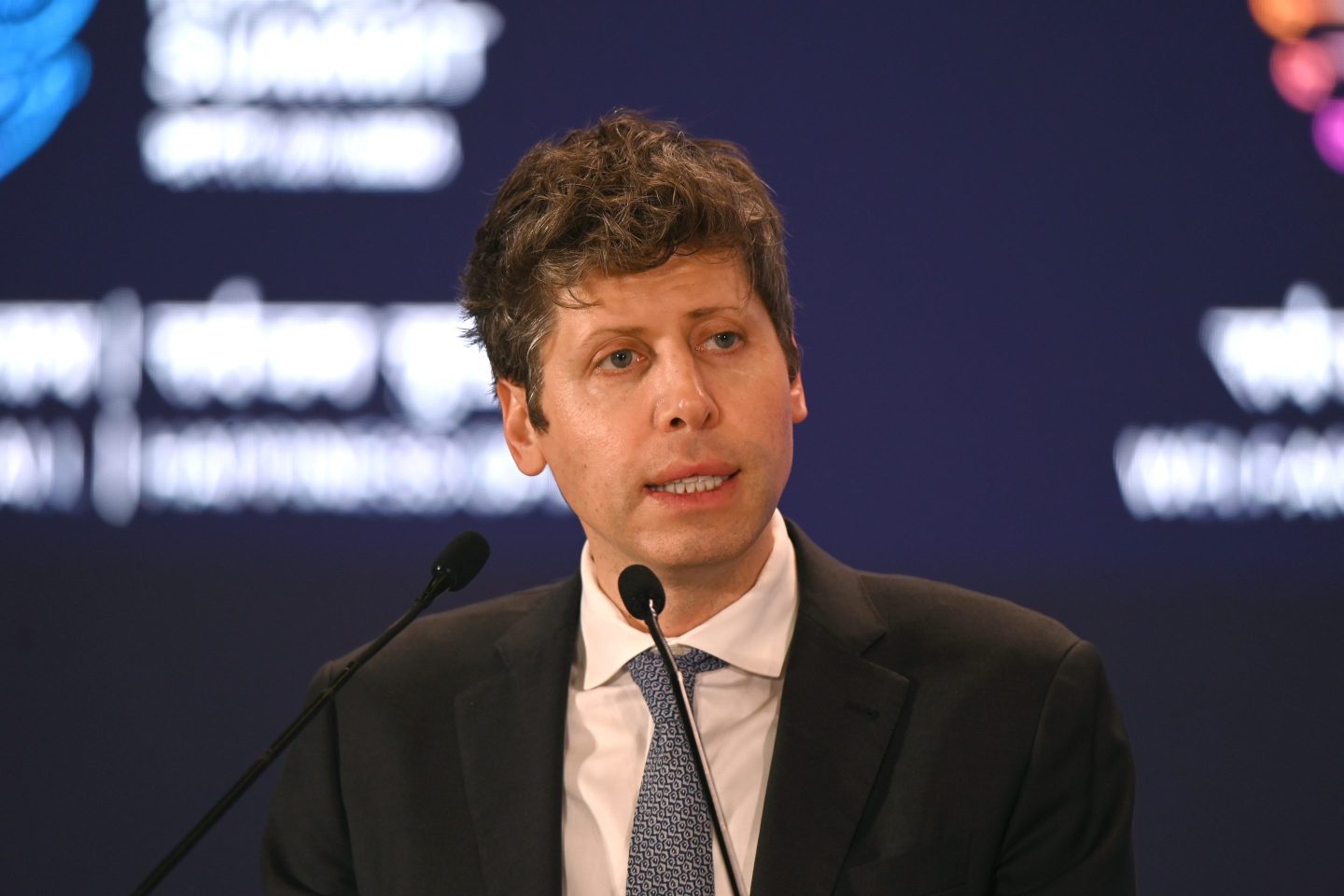
OpenAI and the company’s CEO, Sam Altman, were named as defendants in several lawsuits that allege negligence, assisted suicide, involuntary manslaughter, wrongful death, and other product liability claims.
For Ebrahim, a professor at Tufts University’s Fletcher School, the mission statement change is evidence of the company choosing to forgo safety to increase the bottom line.
“I believe OpenAI’s makeover is a test case for how we, as a society, oversee the work of organizations that have the potential to both provide enormous benefits and do catastrophic harm,” wrote Ebrahim.
Unlike other big tech companies, OpenAI began as a nonprofit with a for-profit subsidiary overseen by a nonprofit board of directors. However, in late 2024, OpenAI announced it received $6.6 billion in new funding from investors.
The funding came with a catch: It would turn into debt unless OpenAI restructured into a more traditional for-profit tech company to be managed by investors, who could own shares without caps on profits.
“In my view, these changes explicitly signal that OpenAI is making its profits a higher priority than the safety of its products,” Ebrahim opined.
Profits over safety
In contrast to private companies, the board members of tax-exempt charitable nonprofits cannot take a share of earnings. The rules get hairier regarding what investors can do when a nonprofit owns a for-profit business, such as in OpenAI’s case. Investors can enrich themselves from the profits, but are usually unable to sit on the board or elect board members because of a conflict of interest.
The nonprofit OpenAI Foundation ceded 74% control in the company’s recent restructuring, controlling only a 26% stake in the OpenAI Group. Thanks to a $13.8 billion investment, Microsoft now owns 27% of the company stock, with OpenAI’s employees and other investors owning the rest.
OpenAI has completed Form 990 nine times since its founding originally as a nonprofit scientific research lab in 2015. In the nine years of filings, the company changed its mission statement six times, finally removing all references to safety in the 2025 form. OpenAI addressed the changes to the mission statement when it announced the restructuring.
“We rephrased our mission to ‘ensure that artificial general intelligence benefits all of humanity’ and planned to achieve it ‘primarily by attempting to build safe AGI and share the benefits with the world.’ The words and approach changed to serve the same goal—benefiting humanity.”
OpenAI still uses safety language when discussing its mission online. “We view this mission as the most important challenge of our time. It requires simultaneously advancing AI’s capability, safety, and positive impact in the world.”
Still, Ebrahim notes the language does little to help his concerns. “Given that neither the mission of the foundation nor of the OpenAI group explicitly alludes to safety, it will be hard to hold their boards accountable for it.”
How OpenAI’s mission statements changed over time
Fortune reviewed each of OpenAI’s filings, and here’s how the mission changed throughout the years:
2016 and 2017:
“OpenAI’s goal is to advance digital intelligence in the way that is most likely to benefit humanity as a whole, unconstrained by a need to generate financial return. We think that artificial intelligence technology will help shape the 21st century, and we want to help the world build safe AI technology and ensure that AI’s benefits are as widely and evenly distributed as possible. We’re trying to build AI as part of a larger community, and we want to openly share our plans and capabilities along the way.”
2018 and 2019:
“OpenAI’s goal is to advance digital intelligence in the way that is most likely to benefit humanity as a whole, unconstrained by a need to generate financial return. We think that artificial intelligence technology will help shape the 21st century, and we want to help the world build safe AI technology and ensure that AI’s benefits are as widely and evenly distributed as possible.” We’re trying to build AI as part of a larger community, and we want to openly share our plans and capabilities along the way.
2020:
“OpenAI’s goal is to advance digital intelligence in the way that is most likely to benefit humanity, as a whole, unconstrained by a need to generate financial return. We thinkOpenAI believes that artificial intelligence technology will help shape the 21st century, and we want to help the world build safe AI technology and ensure that AI’s benefits are as widely and evenly distributed as possible.”
2021:
“OpenAI’s goal mission is to advance digital intelligence in the way that is most likely to benefit build general-purpose artificial intelligence that benefits humanity, unconstrained by a need to generate financial return. OpenAI believes that artificial intelligence technology will help shape the 21st century and want to help the world build has the potential to have a profound, positive impact on the world, so the company’s goal is to develop and responsibly deploy safe AI technology and ensure that AI’s benefits are, ensuring that its benefits are as widely and evenly distributed as possible.”
2022 and 2023:
“OpenAI’s mission is to build general-purpose artificial intelligence (AI) that safely benefits humanity, unconstrained by a need to generate financial return. OpenAI believes that artificial intelligence technology has the potential to have a profound, positive impact on the world, so the companys our goal is to develop and responsibly deploy safe AI technology, ensuring that its benefits are as widely and evenly distributed as possible.”
2024:
“OpenAI’s mission is to build general-purpose artificial intelligence (AI) that safely benefits humanity, unconstrained by a need to generate financial return. OpenAI believes that artificial intelligence technology has the potential to have a profound, positive impact on the world, so our goal is to develop and responsibly deploy safe AI technology, ensuring that its benefits are as widely and evenly distributed as possible ensure that artificial general intelligence benefits all of humanity.“