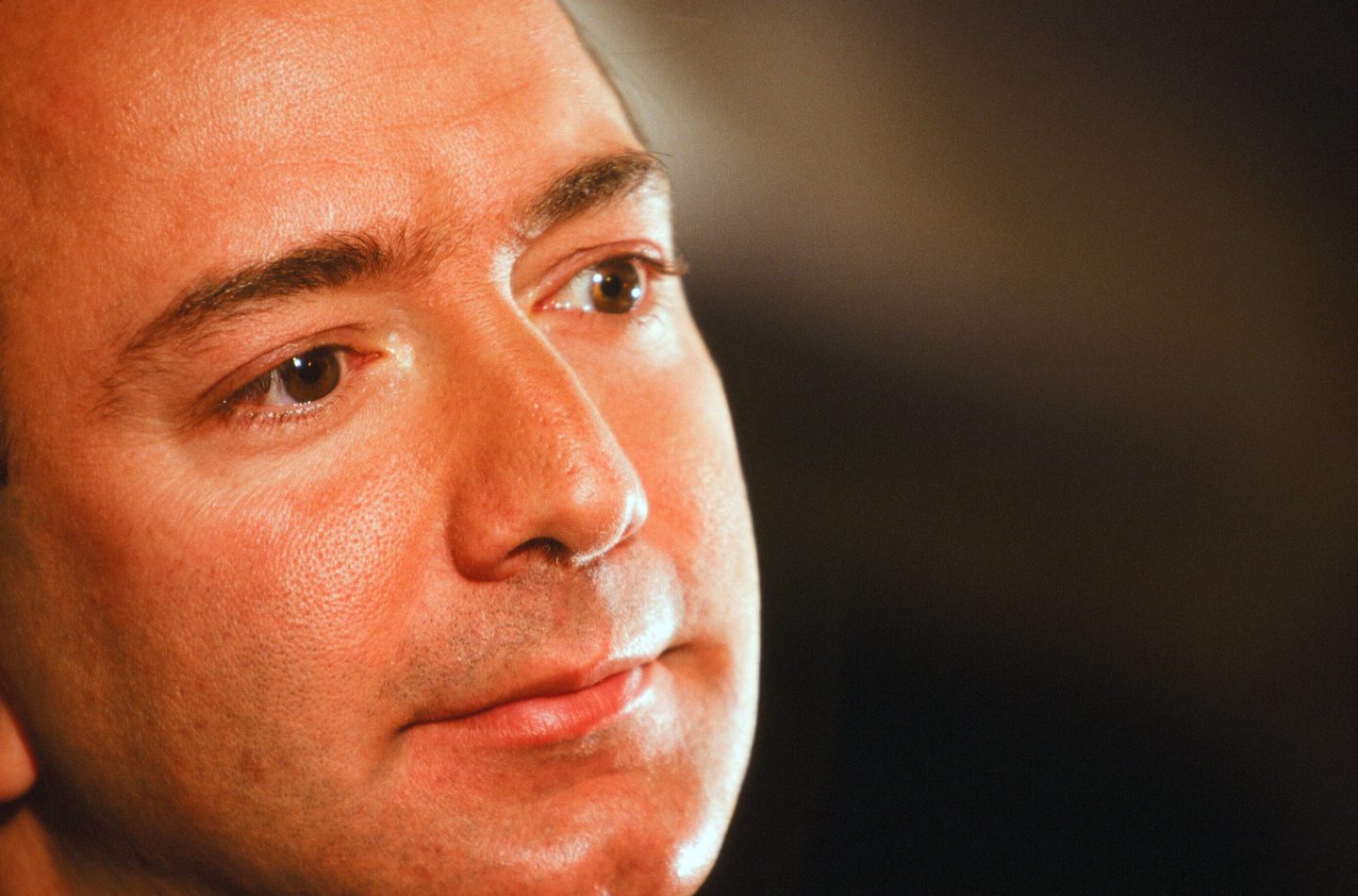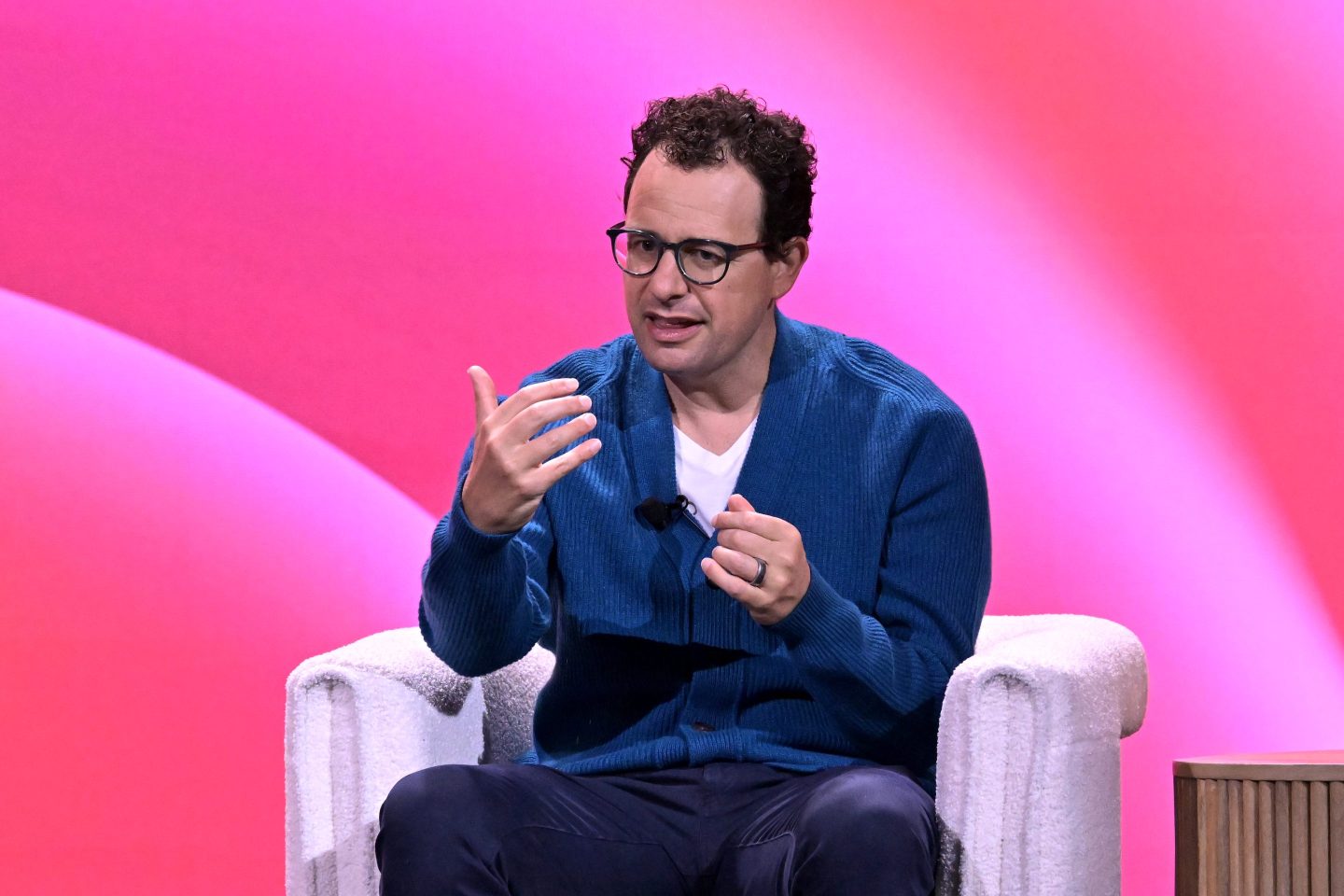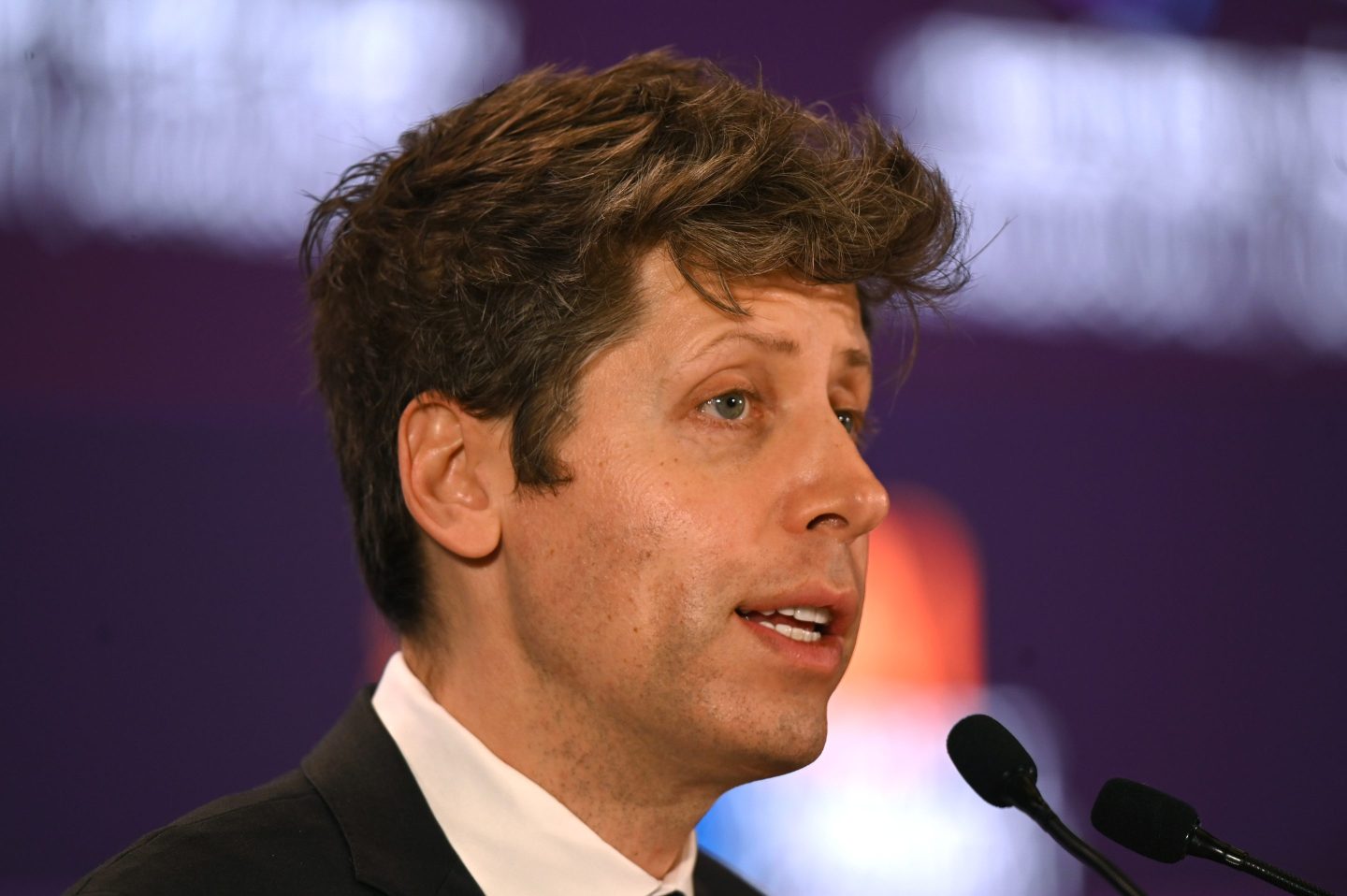

Despite building an increasingly screen-focused world, billionaire tech leaders are keeping their own children away from the tech they helped create.
As far back as 2010, Apple cofounder Steve Jobs told a New York Times reporter his kids had never used an iPad and that, “We limit how much technology our kids use at home.”
Since then, the trend of Silicon Valley billionaires keeping their families away from technology has become even more pronounced, thanks in part to the rise of social media and short-form video.
Excessive device use among children has become more common in recent years as busy parents turn to screens to find some peace. The trend has accelerated so much that some young children accustomed to extensive screen time are dubbed “iPad kids.” On average, children in the U.S. ages 8 to 18 spend 7.5 hours per day watching or using screens, according to the American Academy of Child and Adolescent Psychiatry.
YouTube cofounder Steve Chen said at a talk at the Stanford Graduate School of Business last year that he wouldn’t want his kids consuming only short-form content, noting that it might be better to limit kids to videos longer than 15 minutes.
“Shorter-form content equates to shorter attention spans,” he said.
At the 2024 Aspen Ideas Festival, early Facebook investor and billionaire Peter Thiel joined Chen among the ranks of tech leaders who are setting strict limits on screens. Thiel said he only lets his two young children use screens for an hour-and-a-half per week, a revelation that prompted audible gasps from the audience.
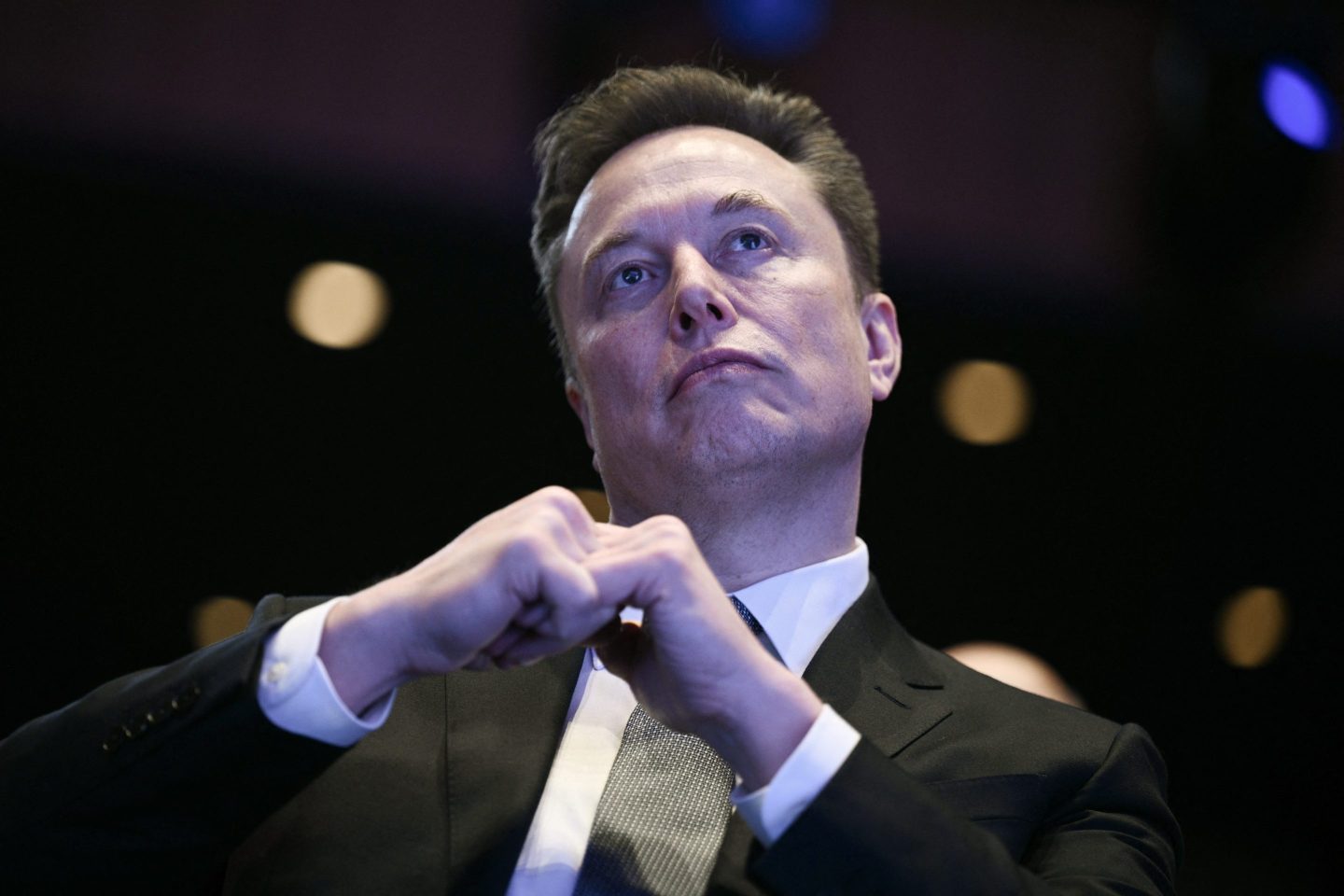
Other tech CEOs, including Microsoft’s Bill Gates, Snap’s Evan Spiegel, and Tesla’s Elon Musk, have also spoken about limiting their children’s access to devices. Gates has said he did not give his children smartphones until age 14 and banned phones at the dinner table entirely. Snap CEO Evan Spiegel, in 2018, said he limits his child to the same 1.5 hours per week of screen time as Thiel. And finally, Musk, who bought the social media company X, formerly Twitter, in 2022, said it “might’ve been a mistake” to not set any rules on social media for his children.
TikTok CEO Shou Zi Chew, who once said his own children were too young to use TikTok, clarified in 2023 that if his children lived in the U.S. and had access to the rigorous protections associated with the platform’s under-13 settings, he would let them use the app. He said even an 8-year-old could use the platform in the under-13 experience, which, among other protections, includes vetted content, no access to posting, and no advertisements.
Scientific research backs up their parenting instincts. A 2025 study of nearly 100,000 people found that short-form video use was consistently associated with poorer cognition and a decline in many aspects of mental health across both younger and older social media users.
Social media backlash is growing
As young people increasingly spend most of their waking moments online, the backlash against social media, and especially minors’ use of social media, has reached a breaking point.
In the past year, Australia and Malaysia became the first countries to ban adolescents under 16 from using social media. And several other countries, including France, Denmark, and the United Kingdom, are considering similar legislation.
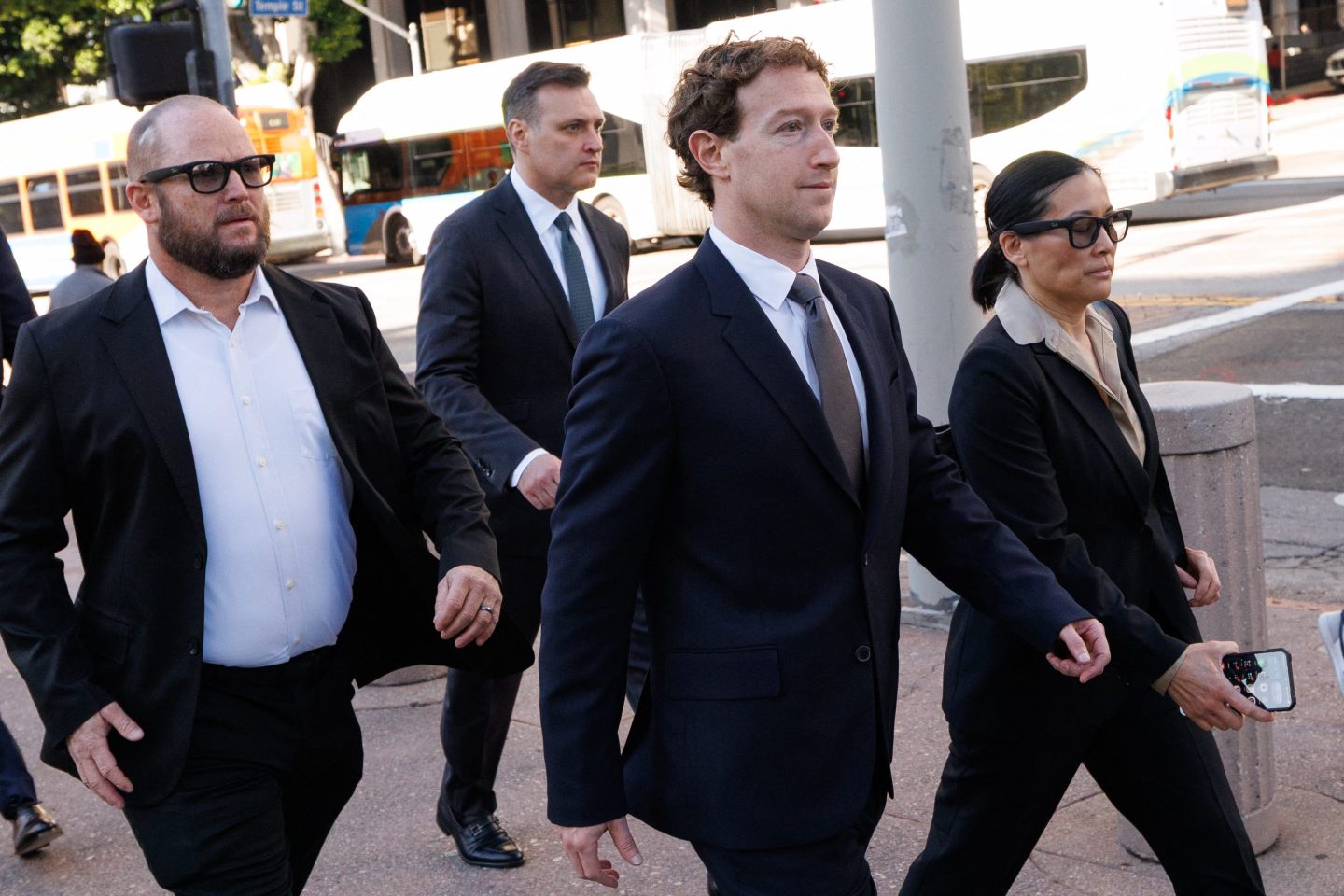
Meanwhile, Meta CEO Mark Zuckerberg took the stand earlier this week to defend his company against claims from a 20-year-old plaintiff that the social media giant built its platforms to hook young children.
And yet, far from being a new phenomenon, the idea that social media use is harmful for young people has been around for years. Still, it’s the tech leaders who created the attention economy who have been the most attentive to this fact.
To be sure, several social media CEOs have publicly pushed back on claims that their platforms are harmful. Instagram chief Adam Mosseri testified earlier this month in the trial against Meta that social media does not constitute “clinical addiction.” Meta’s lawyers during the trial also outlined a range of safety features Instagram has introduced for younger users, including limits on the visibility of adult content and muted notifications at night.
Yet, as the trials against social media companies continue and country after country moves toward legislating what Silicon Valley’s billionaires have quietly practiced for years, the private behavior of the world’s most powerful tech figures stands in contrast to what they’re promoting and building.