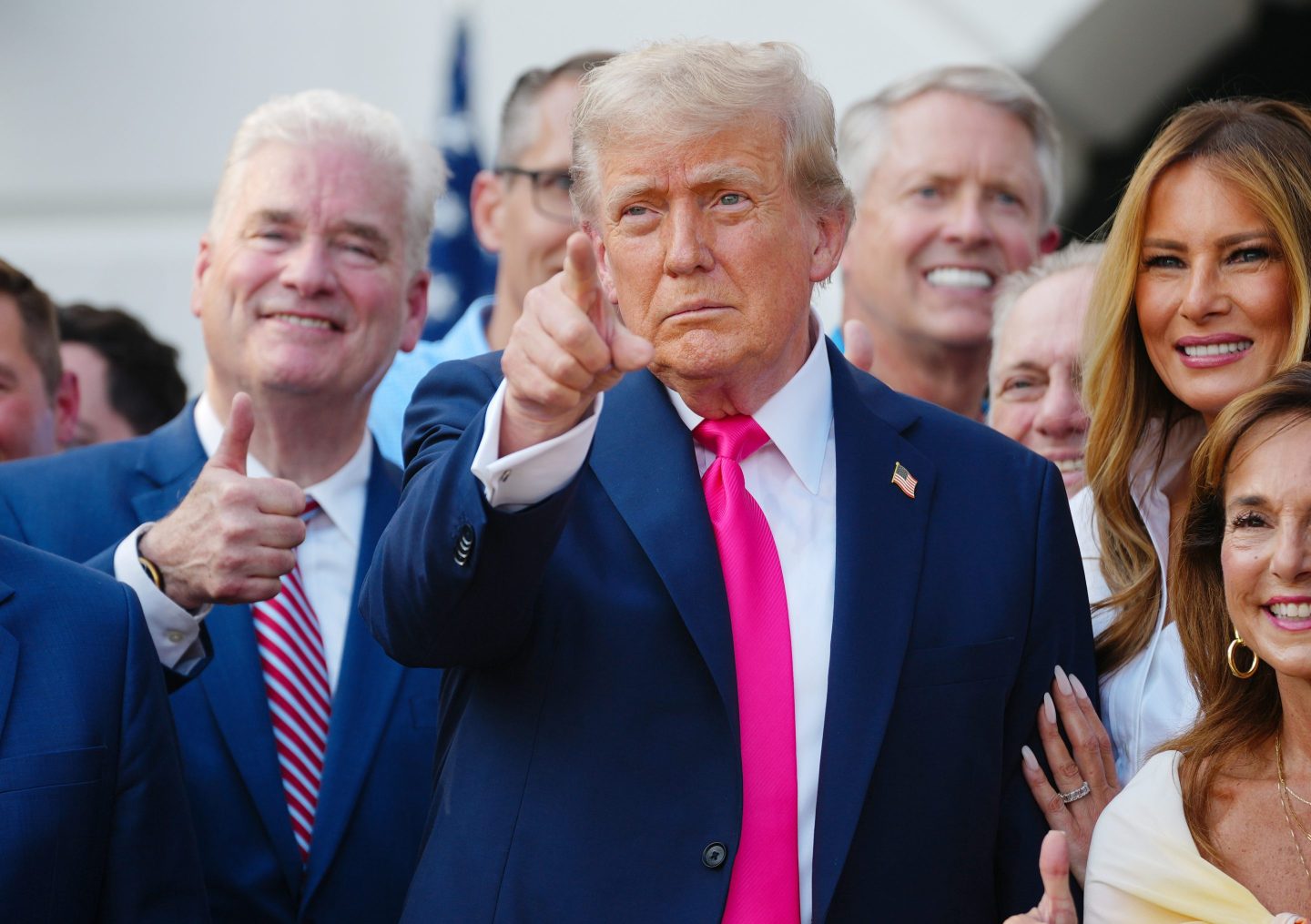
President Donald Trump has touted his tax cuts as a major step toward ending the affordability crisis, but a wider analysis of his economic policy reveals that the refunds will likely not offset the burden of tariffs on American households.
Nonpartisan think tank the Tax Foundation previously estimated that Trump’s tax cut would reduce individual taxes by $129 billion, and up to $100 billion of that could be headed toward refunds, increasing an average return of up to $1,000 compared with last year.
A new report from the Tax Foundation found, however, that the average tariff burden for U.S. households was $1,000 in 2025 and is expected to grow to $1,300 this year, effectively canceling out any benefit from the tax cuts.
Tariffs will raise a net $1.9 trillion between 2025 and 2034, the Tax Foundation estimates, but the cuts will reduce revenue by $4.1 trillion.
“Tariffs are really holding back the potential of the new tax law, both to deliver relief to taxpayers and to grow the economy,” Erica York, vice president of federal tax policy at the Tax Foundation, told Fortune. “The negative impact on investment and on work from the tariffs will really undercut some of the provisions in the new tax law that were designed to boost the economy.”
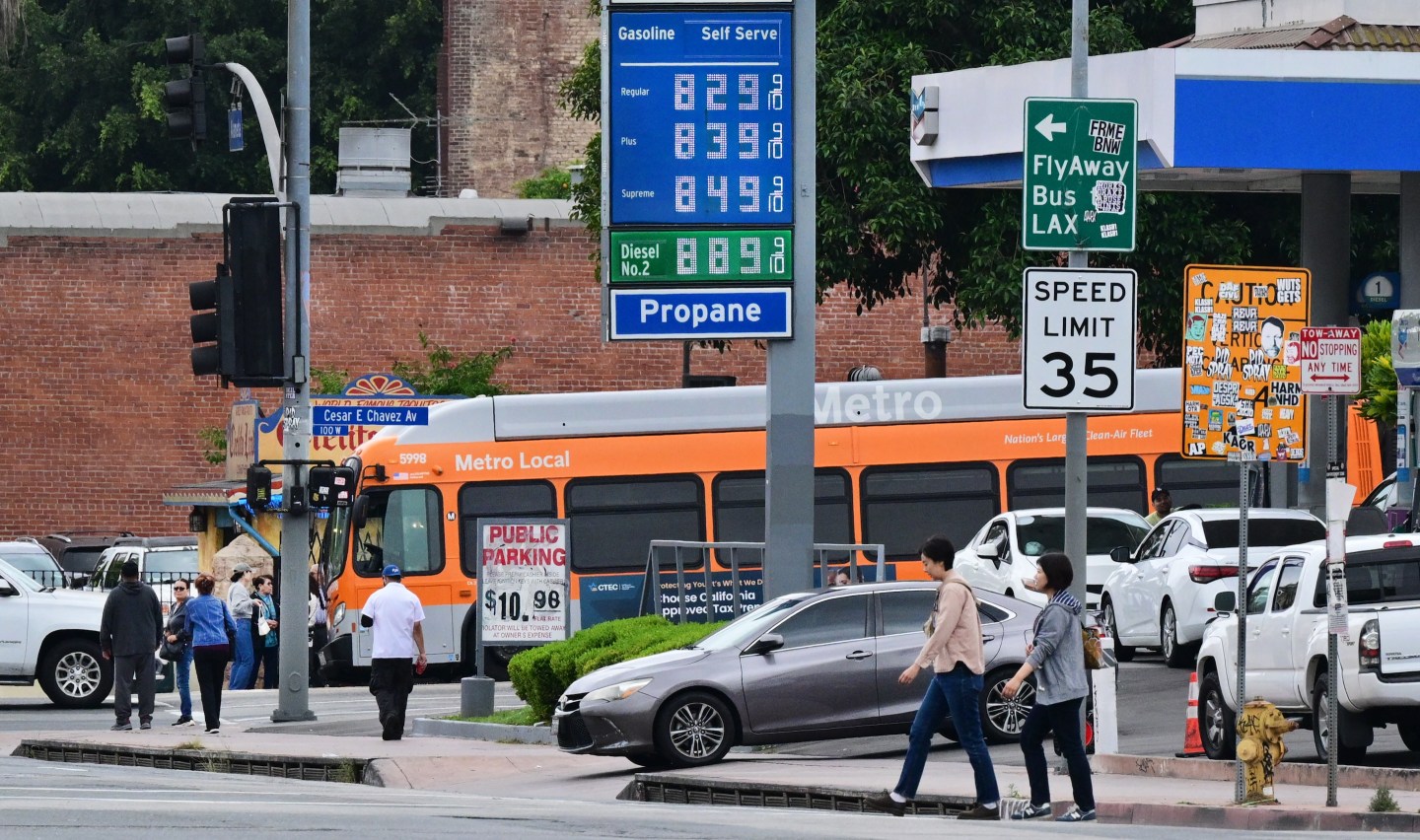
Americans are already feeling the effect of tariffs, with 96% of the burden falling on U.S. importers and consumers as prices rise, according to the Kiel Institute for the World Economy, a German think tank.
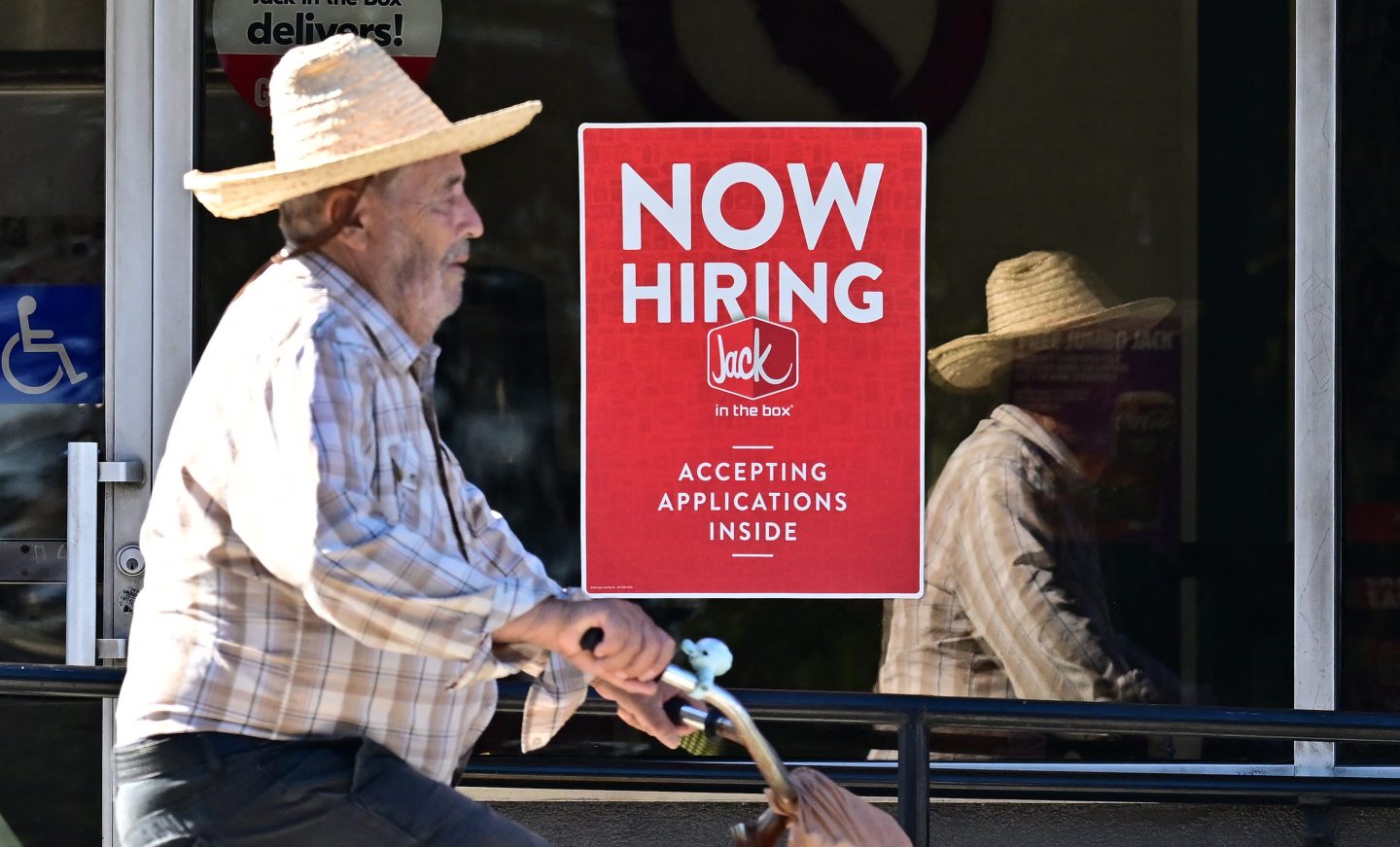
York says importers are eating some of the cost, but the tariff burden is still being experienced through less hiring and lower wage increases.
“It’s still Americans who are paying the burden, they’re just paying it through less income growth instead of through higher prices,” York said. She explained that businesses will likely change their choice to take on or pass on tariff costs in the future, but the overall long-term effect will be lower after-tax income.
Big tax cuts will be felt unevenly
The Trump administration has called the One Big Beautiful Bill Act the “largest tax cut in American history,” but the effects will be felt more narrowly than promised, York said.
“The new tax cuts will give you relief if you make your income in a certain way, like through tips or overtime, or if you’re a senior, but if you just have regular W-2 income, your tax cut isn’t going to be that large,” she said.
The OBBBA raises the cap for the state and local tax deduction from $10,000 to $40,000, which will be felt widely by the middle class, but few in the bottom 20% of households will benefit because many don’t pay income taxes, the Wall Street Journal reported.
The bill also gives a $6,000 tax break to seniors, and allows for deductions for auto loan interest, tip income, and overtime pay. Economists agree that the tax cuts favor higher earners. A recent Cato Institute study found those in the top-earning bracket gained far more than those with the lowest incomes. The bottom 10% of households are expected to see an average reduction of 7% in income, according to the Budget Lab at Yale University, while those at the top will see a 1.5% increase.
Americans are already feeling fatigue over an uncertain economy, York said, and the tradeoffs of tax cuts and tariffs have the potential to exacerbate the growing K-shaped economy.
A Supreme Court tariff reversal won’t help
The Supreme Court has repeatedly postponed its ruling on whether Trump’s use of emergency powers under the International Emergency Economic Powers Act was constitutional, but analysts expect the court to rule against the administration.
One potential ruling is the court orders the Trump administration to refund all the collected revenue. About three-fourths of the tariff costs would be refunded to importers, even if they passed the costs onto consumers, York said.
On Wednesday, in a mostly symbolic vote, the House moved to strike down tariffs against Canada and end the national emergency Trump declared to impose tariffs. This is highly unlikely to become law, however, because Trump would have to undo his own policy.
The Trump administration has promised to start implementing new tariffs “the next day” if the Supreme Court rules against the use of emergency powers.
York explained that the administration’s options for imposing tariffs would be more limited. However, if an import is deemed to be a national security threat or an investigation finds that a country’s trade practices hurt U.S. businesses, the administration could impose more tariffs. Don’t expect long-term changes, she advised.
“If the tariffs were out of the picture, it would be real relief for American workers and businesses,” she said. “But long-term relief isn’t really on the table right now. It’s a short-term reprieve, and then it’s going to be a pivot to more tariffs in another way.”