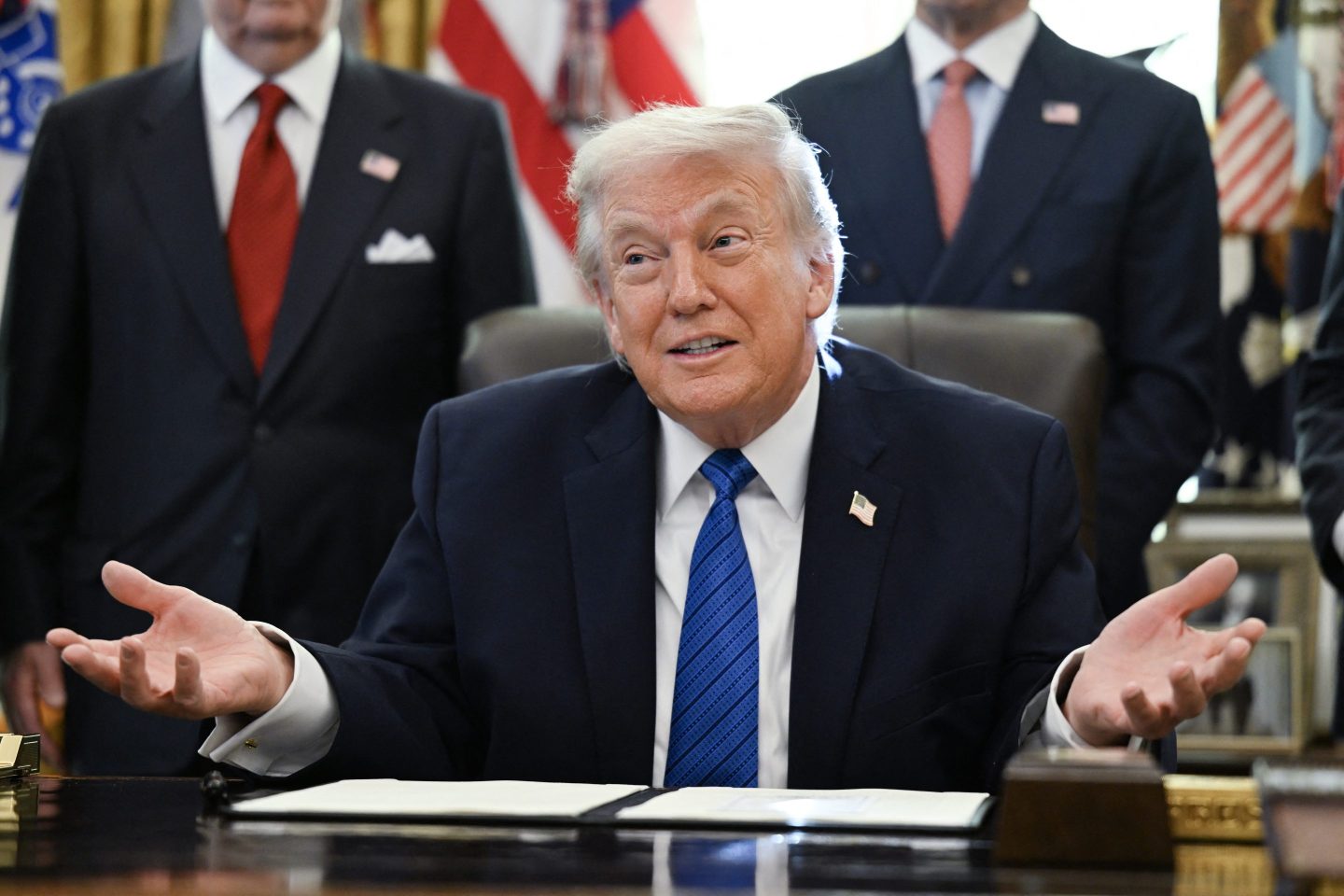
Tether, the world’s largest stablecoin issuer, now has a foothold in the country that President Donald Trump calls the ‘crypto capital of the world.’ The company announced on Tuesday that it launched USAT, a stablecoin designed to be compliant with U.S. regulations that it first teased last fall.
The new stablecoin will be issued through the federally chartered bank Anchorage and was created to comply with the Genius Act, a law passed last year with strong support from the White House that created a regulatory framework for digital dollars.
The launch marks the latest example of Tether’s growing influence in finance and in the tech sector more broadly, where the company—which made $15 billion in profits last year—is investing heavily.
Tether already dominates the stablecoin field, and its latest move should only bolster that standing. The company has more than 60% of the market share of stablecoins, and for years its Achilles heel was that it was not issued in the U.S, crypto’s biggest market. Circle and its USDC coin, Tether’s main competitor, has long had the edge in the American stablecoin market and got a boost when it went public last summer.
It remains to be seen whether Tether can take market share from Circle given that other recent entrants to the U.S. stablecoin field, including PayPal, have had only a limited impact.
The launch of USAT follows a year where stablecoins, a digital currency often backed by the U.S. dollar, catapulted to the mainstream. Trump signed the Genius Act in July, legislation that legitimized the technology. Since then, big banks and big tech have flocked to this digital dollar. Companies, both new and native to crypto, tout the new technology as a seamless way to send money around the world for individuals and for businesses.
Tether was not always embraced by U.S. regulators. It had a settlement with the New York Office of the Attorney General in 2021 and a reported investigation by the Department of Justice in 2024. The company has a history of being used for illegal activities like terrorism and money laundering.
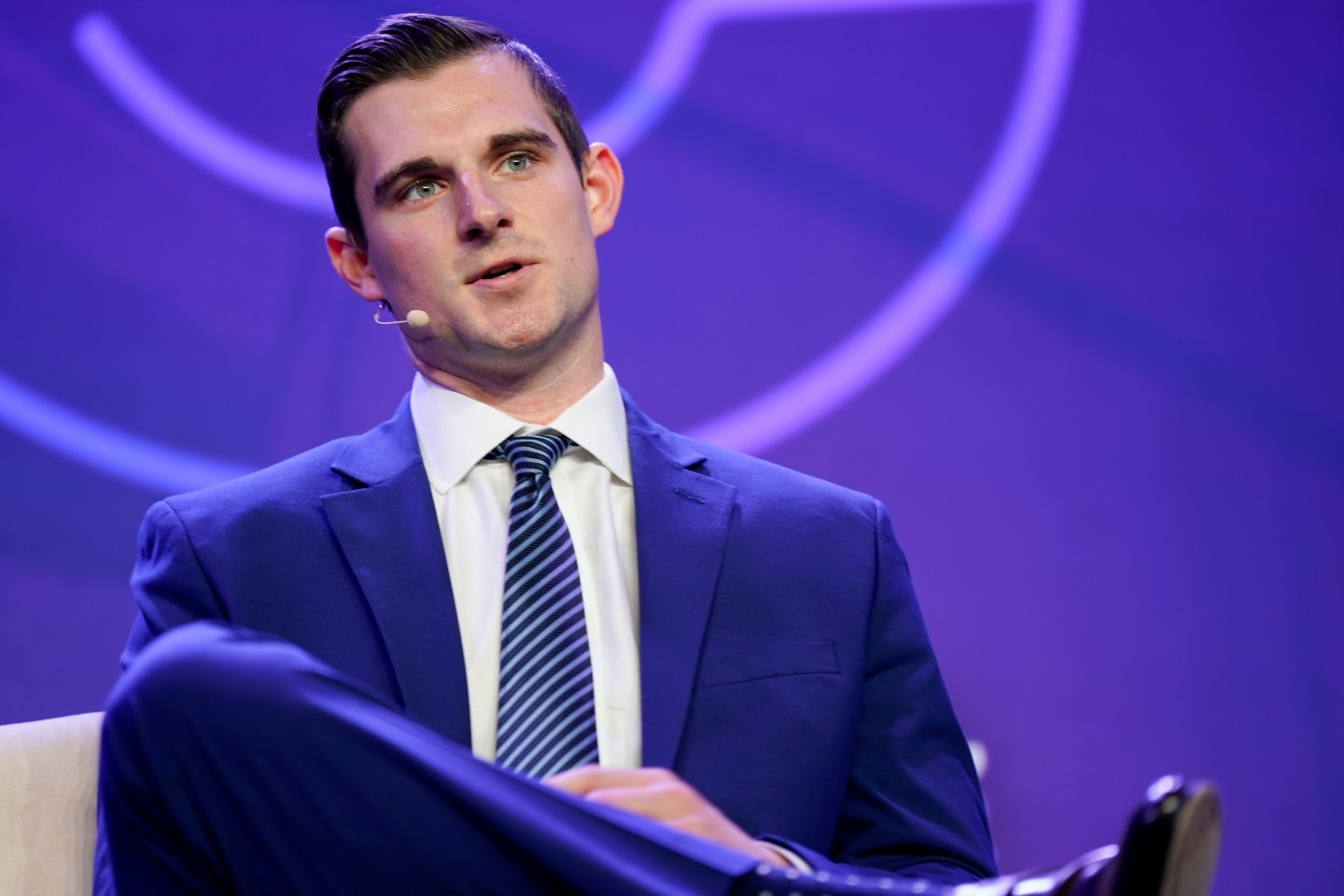
The stablecoin giant has had a much easier time operating since Trump took office, and its connections to the administration are not hard to find. The former CEO of Cantor Fitzgerald, which manages the reserves of USAT, is Howard Lutnick, the president’s commerce secretary. And the CEO of USAT, Bo Hines, previously served as Trump’s top crypto official.
“Our focus is stability, transparency, and responsible governance, ensuring that the United States continues to lead in dollar innovation,” Hines said in the statement.