AI was top of mind in Davos, Switzerland, this past week, where global leaders across sectors descended for the World Economic Forum meeting. I joined fellow Fortune editors and team members in Davos this week, attending panels and engaging in one-on-one conversations and meetings with global CEOs.
Throughout my more than a dozen meetings with senior executives there, two central themes became clear:
- Moving from efficiency to growth. If last year was the year of AI-driven efficiency and cost-cutting, this year will be one of AI-driven growth, with CEOs seeking to derive value and profit from implementation versus just workforce reduction.
- The future of work is uncertain. On the topic of workforce reduction, opinions ranged from a total replacement of all jobs to job growth over the next decade.
A few standout responses I heard during the week:
- Anthropic CEO Dario Amodei is not shy about saying AI will replace lots of jobs, noting that software engineers, for example, are six to 12 months from being obsolete.
- One unicorn AI startup CEO told me he thought AI would create more jobs than it would replace. He also felt that the number of billionaires will surge from AI; the way the internet made it easier for more entrepreneurs to become millionaires, AI will make it easier for more people to become billionaires.
- One Big Tech executive was adamant that while AI will start out assisting workers, make no mistake: AI is a human “substitute.” They felt that pretty much every job could be ticked off one by one as AI improves, noting, like Amodei, that many engineers have already stopped writing code and that call center employees and customer support roles are already well on their way to irrelevance.
- A more optimistic Asia tech CEO thought there would be a V-shaped job curve, with a steep initial decline over the next few years and a steep rise as AI creates more jobs. They also said they intended to keep their workforce about the same size, but repurpose employees into new roles as AI replaces particular job functions.
- ServiceNow CEO Bill McDermott told me he vowed a few years ago to not lay off employees, even though his now 30,000-person company is already using agentic AI to replace some job functions. (“I told the team I only wanted nines and tens,” he told me about hiring. “If they listened to me, why would they get rid of a nine or a ten?”) For example, his IT department is now using agentic AI. The people who used to work in that department either became managers of the AI agents or were repurposed into other roles through ServiceNow University, an in-house employee re-skilling program. “We lift them, and we shift them,” McDermott said.
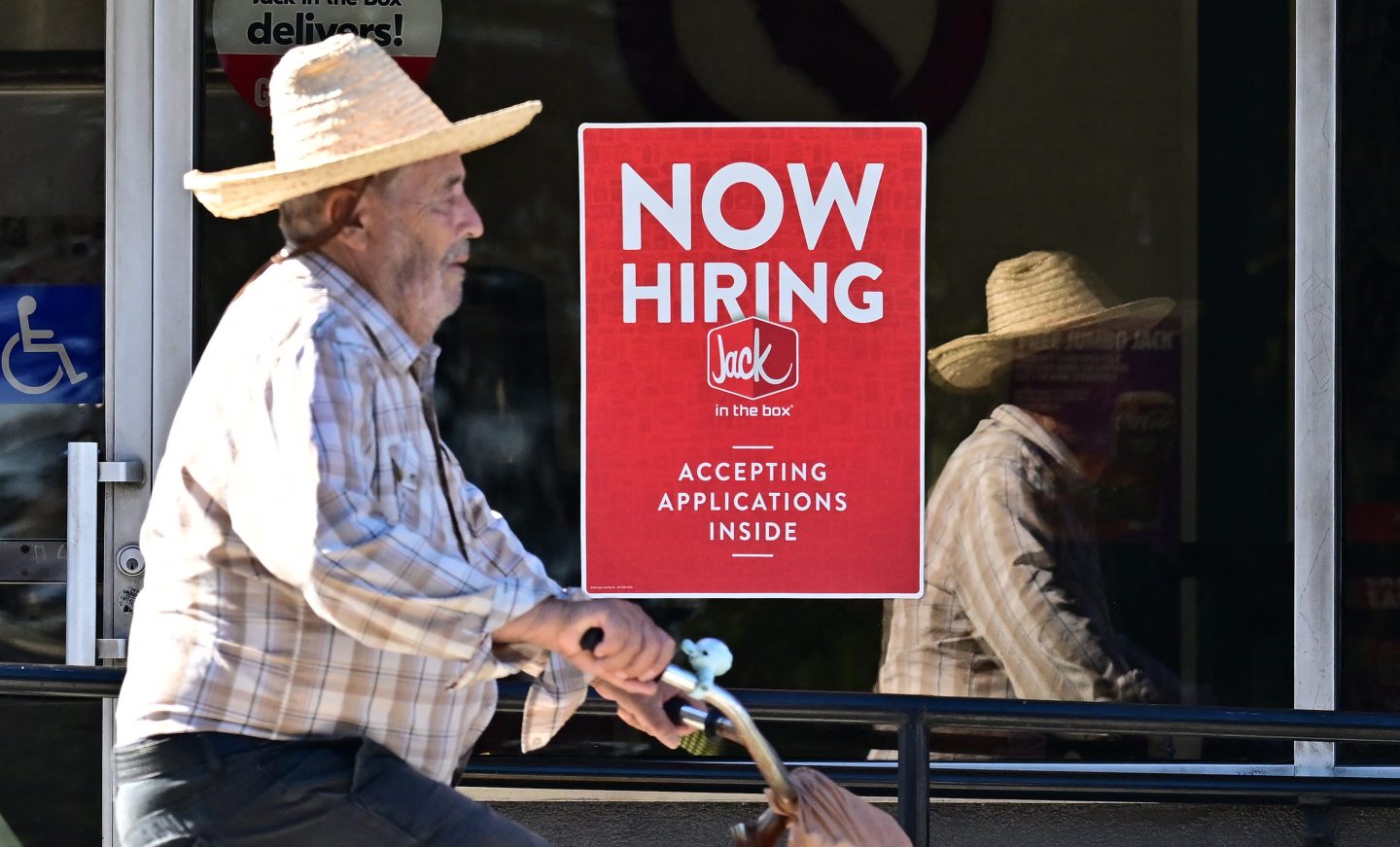
- David Sacks, AI and crypto czar for the Trump administration and venture capitalist, feels the worry about job replacement is way overblown versus the current job numbers. He fears American pessimism over AI could hold the U.S. back from winning the AI race with China, where AI optimism is much higher. Toptal CEO Taso Du Val, who oversees a global network of freelancers, said he’s currently seeing job demand rise versus shrink in many areas.
Despite differences, a common theme remained: The time frame for global AI transformation is fast approaching. With the arrival of AI, quantum computing, autonomous vehicles, and the advancement of humanoid robots, the world will look wildly different in a decade. But that doesn’t have to be a bad thing. Even the most pessimistic members of the workforce were optimistic about the future of AI, provided we set the right safety guardrails and parameters.