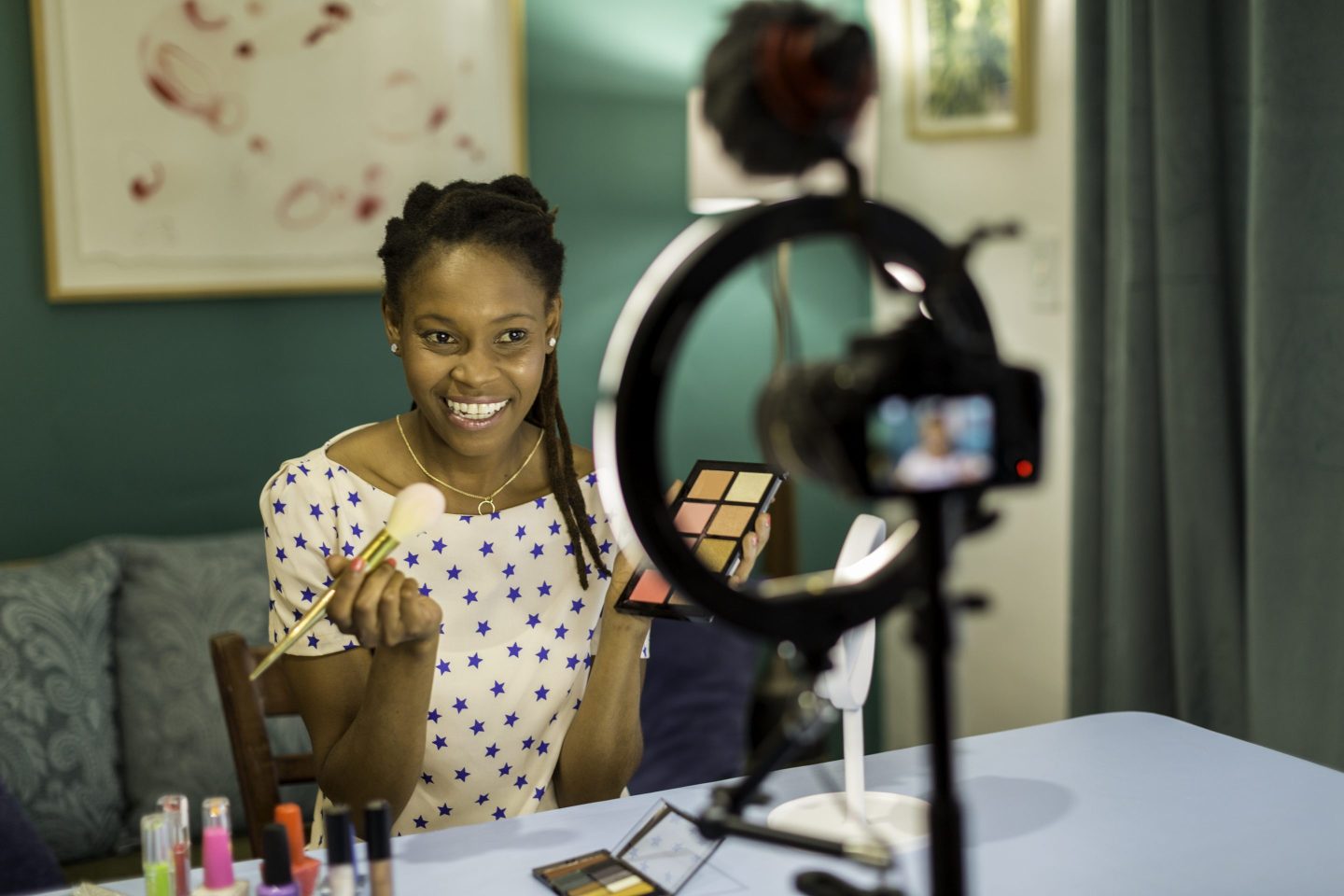
Fiscal authorities and statisticians have long underestimated different types of economic activity, and side hustles are no different, according to Paul Donovan, chief economist at UBS Global Wealth Management.
In a Financial Times op-ed late last month, he pointed to a major milestone in the creator economy: an analysis from WPP Media indicated that creator-generated content would fetch the same share of global ad revenue as the radio and newspaper industries would in 2025.
“Advertising revenues are not flowing to traditional platforms,” Donovan wrote. “To get a message across in the modern world, you need to find a 15-year-old with a smartphone and a nice set of dance moves.”
While some influencers can make a living solely from their online content, most creators are more likely earning supplementary income, he said.
But a wider pool of people can tap into this business. For example, more musicians can now make money by putting out their music on streaming services, which bypass record labels that historically acted as gatekeepers.
“Online marketplaces abound, allowing anyone who thinks they have something to sell to find a customer without any of the expense of having to rent a physical shop,” Donovan explained.
But the economic impact is tricky to measure, as “social media influencer” isn’t an occupation tracked in labor force surveys, he added.
In fact, there has been a tendency to under-report growth due in part to such failures at measuring certain economic output.
In the case of the creator economy, the predominance of e-commerce means side-hustlers enjoy a huge potential market and minimal fixed costs. But data gatherers that follow large stores more than small online sellers lowball total consumer spending.
“The side hustle has economic value, but the work is rarely recognized,” Donovan said.
On the flip side, measuring the amount of hours a creator spends on labor may be even trickier than tracking their sales, he noted. That could skew productivity data.
Another issue is how to tax side-hustle revenue, which is a growing problem for many fiscal authorities. Because the effort required to tax every small business can cost more than the revenue generated, sole proprietorships can often claim tax exemptions for some of their income.
“But as with the rethinking of small package tariff exemptions, fiscal authorities might have to reassess the tax-free allowances of the side hustle,” he warned.
This issue has actually come up recently in Florida, where a Republican candidate for governor has proposed a 50% “sin tax” on OnlyFans creators to fight “cultural degeneracy” and discourage young women from selling nude photos of themselves.
That drew the ire of content creator Sophie Rain, who told People magazine it was the “the dumbest thing I’ve ever heard of.”
“No one ever forced me to start an OnlyFans, it was MY decision, so I don’t need a 31-year-old man telling me I can’t sell my body online,” she said. “I am a Christian, God knows what I am doing, and I know He is happy with me. That’s the only validation I need.”