California’s proposed wealth tax aims to go after billionaires’ balance sheets, but it largely sidesteps the way many ultrawealthy people actually generate spendable cash: they borrow against their assets, tax‑free, and never “realize” income in the first place. As long as that borrowing model stays intact, a one‑time levy on wealth may raise money once, but it does little to change the system that lets cash‑poor billionaires live richly while reporting very little taxable income.
California is weighing a ballot measure, the Billionaire Tax Act, that would impose a one‑time 5% tax on the total assets of state residents worth $1 billion or more. The tax would apply to anyone who was a California resident on January 1, 2026, with payment due in 2027 and the option to stretch it over five years for an additional charge.
Supporters, led by a major healthcare workers’ union, pitch the measure as a way to raise roughly $100 billion to backfill expected federal healthcare cuts and force the wealthy to pay what they call their fair share. Gov. Gavin Newsom has warned that the levy could backfire by accelerating a departure of high‑net‑worth residents, even as he continues to defend the state’s broader progressive tax system.
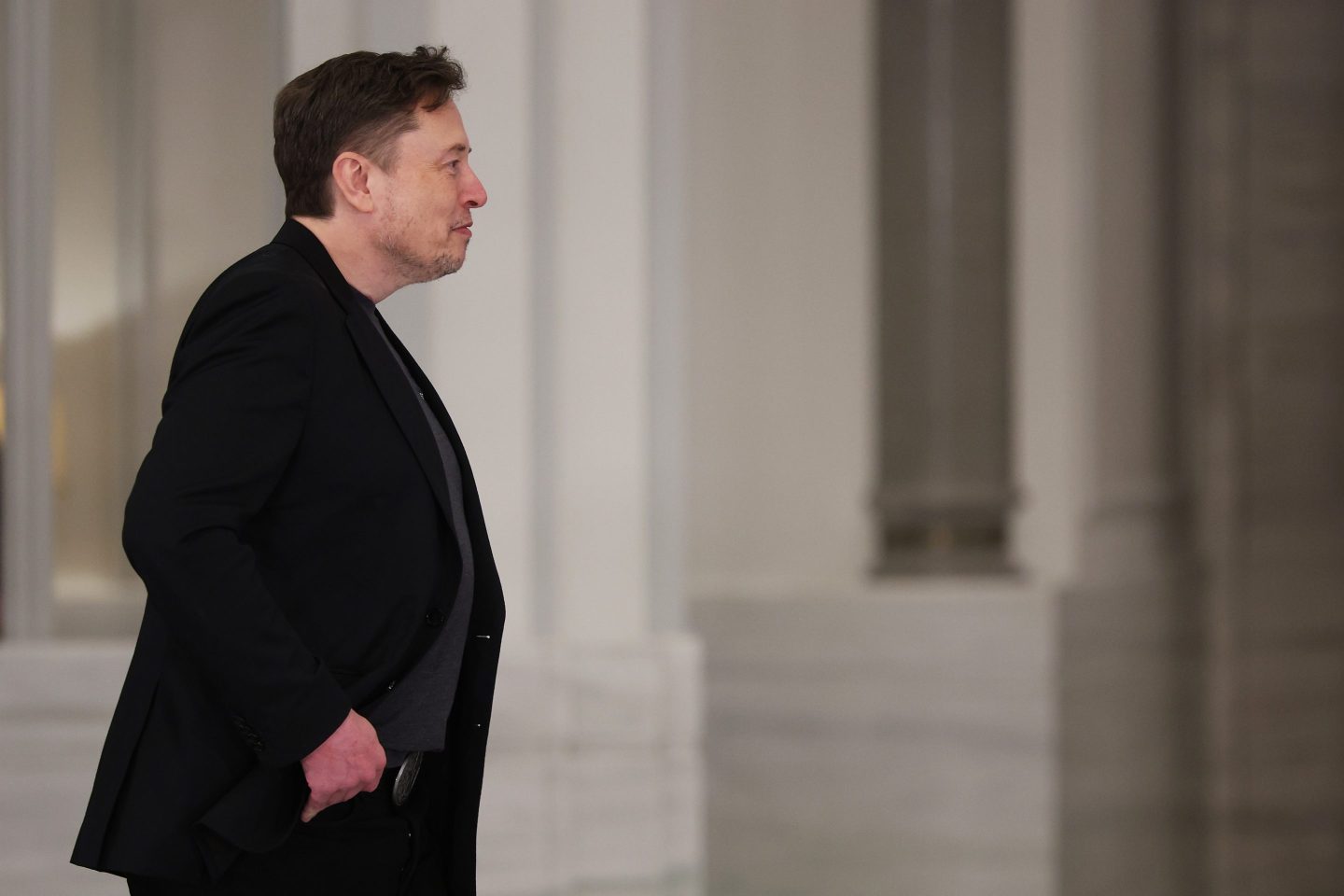
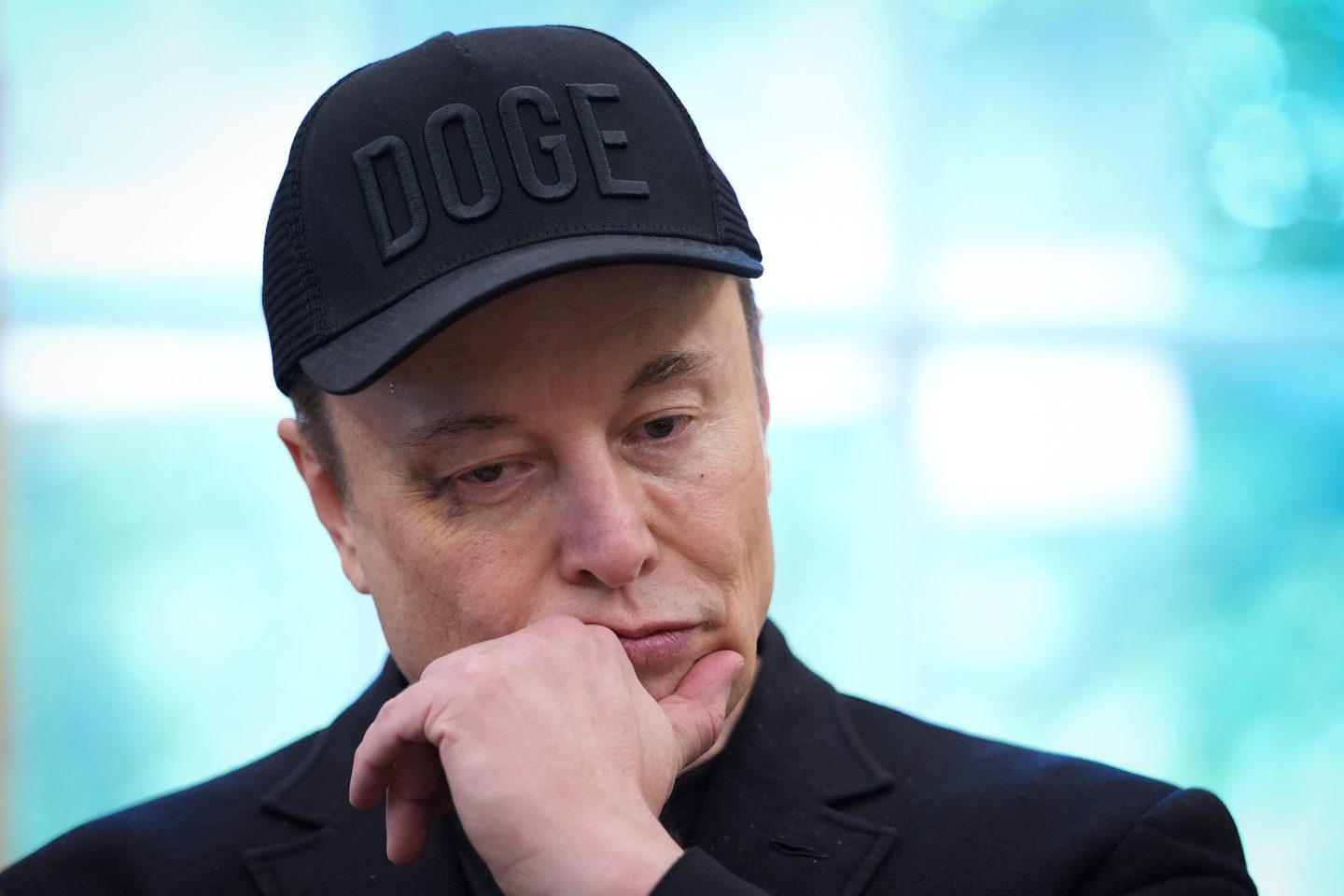
To take this example from the abstract into the practical, consider the examples of Elon Musk, the world’s richest man, and Mr. Beast, the world’s most popular YouTuber. Musk does not live on a normal “salary” the way most people do, with most of his wealth tied up in shares of his companies such as Tesla and SpaceX, and he typically finances his spending by borrowing against those holdings and occasionally selling stock. In that sense, he is extremely asset‑rich but comparatively low on ordinary cash income, using large credit lines backed by his equity to pay for homes, jets, and other expenses instead of taking regular paychecks.
Mr. Beast, meanwhile, told The Wall Street Journal just days ago that he has “negative money right now … “I’m borrowing money right now — that’s how little money I have.” While he isn’t the CEO of a publicly traded company like many of the California billionaires being targeted by this proposed tax, Mr. Beast, or Jimmy Donaldson, is always reinvesting in his content, he explained, leaving very little in his bank account.
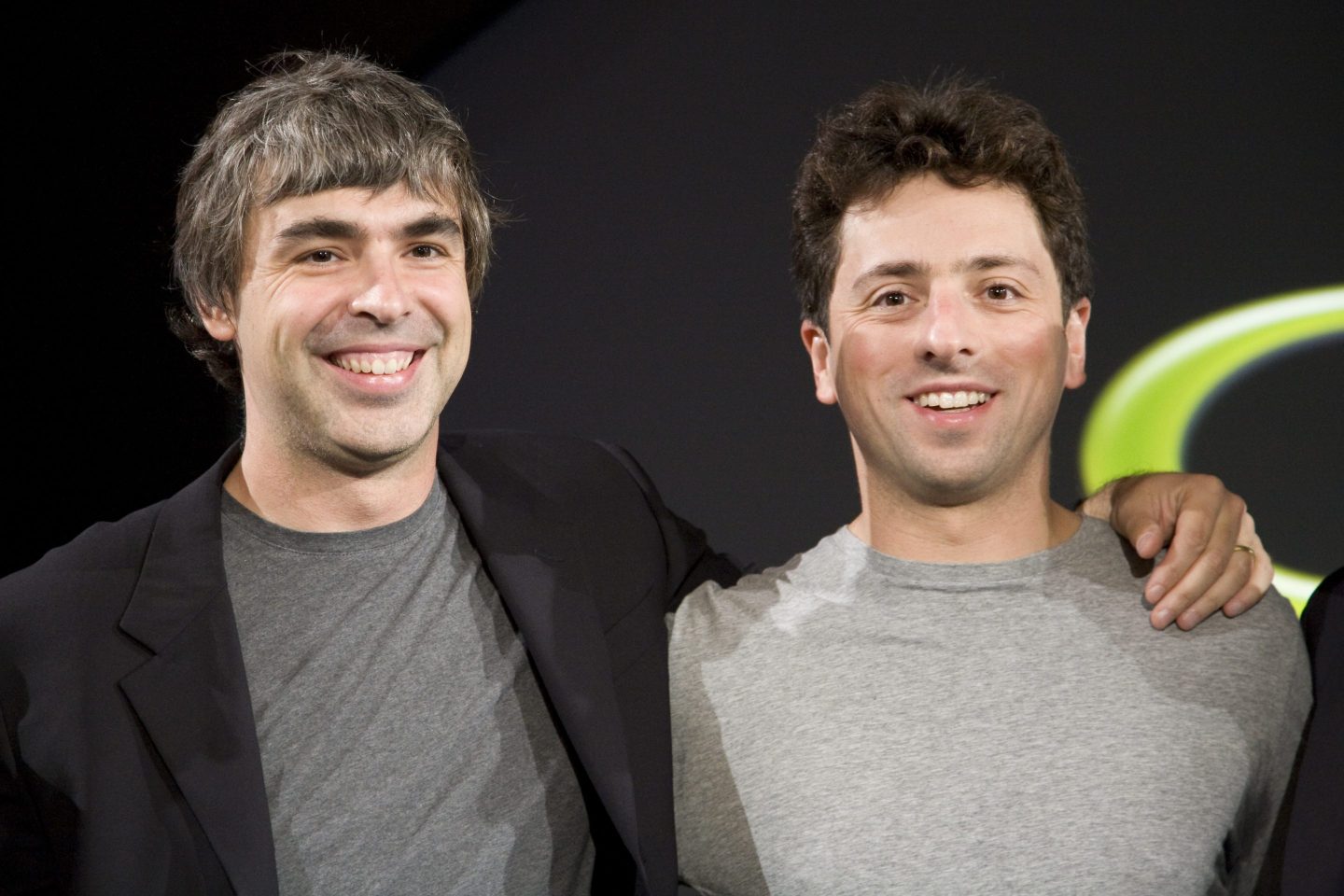
Anduril founder Palmer Luckey pointed out this tension in a heated social media exchange with Rep. Ro Khanna, who supports the billionaire tax. “You are fighting to force founders like me to sell huge chunks of our companies to pay for fraud, waste, and political favors for the organizations pushing this ballot initiative,” Luckey wrote, noting that the tax would create more problems than it would solve. Other executives voted with their feet, with the Google guys saying goodbye to California, The New York Times reported, as Larry Page and Sergey Brin both moved to sever ties, Page with a very Bezosian playbook centered on trophy properties in Miami. Here’s why Luckey has a point that this tax is going after the wrong things, and the strange reason these billionaires don’t actually have that much cash on hand.
The ‘Buy‑Borrow‑Die’ reality
The deeper problem lies in how modern billionaires convert paper wealth into cash without ever showing much taxable income. Rather than selling stock or private‑company shares and realizing capital gains, they pledge those assets as collateral, borrow against them, and use the loan proceeds to fund everything from yachts and mansions to new investments.
Because U.S. tax law does not treat borrowed money as income, these loans incur no income‑tax bill, even when they finance lavish lifestyles. Policy analysts often describe this as the “buy, borrow, die” strategy: buy appreciating assets, borrow against them to live, then let heirs inherit those assets with stepped‑up basis after death, erasing much of the embedded tax liability.
Under U.S. tax law, loan proceeds are not treated as income because they must be repaid, so they are not taxed when received. If a billionaire borrows against appreciated stock or real estate instead of selling it, there is no sale, so no capital gain is realized and no capital gains tax is triggered.
It works like this:
- Step 1 – Buy: They acquire assets expected to appreciate over time (founder stock, real estate, private businesses) and hold them for decades, letting gains build up untaxed as “unrealized” gains.
- Step 2 – Borrow: They pledge those assets as collateral for large credit lines or loans (e.g., margin loans, securities‑backed lines of credit, loans against real estate) and live or invest using that borrowed cash instead of selling.
- Step 3 – Die: When they die, heirs get a “step‑up in basis,” meaning the tax cost basis resets to current market value, wiping out the built‑up unrealized gain for income‑tax purposes.
Why a One‑Time Wealth Tax Misses
California’s own fiscal watchdogs have noted that many top earners already avoid large state income taxes by borrowing against appreciated stock instead of selling it. A one‑time 5% charge on net worth would hit that accumulated wealth once, but wouldn’t touch the ongoing flow of tax‑free cash that comes from asset‑backed borrowing. As Luckey notes, it would force these billionaires to liquidate assets to come up with the cash that the law would require, making a move out of California an easier alternative for those with the means to do it—and billionaires have the means.
Critics warn the proposal could encourage more billionaires to leave without permanently changing their incentives to realize income or pay taxes where they actually live. Venture capitalist Chamath Palihapitiya estimates that about $1 trillion in billionaire wealth has already left California amid the tax fight, raising the risk that the state loses future income‑tax revenue while capturing only a single extraordinary haul.
Solving the real problem
Tax experts argue that if policymakers want to reach the cash‑poor, asset‑rich class, they must tax the proceeds of wealth, not just the stock of it at a moment in time. Proposals include state‑level “wealth proceeds” taxes that more comprehensively tax capital gains and investment income, and reforms to reduce the bias that favors borrowing over selling appreciated assets. Edward Fox and Zachary Liscow, law professors at the University of Michigan and Yale, respectively, have suggested a way to close the “billionaire borrowing loophole” by changing the law so that borrowing is treated as income.
Without such structural changes, California’s wealth tax risks being a dramatic, politically appealing gesture that leaves the core architecture of billionaire tax avoidance—and the tax‑free loans that underpin it—largely intact. And it would seemingly leave California with a lot fewer billionaires.
For this story, Fortune journalists used generative AI as a research tool. An editor verified the accuracy of the information before publishing.