In a landscape where corporations are scrambling to adopt generative AI, one of Accenture’s top executives responsible for artificial intelligence (AI) offered a stark reality check to business leaders: it’s not a side project.
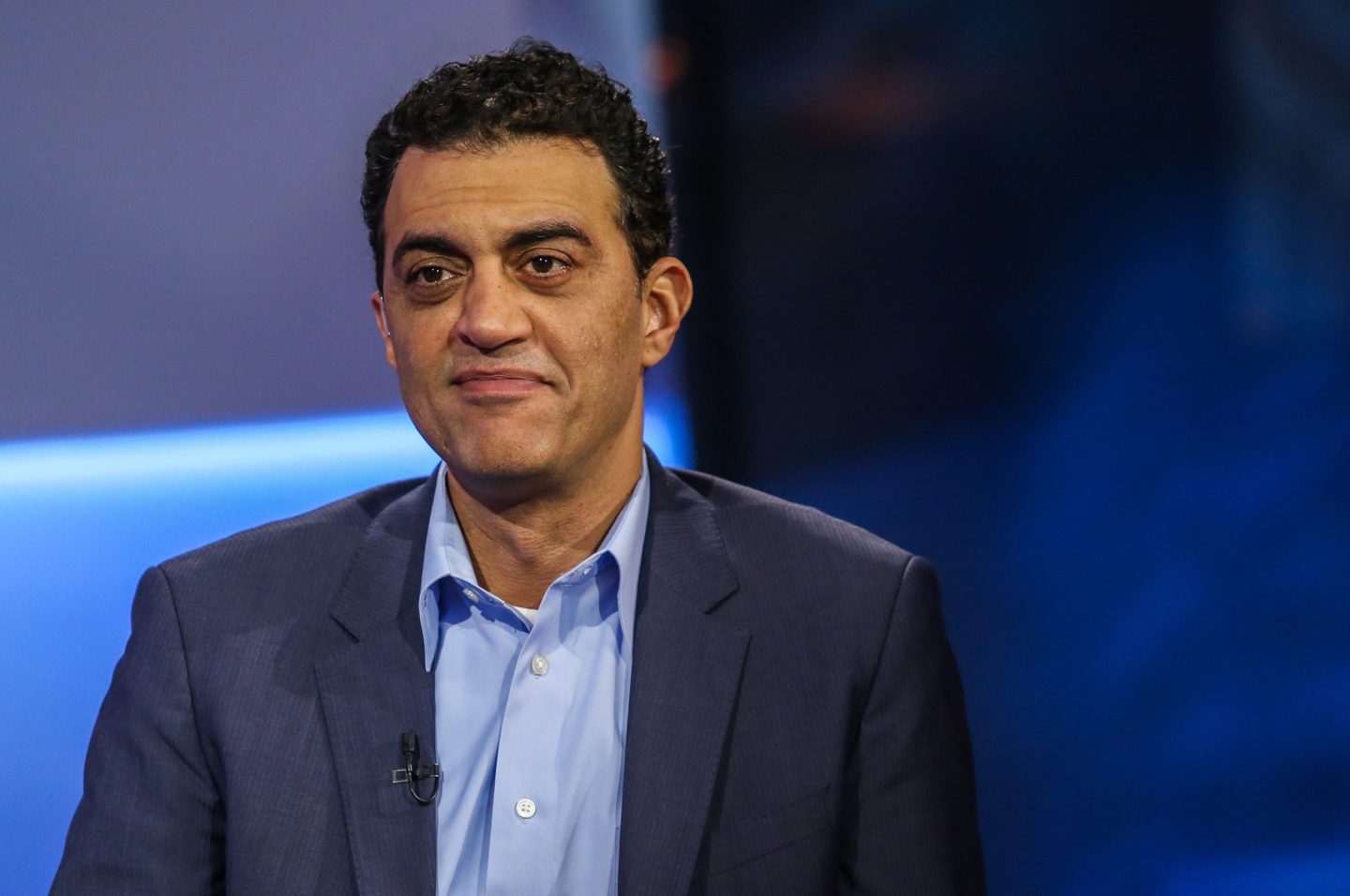
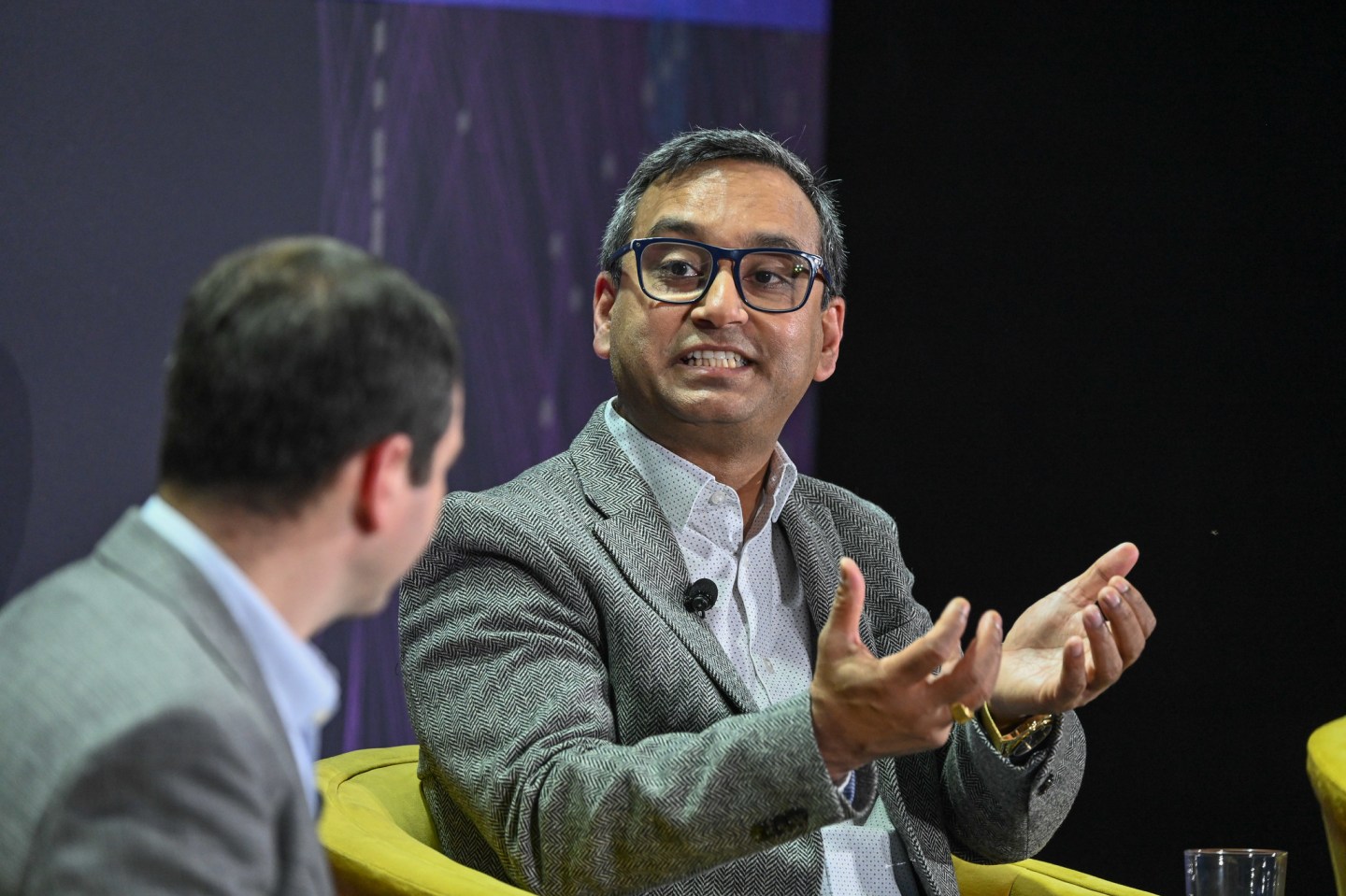
During the recent Fortune Brainstorm AI conference, Arnab Chakraborty, Chief Responsible AI Officer at Accenture, argued that the era of treating technology roadmaps as distinct from corporate goals is over. “The data and AI strategy is not a separate strategy, it is the business strategy,” he said, emphasizing that for modern organizations, these elements must be the foundation of the entire operation.
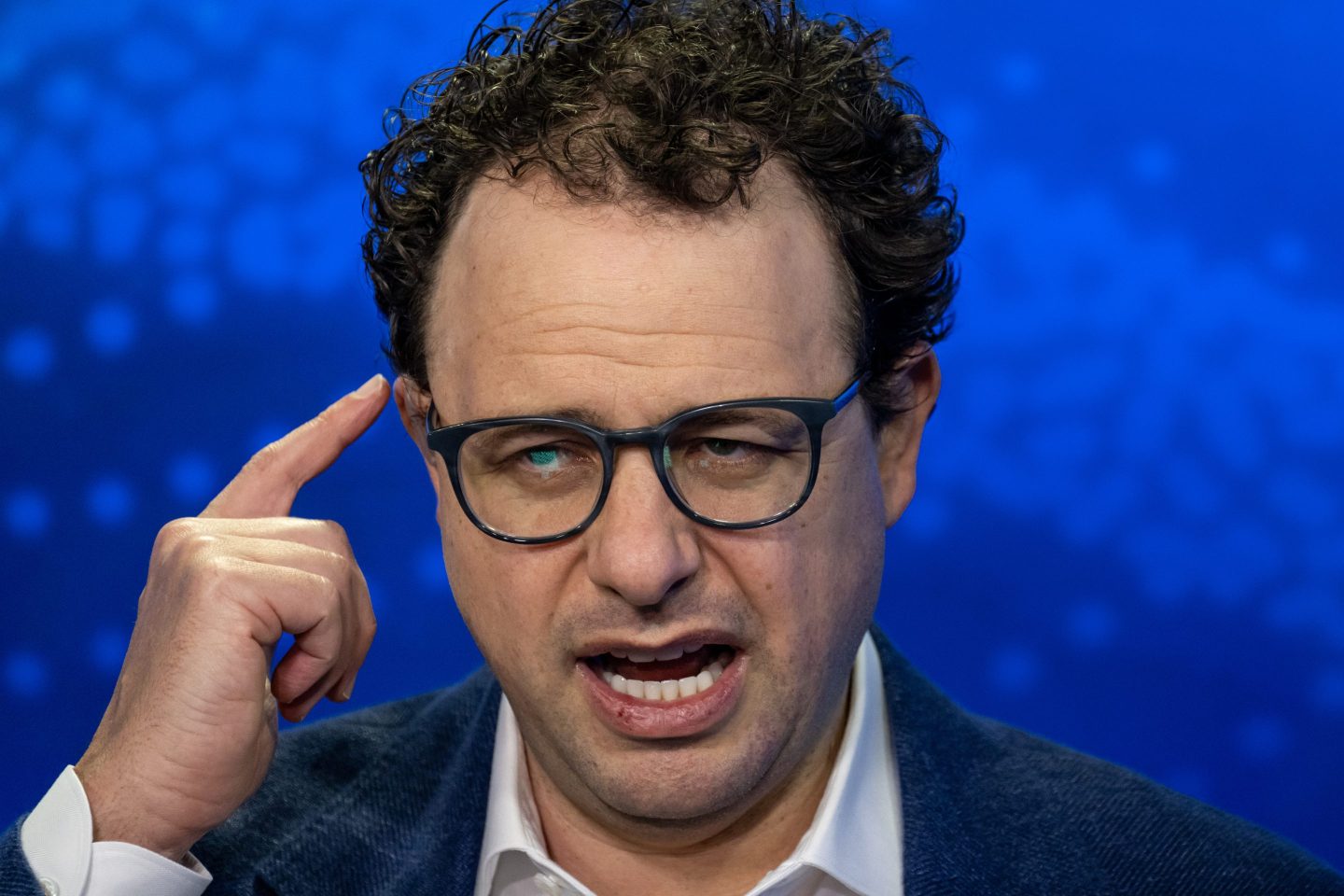
This insight stems from a massive, ongoing collaboration between Accenture and Australian telecommunications giant Telstra. In January 2025, the two companies moved beyond a traditional client-consultant relationship to form a dedicated joint venture, a move designed to bypass the sluggishness of typical corporate structures. Dayle Stevens, a Telstra data and AI executive, told moderator Jeremy Kahn that the company had a five-year strategic roadmap but realized the market was moving too fast for standard timelines. “We thought we could do what we wanted to do within five years and we wanted to do it within two.”
To achieve this, the partners had to break free from the rigidity of the annual budget cycle that plagues most large enterprises. Chakraborty said the JV has been a “very bold move” and “industry first,” both for telecoms and consulting. “We had to form a new company, you know, where this whole setup of data and AI has been formed and what it is doing is, it is creating a new identity.” He said it’s still very integrated with Telstra but is bringing in innovation from the consulting world and Silicon Valley.
Fixing the foundation first
Chakraborty argued that, based on what he’s learned, when forming an agentic organization it’s important to not just think about the technology. “Think about the people and the culture. It is so paramount.” This is important, he added, because in order to drive AI adoption, “you are actually redefining the culture of the organization.”
When it gets to the tech, of course, you have to clean up the mess of legacy systems. Chakraborty warned leaders not to “get carried away with the shiny AI” and neglect the unglamorous work of data foundations.
Stevens offered a candid look at the technical debt facing large organizations. Telstra, like many established enterprises, had allowed complexity to spiral, operating with “80 different data platforms” because various departments had historically sourced data independently.
“You can’t get data quality without improving that data ecosystem,” Dale said. The company is now in the midst of a radical simplification to consolidate those 80 platforms down to just three. They have already reduced the count to 27 and plan to finish the consolidation within 18 months.
Flexibility and empathy
The annual cycle can be a trap, Stevens added, with big corporations locking in spending plans every 12 months but “AI moves really fast.” She said that an internal disruption for Telstra is that it has to be “much more adaptive. We have to be much more agile to be able to pivot and change as new technologies and opportunities come out.”
Stevens recounted how Telstra rolled out a generative AI tool called “Ask Telstra” to frontline staff. Instead of framing it as an efficiency play, they introduced it as a solution to the employees’ biggest complaint, or “pain points.” The response was overwhelming, she said: “We literally got a standing ovation,” suggesting that workers are ready to adopt AI, but there are lots of kinks to work out, and their employer needs to be aware and supportive of that.
The Telstra executive also said the Australian media was taken by the narrative that AI would replace jobs and so they had introduced an “AI Academy” to communicate to workers that they would be actively reskilling people. When you focus on the human aspect, and those pain points, Stevens added, it’s very well received.
Earlier in the panel, Chakraborty highlighted another human element that is falling short in the AI narrative. “I would say trust is critical,” he said. “You know, today the challenge on [return on investment] is because of lack of trust,” he added, alluding to how many billions have been spent on data-center infrastructure to support AI adoption, without an underlying faith in the returns to come. It also extends, he added, to “how do you focus on trust by design of AI systems? And how are you enabling your people and the organization to alleviate the trust along with your stakeholders? So how have you done that?”
It’s a question that the executives strongly recommend every business leader consider. “I think the leadership commitment to ‘walk the talk’ is extremely important,” Chakraborty said. “[The] CEO and the CEO’s direct reports [have to be] fully behind this. There is a pull from them. They are personally walking the talk. I think that goes a long way … in bringing the people along.”