Good morning. Switching things up one last time (promise!) in celebration of our fifth annual Fortune Brainstorm AI.
Below, three more highlights from our gathering, plus the day’s tech news in “More tech.”
We’ll be back to our regularly scheduled format on Friday. —Andrew Nusca
Want to send thoughts or suggestions to Fortune Tech? Drop a line here.
OpenAI COO Brad Lightcap says ‘code red’ will force the company to focus
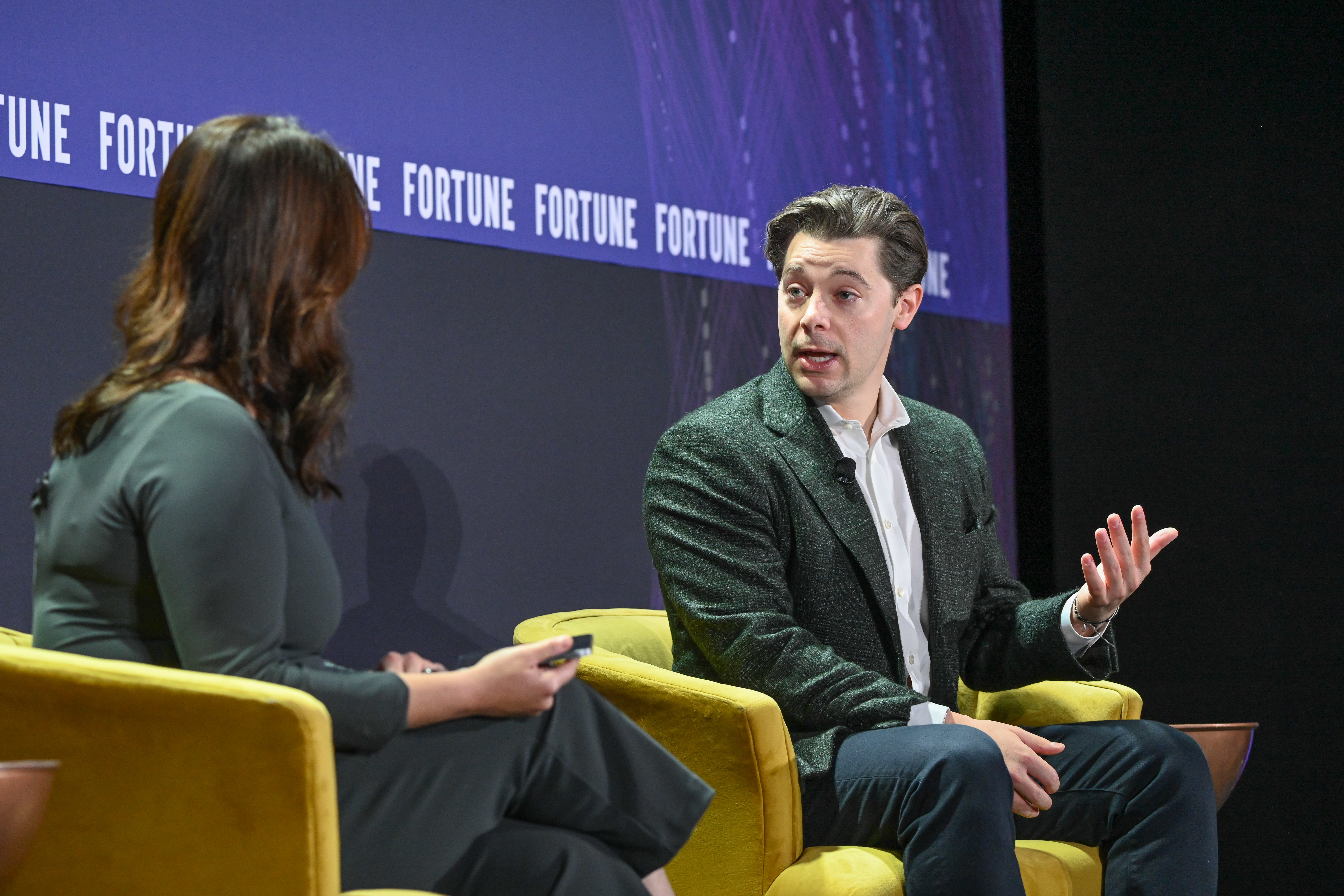
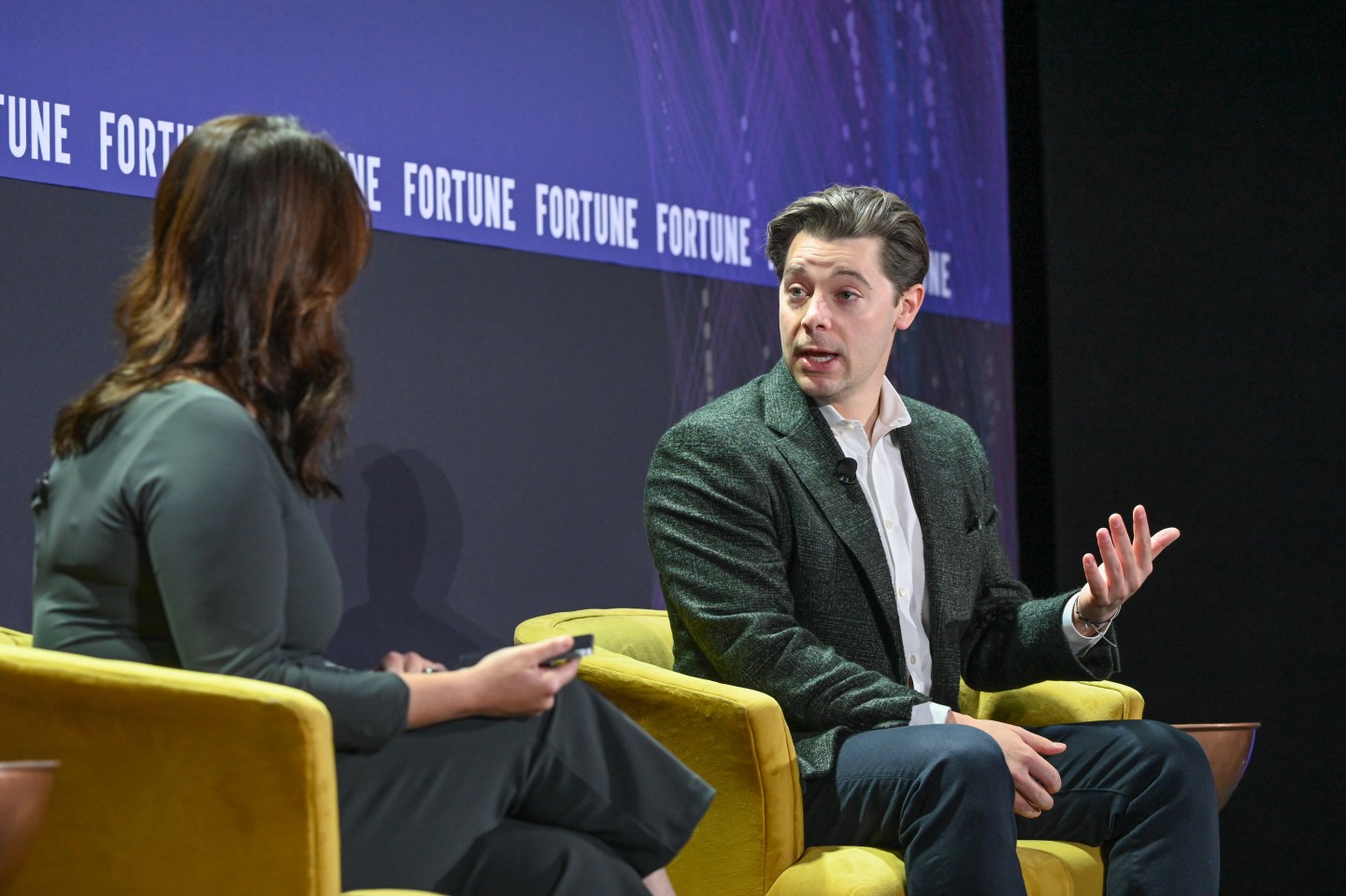
OpenAI chief operating officer Brad Lightcap says the company’s recent “code red” alert will force the $500 billion startup to “focus” as it faces heightened competition.
“I think a big part of it is really just starting to push on the rate at which we see improvement in focus areas within the models,” Lightcap said onstage at Fortune Brainstorm AI in San Francisco on Tuesday. “What you’re going to see, even starting fairly soon, will be a really exciting series of things that we release.”
Last week, in an internal memo shared with employees, OpenAI CEO Sam Altman said he was sounding the alarm within the organization. Altman told employees it was “a critical time for ChatGPT,” the company’s flagship product, and that OpenAI would delay other initiatives, including its advertising plans, to focus on improving the core product.
At Brainstorm AI on Tuesday, Lightcap framed the “code red” alert as a standard practice that many businesses occasionally undertake to sharpen focus, and not an OpenAI-specific action. But Lightcap acknowledged the importance of the move at OpenAI at this moment, given the growth in headcount and projects over the past couple of years.
“It’s a way of forcing company focus,” Lightcap said. “For a company that’s doing a bazillion things, it’s actually quite refreshing.”
He added: “We will come out of it. I think what comes out of it that way will be really exciting.” —Beatrice Nolan
‘Customers don’t care about AI,’ Intuit CEO says
While Wall Street and Silicon Valley are obsessed with artificial intelligence, many businesses don’t have the luxury to fixate on AI because they’re too busy trying to grind out more revenue.
At Fortune Brainstorm AI in San Francisco on Monday, Intuit CEO Sasan Goodarzi acknowledged the day-to-day priorities of users of his company’s products, such as QuickBooks, TurboTax, Mailchimp, and Credit Karma.
“I remind ourselves at the company all the time: Customers don’t care about AI,” he told Fortune’s Andrew Nusca. “Everybody talks about AI, but the reality is a consumer is looking to increase their cash flow. A consumer is looking to power their prosperity to make ends meet. A business is trying to get more customers.”
Of course, AI still powers Intuit’s platforms, which help companies and entrepreneurs digest data that’s often stovepiped across dozens of separate applications they juggle. So Intuit declared years ago that it would focus on delivering “done-for-you experiences,” Goodarzi said.
On the enterprise side, it means helping businesses manage sales leads, cash flow, accounting, and taxes. On the consumer side, it entails helping users build credit and wealth. Expertise from a real person, or human intelligence, is an essential component as well.
“Customers don’t care about AI,” Goodarzi added. “What they care about is, ‘Help me grow my business, help me prosper.’” —Jason Ma
Young people are ‘growing up fluent in AI’ and that’s helping them stand apart
Gen Z and younger generations are getting a bad rap.
The rise of ChatGPT and other AI tools has brought on complaints that students and young employees rely too much on AI to do everything from completing homework to writing emails.
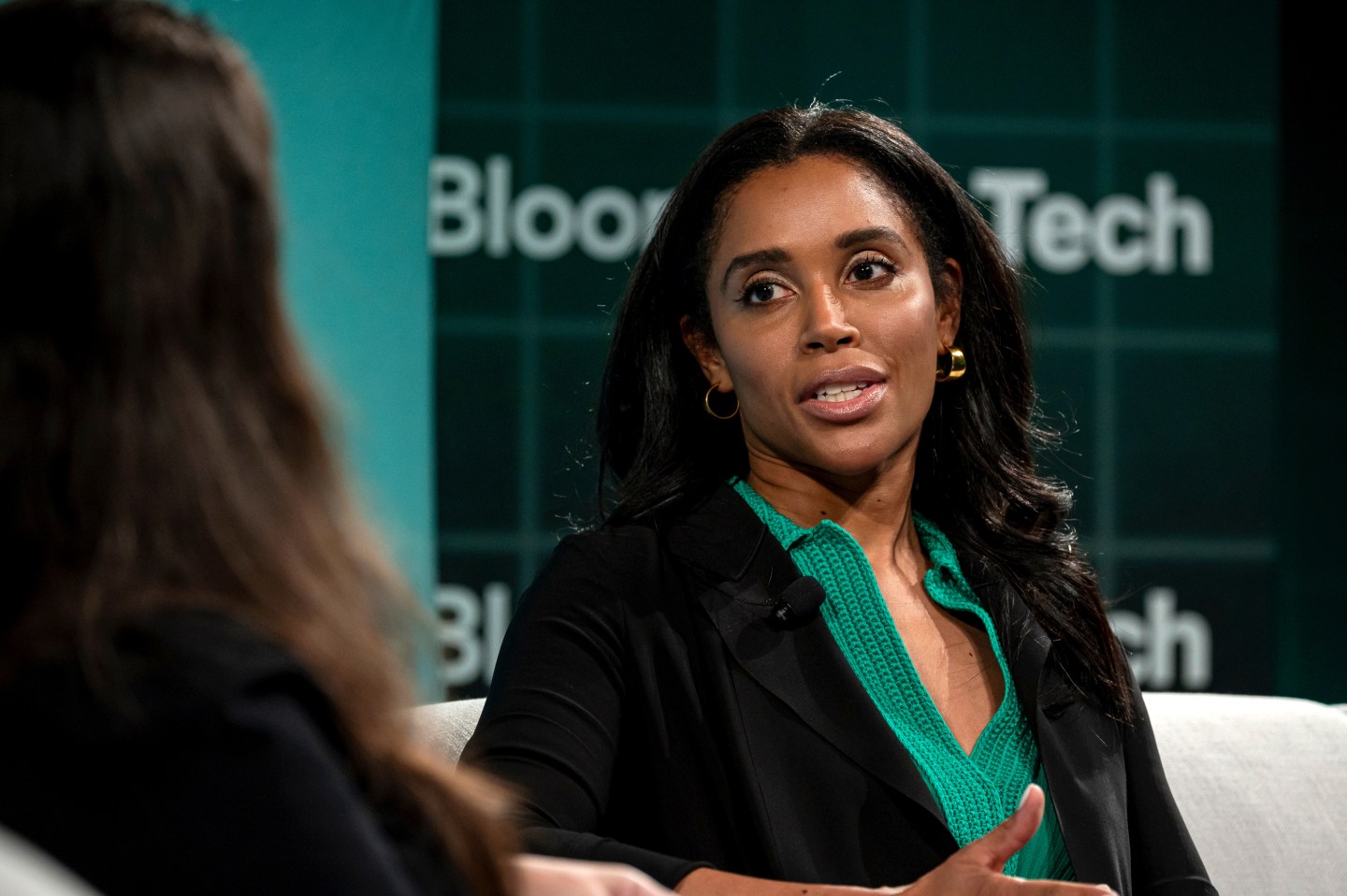
Yet Kiara Nirghin, a Stanford technologist and Gen Z entrepreneur, sees Gen Z’s comfort with AI as an asset. “The younger generation isn’t adopting AI, we’re growing up fluent in AI,” she said at Fortune Brainstorm AI in San Francisco on Tuesday.
Nirghin, who co-founded Chima, a U.S.-based applied AI research lab, explained that young entrepreneurs see coding as something to be done alongside AI agents, rather than done alone and from scratch.
AI “fundamentally changes how you write, how you take tests, [and] how you apply to jobs or different applications—because it’s not from the ground up. It’s actually being able to do that with different models or agents, side by side,” Nirghin said.
AI fluency sets Gen Z individuals apart from their older peers, allowing them to pioneer use cases and applications of AI that have yet to be unlocked, she explained.
Some experts have argued that AI has eroded our critical thinking abilities. A 2025 study by researchers from MIT’s Media Lab found that users of ChatGPT “consistently underperformed at neural, linguistic, and behavioral levels.”
But Nirghin argued that this isn’t always true. “The biggest misconception is that young people are using AI to not think things through,” she said, “[but] I think that really intelligent Gen Z individuals are using it to think even deeper.” —Angelica Ang
More tech
—Blue Origin’s AI plan. More than a year’s work on “orbital data centers.”
—Adobe’s 2026 forecast tops estimates. Better-than-predicted revenue and profit thanks to strong demand for design tools, increasing monetization for AI.
—“Delusional outputs” by AI chatbots could violate the law, U.S. states say in a letter to Meta, Microsoft, Google, Apple, and others.
—Oracle shares drop 11%. Lower-than-expected quarterly revenue and a jump in full-year capital expenditures from $35 billion to $50 billion.
—Spotify debuts “steer the algorithm” strategy. Write a prompt for a playlist, get something informed by your listening history.
—Tim Cook lobbies against app store age verification. The Apple CEO would rather parents do the job.
—Concerned about AI chip supply, Alibaba and ByteDance are reportedly mulling Nvidia H200 chip orders.