Netflix Inc. investors were already skeptical about its $72 billion deal for Warner Bros. Discovery Inc. Now the threat of having to pay even more and potentially face a protracted regulatory fight is making matters worse.
Shares of Netflix closed down 3.4% on Monday, at the lowest since mid-April, after Paramount Skydance Corp. made a $108 billion hostile bid for the HBO owner and President Donald Trump said the Netflix deal “could be a problem.” The stock is down more than 20% since Oct. 21, when a disappointing third-quarter earnings report added to unease about its potential pursuit of Warner Bros.
“A higher bid by Paramount makes it more likely that either Netflix has to increase its price or walk away,” said Uday Cheruvu, portfolio manager at Harding Loevner, which owns Netflix shares. Even if Netflix prevails, the acquisition is risky because it involves integrating a whole new organization and “the problems that brings,” Cheruvu said.
After rallying early in 2025, Netflix shares have been under pressure in recent months amid concerns about its growth outlook and its costly pursuit of Warner Bros. The stock has plunged 28% since the end of June, making it the seventh-worst performer in the Nasdaq 100 Index in the second half of the year. What had been a 50% advance in the first six months of 2025 is now down to less than 8%.
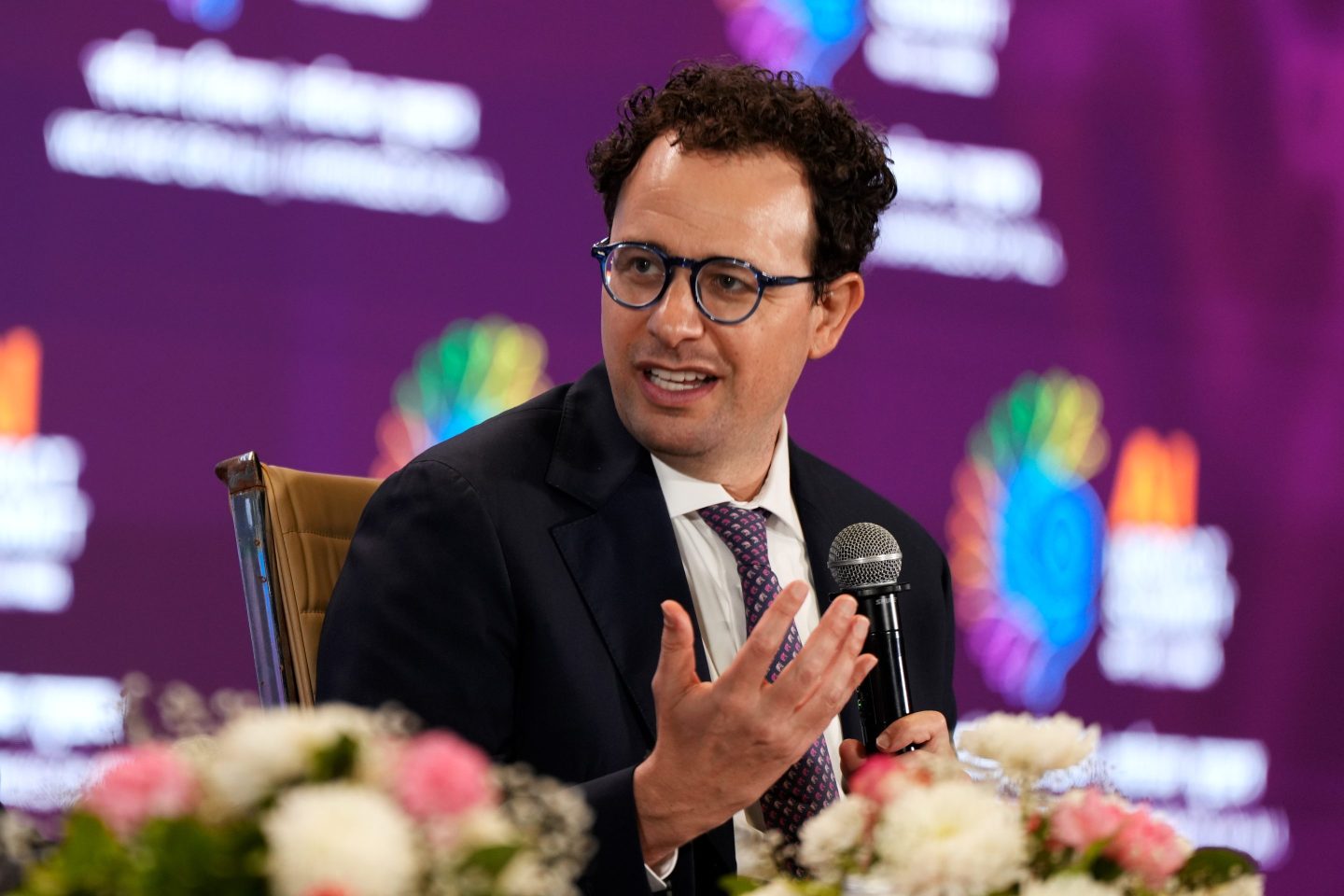
Netflix faces a lengthy Justice Department review of the deal. Co-Chief Executive Officer Ted Sarandos, who met with Trump at the White House recently to lobby for the deal, and fellow co-CEO Greg Peters told investors at a UBS conference in New York on Monday that they’re “extremely confident” that their deal with Warner Bros. will be approved. Netflix agreed to pay Warner a $5.8 billion breakup fee, one of the largest ever, if the agreement falls apart or fails to gain regulatory approval.
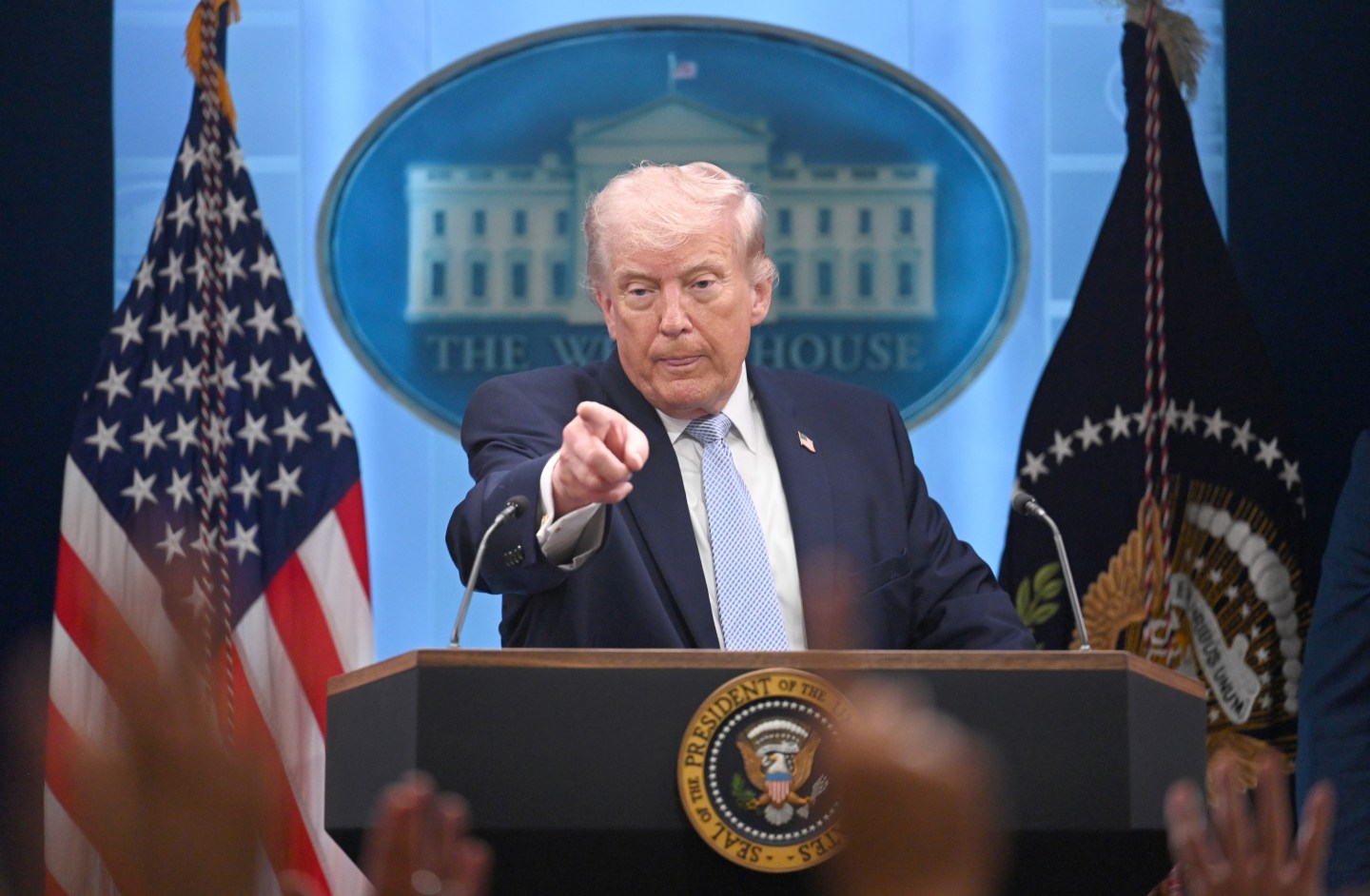
On Sunday, Trump threw a wrench into the works, questioning the antitrust ramifications of the combination. “It is a big market share,” he said. “It could be a problem.”
The outlook for the deal is complicated further by the involvement of Trump’s son-in-law, Jared Kushner, who is participating in the Paramount offer through his Affinity Partners investment vehicle.
A representative for Netflix didn’t respond to a request for comment.
Regulatory uncertainty aside, the Warner Bros. acquisition marks the latest pivot for Netflix, which has long shunned large deals but has shown a willingness to shift strategy in recent years in pursuit of growth, including pushing into live events and advertising.
“What bothers me with Netflix is that they change their mind all the time,” said Vikram Rai, a portfolio manager and macro trader at First New York. “They keep trying to do everything.”
Rai sold the Netflix shares he owned in his personal account on Friday after the deal was announced and doesn’t hold the stock with funds he manages professionally. Rai said he has “PTSD” from the disastrous AOL-Time Warner deal, which was announced near the peak of the dot-com bubble in January 2000.
The high cost of Warner Bros., regulatory risks and concerns about Netflix’s outlook for expansion prompted Rosenblatt Securities and Pivotal Research to cut ratings on the streaming giant to the equivalent of neutral from buy on Monday.
“We see an extended period of uncertainty and risks, balanced against a very small financial ROIC that clearly can’t be driving this deal,” Rosenblatt analyst Barton Crockett wrote in a research note, referring to return on invested capital.
Netflix’s revenue expansion is projected to shrink in each of the next two years after growing at an anticipated clip of 16% in 2025, according to data compiled by Bloomberg. Roughly two-thirds of the 59 analysts tracked by Bloomberg that cover Netflix have buy ratings. The stock has 16 holds and three sells.
While bulls acknowledge Netflix shares are likely to remain under pressure in the short term, they are betting the acquisition, if consummated, will be worth it in the long run.
“The stock has been in the penalty box, but this is a good deal for them,” said Conrad van Tienhoven, a portfolio manager at Riverpark Capital. “When the dust settles, people will realize it is getting a lot stronger from a content and content creation standpoint. It was already far and away the leader, and it just doubled down on its lead.”