Nvidia CEO Jensen Huang said China has an AI infrastructure advantage over the U.S., namely in construction and energy.
While the U.S. retains an edge on AI chips, he warned China can build large projects at staggering speeds.
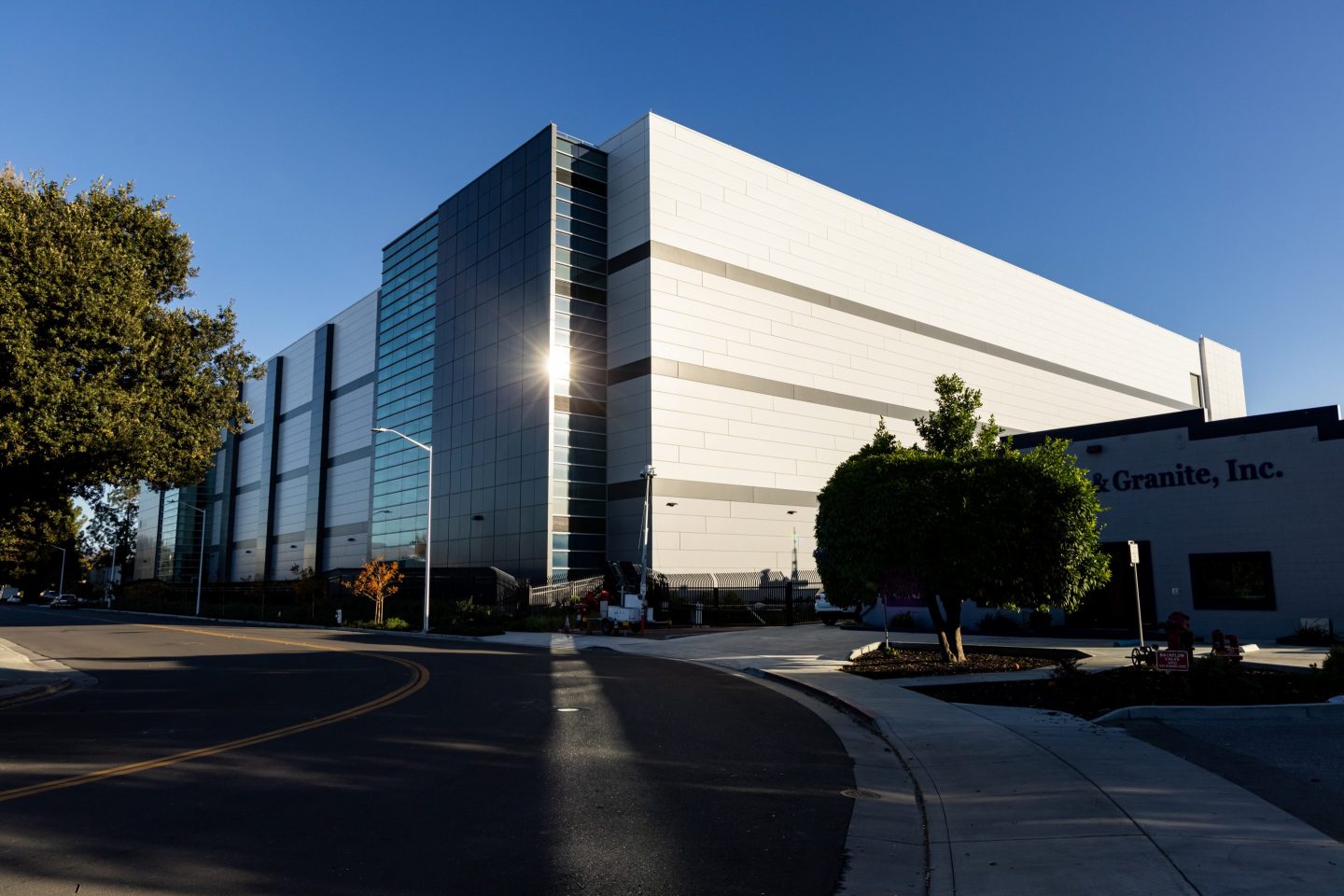
“If you want to build a data center here in the United States from breaking ground to standing up a AI supercomputer is probably about three years,” Huang told Center for Strategic and International Studies President John Hamre in late November. “They can build a hospital in a weekend.”
The speed at which China can build infrastructure is just one of his concerns. He also worries about the countries’ comparative energy capacity to support the AI boom.
China has “twice as much energy as we have as a nation, and our economy is larger than theirs. Makes no sense to me,” Huang said.
He added that China’s energy capacity continues to grow “straight up”, while the U.S.’s remains relatively flat.
Still, Huang maintained that Nvidia is “generations ahead” of China on AI chip technology to support the demand for the tech and semiconductor manufacturing process.
But he warned against complacency on this front, adding that “anybody who thinks China can’t manufacture is missing a big idea.”
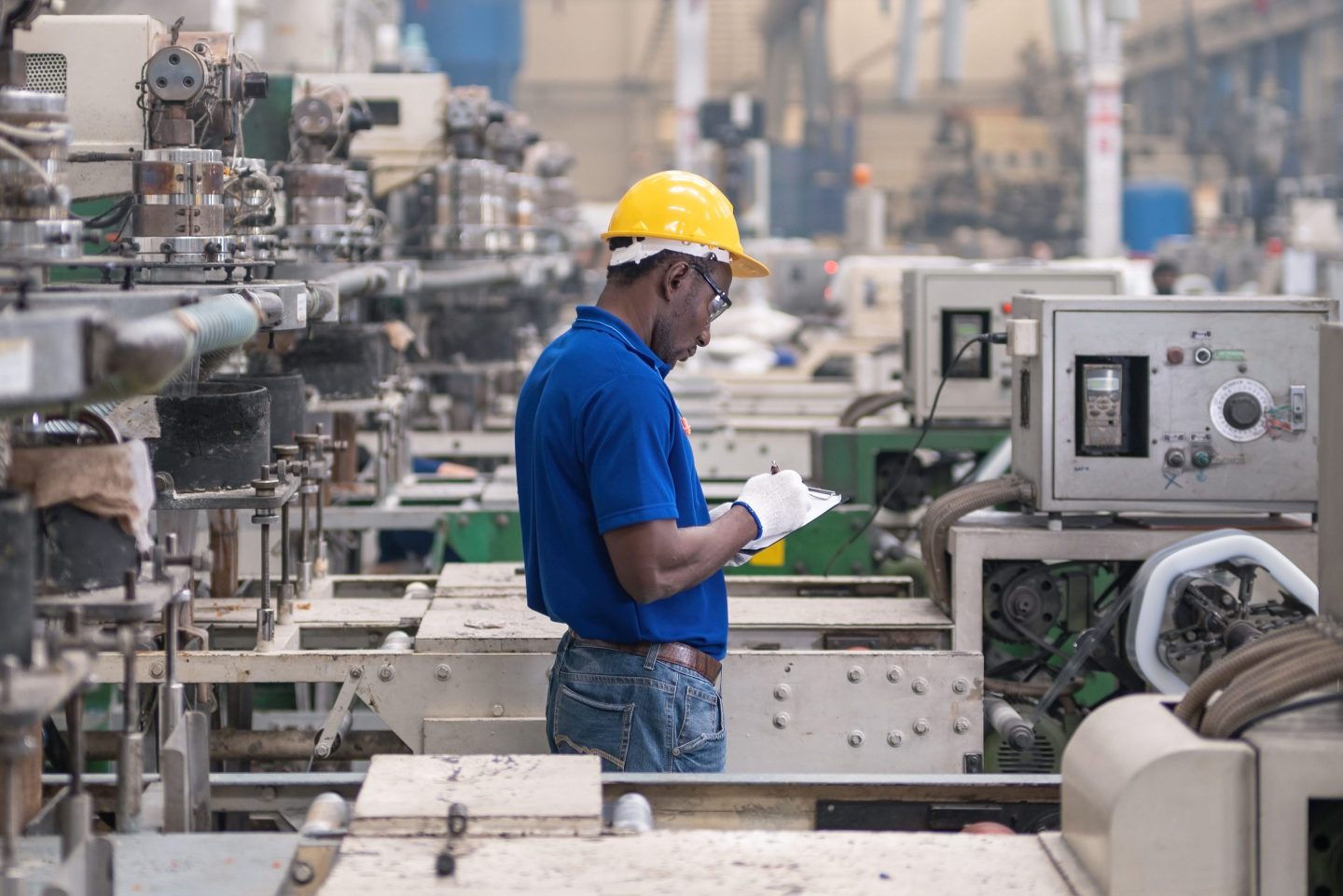
Yet Huang is hopeful about Nvidia’s future, noting President Donald Trump’s push to reshore manufacturing jobs and spur AI investments.
‘Insatiable AI demand’
Early last month, Huang made headlines by predicting China would win the AI race—a message he amended soon thereafter, saying the country was “nanoseconds behind America” in the race in a statement shared to his company’s X account.
Nvidia is just one of the big tech companies pouring billions of dollars into a data center buildout in the U.S., which experts tell Fortune could amount to over $100 billion in the next year alone.
Raul Martynek, the CEO of DataBank, a company that contracts with tech giants to construct data centers, said the average cost of a data center is $10 million to $15 million per megawatt (MW), and a typical data centers on the smaller side requires 40 MW.
“In the U.S., we think there will be 5 to 7 gigawatts brought online in the coming year to support this seemingly insatiable AI demand,” Martynek said.
This shakes out to $50 billion on the low end, and $105 billion on the high end.