Rich mega-donors like MacKenzie Scott have been pumping hundreds of millions of dollars into philanthropic causes—but Trump’s new tax policies could put billionaire charity in jeopardy. And America’s middle class won’t be able to pick up the pieces.
President Donald Trump’s “One Big Beautiful Bill,” signed into law this July, will limit tax benefits for wealthy donors starting in 2026. The new ceiling will cut the effective tax benefit from 37% to 35%. The legislation also suppresses tax breaks for itemizers: They’ll be able to deduct donations only in excess of 0.5% of their adjusted gross income.
Now, philanthropic organizations and research institutions are waving the warning sign: It’s estimated that the 35% limit will reduce donations by at least $4.1 billion, and as much as $6.1 billion, according to the Indiana University Lilly Family School of Philanthropy. It’s a massive blow to charitable causes, as just a handful of billionaires give at proportions that middle-class voters won’t be able to match. Under this new bill, around 140 million average taxpayers who don’t itemize will still be able to deduct up to $1,000 in cash donations; around 90% have taken the standard deduction since it was raised during Trump’s first administration, in 2017.
“The nonprofit sector says that every dollar matters, and so incentivizing small donations from every household could have a meaningful impact for certain kinds of organizations,” Elena Patel, codirector of the Urban-Brookings Tax Policy Center, told CNBC. “But the truth is that those kinds of contributions, however, just are not the bulk of charitable giving in the charitable sector.
“That two-percentage-point reduction [for top earners] might not seem like a big deal, but you have to keep in mind the scale of gifts that are being given among the highest-net-worth individuals in the United States.”
The mega-donors hit with new tax policies—and why the middle class can’t fill the gap
America is home to the most billionaires in the world, and some are putting their mountains of cash to good use with mega-donations.
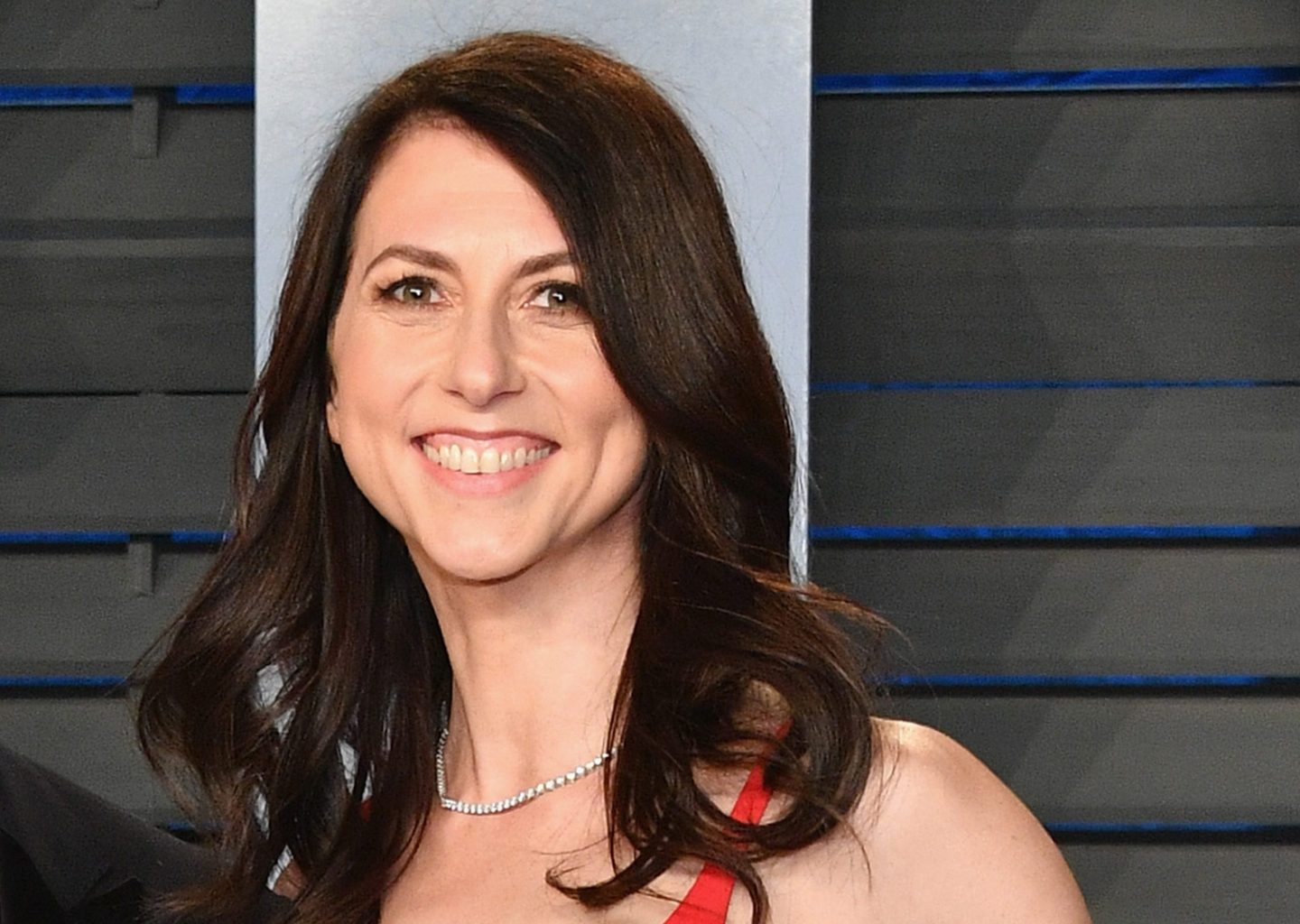
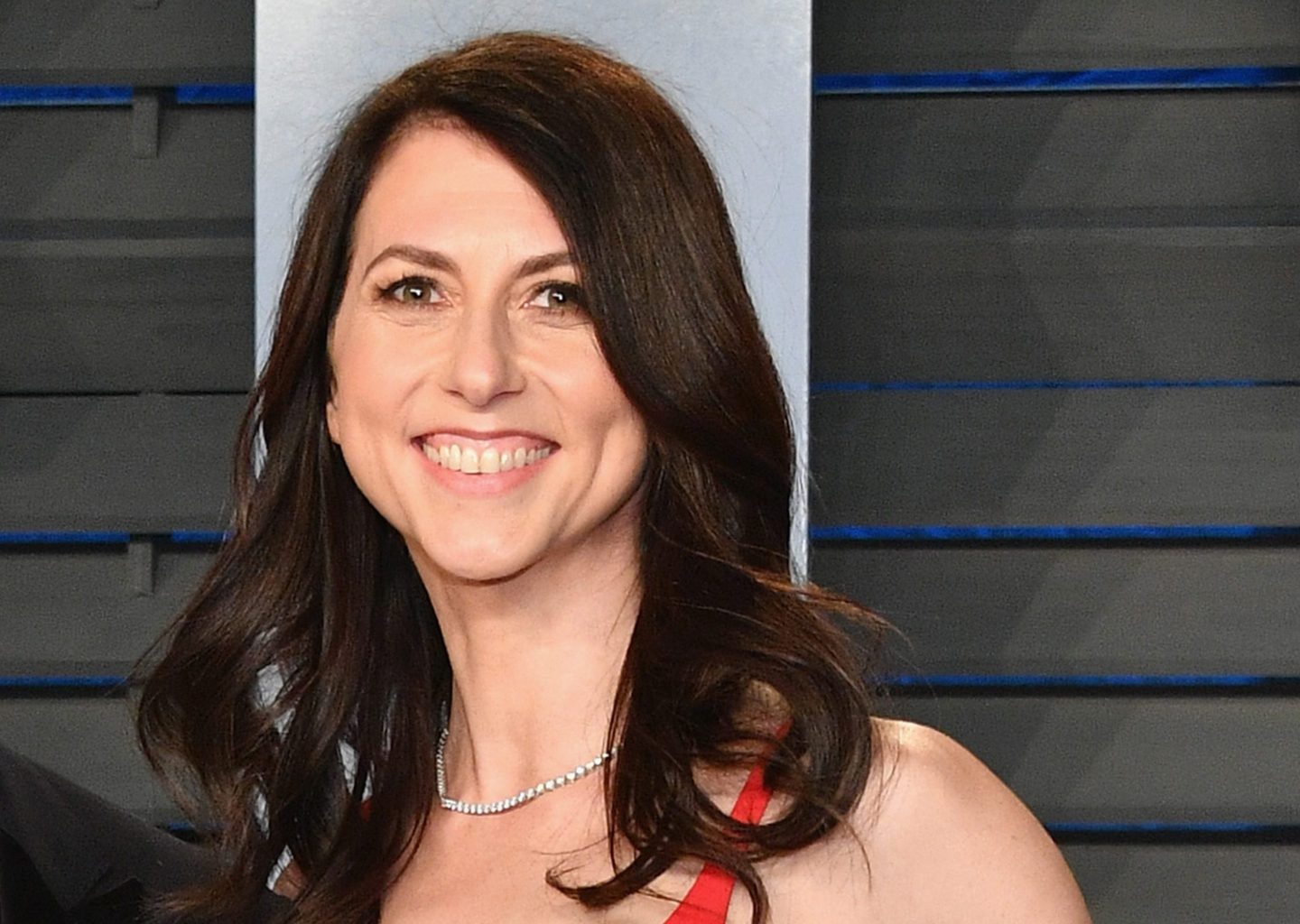
Since 2020, billionaire philanthropist MacKenzie Scott has given out $19.25 billion through her foundation, Yield Giving. And the former Amazon employee and ex-wife of Jeff Bezos, worth an eye-watering $40.3 billion, has recently been on a donating spree. Over the past few months, she’s shelled out on major gifts across different causes; Scott gave $80 million to Howard University, $50 million to Virginia State University, $40 million to the African American Cultural Heritage Action Fund, and $60 million to the Center for Disaster Philanthropy, to name a few.
Melinda French Gates, worth $17.1 billion, has also become a beacon in the world of billionaire philanthropy. She and her ex-husband Bill Gates founded the Gates Foundation in 2000 with the goal of combating poverty, disease, and inequity through donations—and will sunset the organization in 2045. Last year, the organization provided $8.01 billion in charitable support to areas including global health, gender equality, and world development.
Then there are the hundreds of billionaires who signed the Giving Pledge, helmed by Berkshire Hathaway hedge fund mogul Warren Buffett. The movement requires signatories to donate at least half of their fortunes while they’re alive, or have it etched out in their wills, amassing a collective pool of more than $600 billion across 250 participants. But few have actually followed through so far—except for the likes of Wall Street billionaires John and Laura Arnold. Boasting a net worth of $2.9 billion, they’ve already donated $2 billion to date, with more than $204 million redistributed in 2024 alone.
While billionaires will enjoy their accruing wealth through the bill’s tax breaks, they’ll potentially be turned off from donating these large sums in the wake of Trump’s new philanthropic policies.
But don’t count on the middle class to be able to bridge the charitable divide; simply put, the cost of living is straining the number of average donors. In the two decades between 2000 and 2020, the proportion of Americans who donate fell from 66.2% to 45.8%, according to the Lilly Family School of Philanthropy. While the total donation amount the typical U.S. donor increased from $3,131 in 2018 to $3,651 in 2020—a 16.6% increase in just over just two years—the trend reflects higher-income philanthropists stepping up to the plate.
“We’ve had this general problem of dollars going up but the number of donors going down,” Amir Pasic, dean of the Lilly Family School of Philanthropy, told CNBC. However, he added that the newfound incentives for middle-class philanthropists could “increase the number of donors.”