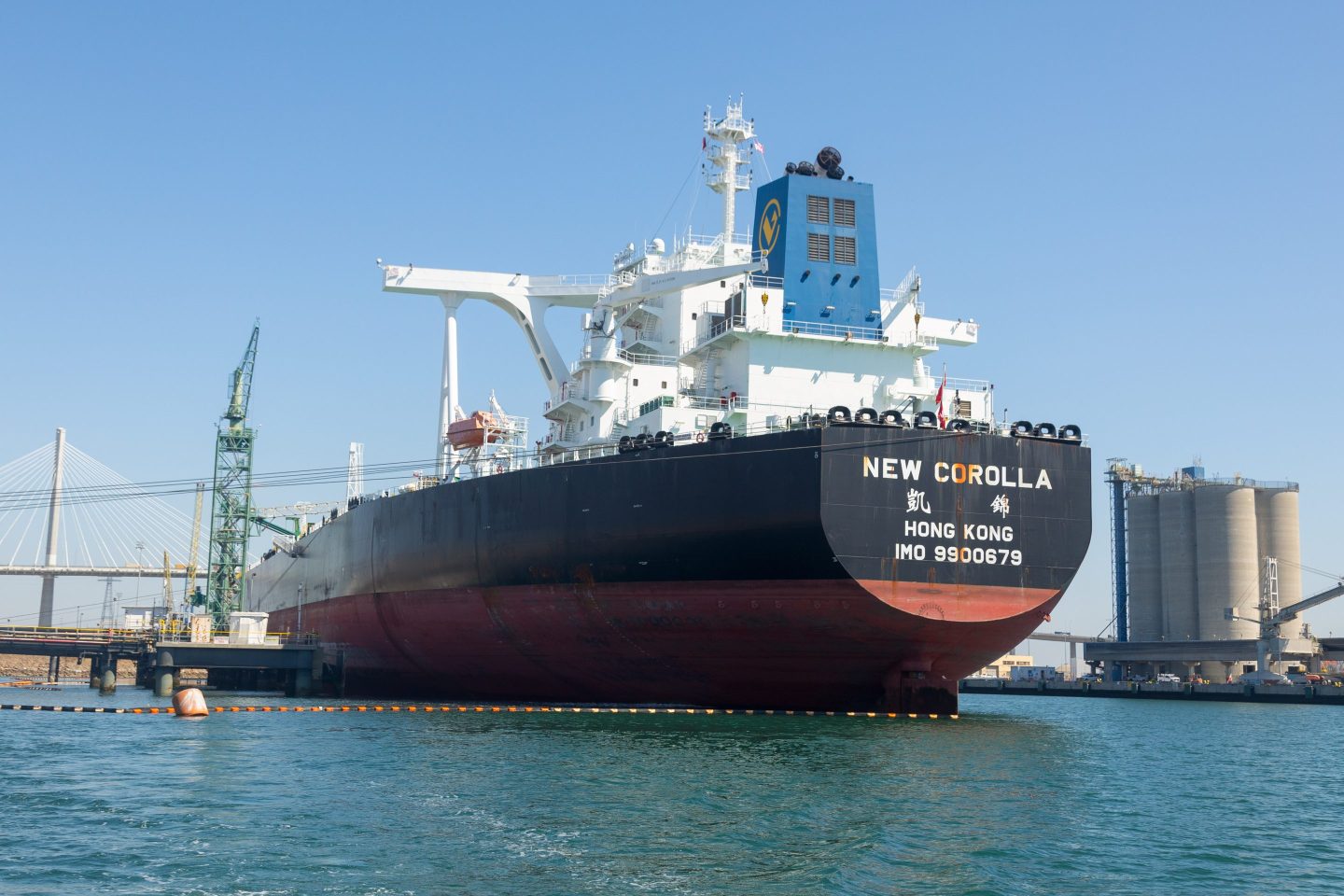
The world is rapidly approaching a crucial turning point in its energy consumption, with global demand for key fossil fuels, particularly oil and coal, expected to reach a peak around 2030, according to the International Energy Agency’s (IEA) flagship publication, the World Energy Outlook 2025. This pivotal moment is outlined in the IEA’s more transition-friendly “Stated Policies Scenario” (STEPS), which tracks energy trends based on government policies already adopted or put forward, even if not yet fully enacted into law.
That being said, the IEA brought back what it calls a “Current Policies Scenario,” with a vastly different outcome. The so-called CPS, on hiatus for 5 years, projects that fossil-fuel consumption will rise by 13% by 2050. This hinges on a slower pace of electric vehicle adoption and assumes that countries will not keep their promises to curb fossil fuel consumption. Last year, the IEA projected oil demand would either plateau or decline in the 2020s across its scenarios. IEA Executive Director Fatih Birol told both Bloomberg and The Wall Street Journal that the CPS needed to come back because of the many uncertainties in the current policy climate, including the U.S. embrace of oil, gas, and coal under President Trump. “The main reason we have two new scenarios is the growing uncertainties in the political, economy and energy context.”
Three interlocking trends propel the decline in fossil fuels seen in STEPS. First, the IEA sees rapid advances in clean technologies, projecting that renewables, particularly solar and wind, will nearly triple their electricity generation capacity by 2035. EV sales and heat pumps continue to surge globally, led by China and other major economies. Second comes efficiency gains. Stricter standards and smarter technologies mean the world will do more with less energy, flattening overall demand growth despite a rising global population and economy. Finally, structural changes, particularly in China—the world’s former engine of fossil fuel growth—are shifting to a less energy-intensive model focused on services and high-tech manufacturing.
Add it all up, the intergovernmental organization says, and global oil demand should peak around 102 million barrels per day by 2030, then begin a slow decline, eventually returning to 2024 levels by 2035. And the peak of coal is coming sooner than that, according to STEPS.
Rationale
The imminent peak in oil consumption is driven primarily by the accelerating electrification of road transport. In STEPS, the share of EV sales globally is projected to rise dramatically, moving from more than 20% today to exceed 50% by 2035. This massive uptake of EVs is forecast to displace 10 million barrels per day of oil demand by 2035, primarily in major markets such as Asia and Europe. While the IEA sees passenger-car oil use declining significantly, the overall reduction is somewhat offset by continued increases in demand for petrochemical feedstock and aviation fuels, where electrification remains challenging.
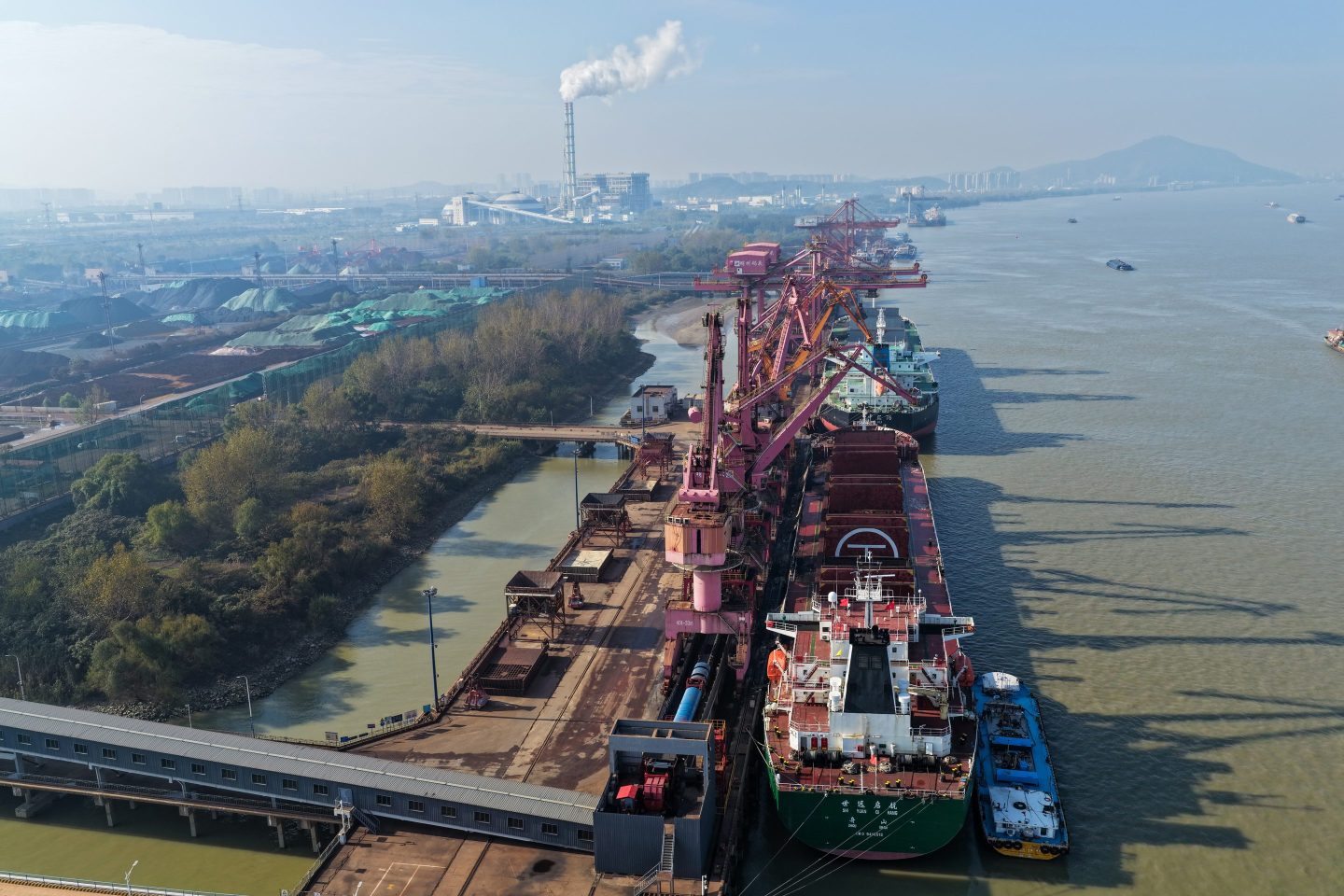
Meanwhile, demand for coal is set to peak even earlier, declining globally before 2030 in STEPS. “Coal-fired power is approaching a turning point after decades of growth,” according to the IEA, “with global trends increasingly shaped by developments in Asia.” About half of global coal demand is for electricity generation in China, India, Indonesia, and other Southeast Asian countries, the IEA says, and China is rapidly scaling up renewables and nuclear power. While India is similar, Southeast Asia is projected to continue burning coal steadily, but the IEA sees global coal demand dropping roughly 20% by 2035.
While oil and coal are poised for near-term peaks, the outlook for natural gas is different. Natural gas demand in STEPS continues to increase by nearly 1% annually to 2035 before eventually leveling off. This sustained growth is buttressed by an abundant supply resulting from a major expansion in liquefied natural gas (LNG) export capacity—an unprecedented 300 billion cubic meters of new capacity is scheduled to begin operation by 2030, representing a 50% increase in global available LNG supply. Half of this capacity increase is being built in the U.S., with Qatar following behind with a 20% increase in supply.
The ‘age of electricity’
Underpinning these shifts is the accelerating movement into what the IEA calls the “Age of Electricity,” including the AI-driven data center boom worldwide. In STEPS, electricity demand is projected to increase four times faster than overall energy demand through 2035, but the shift is more profound, the organization argues.
“Electricity is at the heart of modern economies,” the IEA says, noting that electricity demand grows much faster than overall energy use in every one of its forward-looking scenarios. Investors are reacting to this trend, with spending on electricity supply and end-use electrification already accounting for half of today’s global energy investment. Renewables, led by solar and wind, are forecast to meet the majority of this surging demand, with their share in global electricity generation rising from one-third today to over half by 2035.
Despite the projected peak in fossil fuel demand around 2030, the IEA warns that current government policies remain insufficient to meet global climate goals. In STEPS, energy-related carbon dioxide emissions, which hit a record 38 gigatonnes (Gt) in 2024, are only projected to decline modestly to 35 Gt by the mid-2030s. This trajectory points towards a median, long-term global average temperature rise of around 2.5 degrees Celsius by 2100. By contrast, the IEA’s CPS—which excludes policies not yet formalized in law—projects that oil and natural gas demand will continue to grow through 2050.