The Federal Reserve lowered its benchmark interest rate by a quarter of a percentage point on Wednesday, a widely anticipated move that comes amid a worsening data blackout, a cooling labor market, and relentless political pressure from President Donald Trump.
The decision brings the Fed’s policy rate down to roughly 3.75% to 4.0%—its lowest level in three years—and marks the second rate cut since Trump’s return to office. Markets had fully priced in the move: CME’s FedWatch tool showed a near-100% probability of a 25-basis-point reduction heading into the meeting.
In its statement, the Federal Open Market Committee said, “Economic activity has been expanding at a moderate pace,” but acknowledged that job gains have slowed, and the unemployment rate has edged higher, even if it “remains low.” Inflation, it noted, “has moved up since earlier in the year and remains somewhat elevated.”
The Fed said it continues to seek “maximum employment and inflation at the rate of 2% over the longer run,” and described uncertainty about the economic outlook as “elevated.” The committee judged that “downside risks to employment rose in recent months,” prompting the quarter-point cut and a decision to end the reduction of its securities holdings on Dec. 1, which is an early signal that it’s shifting from tightening to support mode.
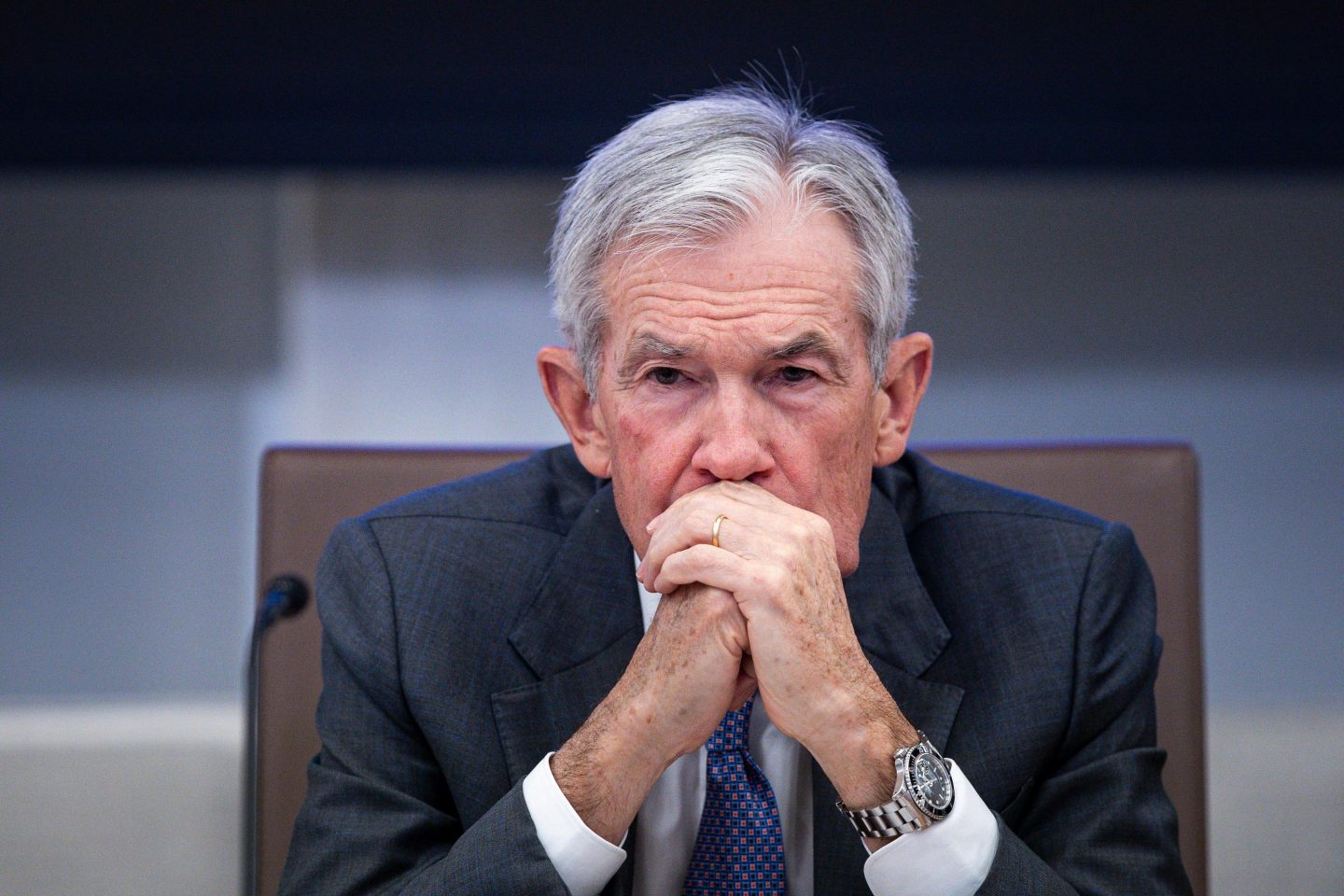
Ten members, including Chair Jerome Powell and Vice Chair John Williams, voted in favor of the cut. Two dissented: Trump appointee Stephen Miran, who preferred a more dovish, larger half-point cut, and Jeffrey Schmid, president of the Kansas City Fed, who wanted no change at all.
Balancing act
The Fed is in an awkward balancing act between the two halves of its dual mandate: keeping prices stable while sustaining employment. There’s “no risk-free path,” Powell has emphasized repeatedly.
That’s because inflation may be cooling on paper, but policymakers caution that it’s still above the Fed’s 2% target, and that the recent moderation largely reflects prices rising more slowly rather than falling. Additionally, economists have said that they expect inflation to tick up in the fourth quarter as companies are forced to pass increased costs from tariffs on to consumers.
At the same time, Powell has often said that the “downside risks to employment have risen,” meaning that the labor market is more of a concern to him than inflation. Powell has described the current jobs market as a “low-hire, low-fire” environment, where firms are reluctant to expand payrolls but equally hesitant to lay people off.
‘Flying blind’
Powell is trying to manage rising unemployment risks without access to the very data that would normally guide those decisions. For the first time in the modern history of the Federal Open Market Committee, the Fed acted without access to the monthly jobs report, which is especially critical given that the job market is “sputtering,” Moody’s Analytics chief economist Mark Zandi wrote on X.
The ongoing government shutdown has halted the release of key statistics, from nonfarm payrolls to consumer spending. Plus, in an unexpected blow, payroll processor ADP quietly stopped sharing its private employment data with the central bank in August, depriving Fed economists of what former Bureau of Labor Statistics commissioner Erica Groshen called “an essential real-time window” into the labor market.
“It’s very concerning,” Groshen told Fortune, adding that she worried that the Fed was “flying blind.”
“If policymakers build systems around data that can vanish overnight, that’s a real vulnerability for economic governance,” the economist explained.
However, there was one hint of light in the data: Bureau of Labor Statistics employees were brought back in order to deliver the inflation report, which showed the rate cooling to 3% in September. The figures, more than a week late, showed that price pressures are easing even as Trump’s new tariffs on goods from China, Brazil, and others ripple through the economy. Core inflation, which excludes volatile food and energy prices, rose 3% year over year, the slowest pace since early spring.
Looking ahead to Powell’s speech
Several analysts wrote in notes to clients that, because of the data blackout, they expect Powell to focus much more on broader economic trends when he gives his press conference shortly after the decision.
As Deutsche Bank’s Jim Reid wrote this morning: “With the U.S. government shutdown now in its fifth week, our economists anticipate that Chair Powell’s press conference will pivot away from economic data—given its scarcity—and instead focus on balance sheet policy, the policy framework review, and financial stability.”
UBS chief economist Paul Donovan also noted that “market interest will be focused on the spectrum of views, the tone of the press conference, and (inevitably) speculation about Powell’s successor.”
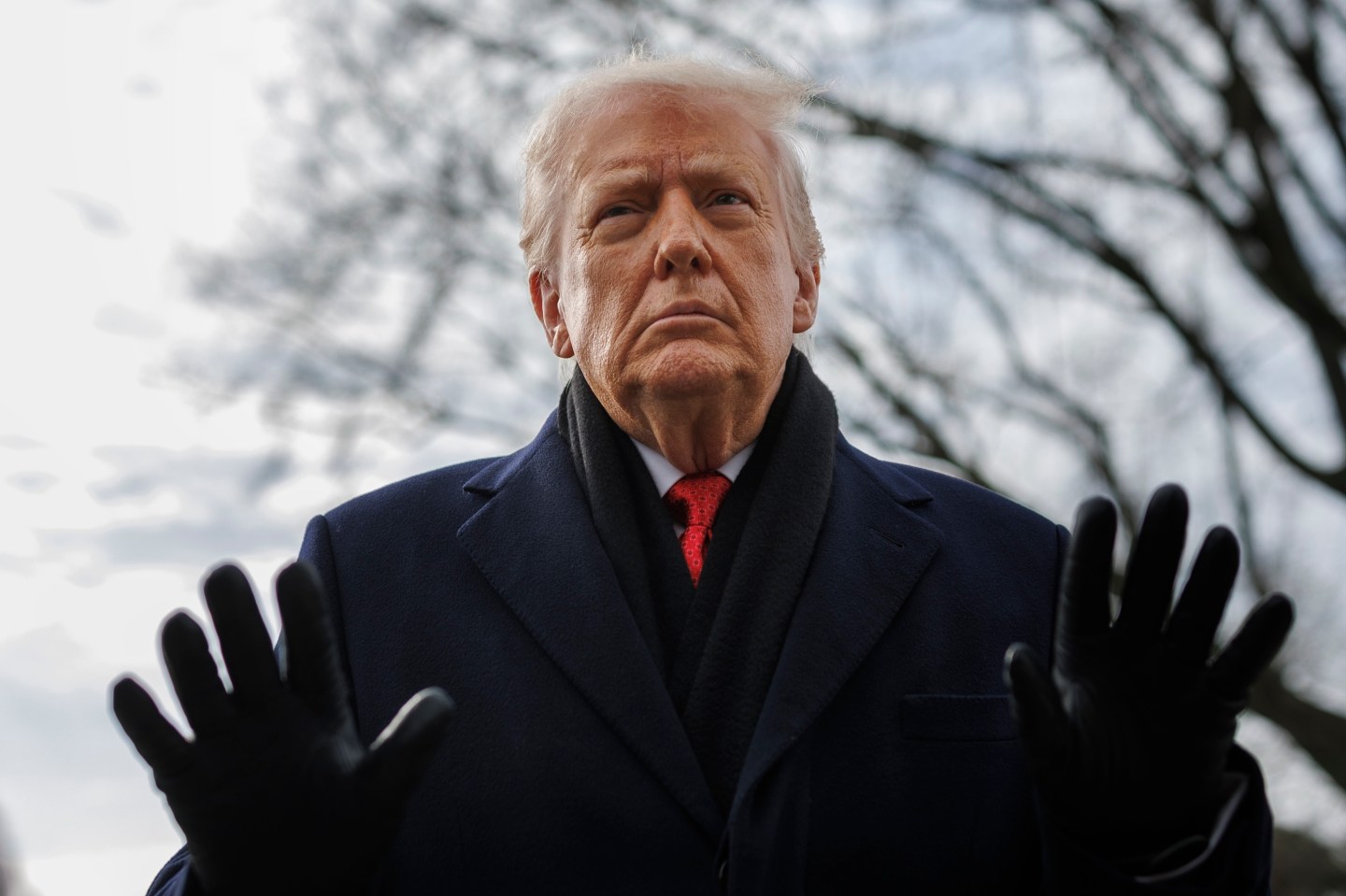
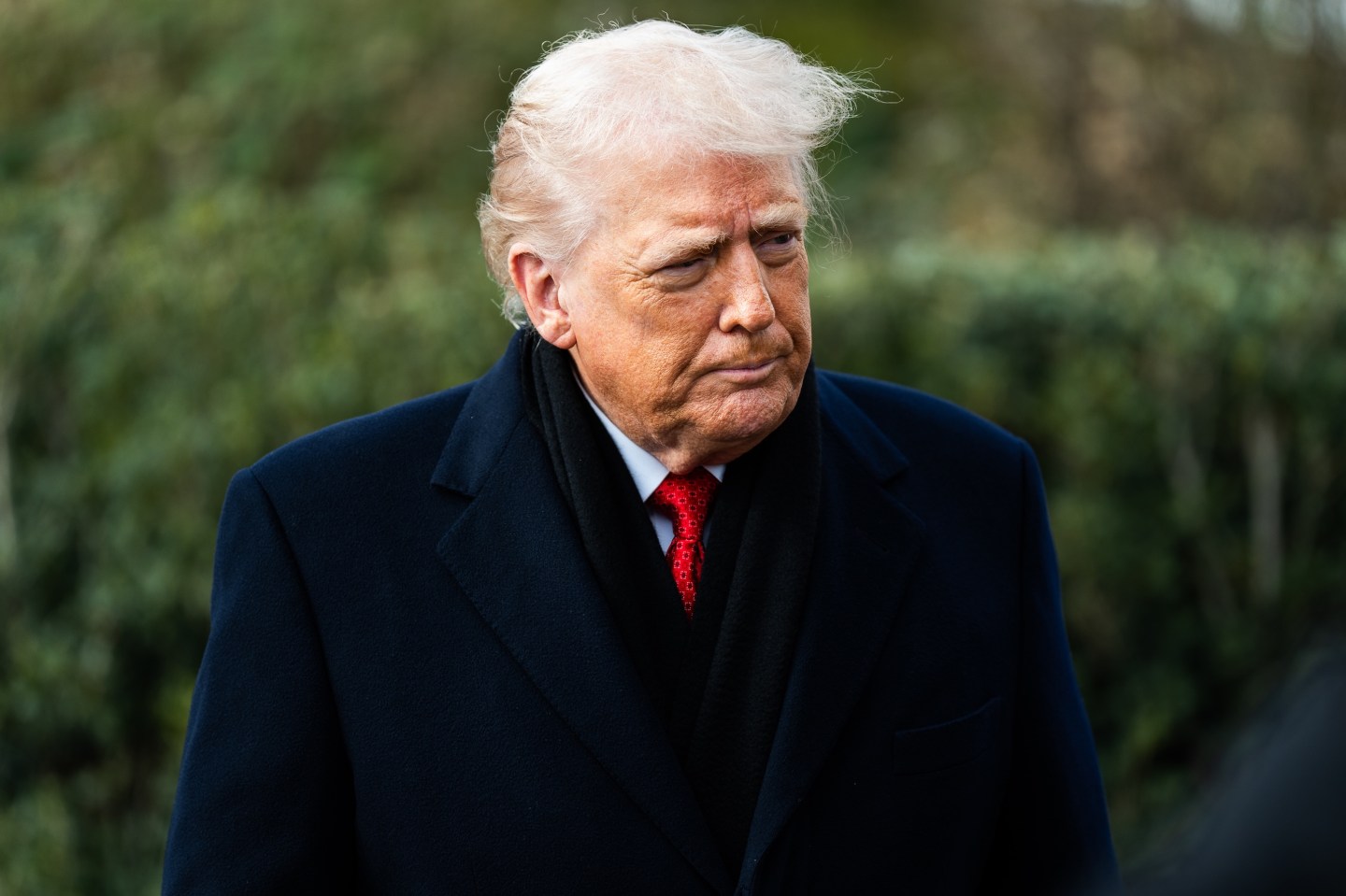
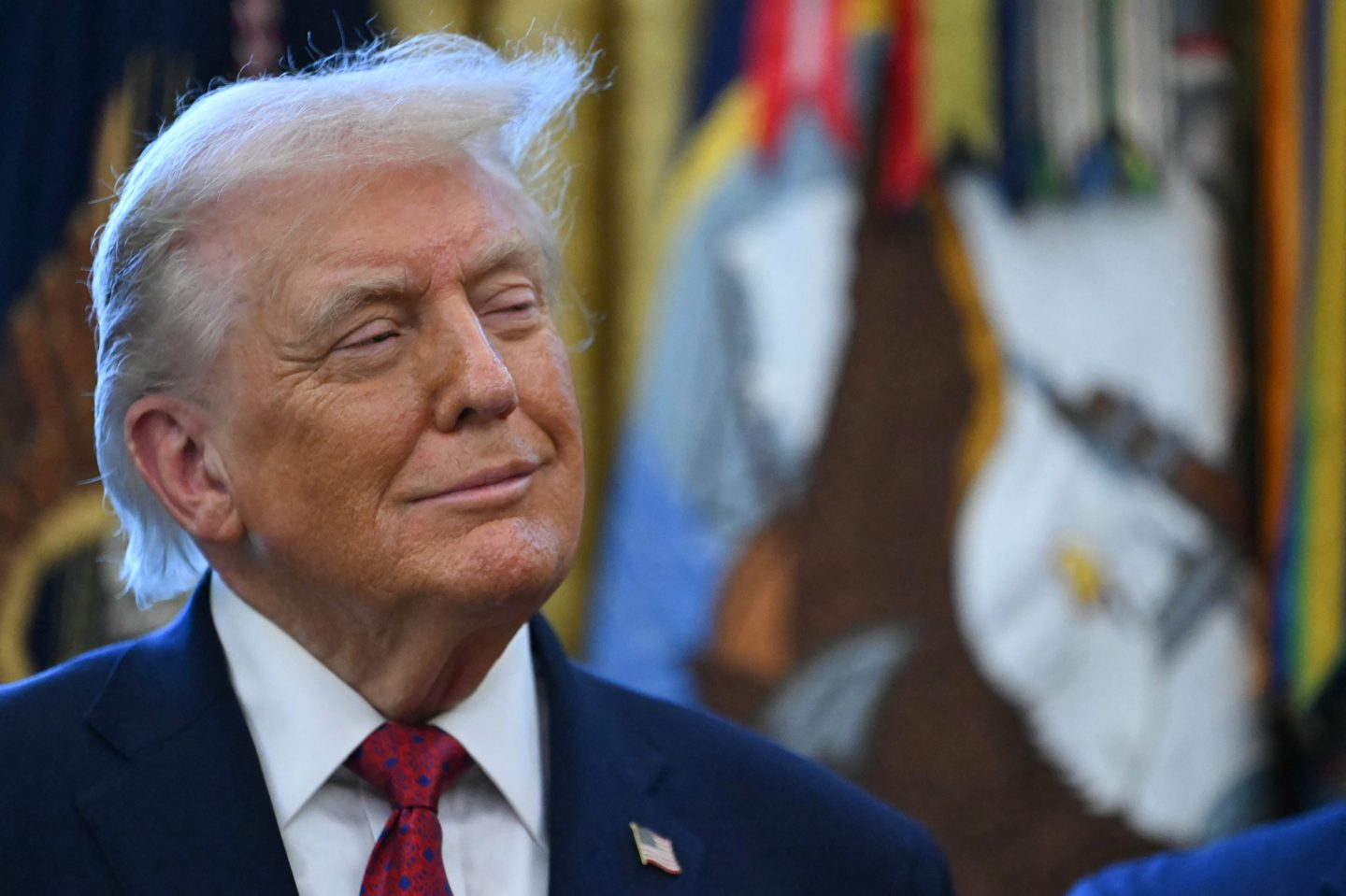
Trump has already inflamed that speculation. Speaking in Tokyo on Tuesday, he mocked the Fed chair as “Jerome ‘Too Late’ Powell,” drawing laughter from a room of executives.
“We have an incompetent head of the Fed,” Trump said. “But he’ll be gone soon, and we’ll get somebody new.”
Powell’s term expires in May.