• Home
  • News
  • Fortune 500
  • Tech
  • Finance
  • Leadership
  • Lifestyle
  • Rankings
  • Multimedia
CommentaryIPOs

The public company isn’t dead, it’s misunderstood

By
Sarah Keohane Williamson
Down Arrow Button Icon
By
Sarah Keohane Williamson
Down Arrow Button Icon
October 7, 2025, 9:00 AM ET

Sarah Keohane Williamson is the Chief Executive Officer of FCLTGlobal, a non-profit research organization whose mission is to focus capital on the long term to support a sustainable and prosperous economy. Under her leadership, FCLTGlobal develops innovative, practical research and builds a global community of CEOs focused on solving long-term challenges across the investment value chain. She is the author of "The CEO’s Guide to the Investment Galaxy."

Sarah Keohane Williamson
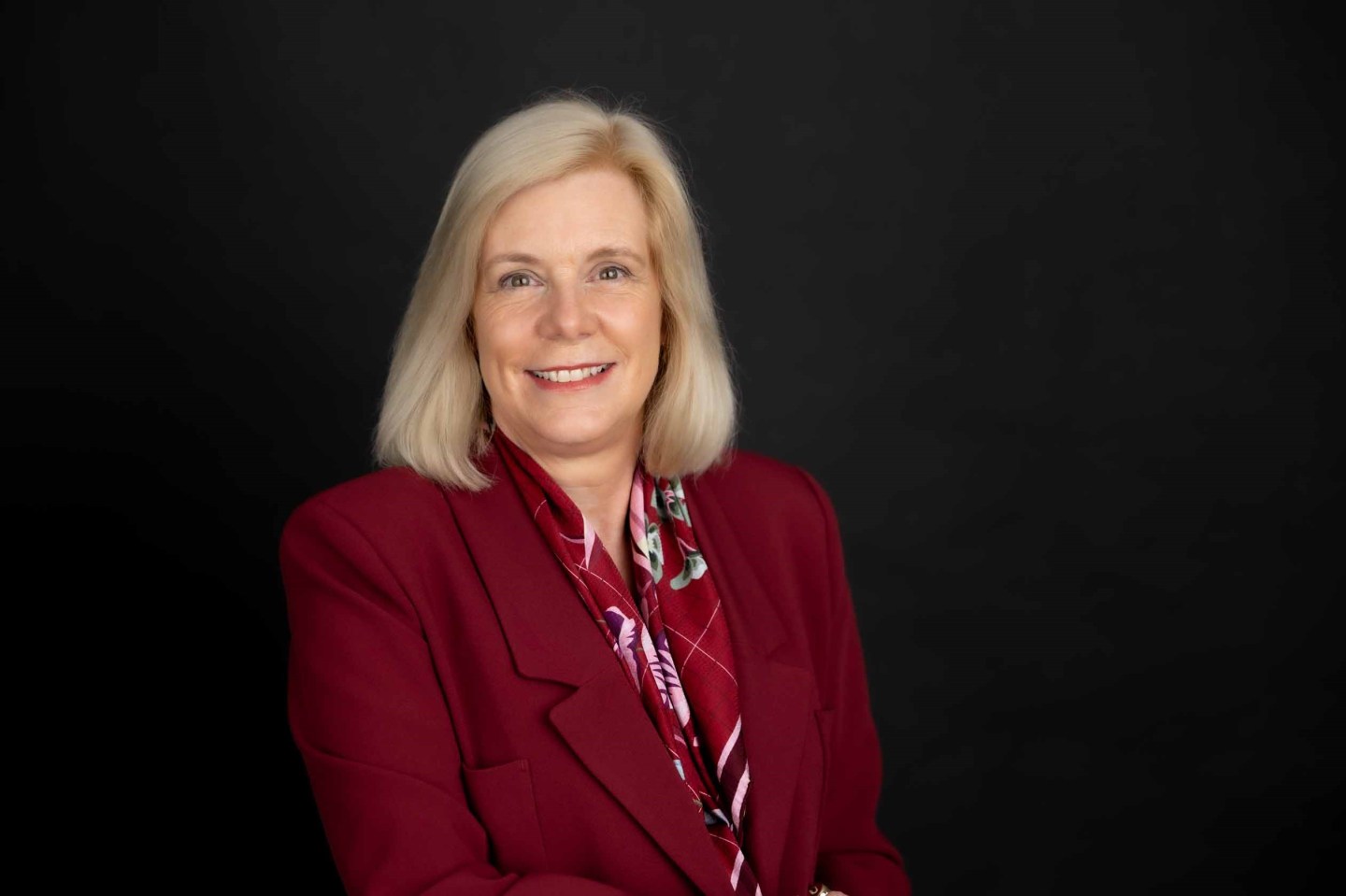
Sarah Keohane Williamson is the Chief Executive Officer of FCLTGlobal.courtesy of FCLTGlobal

Record levels of private capital and the recent and rapid rise of VC-funded unicorns suggest to some that public markets are a thing of the past, a holdover from the capitalism of yesteryear. Financial news of the past two decades is littered with stories of companies delaying IPOs and growing despite it — Meta, Uber, Airbnb and the like. Some still remain private, most notably Elon Musk’s SpaceX. If they can find success without going public, why should anyone else?

Recommended Video

Take the example of Klarna — a 20-year-old company — which recently had a successful IPO on the NYSE, with a nice pop on its first day.

Why would a company like Klarna choose to go public? Public companies have to deal with public investors, follow specific rules on governance, and disclose extensive information. Klarna had no trouble accessing private capital in the past. Surely some of their original backers were looking for liquidity, but there is plenty of private liquidity around if that is all they need.

Many companies have decided that the private markets are a better place to be. Over the last couple of decades, the number of listed companies and new IPOs in developed markets has dropped dramatically. The rigor and scrutiny of being publicly traded, and the perceived pressures that come with opening up the shareholder roll, are burdens many companies would prefer to avoid.

So why go public? The answer is that there are great benefits to being a listed company in a deep, global market. While there are plenty of capital options besides going public, public markets help companies grow up. That discipline and credibility, as well as the opportunity for founders, employees, and investors to benefit from the value created, still make public markets the destination of choice.

And while listings did indeed drop over the past 30 or so years, in that same timeframe, global public market capitalization rose to over $90 trillion, or about 112% of global GDP. Public markets aren’t dead — they’re just misunderstood. The idea thatcompanies must choose between the quarterly spin cycle and the refuge of private markets is a myth. With the right strategy and the right investors, public companies still deliver superior long-term value.

Avoid the short-term cycle

It’s true, public companies spend a lot of time on the quarter — hitting or missing targets, talking to the Street, etc. But the reality is that providing estimates of your next quarter’s earnings only encourages traders to make short-term bets and increases the volatility of your stock price. It’s a habit, not a requirement.

The best companies recognize that such a myopic focus on the quarterly cycle is a distraction from building a great business. To avoid it, most companies don’t issue quarterly earnings guidance anymore; by 2024, only 21% of S&P 500 companies were still doing so, down from 36% in 2010.

Attract the right shareholders

Public companies have plenty of opportunities to talk to the investment community. But “investors” are not a monolith, something many CEOs find out too late. They have different horizons and incentives; some are seeking durable returns over decades, while others are simply looking for alpha. This is not criticism. It’s reality.

But evidence shows that an increase in short-term, transient investors is associated with cuts to long-term investments (R&D, marketing, etc.) in order to increase short-term earnings, leading to temporary boosts in equity valuations that reverse over time. While CEOs can’t bar investors from buying stock in the public markets, they can have an investor strategy that tries to attract the best long-term investors by understanding their time frames and incentives.

Companies that find success in this regard employ several key tactics: they engage consistently with large shareholders throughout the year (rather than limiting interactions to AGM seasons). They deploy CEO and board-level leadership for key shareholder meetings and, importantly, align IR professional incentives with long-term shareholder success metrics rather than short-term sell-side ratings. This comprehensive approach reduces an emphasis on 90-day cycles, creates deeper shareholder support, and unlocks mutual value for both investors and public companies.

To be sure, there are advantages to staying private for companies in certain circumstances. But public markets remain an unmatched source of capital, credibility, and the opportunity to scale. It’s time to stop viewing them as a necessary evil and instead as a strategic asset — as long as companies can navigate them with intent and with the right strategies in place.

Public companies aren’t dying, but CEOs who don’t adapt their investor strategy will.

The opinions expressed in Fortune.com commentary pieces are solely the views of their authors and do not necessarily reflect the opinions and beliefs of Fortune.

Fortune Brainstorm AI returns to San Francisco Dec. 8–9 to convene the smartest people we know—technologists, entrepreneurs, Fortune Global 500 executives, investors, policymakers, and the brilliant minds in between—to explore and interrogate the most pressing questions about AI at another pivotal moment. Register here.
About the Author
By Sarah Keohane Williamson
See full bioRight Arrow Button Icon

Latest in Commentary

Amit Walia
CommentaryM&A
Why the timing was right for Salesforce’s $8 billion acquisition of Informatica — and for the opportunities ahead
By Amit WaliaDecember 6, 2025
21 hours ago
Steve Milton is the CEO of Chain, a culinary-led pop-culture experience company founded by B.J. Novak and backed by Studio Ramsay Global.
CommentaryFood and drink
Affordability isn’t enough. Fast-casual restaurants need a fandom-first approach
By Steve MiltonDecember 5, 2025
2 days ago
Paul Atkins
CommentaryCorporate Governance
Turning public companies into private companies: the SEC’s retreat from transparency and accountability
By Andrew BeharDecember 5, 2025
2 days ago
Matt Rogers
CommentaryInfrastructure
I built the first iPhone with Steve Jobs. The AI industry is at risk of repeating an early smartphone mistake
By Matt RogersDecember 4, 2025
3 days ago
Jerome Powell
CommentaryFederal Reserve
Fed officials like the mystique of being seen as financial technocrats, but it’s time to demystify the central bank
By Alexander William SalterDecember 4, 2025
3 days ago
Rakesh Kumar
CommentarySemiconductors
China does not need Nvidia chips in the AI war — export controls only pushed it to build its own AI machine
By Rakesh KumarDecember 3, 2025
4 days ago

Most Popular

placeholder alt text
AI
Nvidia CEO says data centers take about 3 years to construct in the U.S., while in China 'they can build a hospital in a weekend'
By Nino PaoliDecember 6, 2025
16 hours ago
placeholder alt text
Big Tech
Mark Zuckerberg rebranded Facebook for the metaverse. Four years and $70 billion in losses later, he’s moving on
By Eva RoytburgDecember 5, 2025
2 days ago
placeholder alt text
Real Estate
The 'Great Housing Reset' is coming: Income growth will outpace home-price growth in 2026, Redfin forecasts
By Nino PaoliDecember 6, 2025
22 hours ago
placeholder alt text
Economy
The most likely solution to the U.S. debt crisis is severe austerity triggered by a fiscal calamity, former White House economic adviser says
By Jason MaDecember 6, 2025
12 hours ago
placeholder alt text
Success
Nvidia CEO Jensen Huang admits he works 7 days a week, including holidays, in a constant 'state of anxiety' out of fear of going bankrupt
By Jessica CoacciDecember 4, 2025
3 days ago
placeholder alt text
Asia
Despite their ‘no limits’ friendship, Russia is paying a nearly 90% markup on sanctioned goods from China—compared with 9% from other countries
By Jason MaNovember 29, 2025
7 days ago
Rankings
  • 100 Best Companies
  • Fortune 500
  • Global 500
  • Fortune 500 Europe
  • Most Powerful Women
  • Future 50
  • World’s Most Admired Companies
  • See All Rankings
Sections
  • Finance
  • Leadership
  • Success
  • Tech
  • Asia
  • Europe
  • Environment
  • Fortune Crypto
  • Health
  • Retail
  • Lifestyle
  • Politics
  • Newsletters
  • Magazine
  • Features
  • Commentary
  • Mpw
  • CEO Initiative
  • Conferences
  • Personal Finance
  • Education
Customer Support
  • Frequently Asked Questions
  • Customer Service Portal
  • Privacy Policy
  • Terms Of Use
  • Single Issues For Purchase
  • International Print
Commercial Services
  • Advertising
  • Fortune Brand Studio
  • Fortune Analytics
  • Fortune Conferences
  • Business Development
About Us
  • About Us
  • Editorial Calendar
  • Press Center
  • Work At Fortune
  • Diversity And Inclusion
  • Terms And Conditions
  • Site Map

© 2025 Fortune Media IP Limited. All Rights Reserved. Use of this site constitutes acceptance of our Terms of Use and Privacy Policy | CA Notice at Collection and Privacy Notice | Do Not Sell/Share My Personal Information
FORTUNE is a trademark of Fortune Media IP Limited, registered in the U.S. and other countries. FORTUNE may receive compensation for some links to products and services on this website. Offers may be subject to change without notice.