I was a business reporter for almost 30 years, specializing in CEOs – the great, the mediocre, and the really, really bad (sometimes all in one person). From the early 1990s to the late 2010s, I rode shotgun, watching in awe as the Corner Office point of view – ever Alpha – left the political, the academic, and basically every other perspective in the dust.
Shareholder-driven capitalism meant what was good for business was good for, well, everyone. (“everyone” wasn’t supposed to mean income inequality hitting historical highs). That belief, in turn, elevated industry titans from Jamie Dimon and Mark Zuckerberg to Jack Welch and Warren Buffett as the most powerful voices on the planet. The real decisions were made at Davos or in Sun Valley, not DC or Brussels. Politics were an inconvenience. For decades – until companies like Microsoft and Google became well-acquainted with antitrust law – tech companies ignored Washington and didn’t even lobby. Why bother?
As trust dropped for institutions overall but rose for corporate leaders, even social change movements were pushed forward by CEOs. Leaders like former Levi’s CEO Chip Bergh and Dick’s Sporting Goods CEO Lauren Hobart spoke in favor of topics such as gun safety or equity.
Other organizations, political groups, and communities followed corporations’ lead – and it seemed to work for business: Less than five years ago, at the height of the pandemic and the Black Lives Matter protests, The Edelman Trust Barometer showed that employees of all generations were 7.0 to 9.5 times more likely to be attracted to a company that takes a stand on key issues. Even if you didn’t agree with the policies, the point is that executives knew they were fully empowered to make these decisions independently.
Fast forward to today. As the rich get richer and stock market valuations increasingly are tied to a tiny group of corporate behemoths, the leaders of those companies have more economic power than ever. And yet, they have willingly and shockingly lost their ability to use it (except, of course, when they actually join the administration, like good old Elon).
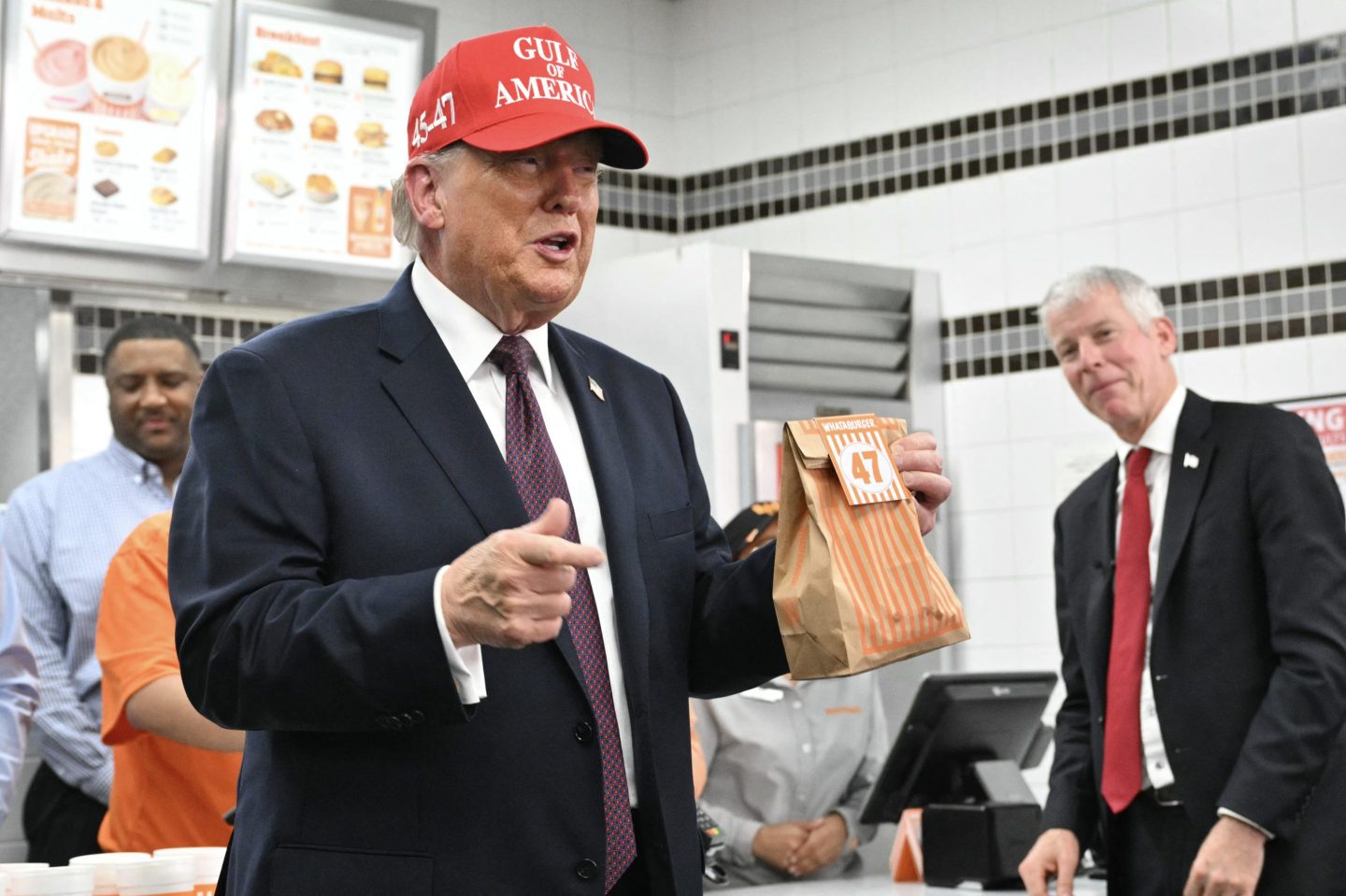
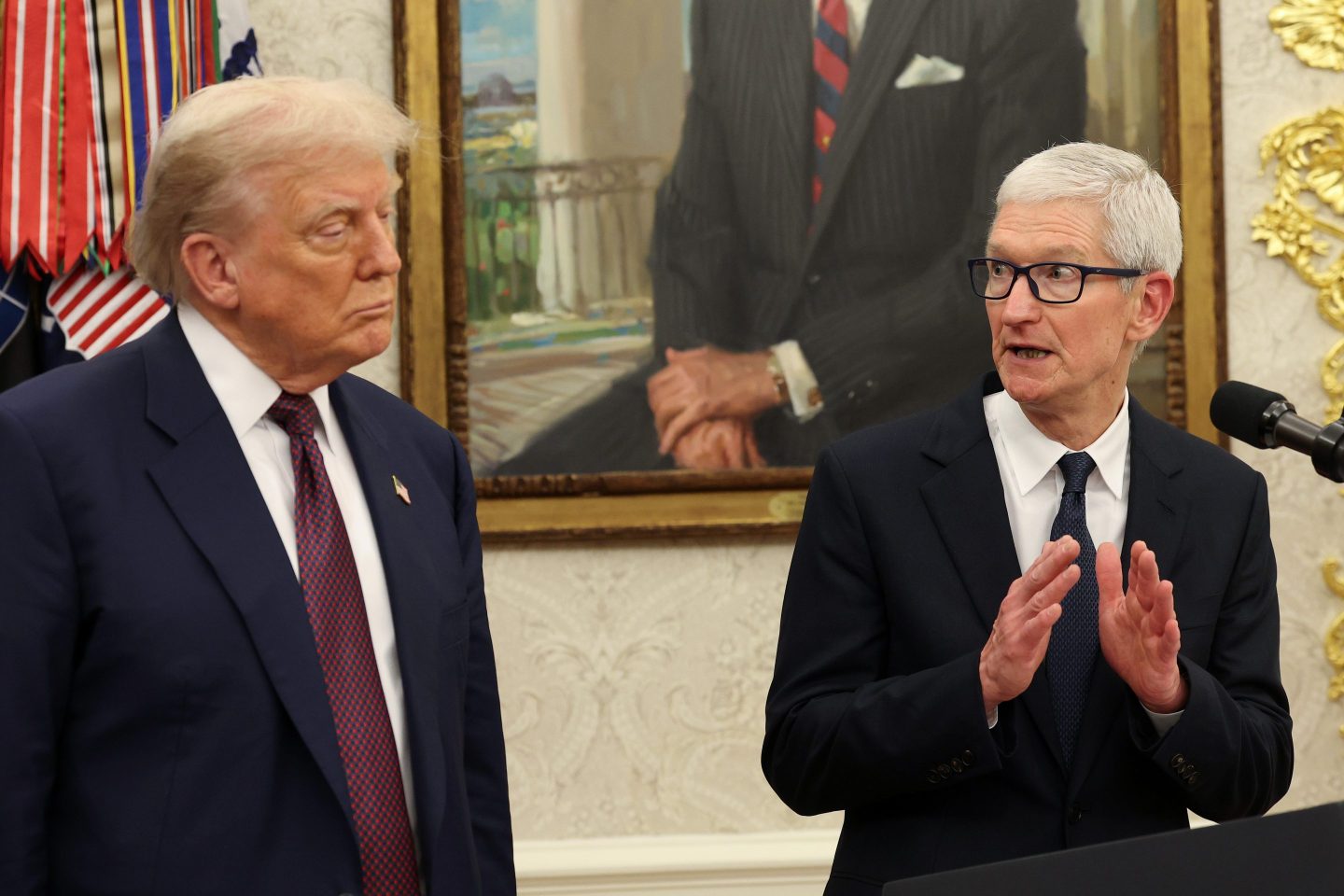
It would be hilarious if it wasn’t so terrifying: The daily parade of CEOs bearing literal golden gifts — Hello Tim Cook! — as they bow and scrape to the President of the United States, horse-trading “investments” in the USA that have little chance of materializing in return for not being taxed or publicly humiliated in a given month. Unlike other organizations that have limited leverage — nonprofits, universities, and, now, they’d like you to think, Congress — these guys actually DO have the clout to resist. But they don’t – or won’t – even as one of their own (Intel CEO Lip-Bu Tan) has his job directly threatened by the President, and along with another, Nvidia CEO Jensen Huang, may soon be signing up to pay a regular vig to Uncle Sam.
Many leaders undoubtedly see this kissing up as a tactic. Be nice, stay under the radar, and all will be good one day soon. Then we can return to our regularly scheduled capitalism. But this is not how corporate leaders have EVER acted in the U.S. They have flexed at will, for better or for worse, because they could.
If CEOs actually united, they could use that market power to pressure the President and his team to move from their chaotic, arbitrary approach to managing the economy to one that at least incorporates rational thinking.
So what could these CEOs do, instead of flattery and humiliation? They could work together instead of letting their power be fragmented.
They could use their voices collectively – just as they have done many times before in times of trouble. Just last year (before the election), JPMorgan Chase CEO Jamie Dimon spoke publicly on income inequality. Last April, when tariffs were threatened, The Business Roundtable spoke up– and had impact. But now that the tariffs are real… crickets.
They could say – loudly and to the world as a group – that firing the nonpartisan analyst responsible for the nation’s financial data will make it impossible for anyone to trust that anything business people say is true.
They could say that businesspeople are better at business than politicians (even if those politicians are also running a business at the same time) and that boards and shareholders already have a fiduciary duty to do the right thing.
They could talk about how this chaotic tariff cycle makes it impossible to budget, plan or hire when they have no idea what their costs are and that as a result, many of their financial projections are no longer sound.
They could lean into their power instead of giving it away.
They could try cooperating – so that they don’t lose the power to compete.
After all, as one famous author once said, they have nothing to lose but their chains.
The opinions expressed in Fortune.com commentary pieces are solely the views of their authors and do not necessarily reflect the opinions and beliefs of Fortune.