As soon as one week from today, the first driverless Tesla robotaxis could begin zipping passengers through the streets of Austin—a critical moment for the electric carmaker and its mercurial boss, Elon Musk, who has vowed that Tesla’s transformation into an autonomous car company will begin in June with the launch of a commercial robotaxi service in Austin.
Tesla has been rushing to get everything in order for its ambitious launch: beginning to test the robotaxis with safety drivers in Austin, and in the San Francisco Bay Area, just a few weeks ago—and, more recently—hosting initial meetings and overviews with Texas agencies and Austin city departments to brief them on some of the details.
But key groups—including Austin’s transportation department, Austin’s emergency first responders, and federal regulators—are still missing important information about the self-driving machines set to imminently hit the roads of the Texas capital. Tesla hasn’t hosted trainings with Austin emergency responders. It hasn’t specified what level of autonomy Tesla cars will be using at launch (the industry’s 5-point scale entails everything from cars that require constant human supervision to vehicles with no steering wheels). And, as of last week, Tesla still hadn’t shared first responder plans or guides that the Austin Fire Department and Austin transportation department ask self-driving car companies for and rely on when responding to safety episodes, the departments told Fortune.
“We have not yet received First Responder guides from Tesla,” a spokesman for the Austin transportation department told Fortune in an email Wednesday. The fire department “has not received a guide either,” a department spokeswoman said. Tesla did not respond to a request for comment.
Tesla has assured city employees that those guidebooks are coming, however. And its robotaxi engineering teams have been in regular communication with the City since last year, according to emails obtained by Fortune via Freedom of Information Requests.
On Monday, Tesla conducted live testing with several members of Austin’s autonomous vehicle working group, driving one of its robotaxi cars alongside emergency vehicles on a closed neighborhood street. At the event, Tesla laid out some of their preliminary plans for the launch, according to Andre Jordan, division chief of special operations and homeland security for the Austin Fire Department, who was present.
Hands-on training sessions and detailed guidebooks for first responders are coming, Jordan says he’s been assured by Tesla. “That is something that they’ve been working on and they want to deliver, as well as the first responder training,” Jordan tells Fortune. “I believe them,” he added, saying that the company has been transparent with them and willing to collaborate. “I don’t know if they’ve met all their timelines, but they have done what they said they would do.”
Robotaxi services like Waymo, Zoox, and the now-defunct Cruise always conduct trainings and briefings with city employees in the weeks or months before they launch in new markets, and they provide guides—dozens of pages long—to emergency responders that explain how to interact with their vehicles and how to work together in case of safety episodes or instances in which their vehicles get stuck. Zoox said it hosts trainings with local first responders before it even begins testing in a new market—and that the company is in contact with city officials and first responders before it begins mapping. Similarly, Alphabet-owned Waymo, which is already operating in Austin, says it tries to reach out to city employees not just before launch, but before their cars arrive in a new city to map roads or to start testing, and that it provides emergency guides, protocols, and videos as part of its initial outreach.
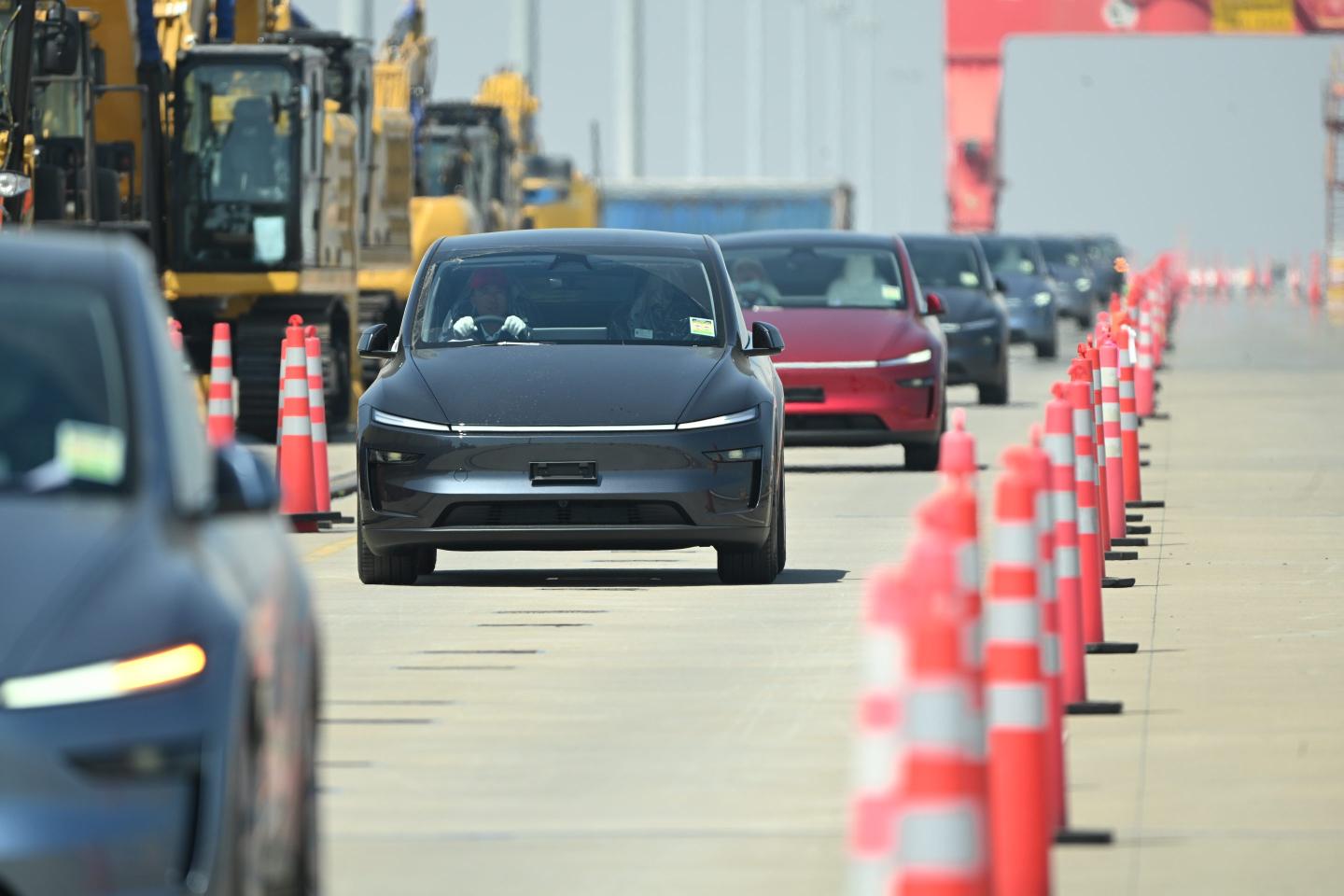
One factor giving Jordan some comfort with Tesla’s fast-approaching launch is that Tesla’s robotaxi is essentially the same Model Y car that’s already out on the roads and familiar to first responders. Robotaxis made by other companies, by contrast, are unique designs with large sensors sitting on the roof, and which have required more getting used to, Jordan said. Unlike its rivals, Tesla’s self-driving technology doesn’t require detailed maps of local roads, relying solely on the car’s video cameras and its AI technology—an approach that means Tesla may not necessarily need to spend as much time in a city ahead of launch (though it’s worth noting that the safety and performance of Tesla’s map-free approach for self-driving robotaxis is still unproven compared to services like Waymo).
Jordan noted that Tesla has made four modifications to its launch plans—adding specific guardrails or risk mitigations to the service—that have made the Fire Department feel more comfortable, though he repeatedly declined to specify what they were, saying that they were “preliminary” and that it was Tesla’s “business information.”
“We had initially thought that that launch date was especially optimistic, but I don’t know if that’s the case anymore,” Jordan says. “So I don’t know. I’m kind of guessing along with everybody else, but the details that they have shared were reassuring.”
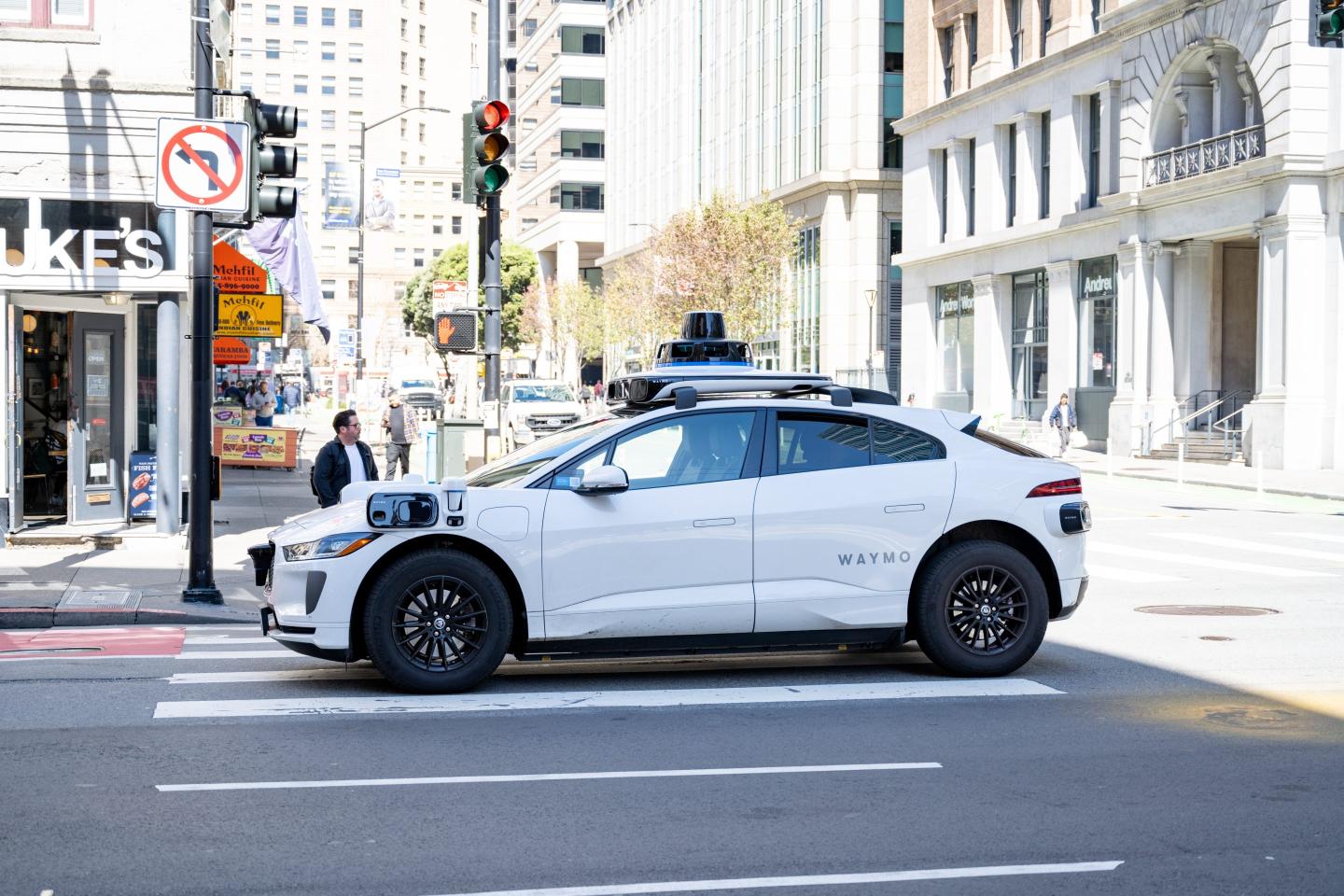
Austin is one of several U.S. cities, including Phoenix and San Francisco, where self-driving cars are being tested or have been made available as commercial robotaxi services. Waymo’s autonomous Jaguar I-PACE cars have been ferrying paying customers around San Francisco since August 2023, and are now doing rides or testing in Austin, Atlanta, Washington, D.C., Las Vegas, Miami, and other cities. Companies like Zoox, owned by Amazon, and Nuro have all been running pilot programs in various cities around the country. Many companies have set limits as they roll out service or tests—setting up boundaries where vehicles can drive (restricting highway travel, for example), having employees ride in the passenger or back seat, or limiting which customers can use the service, such as family and friends only.
In choosing Austin for its robotaxi debut, Tesla has selected a location with looser regulatory requirements than California cities like San Francisco.
While Tesla has assured city employees that it plans to share more information in advance of launch, the Transportation and Public Works spokesman pointed out that the city cannot require Tesla to provide it in advance of launch, as it doesn’t have enforcement authority under Texas law.
‘We do not know the details’
Tesla’s Austin launch is the first phase of a bold robotaxi plan that involves specially designed “cybercabs” with no manual controls. Those vehicles aren’t expected to go into production until at least next year, however, and Tesla has said the robotaxis coming to Austin will be slightly modified versions of the Model Y cars the company sells to customers. While Tesla currently offers a “full self-driving” option in the vehicles it sells in the U.S., the technology is “Level 2,” which is closer to driver assistance than actual autonomous driving, as a driver is required to be fully alert and be prepared to take over the vehicle at all times.
Musk has offered few details about its robotaxi and the level of advancement of its software versus that of Tesla FSD that is already available. During Tesla’s most recent earnings call, he pointed out that there will initially be between 10 to 20 Model Y robotaxis in circulation in Austin on “day one” and that Tesla plans to use a remote support team to help out if the cars get stuck. He has also said that the cars will have built-in audio sensing capabilities, allowing it to hear sirens and other sounds.
But with just weeks to go until the launch, it’s not clear what the technical classification of the cars will be. Under industry-wide autonomy classifications, only cars with “Level 4” and “Level 5” technology are capable of operating without a human behind the wheel. (Waymo’s customized Jaguars, for example, are Level 4)
When asked by Fortune whether the system Tesla is already testing is Level 2, Level 3, or Level 4 autonomy, the transportation department spokesman said the city wasn’t sure. While Tesla had communicated with the department that it had begun testing, “we do not know the details of the testing,” he said.
Earlier this month, the National Highway Traffic Safety Administration issued a letter to Tesla, demanding information about what level system Tesla is deploying and around whether Tesla’s “robotaxi system has achieved acceptably safe behavioral competency.” NHTSA also reminded Tesla about the agency’s ongoing investigation into collisions involving Tesla’s FSD software. Tesla has until mid-June to respond.
Curiously, some of the recent information Tesla has shared with regulators in California—where the company is also conducting initial testing of a robotaxi service with safety drivers—suggests its technology may still require a human safety driver.
In an email to the California Public Utilities Commission on April 16, Tesla shared a notice it had sent out to employees that described the full self-driving (FSD) system it is using in California robotaxi tests as a “Level 2” system. “The FSD system in use is an SAE Level 2 system that enforces driver attention, with system limits and can be disengaged via the traditional steering/braking/button methods,” reads the Tesla email, which was sent out to Bay Area employees just last month.
Whether that description is an indication of Tesla’s actual technology or simply a way for the company to tick off a regulatory checkbox is not clear. Because Tesla doesn’t have the permits needed by California regulators to test a Level 3 system in the state, it’s possible that Tesla is under-selling the capabilities of its FSD system in order to stay compliant. (Under industry-wide autonomy classifications, companies are expected to self-certify their technology based on the production design and intent of the technology—not how it is being tested, according to SAE International.)
“They’re going to be as conservative as possible in the way they speak about this,” says Richard Bishop, an autonomous consultant who publishes an annual report on robotaxis.” Tesla’s notice to the California regulator therefore might not be “a good indication of what reality is in terms of capability.”
A critical deadline
By promising to launch the robotaxi service in June, Musk has created a self-imposed deadline that has become a focal point for the company’s investors. The launch is especially important for Tesla, whose stock is down roughly 16% this year, as sales of its vehicles have fallen in the U.S., China, and Europe following Musk’s controversial role in the Trump White House. And tariffs are threatening to impact about a quarter of Tesla’s U.S. fleet.
“We believe the vast majority of valuation upside looking ahead for Tesla is centered around the success of its autonomous vision taking hold with a key June launch in Austin the beginning of this next era of growth for Musk and Tesla,” Dan Ives, a Wedbush analyst who has covered Tesla for more than a decade, wrote Friday in a note to investors.
That said, Tesla has a history of missing deadlines Musk lays out for the company. In 2019, Musk said that Tesla would have 1 million robotaxis out on the roads by 2020. In 2022, he said production of robotaxis with no steering wheels would have started in 2024.