- A recent CBO estimate finds that the tariffs could generate $800 billion over the next 10 years, but that doesn’t take into account all the many other effects they could have on the dynamic U.S. economy. Tariffs could lead to price increases, retaliation from other countries, and hamper the Fed’s plans to cut interest rates. All of which means any increase in government revenue would come at a cost that may not be worth it.
President Donald Trump issued a fresh round of tariffs on Wednesday as he continues his signature trade policy.
The latest batch, which includes a 25% duty on all cars manufactured outside the U.S., comes ahead of an April 2 deadline for a series of earlier tariffs Trump had delayed.
As the U.S. and its trading partners grapple with the market uncertainty caused by the administration’s unorthodox trade policy, budget experts attempt to forecast their impact on the economy and the federal budget. A recent estimate from Congressional Budget Office director Phillip Swagel projects the current tariffs, excluding those set to kick in on April 2, would gross $800 billion in customs duties over the next 10 years.
However, the net impact of that number on the federal budget is harder to gauge. Imposing tariffs in such a hardline manner could have myriad knock-on effects to the economy. Other countries could retaliate against the U.S., thereby hurting U.S. firms that sell their products abroad. U.S. companies could pass along any price increases from sourcing tariffed raw materials to consumers, risking a spike in inflation. And while government revenues would be bolstered by the incoming customs duties, impending tax cuts would lower tax revenue, possibly offsetting those increases.
How exactly this complex web of shifting variables ends up playing out will determine if the U.S. wins the trade war it seems set on undertaking. But that can be a dicey proposition.
The “only way to win a trade war is not to play. There is no victory here,” said Ryan Young at the Competitive Enterprise Institute, a libertarian think tank.
The new U.S. tariff regime has thrust the country into heightened levels of economic uncertainty, especially as the Trump administration shifts the details of its tariff policy.
“Tariffs is a hard one, because they do change,” CBO director Phillip Swagel said on CNBC Thursday. “Maybe it’s not minute by minute, but week by week.”
Retaliation from other countries is coming
Since taking office, Trump has twice implemented and then delayed tariffs against Canada and Mexico, two major U.S. trading partners. The on-again, off-again implementation has made it difficult for forecasters to assess the details of upcoming tariffs, or even whether they’ll go into place at all.
There’s also no telling exactly how foreign countries will retaliate to tariffs on their goods. “If you raise tariffs, you can expect retaliation,” Young said.
Several countries hit hardest by U.S. tariffs have already struck back. China slapped U.S. agricultural products like chicken, wheat, and soy beans with tariffs ranging from 10% to 15%. Canada pledged to hit over $100 billion of U.S. goods with tariffs of its own. Mexico also threatened its own round of levies on American products, but has since backed off after the two countries reached an agreement to delay any reciprocal tariffs.
Japanese prime minister Shigeru Ishiba announced “every option” was on the table in order to protect its car industry, which includes Toyota, the world’s largest automaker.
Tariffs will spike prices
As for the tariffs that have been instituted, they’ll likely have larger macroeconomic impacts beyond just the specific products they hit. The recent auto tariffs could ripple across the economy as U.S. car manufacturers that make their cars abroad would see their costs rise, hiking costs for motorists. It is “unrealistic” to imagine those costs wouldn’t be passed on to consumers, according to Young.
UBS estimates that prices for Ford and GM’s cars could rise between $4,000 to $5,000 per vehicle, according to an analysis published Thursday. For the economy as a whole, rapidly increasing prices, even in just one category, would risk reigniting inflation.
If carmakers were to “face higher costs from tariffs and higher supplier prices, they too would be forced to raise prices which would make vehicles inflationary and push the burden to consumers and businesses,” UBS auto analyst Joseph Spak wrote in a separate note published Wednesday.
Swagel too acknowledged that an increase in the rate of inflation was on the horizon.
Tariffs “reduce the efficiency of the economy, [they] boosts the price level,” Swagel told CNBC. “We don’t think it leads to sustained inflation, but there’s a period of inflation that has a negative effect on families and on businesses and business investment.”
Tariffs are complicating the Fed’s plans to cut interest rates
Short-term price shocks would hurt consumers and businesses but ultimately leave the broader U.S. economy unharmed over the long run.
“If it was just a one time hit that everyone knew was going to come, and it was done in an orderly fashion, they take the hit and they’d move on,” Young said. “They could plan around it, they could adapt.”
However, the real danger is if those price hikes were to linger and affect long-term outlooks.
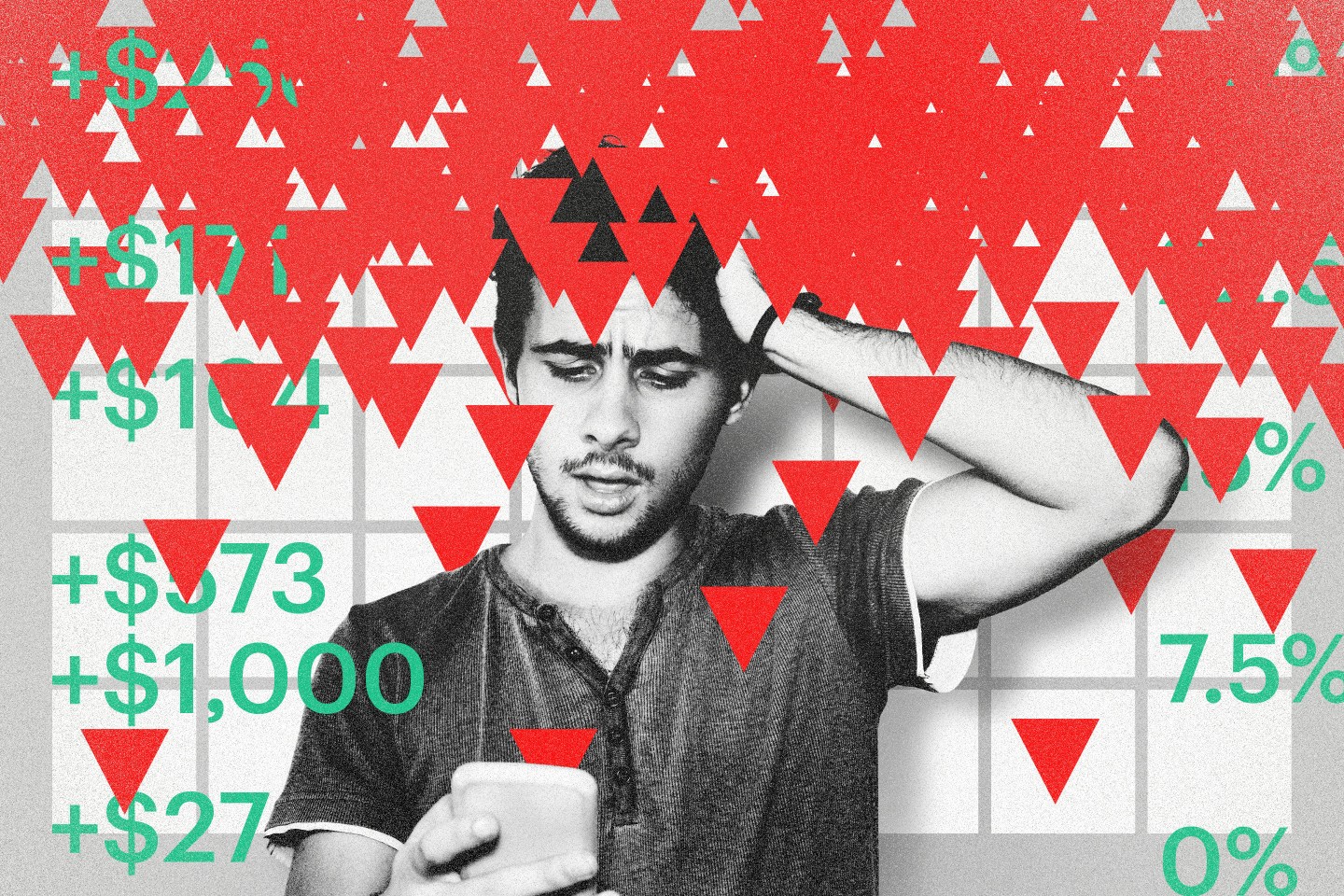
Once the markets start to expect inflation to rise dramatically over a sustained period of time, the economic risks would shift from higher prices to low growth. In essence, businesses and consumers would keep their money parked on the sidelines rather than keeping it circulating in the economy because costs are too high, according to Deutsche Bank senior U.S. economist Brett Ryan. For example, businesses might slow down hiring or struggle with securing new supplier contracts, which are sometimes negotiated years in advance.
That dynamic leads to a “self-fulfilling prophecy,” Young said.
“People [ask themselves] what is inflation going to look like six months from now, a year from now, five years from now,” he said. “And people will sign long-term contracts, make long-term investments based on those expectations…If tariffs provide continuous one-time shocks every time Trump raises one, that’s not going to help inflation expectations go down.”
If tariffs lead to lasting price increases the Fed could be forced to scrap its plans for rate cuts. The fact that long term inflation expectations haven’t risen sharply despite the short-term hit to consumer confidence is one of the main reasons the Fed believes the U.S. is not on the verge of a more pronounced economic downturn. Earlier this month Fed chair Jerome Powell said that keeping long-term inflation expectations “anchored,” meaning consistent with current levels, was “at the heart” of the Fed’s current framework for determining its future rate cuts.
The tax bill adds a ‘double whammy’ of uncertainty
Adding to the difficulty is that the Trump administration is currently backing a major Republican tax bill that is currently being negotiated in Congress. That only adds another wrinkle of uncertainty.
“Now if you’re the head of a corporation you’re trying to keep up with what the tariff laws are and then on top of that, you don’t know what the tax code is going to be,” Ryan said. “So it’s like a double whammy of uncertainty that just puts everything on pause. It’s hard to act without knowing the rules of the game.”
Ryan pointed out that in Trump’s first administration Congress passed the 2017 tax cuts before it embarked on its tariff regime. This time around the order is reversed.
“It’s a very dangerous game to play,” Ryan said.