A grassroots organization is encouraging U.S. residents not to spend any money Friday as an act of “economic resistance” to protest what the group’s founder sees as the malign influence of billionaires, big corporations and both major political parties on the lives of working Americans.
The People’s Union USA calls the 24 hours of spending abstinence set to start at midnight an “economic blackout,” a term that has since been shared and debated on social media. The activist movement said it also plans to promote weeklong consumer boycotts of particular companies, including Walmart and Amazon.
Other activists, faith-based leaders and consumers already are organizing boycotts to protest companies that have scaled back their diversity, equity and inclusion initiatives, and to oppose President Donald Trump’s moves to abolish all federal DEI programs and policies. Some faith leaders are encouraging their congregations to refrain from shopping at Target, one of the companies backing off DEI efforts, during the 40 days of Lent that begin Wednesday.
Here are some details about the various events and experts’ thoughts on whether having consumers keep their wallets closed is an effective tool for influencing the positions corporations take.
Who’s behind the ‘24-hour Economic Blackout?’
The People’s Union USA, which takes credit for initiating the no-spend day, was founded by John Schwarz, a meditation teacher who lives near the Chicago area, according to his social media accounts.
The organization’s website said it’s not tied to a political party but stands for all people. Requests for comment sent to the group’s email address this week did not receive a reply.
The planned blackout is scheduled to run from 12 a.m. EST through 11:59 p.m. EST on Friday. The activist group advised customers to abstain from making any purchases, whether in store or online, but particularly not from big retailers or chains. It wants participants to avoid fast food and filling their car gas tanks, and says shoppers with emergencies or in need of essentials should support a local small business and try not to use a credit or debit card.
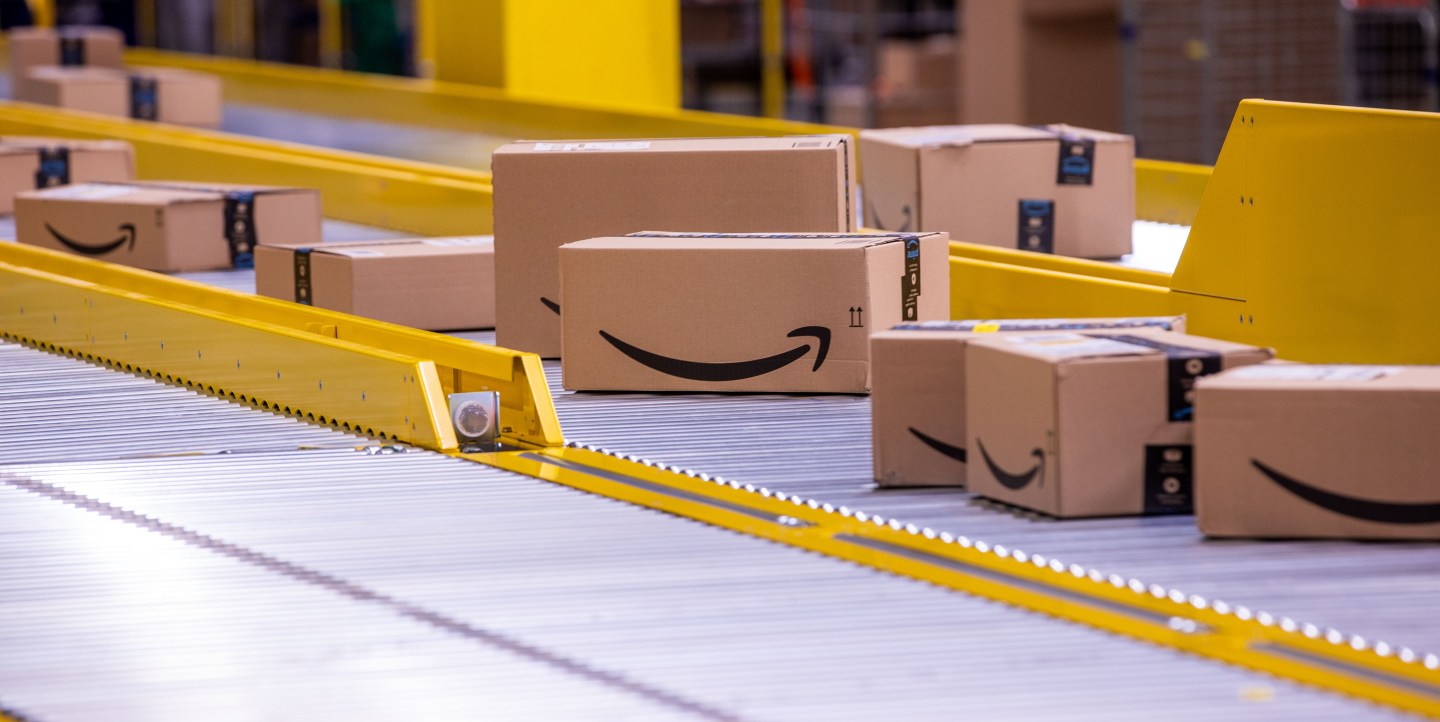
People’s Union plans another broad-based economic blackout on March 28, but it’s also organizing boycotts targeting specific retailers — Walmart and Amazon — as well as global food giants Nestle and General Mills. For the boycott against Amazon, the organization is encouraging people to refrain from buying anything from Whole Foods, which the e-commerce company owns.
What other boycotts are being planned?
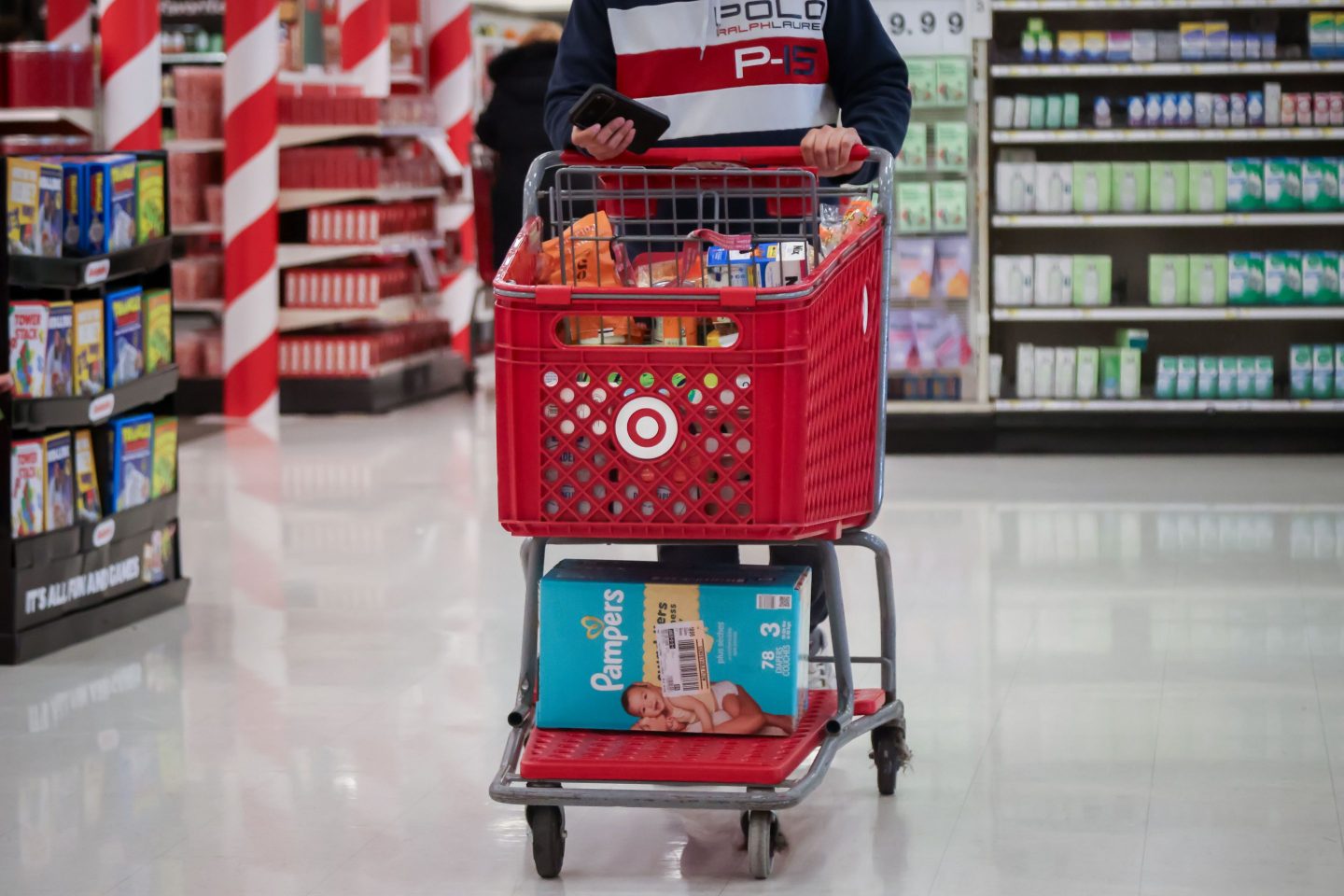
There are a number of boycotts being planned, particularly aimed at Target. The discounter, which has backed diversity and inclusion efforts aimed at uplifting Black and LGBTQ+ people in the past, announced in January it was rolling back its DEI initiatives.
A labor advocacy group called We Are Somebody, led by Nina Turner, launched a boycott of Target on February 1 to coincide with Black History Month.
Meanwhile, an Atlanta-area pastor, the Rev. Jamal Bryant, organized a website called targetfast.org to recruit Christians for a a 40-day Target boycott starting March 5, which marks Ash Wednesday, the beginning of Lent. Other faith leaders have endorsed the protest.
The Rev. Al Sharpton, founder and president of the National Action Network, a civil rights organization, announced in late January it would identify two companies in the next 90 days that will be boycotted for abandoning their diversity, equity and inclusion pledges. The organization formed a commission to identify potential candidates.
“Donald Trump can cut federal DEI programs to the bone, he can claw back federal money to expand diversity, but he cannot tell us what grocery store we shop at,” Sharpton said in a statement posted on the National Action Network’s website.
Will the events have any impact?
Some retailers may feel a slight pinch from Friday’s broad “blackout,” which is taking place in a tough economic environment, experts said. Renewed inflation worries and Trump’s threat of tariffs on imported goods already have had an effect on consumer sentiment.
“The (market share) pie is just so big,” Marshal Cohen, chief retail advisor at market research firm Circana, said. “You can’t afford to have your slices get smaller. Consumers are spending more money on food. And that means there’s more pressure on general merchandise or discretionary products.”
Still, Cohen thinks the overall impact may be limited, with any meaningful sales declines more likely to surface in liberal-leaning coastal regions and big cities.
Anna Tuchman, a marketing professor at Northwestern University’s Kellogg School of Management, said she thinks the economic blackout will likely make a dent in daily retail sales but won’t be sustainable.
“I think this is an opportunity for consumers to show that they have a voice on a single day,” she said. ”I think it’s unlikely that we would see long-run sustained decreases in economic activity supported by this boycott.”
Other boycotts have produced different results.
Target saw a drop in sales in the spring and summer quarter of 2023 that the discounter attributed in part to customer backlash over a collection honoring LGBTQ+ communities for Pride Month. As a result, Target didn’t carry Pride merchandise in all of its stores the following year.
Tuchman studied the impact of a boycott against Goya Foods during the summer of 2020 after the company’s CEO praised Trump. But her study, based on sales from research firm Numerator, found the brand saw a sales increase driven by first-time Goya buyers who were disproportionately from heavily Republican areas.
However, the revenue bump proved temporary; Goya had no detectable sales increase after three weeks, Tuchman said.
It was a different story for Bud Light, which spent decades as America’s bestselling beer. Sales plummeted in 2023 after the brand sent a commemorative can to a transgender influencer. Bud Light’s sales still haven’t fully recovered, according to alcohol consulting company Bump Williams.
Tuchman thinks a reason is because there were plenty of other beers that the brand’s mostly conservative customer base could buy to replace Bud Light.
Afya Evans, a political and image consultant in Atlanta, said she would make a point of shopping on Friday but will focus on small businesses and Black-owned brands.
Evans is aware of other boycotts but she said she liked this one because she believes it could have some effect on sales.
“It’s a broader thing,” she said. “We want to see what the impact is. Let everybody participate. And plan from there.”
AP Business Writer Dee-Ann Durbin in Detroit contributed to this report.