Takeda Pharmaceutical Co.’s global footprint mirrors how most drug companies operate today. Multinational pharmaceutical companies tend to build one manufacturing plant to produce one treatment, which is then shipped to different markets across the globe.
But with the ongoing uncertainty of tariffs, enacted by President Donald Trump’s administration in China and threatened in other markets including Canada and Mexico, global companies like Tokyo-based Takeda may need to rethink their approach to ensure their supply chains remain resilient.
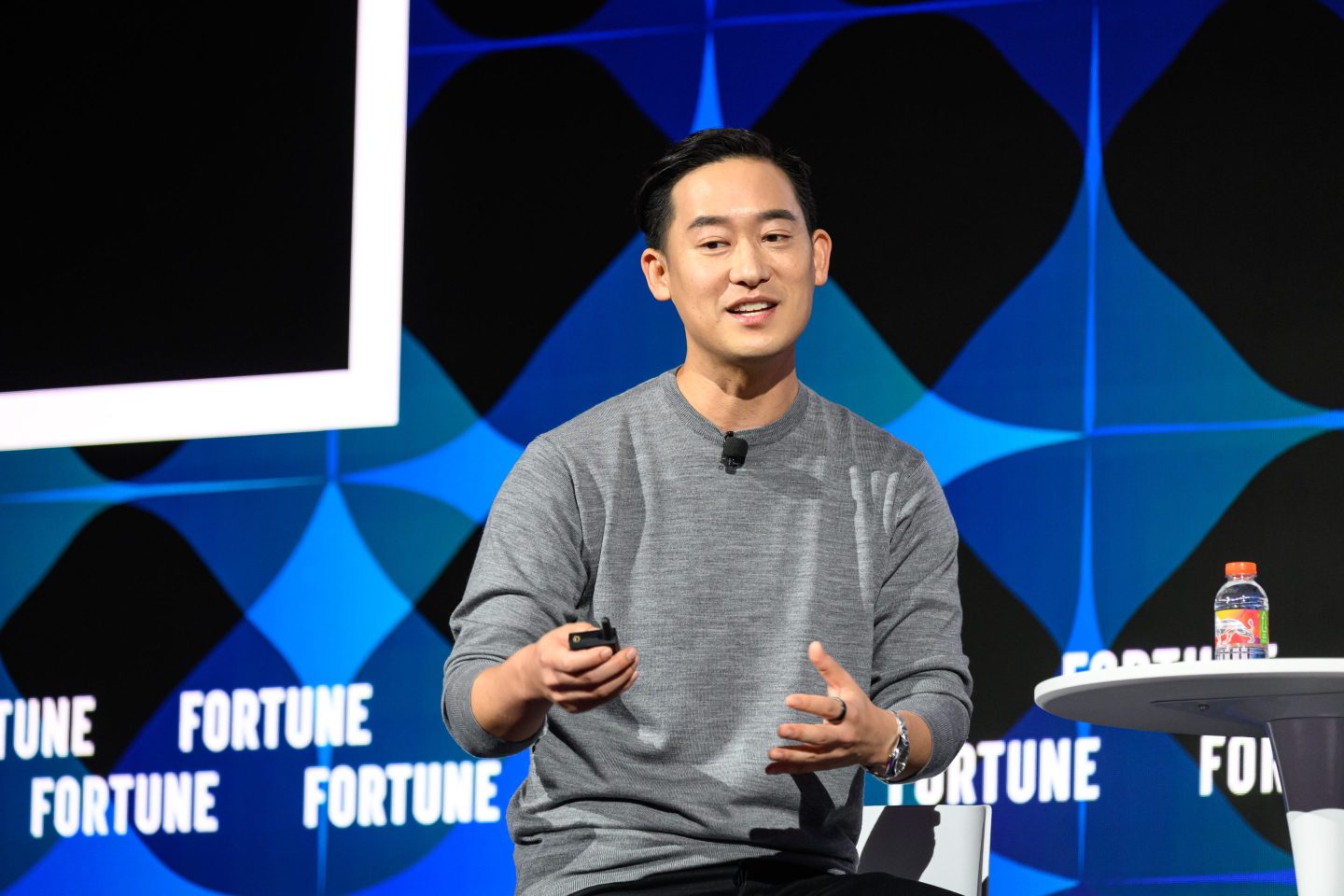
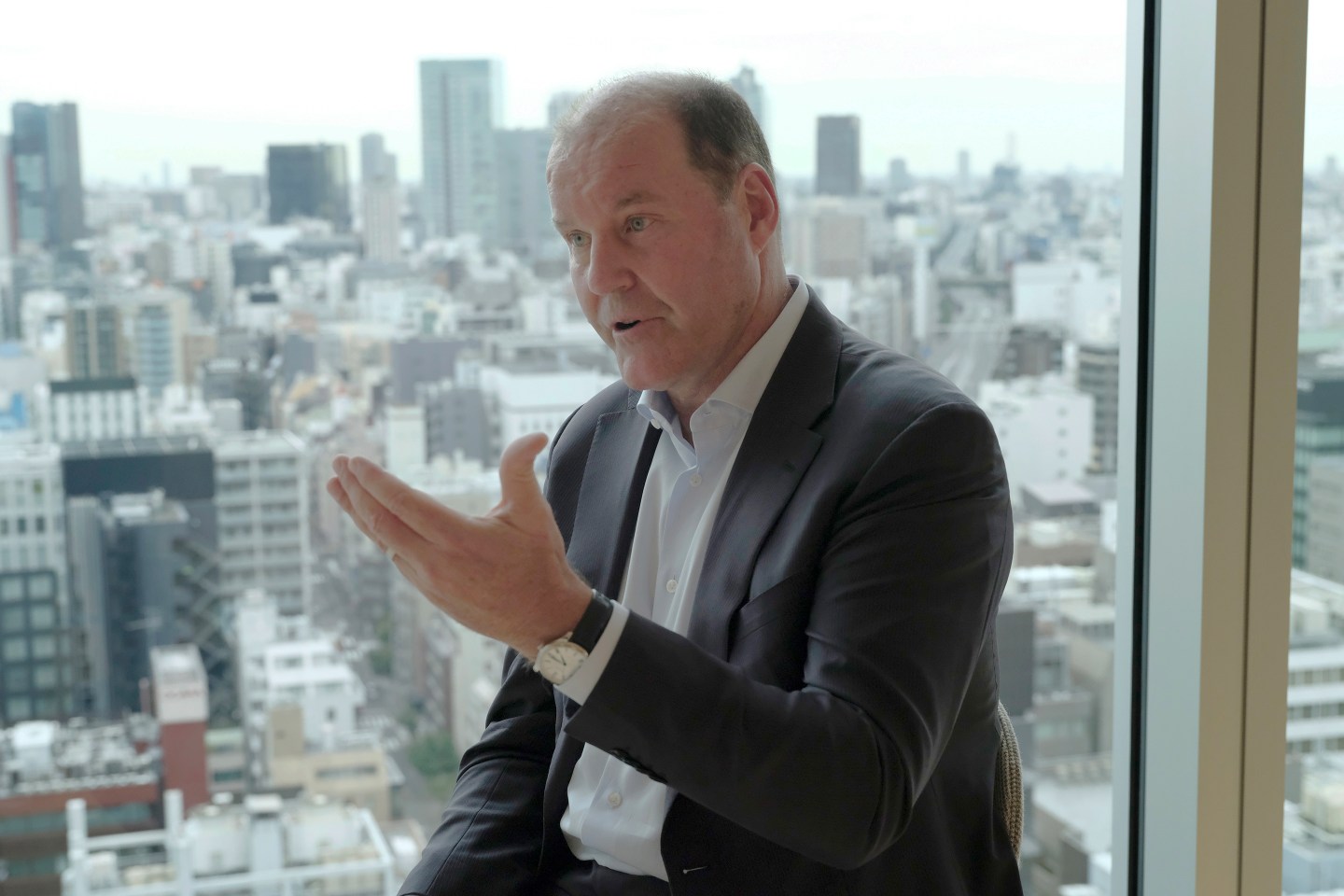
“The list of what is on top of our mind is much broader than in the past,” says Christophe Weber, Takeda’s president and CEO, during a virtual conversation focused on pursuing growth in a volatile world, hosted by Fortune with consultancy BCG. “Geopolitics, of course, is a big topic.”
Weber says it is easy to imagine a world that is becoming more multipolar, meaning trade and economies will become more localized and operate through multiple blocs, moving away from the U.S.-led globalization that propelled international trade.
His thinking reflects a changing world that’s been heralded as “Globalization 2.0,” and one that assumes more volatility in the global economy. BCG managing director Matthias Tauber sees three big changes: a move away from a market-driven economy to a world focused on geopolitics, slower global trade, and more regionalized trade.
“We see trade slightly below 3% [growth],” says Tauber of BCG’s projection over the next decade. Tauber, who is also a senior partner and chair of BCG’s operations in Europe, the Middle East, South America, and Africa, said he expects that trade will concentrate in more closely connected blocs in regions like North America and Southeast Asia.
If global trade growth were to underperform global gross domestic product growth, it would represent an inverse from the past several decades. From 1995 through 2023, the global trade of goods and commercial services grew an average 5.8% per year, according to the World Trade Organization, while global GDP increased 4.4% per year, on average, over the same period.
Geopolitics and AI are top of mind for CEOs
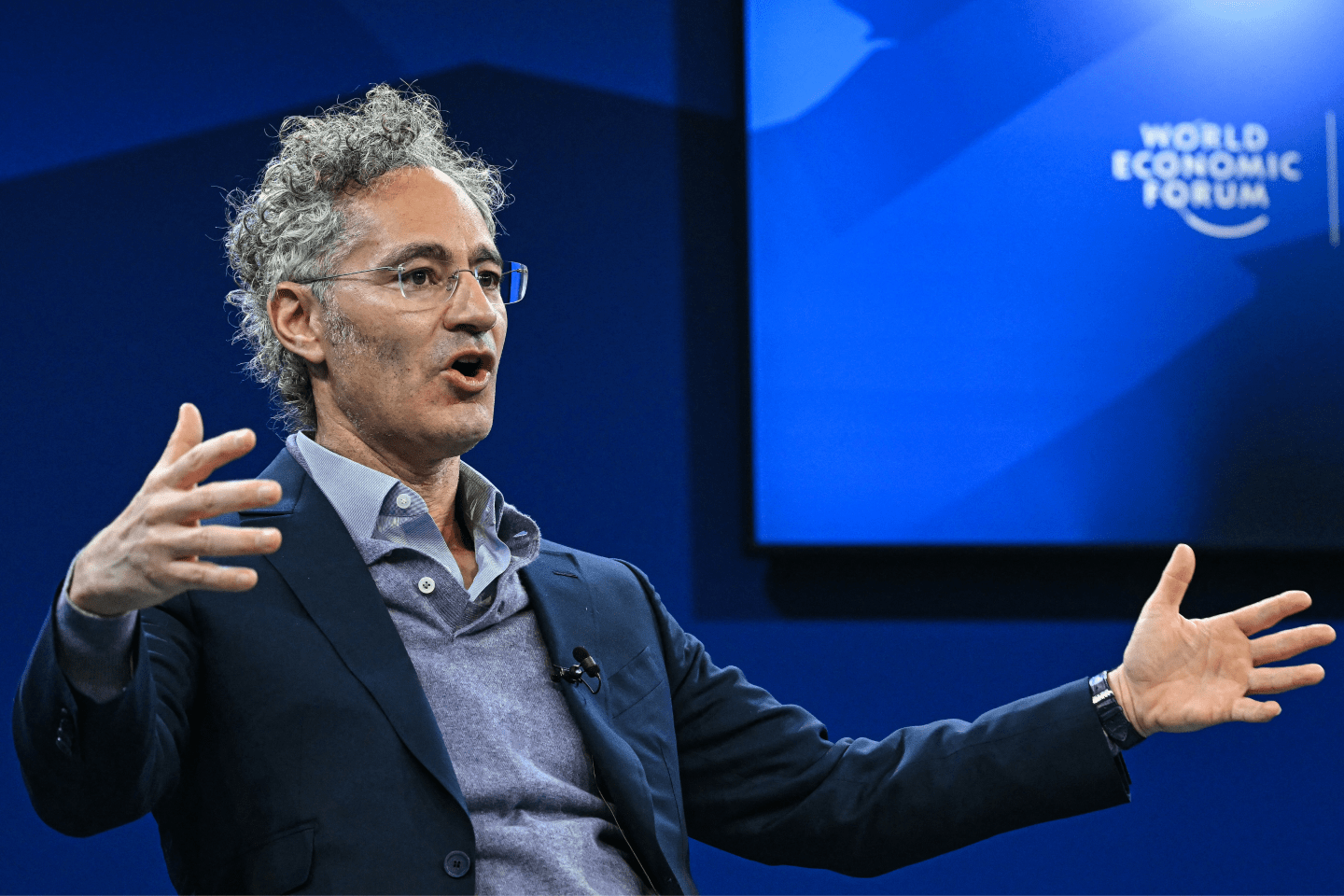
Christian Ulbrich, CEO of real estate company JLL, said the global political environment, along with artificial intelligence, was at the top of the agenda for every global company in attendance at the World Economic Forum held in Switzerland last month. As a European, he notes concerns about a multipolar world have escalated following this month’s Munich Security Conference, which raised questions about the strength of the post–World War II U.S.-European relationship.
But Ulbrich says he believes the Russian invasion of the Crimea region of Ukraine in 2014 was a more notable inflection point. “And since then, the world has gotten smaller and smaller, and much more complicated,” says Ulbrich, whose global real estate company serves clients in more than 80 countries.
Evan Smith, cofounder and CEO of Altana, a supply-chain management software developer, says his company has developed an agentic system that helps clients simulate and predict how tariffs could impact their business.
“Our point of view is basically that the border is going to be used as a means to affect the geopolitical agendas of these sovereign [nations] in a multipolar world,” says Smith.
Other CEOs are prioritizing nimbleness. Philip Gallagher, CEO of electronic components supplier Avnet, notes that for a few weeks fears were high that the U.S. would slap tariffs on goods from Canada and Mexico. But Trump agreed to a 30-day pause on those threats earlier this month after the other two North American nations promised to address concerns about border security and drug trafficking.
“We can’t guess where everything’s going,” says Gallagher. “We just have to manage the business for what it is today, and then be adaptable, flexible, to adjust where it goes.”
The fast advancements of generative AI technology and scattered approach to regulation across different nations has also added to the complex business climate C-suite leaders face today. “To make this return on investment on AI, it is becoming more and more difficult because of the volatility,” says Sylvain Duranton, managing director, senior partner, and global leader for BCG X, which has a team of 3,000 engineers to help build AI solutions for the consultancy’s clients.
Companies are struggling to make AI pay
While a majority of companies are increasing their AI investments in the coming years, BCG’s research also shows that only 25% of companies are seeing a return on these investments.
“We know that not everyone is succeeding,” says Duranton.
He says BCG is also seeing different AI innovation ecosystems emerging across the globe, in markets like the U.S., Europe, China, and the Middle East. The approach to regulated AI is also vastly different, with the EU AI Act seen as a more restrictive approach, while the U.S. is not yet embracing comprehensive federal legislation. In response, BCG has rolled out an AI framework that makes the company compliant in every global market.
While AI regulation has tightened in European markets, oversight of the technology is relatively lax in Latin America, according to Millicom CEO Marcelo Benitez. “Our biggest challenge is talent,” says Benitez. “There is a huge scarcity of digital and technology talent.”
Millicom, a Luxembourg-based telecommunications services company that serves more than 46 million customers and focuses on Latin America, aims to work with local governments to promote digital education and upskill the workforce, Benitez says.
JLL’s Ulbrich says there is a lot of pressure for companies to execute on AI. For each potential use case a business can deploy, there’s also the risk that a rival could execute on the idea faster and get a competitive advantage.
“I think we all have to be quite paranoid about opportunities AI can offer,” says Ulbrich.