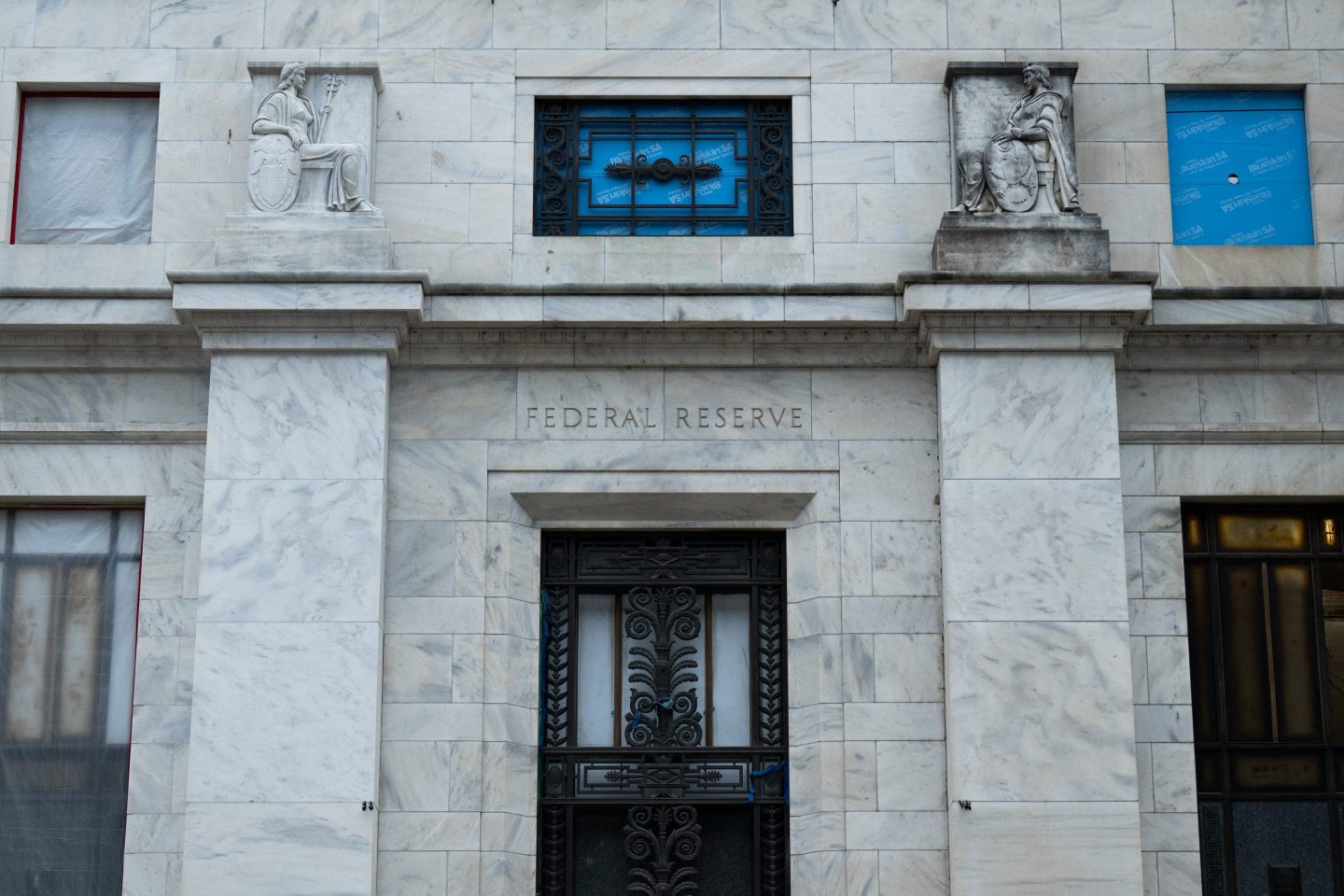
The US on Friday announced the most sweeping and aggressive sanctions yet on Russia’s oil trade, just ten days before Joe Biden leaves the White House to be replaced by Donald Trump as president.
About 160 oil tankers were sanctioned and India — a key buyer of seaborne barrels — won’t permit the ships into its ports once a wind-down period ends in March.
If they stay in place under Trump, the measures have more chance of disrupting Russia’s exports of petroleum than anything done by any western power so far.
As well as the tankers, two large producers and exporters were sanctioned, traders organizing hundreds of shipments have been listed, pivotal insurance companies have been named, and two US oil service providers have been told to exit. A Chinese oil terminal operator was also included.
The measures could in theory reduce what the International Energy Agency predicts will be a supply surplus of almost 1 million barrels a day this year. Brent oil futures, which ended 2024 below $75 a barrel, rose above $80 at one stage Friday, ICE Futures Europe data show.
This story looks at each of the key areas within the context of oil supply.
Surgutneftegas and Gazprom Neft
The sanctioning of these two firms is by far the most direct and aggressive step taken so far by Washington or any other western power.
Between them, the two companies shipped about 970,000 barrels a day of oil by sea in 2024 and the fact they have been designated will be a cause for concern for oil refineries in India as well as state-run companies in China.
To put their seaborne flows into context, it’s bigger than a global supply surplus that the International Energy Agency is anticipating for the global market in 2025. It’s also almost 30% of Russia’s seaborne exports.
Nobody is suggesting that the two companies’ shipments will be halted in their entirety, but the fact that they are sanctioned, along with the other measures announced, means disruption cannot be ruled out.
Many Tankers
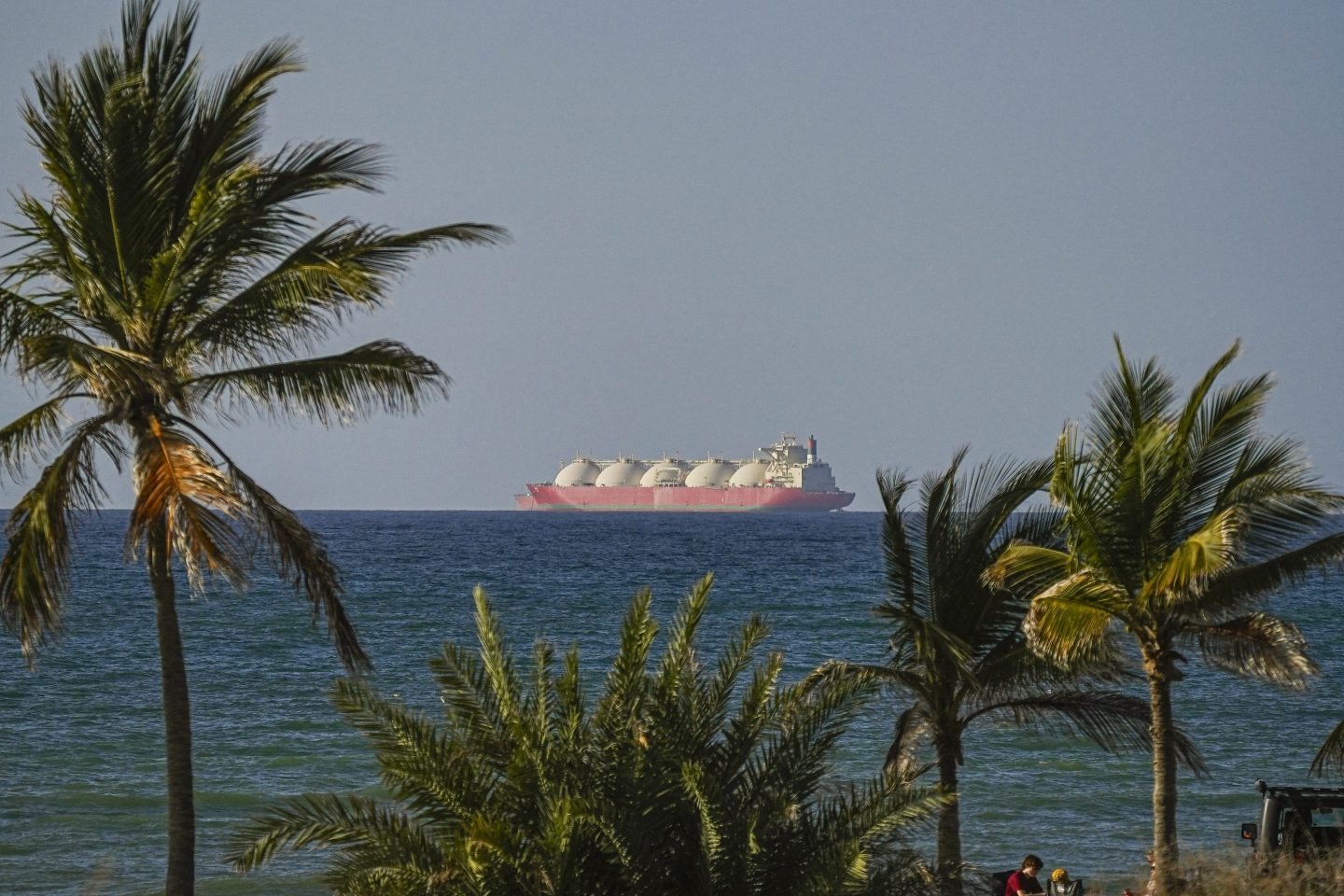
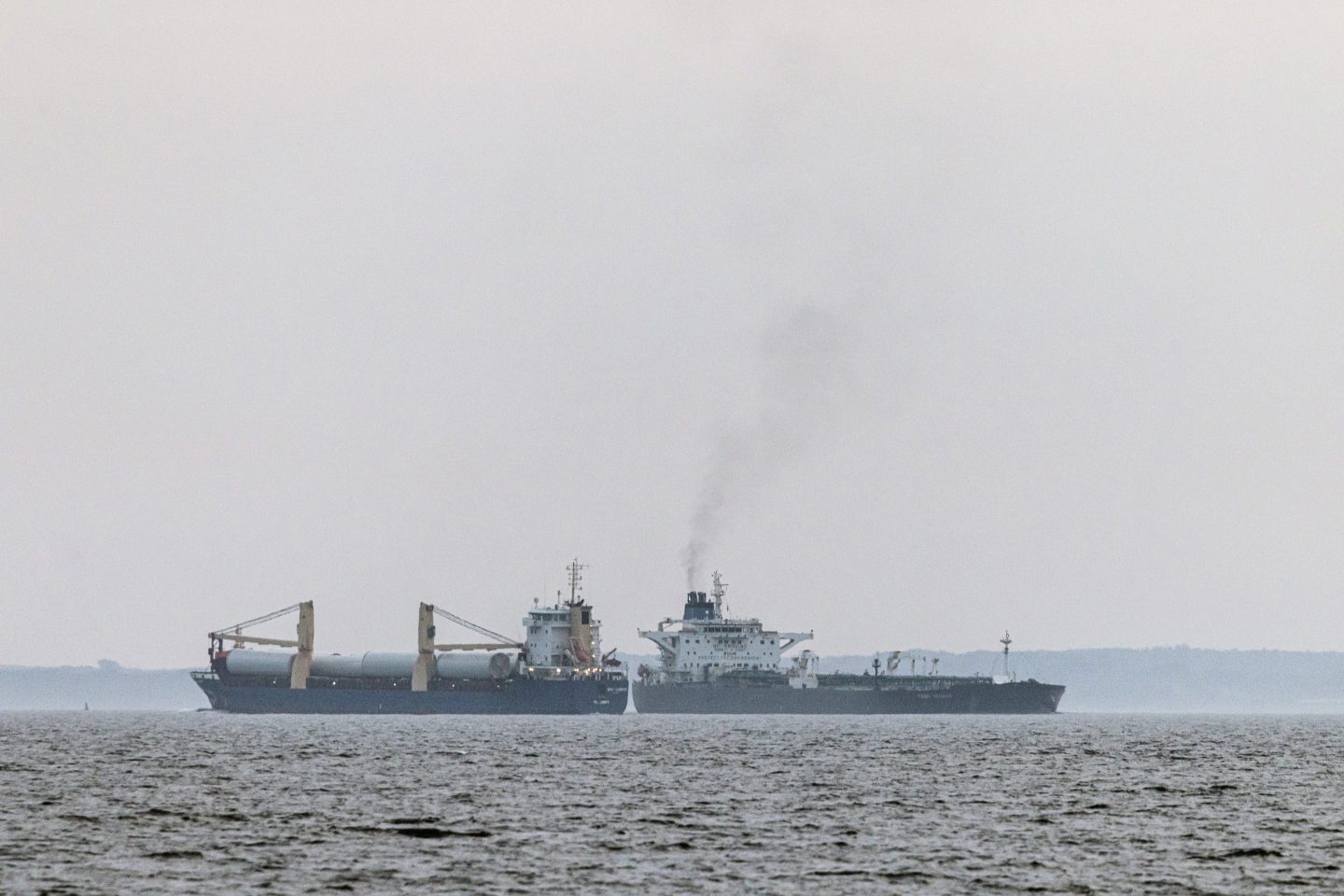
The US announced sanctions on about 160 individual oil tankers.
That doubles the entire list of vessels targeted by the US, UK and European Union up to now. About 30 of the ships Washington is going after have already been sanctioned by London and Brussels, but it’s important to note how effective US measures have proved thus far.
Of all the sanctions on Russia’s oil trade, those imposed by the US have proved to have the most bite, evidence that Asian buyers are wary of flouting Washington’s measures.
Prior to Friday, the Office of Foreign Assets Control had designated 39 tankers that transport Russian petroleum since October 2023. Of those, 33 have failed to lift cargoes since they were listed, according to ship-tracking data compiled by Bloomberg. That is a higher level of disruption than achieved by similar measures imposed by the UK or European Union and over a period of time more than twice as long, with the first sanctions imposed by either of those jurisdictions only coming in June 2024.
The latest measure includes sanctions against the entire fleets of specialized shuttle tankers used to move crude from key projects in Russia’s Arctic and Pacific regions. The Arctic vessels shuttle cargoes to the Russian port of Murmansk, where two storage tankers have also been targeted, and may feel little immediate from the move. But it could hamper maintenance work on the ships, which is typically carried out in China.
The shuttle tankers operating in the Pacific move Russian oil to China and Friday’s sanctions could complicate that trade, potentially requiring cargoes to be moved from one tanker to another before delivery.
Chinese Company
Although the press release focused on the targeted Russian entities, the fully updated sanctions list contained a Chinese oil terminal operator.
Shandong United Energy Pipeline Transportation Co. Ltd. and a subsidiary were sanctioned for providing material support to Russia’s state tanker giant Sovcmoflot, the State Department said.
The move shows a willingness by the US to sanction businesses in consuming nations that help circumvent efforts to restrict Russian oil flows.
Just as importantly, it also demonstrates that simply dealing with sanctioned companies can be enough to land a firm with sanctions, potentially making other businesses more risk averse.
Traders
OFAC has also targeted the “opaque traders willing to ship and sell” Russia’s oil, who “often are registered in high-risk jurisdictions, have murky corporate structures and personnel with links to Russia, and conceal their business activities.”
Many of these trading companies were set up only after Russia’s 2022 invasion of Ukraine and several of the early entrants have already disappeared, to be replaced by new entities, with overlapping owners and many of the same staff.
Actions taken against the current oil traders will likely create some short-term disruption, but it’s probable that they many will reemerge under different names.
Ship Insurance
Sanctions on two of the biggest Russian providers of protection and indemnity insurance for oil tankers, Ingosstrakh Insurance Company and Alfastrakhovanie Group, may not have much impact on flows.
However, the banning of insurance provision by these two companies may effectively push some tankers, including Russia’s own fleet, out of mainstream insurance markets. At least temporarily. That will add to concerns already expressed by countries whose waters are already put at risk by the aging vessels hauling Russian oil.
An important question will be the response of India and its oil buyers and regulators, since the country is a key recipient of deliveries that are covered by Ingosstrakh.
“Removing Ingosstrakh from the market creates a vacuum that will inevitably be filled by fly-by-night insurers,” the company said by email. It added that it would look at ways to address what it called an unwarranted and damaging decision.
Oil Services
The sanctions also require US petroleum service companies to stop operations in Russia by Feb. 27
At least two US-based global providers have continued to work in the country even after the Kremlin’s invasion in Ukraine, according to their quarterly reports.
Yet the wider restrictions are unlikely to have any immediate effect on Russia’s ability to pump crude, as domestic providers, including companies formerly owned by foreign investors, do the bulk of oil services in the country. Former subsidiaries of global oil-service providers have retained the equipment, personnel and know-how sufficient to sustain Russia’s drilling rates.
Only some 15% of the Russian oil-drilling market depend on foreign technologies, Oslo-based research firm Rystad Energy A/S estimated a year ago.
Any impact on Russian oil production is likely to be felt only over the longer term and most keenly on greenfield projects that require most up-to-date technologies to pump oil profitably. As a result, Russia’s foray in the Arctic reserves as well as development of offshore fields may slow down.
Implementation and Enforcement
Much of the Russian oil trade has already migrated away from Western companies and service providers, reducing the bite of measures taken so far.
If the sanctions are to be effective, the incoming US administration will need to be willing to take action against the buyers of Russian oil.
Indian refiners and those owned by the Chinese government have already showed a reluctance to accept cargoes carried on sanctioned ships. But that hasn’t been too costly for them when the blacklisted vessels were only a small fraction of the available shadow fleet.
The latest round of US sanctions changes that picture, hitting a larger proportion of the fleet.