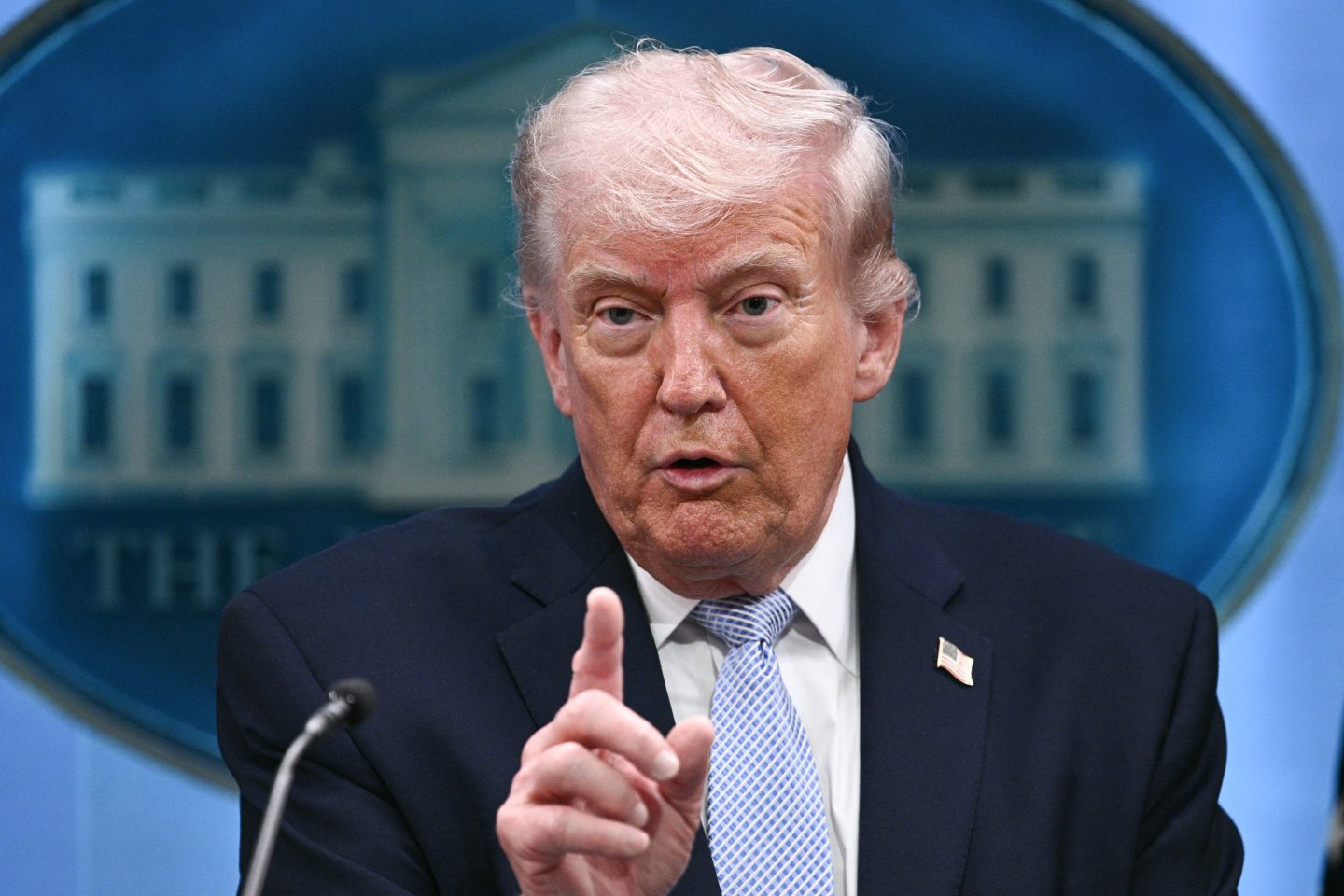
Voting booths may have officially closed, but a vulnerability in the U.S. economy remains wide open for inspection. With President-elect Donald Trump now set to lead the nation, the federal government must prioritize addressing its unsustainable debt, which is now near 100% of gross domestic product. This issue must be confronted through sensible, open-minded conversations about budget priorities.
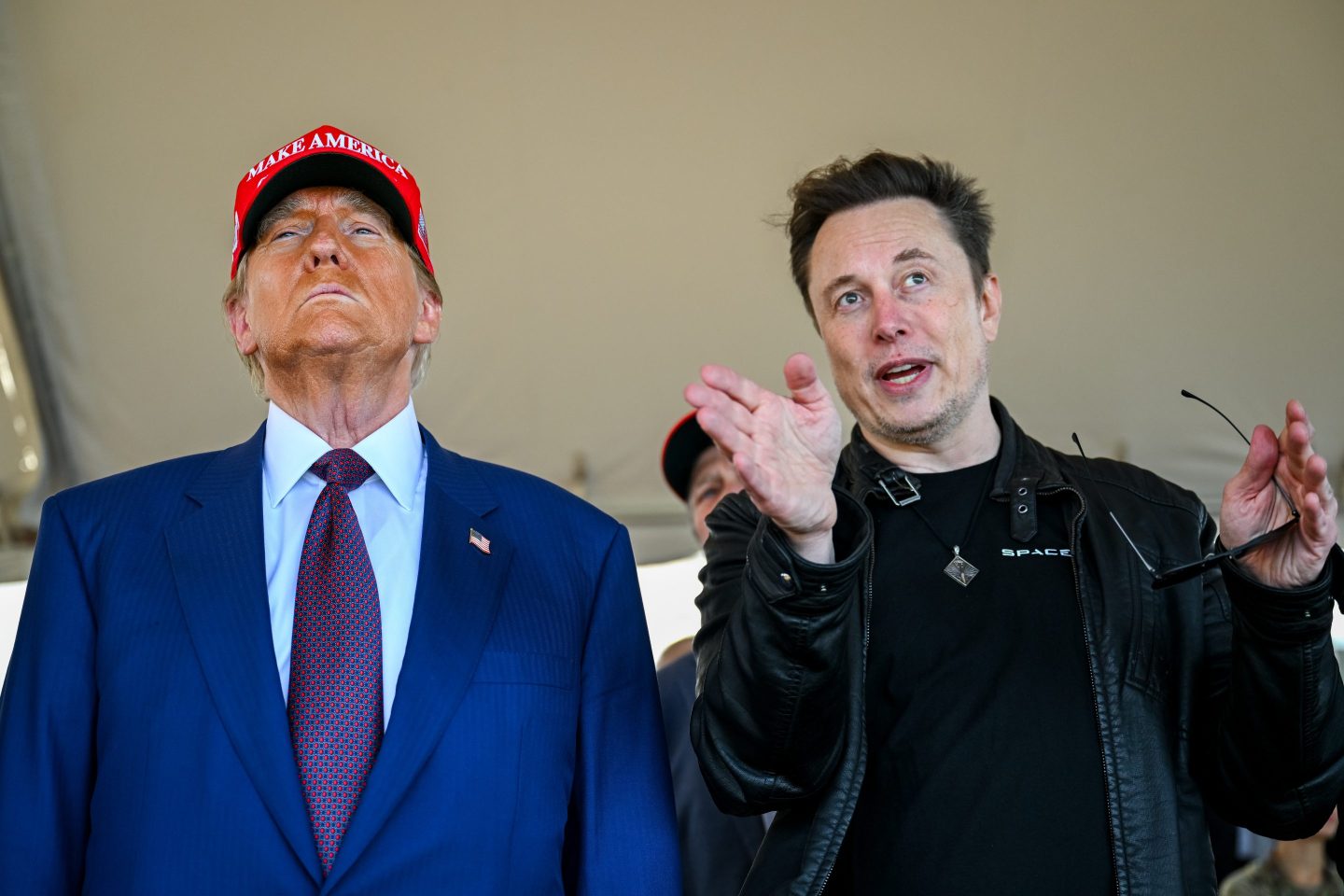
Despite the best efforts of Elon Musk, Vivek Ramaswamy, and the proposed new Department of Government Efficiency (DOGE), there are very few quick fixes on offer, and the relatively benign macroeconomic environment that has characterized the last 40 years or so no longer exists.
With strong economic growth no longer guaranteed and the era of low interest rates seemingly over, I estimate that the 2025 federal deficit would need to be reduced by around $750 billion to stabilize our national debt. That is twice the amount the federal government currently spends in annual compensation for all its civilian employees.
Given the importance and magnitude of the challenge at hand, now is the time to pursue meaningful fiscal adjustments that balance the need to manage costs with that of generating higher revenues. With that balance in mind, the Penn Wharton Budget Model (PWBM) maps out several alternative policy bundles that can reduce federal deficits without damaging the economy.
Bundle #1
One option includes, among other measures, broad-based changes to entitlement programs, such as mild increases in eligibility ages for those younger than 50, combined with limits on employer-sponsored health insurance and a 5% reduction in non-defense discretionary spending.
When implemented over a 10-year period, this plan decreases government outlays by nearly $3.5 trillion (and by $25 trillion over a 30-year period). All the while, GDP goes up by 10%, and the debt-to-GDP ratio decreases significantly relative to the current baseline projections.
Bundle #2:
Another option is to disallow all itemized deductions, except charitable contributions, and enact a 1% value-added tax, together with smaller tweaks to the tax code. This proposal is estimated to generate closer to $30 trillion and still grow the economy by almost 6% by 2054.
Either plan provides realistic, pragmatic legislation that gets us closer to fiscal stability. This is not to downplay the difficulty of the policy choices involved. Rather, in the spirit of outlining a constructive way forward, these types of ideas can lay the foundation for productive change.
Higher productivity, an expanded workforce, and more entrepreneurship are all meaningful contributors to positive outcomes. In that vein, here’s one budget item that should receive a lot more attention: funding for K-12 education. Despite the need to prepare young people for the types of well-paying jobs that are likely to characterize the 21st century, both political parties have been disappointingly quiet about the recent meaningful declines in our educational standards. The U.S. produces remarkably competitive colleges and graduate schools, so how can educational attainment be worsening in primary and secondary schools? Why is the issue being met with silence?
If we keep marching ahead without considering constructive fiscal action, the federal debt will swell to a level that could cause economic pain for everyone in very discernable ways. We could be at risk of entering a period of consequential fiscal pressure, with soaring interest payments undermining our ability to fund core government programs and invest in public services.
One of the more pressing realities about debt is that to issue it, you need people to have faith in your creditworthiness, and if their confidence dips far enough, they will demand higher interest rates to compensate for the perceived increase in credit risk. A prolonged delay in addressing it risks a deterioration of confidence among our creditors. Already, signs of weakening confidence are emerging: international investors have been reducing their holdings of Treasury bonds since the summer of 2021, slowly chipping away at an important source of support for U.S. debt markets (and putting pressure on domestic buyers to absorb even more of the Treasury’s issuance).
Trust is a crucial dimension of the U.S. debt problem. Fundamentally, our debt difficulties entail something that goes well beyond the amount listed in the government accounts. When boiled down, our challenge is really about preserving trust between our government and its creditors. Constructive, forward-looking dialogue about our federal finances would help reinforce that trust. Despite the concerns outlined here, it’s worth reiterating the improbability of a near-term outcome in which the U.S. fails to meet its debt obligations. There is virtually zero chance of a debt default in the short run. But in the longer term, it seems prudent to take a careful look at where we’re trending. In the interest of positive momentum, we need smart policies that will reduce the debt burden over time, together with some degree of consensus that the issue should no longer be swept under the rug.
More must-read commentary published by Fortune:
- Shell’s Pyrrhic victory may well set the stage for more corporate climate accountability
- Demis Hassabis-James Manyika: AI will help us understand the very fabric of reality
- I worked with Steve Jobs. Here’s what he’d say about today’s leadership style
- The next wave of AI won’t be driven by LLMs. Here’s what investors should focus on instead
The opinions expressed in Fortune.com commentary pieces are solely the views of their authors and do not necessarily reflect the opinions and beliefs of Fortune.