Donald Trump is promising to bring back the American dream ‘bigger, better, and stronger than ever before’ if he wins next month’s election. The only problem is that no one can agree on what the American dream represents, and an increasing majority feel it’s completely out of reach.
Experts say society is growing increasingly skeptical of whether it will achieve the lofty goals identified by previous generations. However, they warn that if the labor market becomes disillusioned with prosperity, it bodes badly for the economy.
That said, there are still those who believe the American dream is possible for others and claim to have achieved it.
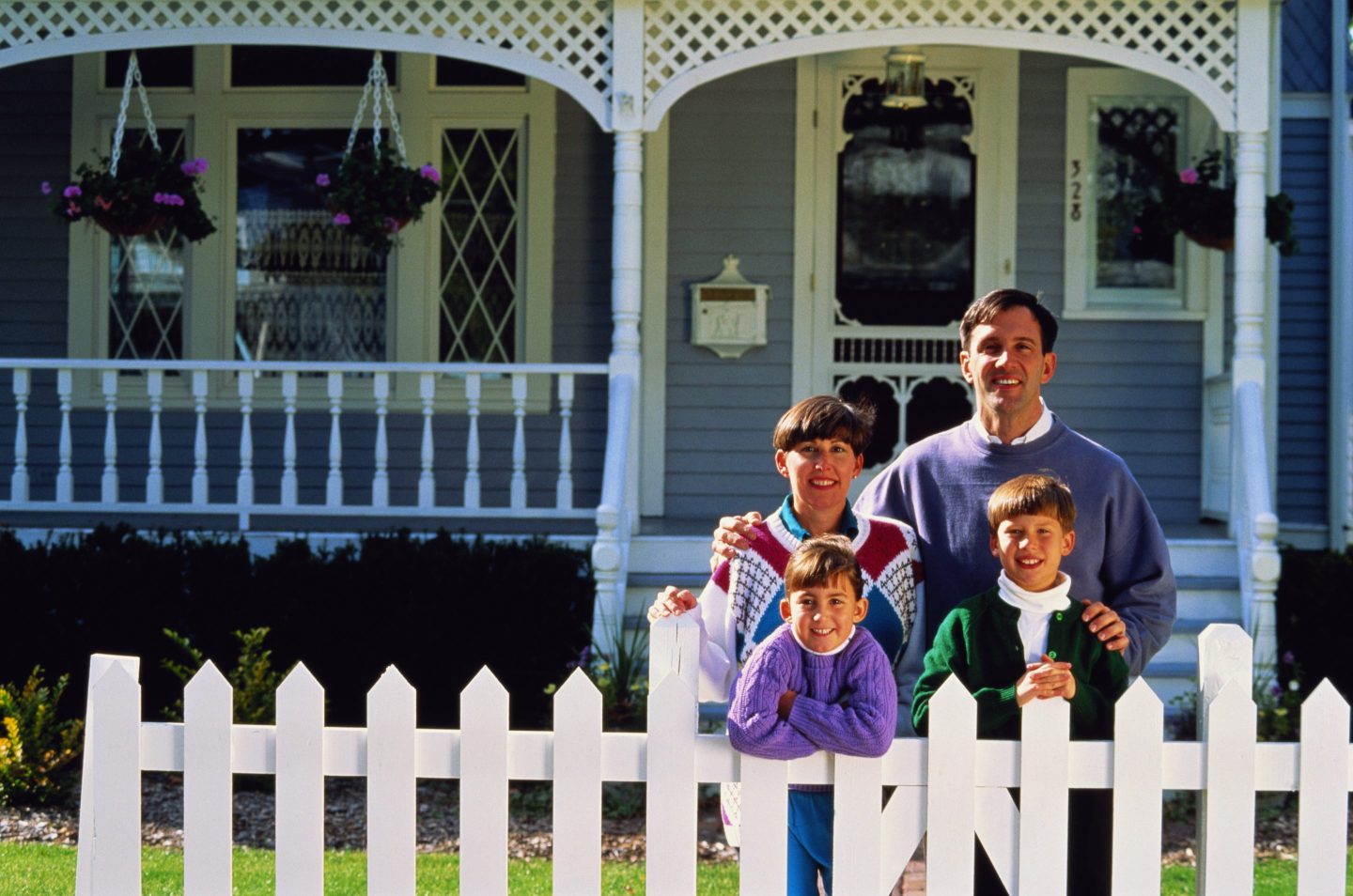
Perhaps, then, it’s time to redefine what the American dream looks like. One thing’s for sure: it’s not about white picket fences anymore.
Pessimism is growing
For the past eight years, Gonzalo Schwartz has dedicated his work to researching the American dream at the Washington D.C.-based Archbridge Institute.
For the past five years, the non-profit has carried out an American dream survey, and in 2024, pessimism that the dream cannot be achieved is at its highest yet.
Schwartz said that, to some extent, narratives about the American dream disappearing have prompted it to become a “self-fulfilling prophecy.”
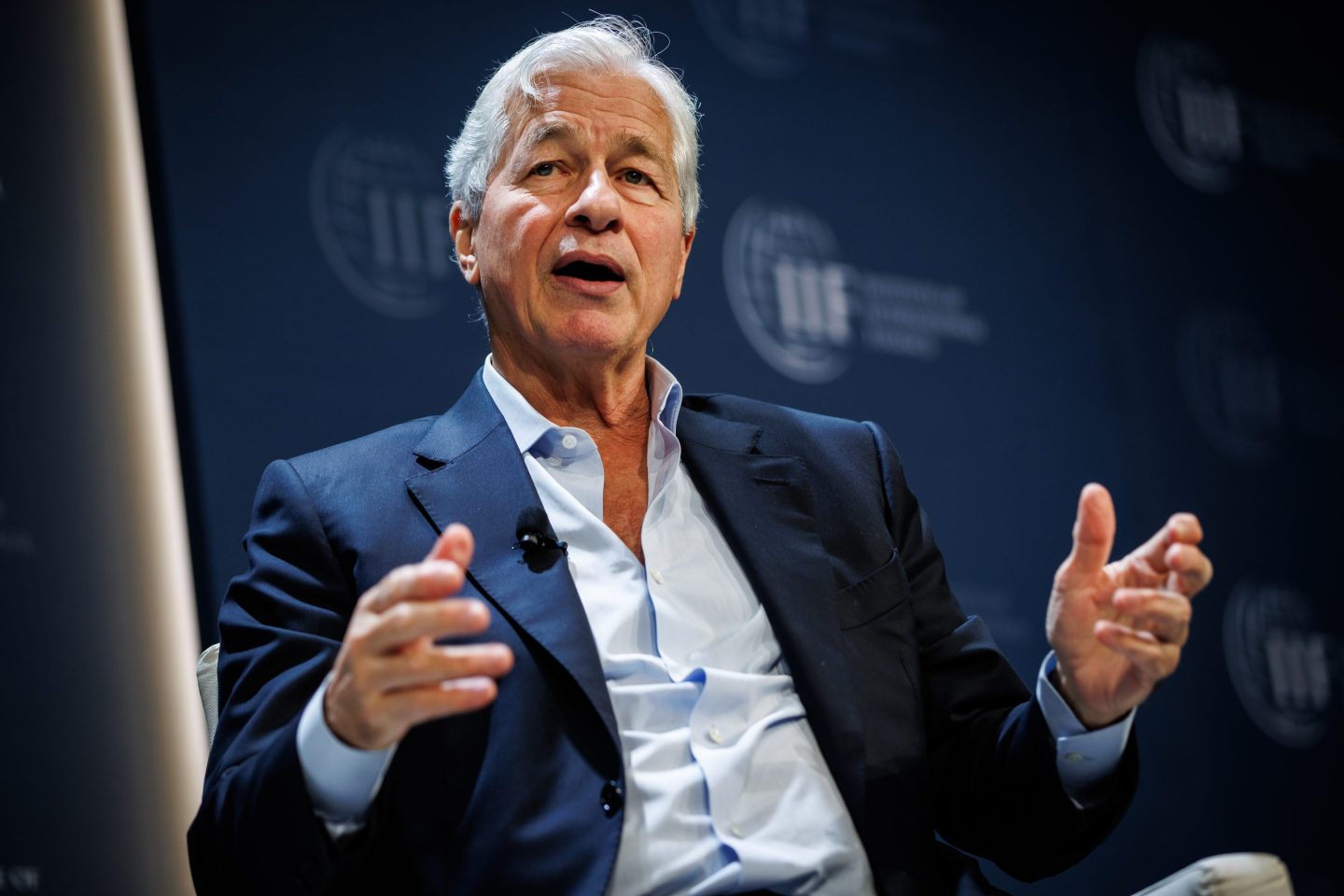
For example, JPMorgan CEO Jamie Dimon—a self-professed “full-throated, red-blooded, patriotic, unwoke, capitalist CEO”—has warned that the beacon of hope that once inspired America’s workforce is fading.
Schwartz says economic conditions are also eroding individuals’ outlooks. He highlighted that while inflation is slowing in the States, wages have not kept up, meaning consumers feel they are worse off month after month.
Likewise, Schwartz pointed out that with the housing market becoming completely inaccessible to many, the American dream consists of renting.
Even that, he added, is becoming increasingly difficult due to rent inflation.
What if the American dream dies?
Would it really be that bad if Americans let go of the dream Uncle Sam was built on, especially if it’s so out of reach?
Well, yes.
The problem, explains Professor Henrietta Moore, is that economies are fundamentally built on engagement.
The American dream—or, more loosely, the idea that individuals can prosper if they participate—brings the labor force together. Without that, not only do fractions appear, but this disillusionment comes at the cost of productivity and supporting inactive workers.
The founder and director of the Institute for Global Prosperity based at University College London told Fortune: “If you have political polarization, for example, that will have a massive downward impact on productivity because what it’s basically saying to people is: ‘We’re all in it for ourselves, and we don’t need to take account of you in any way.'”
She continued: “If we have dissociative thinking about others: where you’re not concerned with others, or where you will only deal with people who already agree with you, you’re reducing your ability to come together to do something. In an economy, you need people to come together to do it.
“You can’t get people into an economy just by issuing instructions—you want people to pull together in a single direction, which is why culture is really important in firms.”
Redefining the American dream
While a loose interpretation of the American dream is anyone can succeed if they are given the opportunity to do so, more traditional benchmarks are also associated with the phrase: home ownership, financial independence, running one’s own business, for example.
Whichever interpretation consumers have of the American dream, Pew Research has found that some, more than others, believe in its existence.
Pew found in its survey of more than 8,000 people that older, richer, white respondents are the most likely to believe the American dream still exists. By far, those aged 65 and older think the notion is the most realistic, with 68% saying the dream is still possible.
This confidence falls as the respondents age. Of the youngest demographic, those aged between 18 and 29, just 39% believe the dream is still possible, with the rest saying it’s out of reach for good.
So perhaps it’s time to change the parameters—a notion put to 500 Boomers and Millennials by researchers Kristin Scott, Juan Meng and Ann Kuzma.
The trio of researchers based out of Minnesota State University Mankato found both generations generally attribute the American dream to a similar set of targets: a house, family, a car and opportunity.
They differed, however, in that Boomers were more likely to believe the dream is still relevant and important, while some Millennials would add factors such as sustainability, benevolence, and protecting the environment.
The dream for those who need it
Whatever the new values of the American dream look like, they need to be accessible to the many, not the few.
Professor Moore points to data such as an October CBO report, which found that families in the bottom 50% of America’s wealth spectrum held just 6% of the nation’s assets over the past 30 years.
“We’re trying to go into this period of extraordinary societal transformation, which will be necessary to deal with climate change, environment, biodiversity loss, but we’re doing so in a situation where we stranded about 40% of our human assets,” the expert explained.
Biden’s green jobs agenda and Inflation Reduction Act partly attempts to answer to this issue, Professor Moore added but continued: “If you’re a child brought up in poverty and you’re not fed properly and you’re brought up cold, this impedes your cognitive development.
“If your cognitive development is impeded, then you don’t do well at school, so you’re more likely to drop out. If you drop out, you’ll feel you’re on the edge of things. So and this creates ramping costs through time.
“We now have a situation where we’re carrying a huge tailwind of people who haven’t had opportunity for a long period of time.”