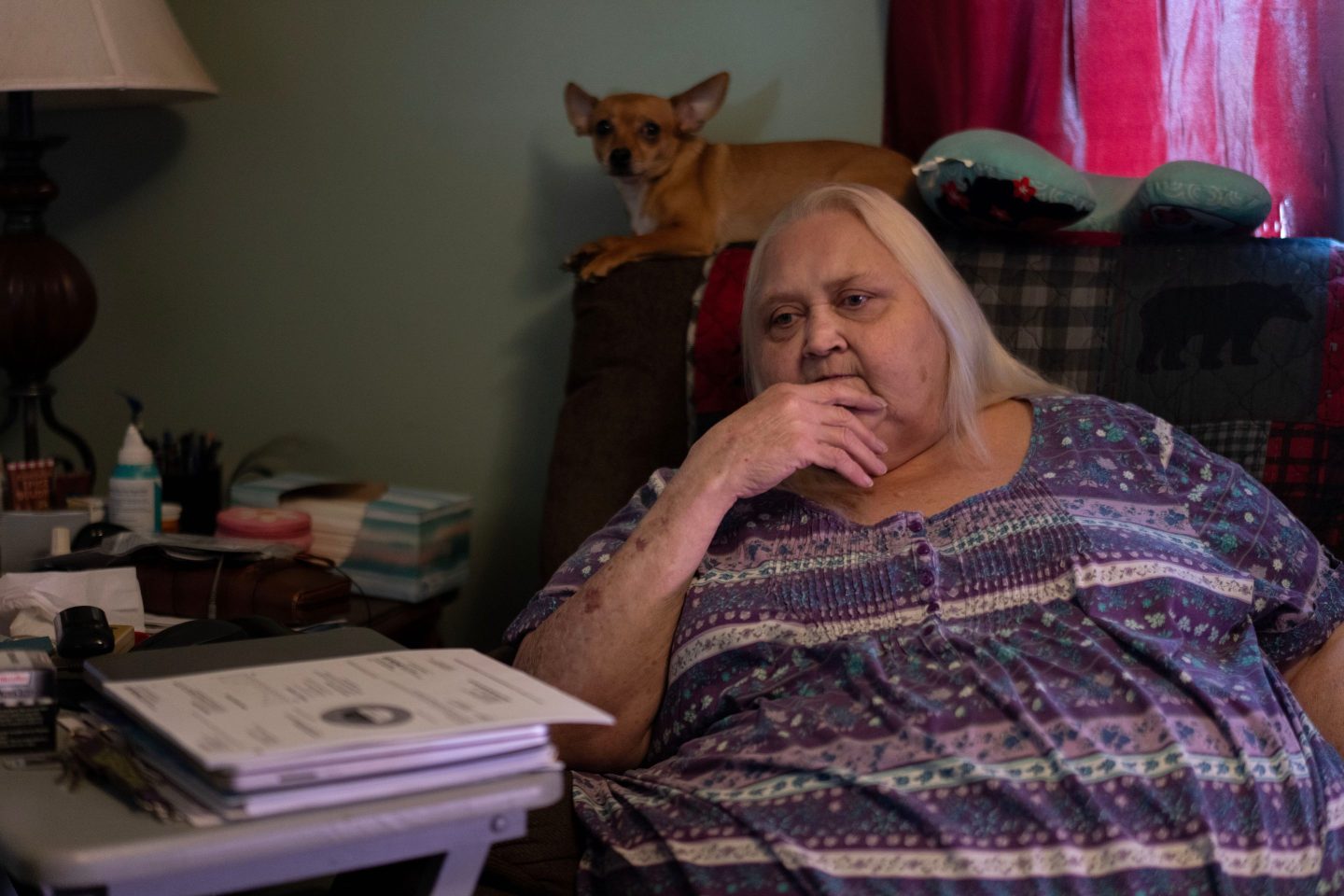

The coming great wealth transfer could see the shift of tens of trillions of dollars from older generations to younger ones in the U.S., reshaping the face of wealth in one of the largest reallocations of assets in modern history. But if families don’t prepare, it could take months or even years for beneficiaries to actually, well, benefit from their inheritances.
The reason for this is probate, which is the court-supervised process by which a deceased person’s assets are distributed and their debts are settled. The average time it takes to complete probate is 20 months, according to a recent report from Trust & Will, a digital estate planning platform.
Probate is slow and it’s also expensive. Trust & Will reports the average cost is around 3% to 7% of the total value of the estate. For an estate valued at $750,000, that’s $22,500 to over $52,000, Trust & Will points out. What’s more, creditors get a crack at an estate when it goes through the probate process.
But probate can be avoided if a few simple measures are taken. The most important, financial advisors specializing in estate planning say, isn’t necessarily crafting a will—it’s naming beneficiaries on your financial accounts. These include a checking or savings account, 401(k), brokerage account, a life insurance policy, or similar assets. In every case, naming beneficiaries enables skipping the probate process entirely, and inheritors will receive the assets more quickly and with fewer potential headaches.
“I am going to try to dispel the myth that the will is the most important estate planning document,” Jessica Majeski, a certified financial planner and wealth management advisor at Northwestern Mutual, tells Fortune. “There are still reasons to have a will, but a large portion of your assets can pass to who you desire without a will.”
Financial institutions typically prompt clients to name a beneficiary when they sign up; consumers can also do this by logging into their online account. Majeski says financial planners can also help their clients organize all of their accounts and make a to-do list. Multiple beneficiaries can be named on each account, and the account holders can elect what percentage of the assets each will receive.
“When you go to set up a bank account, it’s very rare that the banker has you add a beneficiary,” she says. “You need to go through each one of your assets.”
Having a joint account with someone else is also a way to circumnavigate a lengthy probate process. But benefactors will also want to be sure to have contingent beneficiaries, Majeski says. Take for example a joint checking account with a spouse. If both account owners were to die at the same time—say, in a car accident—or close together, it’s important to have another inheritor named.
Upon the account holder’s death, the beneficiary of an account can access the money by presenting a certified copy of the death certificate at the financial institution. She will also need to present identification and fill out some forms. Then they immediately receive control of the funds.
Drafting a will
A will becomes necessary for planning for other belongings, like furniture, cars, jewelry, and so on, and assigning guardians to minor children or other dependents. It can also give more details on how to divide up financial assets and when. Named beneficiaries supersede anything dictated in a will.
That said, dividing up an estate via a will can be a lengthy process because it typically needs to go through probate still.
“Until the court system officially appoints the executor, there’s not a whole lot that can happen,” says Majeski. “If there are expenses, oftentimes the next of kin or another family member is paying for them.”
While a financial planner can help with the architecture of an estate plan, a lawyer is likely necessary to draft the legal documents. In the absence of named beneficiaries or a last will and testament, courts decide how a deceased person’s assets are distributed when they die (and who becomes the guardian of minor children). For many, the results may be less than ideal, says Majeski, resulting in lawsuits that prolong receiving the inheritance even longer.
“People get crazy in estates, and we see lots of litigation where family members come out of the woodwork and they get upset. They might not have a claim, but they can drag it out and make things expensive,” she says. But with named beneficiaries, “there’s not much to argue with.”
Creating a living trust
A will is typically sufficient for many people with fairly uncomplicated assets and inheritors—say, a mother with a home and a retirement account who splits everything between two adult daughters. But those with a substantial amount of non-retirement assets—like real estate investments, a business, or a large brokerage account—may want to consider creating a living trust, says Majeski.
A living trust can continue to operate after the person who sets it up is deceased, which is one of its biggest distinctions from a will. Additionally, assets do not have to go through probate, meaning heirs can receive them much more quickly.
With a living trust, a third-party trustee manages the assets that are put into it. The decedent has more control over who gets what and when, and is useful for those with a significant amount of wealth. For example, if an account holder has assets worth tens of millions of dollars, they may want to spread out when children or other inheritors receive the money. The trustee, meanwhile, invests and administers the account according to the decedent’s instructions.
This arrangement can also be useful for those with minor children, who cannot technically collect assets outright even if they are the named beneficiary on an account. Instead, the assets can go into the trust, and then be distributed when the children reach adulthood, or any age the benefactor determines.
Majeski’s final suggestion is to loop beneficiaries in on the estate plan. It’s important to keep an open dialogue, Majeski says, so that they are not caught off guard—and can ask questions and get comfortable with the planned arrangement while there is still time.
“I try to encourage clients as much as possible, let’s get your parents involved or your children involved in the discussion,” she says. “The more you plan, the easier it is to avoid challenges down the road.”