• Home
  • News
  • Fortune 500
  • Tech
  • Finance
  • Leadership
  • Lifestyle
  • Rankings
  • Multimedia
Leadershipclimate change

ESG regulations are still in limbo, but companies are already preparing for them

By
John Kell
John Kell
Contributing Writer and author of CIO Intelligence
Down Arrow Button Icon
By
John Kell
John Kell
Contributing Writer and author of CIO Intelligence
Down Arrow Button Icon
July 26, 2024, 12:26 PM ET
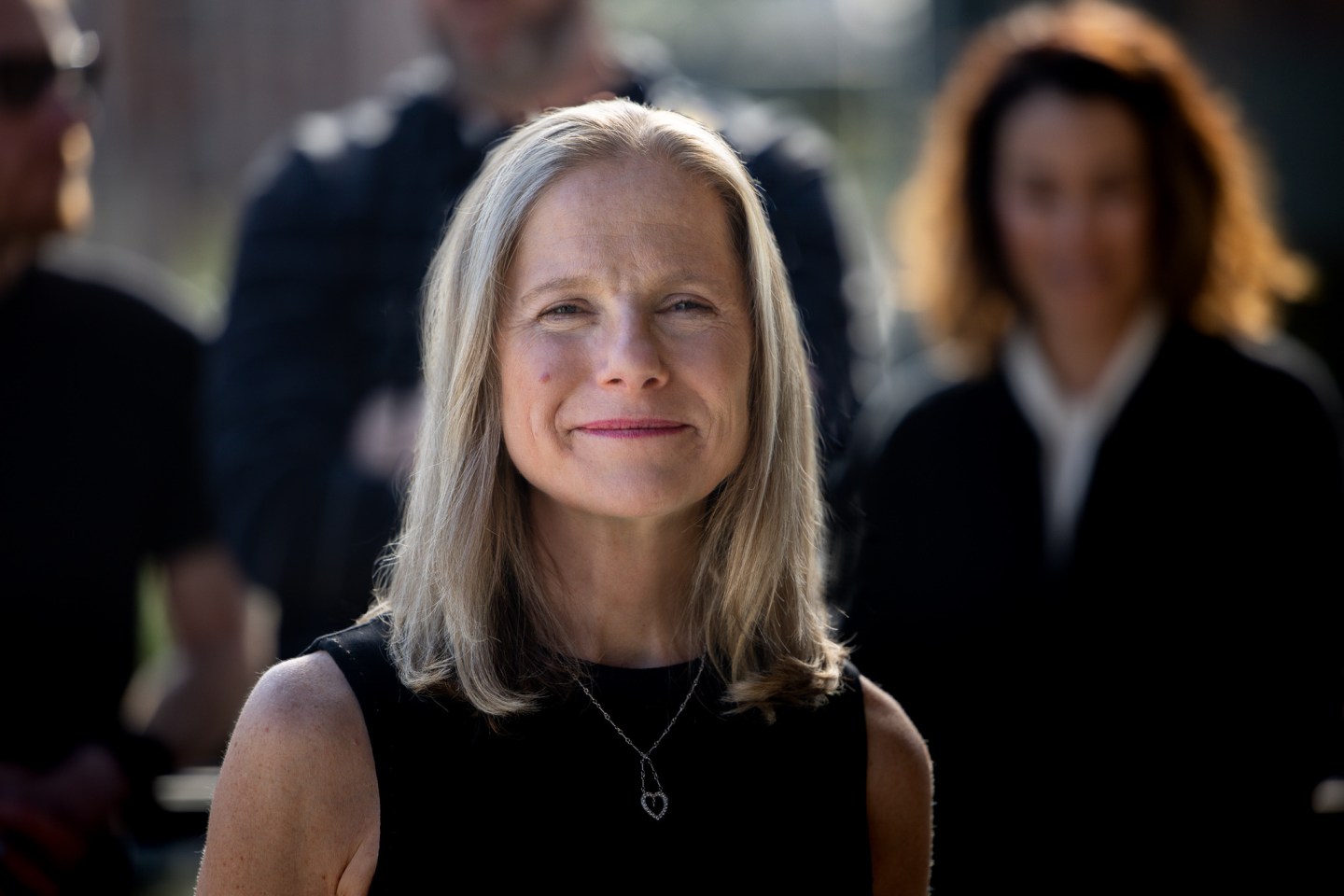
Kristina Wyatt, deputy general counsel and chief sustainability officer at climate data disclosure software company Persefoni, says the ESG regulatory paralysis isn’t as “significant as you might think.”
Kristina Wyatt, deputy general counsel and chief sustainability officer at climate data disclosure software company Persefoni, says the ESG regulatory paralysis isn’t as “significant as you might think.”Courtesy of Persefoni

This spring, mere weeks after the U.S. Securities and Exchange Commission (SEC) adopted new climate disclosure rules, the regulator paused implementation to defend the regulation in court.

Recommended Video

And earlier this month, California Gov. Gavin Newsom proposed delaying two laws that would require larger businesses to report their greenhouse gas emissions and financial risks to climate change. The bills, which together track closely to what the SEC was considering, now won’t be implemented until 2028.

Both were setbacks to climate advocates who believe more disclosure requirements could pressure companies to move further along in their energy transition journey.

And yet, even with uncertainty over when government-mandated climate disclosures will be issued and what they will look like, experts say companies are still moving forward by measuring their environmental, social, and governance (ESG) risks and opportunities. And many businesses are already proactively tracking that data and sharing it publicly in anticipation of the rules changing.

“The timeline for what companies will have to report and where they’ll report is somewhat in question,” said Kristina Wyatt, deputy general counsel and chief sustainability officer at climate data disclosure software company Persefoni. She was speaking at a virtual discussion hosted by Fortune and Diligent for their Modern Board roundtable series. 

The level of frustration about the regulatory paralysis is “not as significant as you might think,” she added. By and large, companies know that they will need to share more ESG disclosures in the near future and many are even relieved that the fractured regulatory landscape is becoming more harmonized. 

“The real question is, how much of that information will need to go into their regulatory reports?” Wyatt asked.

The ESG debate

ESG has become a politically charged term that’s led to a slew of anti-ESG legislation in Republican-led states and to some companies either delaying their environmental commitments or ditching them entirely. A few recent examples include retailer Tractor Supply, which dropped most of its climate advocacy efforts, and consumer products giant Unilever’s softer sustainability and diversity pledges.

“I know that we’ve all been reading a lot about the ESG backlash,” said Nithya Das, chief legal and administrative officer at Diligent. “But interestingly, only 3% of companies have actually changed their ESG strategy or priorities as a result of the backlash.”

Das cited further data from a recent Diligent report showing that an overwhelming 96% of directors expect a “continued or stronger” focus on ESG in the next five years. The survey, conducted with executive search firm Spencer Stuart, represented the views of 800-plus board members in the U.S., U.K., and European Union.

And while nearly all companies remain firmly committed to ESG, 17% say they’re evolving how they’re communicating their sustainability strategies. Wyatt asserted that companies have a significant opportunity to improve their communications on how ESG factors translate into risks and opportunities for the overall business. 

The debate about ESG issues is also putting pressure on boards. Wyatt said it’s a board’s job to have sufficient knowledge about ESG to ask the right questions, hold management accountable, and bring in outside experts when necessary. But “it is not the board’s job to manage the disclosures and manage the climate risk and opportunity,” she said. That’s ultimately up to the CEO and the rest of the executive leadership team.

Meet the ESG controller

The Diligent report also highlighted that the biggest obstacle to ESG strategy development and integration is internal competition. Nearly one out of every four board members believe that to be true at their companies.

Wyatt said one way companies can get a better handle on the material business risks to ESG gaps is by getting good data. To that end, she’s seen the emergence of a new job title, the ESG controller, who is responsible for collecting data from different business functions to assess better governance. Frequently, this role reports to the chief financial officer and is in the finance department. 

“That’s a step in the [right] direction of integrating ESG and ESG data into the core business functions of the company,” Wyatt said. 

Das said Diligent’s survey data also shows the push to integrate ESG into business strategies in a few interesting ways: 94% of board directors have integrated ESG into either their compensation plans or their strategic goals. And more than four in 10 directors say they want more clarity about how ESG connects back to the business strategy. 

“We’re seeing from the board level that directors are asking for tighter alignment between the ESG strategy and business strategy,” Das said.


Fortune Brainstorm AI returns to San Francisco Dec. 8–9 to convene the smartest people we know—technologists, entrepreneurs, Fortune Global 500 executives, investors, policymakers, and the brilliant minds in between—to explore and interrogate the most pressing questions about AI at another pivotal moment. Register here.
About the Author
By John KellContributing Writer and author of CIO Intelligence

John Kell is a contributing writer for Fortune and author of Fortune’s CIO Intelligence newsletter.

See full bioRight Arrow Button Icon

Latest in Leadership

Future of WorkJamie Dimon
Jamie Dimon says even though AI will eliminate some jobs ‘maybe one day we’ll be working less hard but having wonderful lives’
By Jason MaDecember 7, 2025
2 hours ago
business
C-Suitechief executive officer (CEO)
Inside the Fortune 500 CEO pressure cooker: surviving is harder than ever and requires an ‘odd combination’ of traits
By Nick LichtenbergDecember 7, 2025
6 hours ago
Alex Amouyel is the President and CEO of Newman’s Own Foundation
Commentaryphilanthropy
Following in Paul Newman and Yvon Chouinard’s footsteps: There are more ways for leaders to give it away in ‘the Great Boomer Fire Sale’ than ever
By Alex AmouyelDecember 7, 2025
7 hours ago
Hank Green sipping tea
SuccessPersonal Finance
Millionaire YouTuber Hank Green tells Gen Z to rethink their Tesla bets—and shares the portfolio changes he’s making to avoid AI-bubble fallout
By Preston ForeDecember 7, 2025
8 hours ago
MagazineWarren Buffett
Warren Buffett: Business titan and cover star
By Indrani SenDecember 7, 2025
9 hours ago
Tamera Fenske, chief supply chain officer at Kimberly-Clark
SuccessCareers
Kimberly-Clark exec is one of 76 women in the Fortune 500 with her title—she says bosses used to compare her to their daughters when she got promoted
By Emma BurleighDecember 7, 2025
10 hours ago

Most Popular

placeholder alt text
AI
Nvidia CEO says data centers take about 3 years to construct in the U.S., while in China 'they can build a hospital in a weekend'
By Nino PaoliDecember 6, 2025
1 day ago
placeholder alt text
Real Estate
The 'Great Housing Reset' is coming: Income growth will outpace home-price growth in 2026, Redfin forecasts
By Nino PaoliDecember 6, 2025
1 day ago
placeholder alt text
Economy
The most likely solution to the U.S. debt crisis is severe austerity triggered by a fiscal calamity, former White House economic adviser says
By Jason MaDecember 6, 2025
22 hours ago
placeholder alt text
Asia
Despite their ‘no limits’ friendship, Russia is paying a nearly 90% markup on sanctioned goods from China—compared with 9% from other countries
By Jason MaNovember 29, 2025
8 days ago
placeholder alt text
Big Tech
Mark Zuckerberg rebranded Facebook for the metaverse. Four years and $70 billion in losses later, he’s moving on
By Eva RoytburgDecember 5, 2025
2 days ago
placeholder alt text
Success
Nvidia CEO Jensen Huang admits he works 7 days a week, including holidays, in a constant 'state of anxiety' out of fear of going bankrupt
By Jessica CoacciDecember 4, 2025
3 days ago
Rankings
  • 100 Best Companies
  • Fortune 500
  • Global 500
  • Fortune 500 Europe
  • Most Powerful Women
  • Future 50
  • World’s Most Admired Companies
  • See All Rankings
Sections
  • Finance
  • Leadership
  • Success
  • Tech
  • Asia
  • Europe
  • Environment
  • Fortune Crypto
  • Health
  • Retail
  • Lifestyle
  • Politics
  • Newsletters
  • Magazine
  • Features
  • Commentary
  • Mpw
  • CEO Initiative
  • Conferences
  • Personal Finance
  • Education
Customer Support
  • Frequently Asked Questions
  • Customer Service Portal
  • Privacy Policy
  • Terms Of Use
  • Single Issues For Purchase
  • International Print
Commercial Services
  • Advertising
  • Fortune Brand Studio
  • Fortune Analytics
  • Fortune Conferences
  • Business Development
About Us
  • About Us
  • Editorial Calendar
  • Press Center
  • Work At Fortune
  • Diversity And Inclusion
  • Terms And Conditions
  • Site Map

© 2025 Fortune Media IP Limited. All Rights Reserved. Use of this site constitutes acceptance of our Terms of Use and Privacy Policy | CA Notice at Collection and Privacy Notice | Do Not Sell/Share My Personal Information
FORTUNE is a trademark of Fortune Media IP Limited, registered in the U.S. and other countries. FORTUNE may receive compensation for some links to products and services on this website. Offers may be subject to change without notice.