The clock was ticking, a crowd full of eyes on him, witnessing a split second moment of triumph or defeat. “Success or failure was in his hands,” West said of his childhood imagined-self while speaking to the 2008 graduating class at West Virginia University.
“He couldn’t float; he couldn’t depend on someone else. He couldn’t flee; there was no one else to turn to,” he added, recognizing that it must have been a “strange sight” to see a young kid cheer themselves. But that’s what it took to get to the status of a sport’s legend both on and off the courts.
“I simply would not let myself fail,” West remembers of the game he played out in his mind, which would prove foundational when he became a professional athlete ad then a coach.
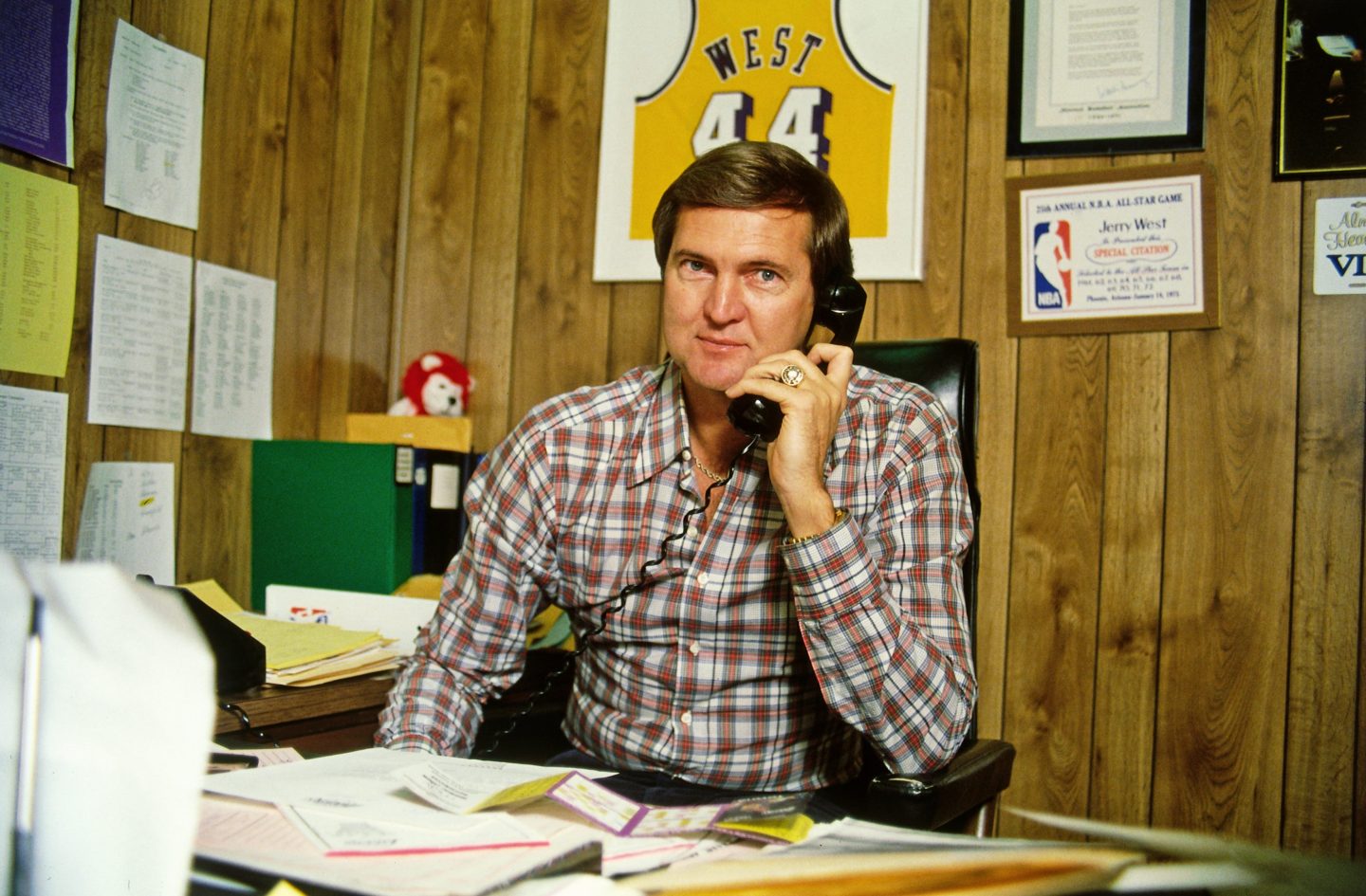
West passed away on Wednesday, leaving behind a legacy as a Hall of Famer, record-holder, both coach and player for the Los Angeles Lakers, and high-powered executive. You might recognize West without knowing it, as his image is widely-regarded as the inspiration for the NBA logo itself.
During his commencement speech, West noted he was once told there are three types of people in the world—fighters, flee-ers, and floaters—and urged everyone to follow his intentionally placed heavy footsteps, and strive to be fighters.
The life of a fighter
The former basketball figure had a difficult childhood and dove into the game, in part, as a reprieve from his troubles. Dreaming was key to his success, and pushing for said dream was foundational as he notes those imaginary games were his “way of becoming a fighter.” But that’s not everyone.
Some people are floaters, defined by West as someone who “drifts through life taking things in, going with the current, sharing in success and failure, but seldom determining his own fate.” While these breezy people can avoid pitfalls and accomplish a lot simply by placing themselves in the right spot, their wins are’t truly a feat, he says.
“In my mind, success without a sense of personal accomplishment isn’t success at all. It is merely positioning,” West added, explaining that floaters often see prowess as a financial thing. In his eyes, though, “money is a measure of buying power, but seldom is it a measure of success.”
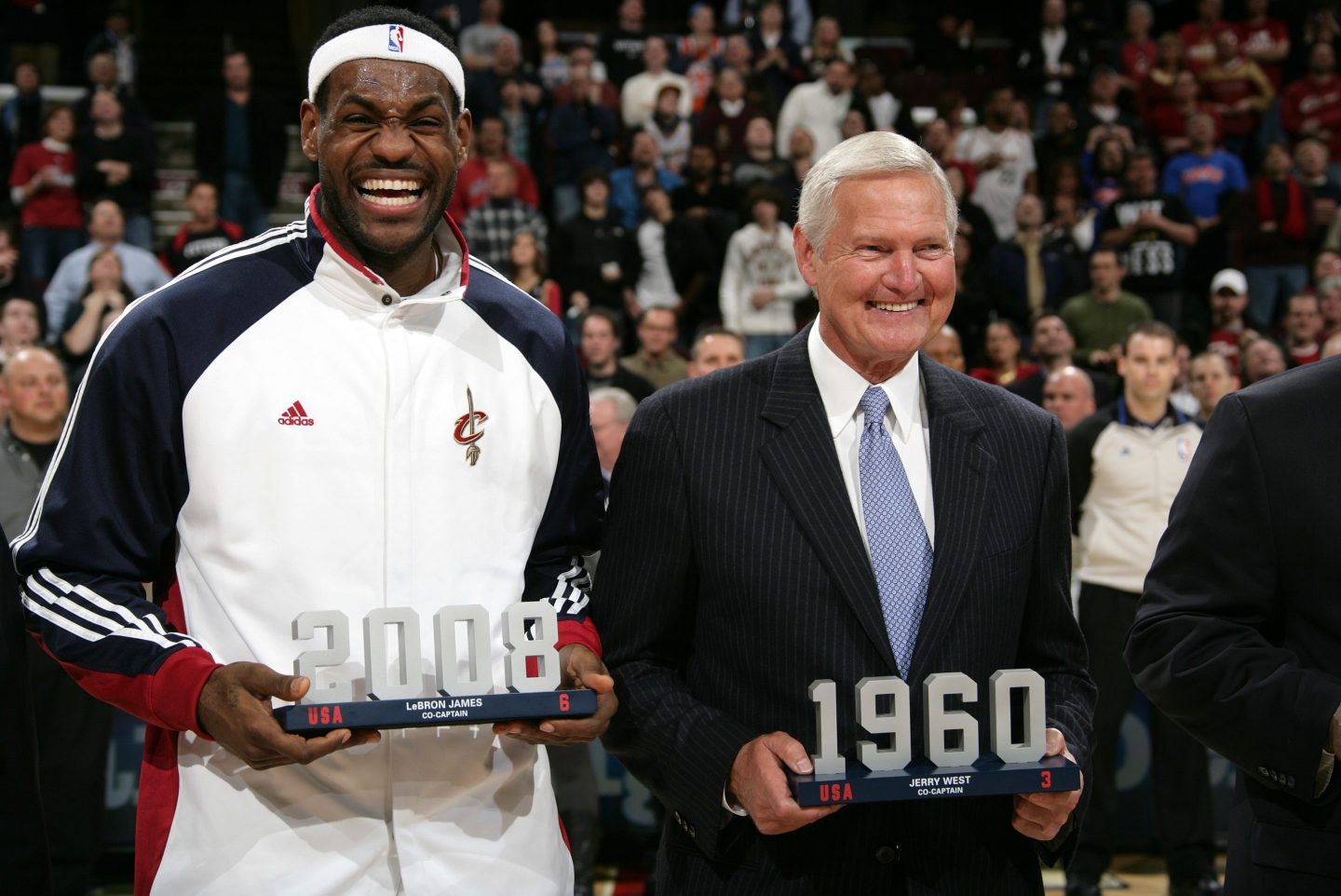
Flee-ers follow beneath the floaters, said West, explaining that these people “will jump from job to job, will run from challenge and opportunity alike.” Likely to shirk accountability and blame others, they really only hurt themselves but can deter a floater, West said. While they might bring a floater down as “misery needs company,” a fleer-er will find that a fighter is their “worst nightmare.”
“A flee-er and a fighter are the opposite ends of the spectrum of self-determination,” West added, claiming that “a fighter is a person that will succeed.” They’re not all that dissimilar from floaters and flee-ers; rather, they’re propelled and differentiated by “a goal, a dream, a vision.”
Looking back on his own life, he remembered his “driveaway basketball games were all about achieving dreams,” which then expanded when got to university and recognized that while he “had a God-given gift, that gift was not going to be enough.”
West’s life off the court
West’s resolve to reach his objectives, and the resolve of other fighters, were upheld by three traits: character, determination, and resolve.
These pillars “help you stand fast as a fighter, to step above the floater, and to surge beyond the grapes of the fleer-er.” Ultimately, they’re “the virtues that you can drive to success,” he added.
Those traits were tested when West left the court and his goals shifted, or became less clear. West said he experienced “self-doubt,” and realized he had to continue to push through with a similar no-failure outlook he had as a player.
In reality, being one of the three prototypes is not as immutable as it might seem. “The path to success is never without its bumps and challenges,” West acknowledged. “These challenges will create internal battles. These bumps will also create new and exciting opportunities.”
In navigating these bumps “you will again need to draw upon your character, determination and resolve.” And with each fork in the road, “you will face a new group of floaters, flee-ers and fighters. In fact, you will again have to decide which type of person you are.”
In the path to success, there’s bound to be constant obstacles: “Each day you need to get up and decide what kind of person you are because each day is an opportunity to succeed or fail,” West noted. Harkening back to his time on the court, and countless times before that on his driveway, West knew he had it in him to choose to keep believing in himself.
“As my life on the court ended, I decided that I was going to be a fighter. I decided I was again going to lead. I didn’t know how, but I knew what was in me, so I knew that I could,” he said. And lead he did, guiding the Lakers to six championships, becoming a two-time NBA executive of the year, and proving himself a fighter until the very end.
Basketball was once just a dream for Jerry West. Shooting hoops for hours in his driveway as a kid, the ball clutched in his hands, his fantasy would inevitably end the same way each time.
The clock was ticking, a crowd full of eyes on him, witnessing a split second moment of triumph or defeat. “Success or failure was in his hands,” West said of his childhood imagined-self while speaking to the 2008 graduating class at West Virginia University.
“He couldn’t float; he couldn’t depend on someone else. He couldn’t flee; there was no one else to turn to,” he added, recognizing that it must have been a “strange sight” to see a young kid cheer themselves. But that’s what it took to get to the status of a sport’s legend both on and off the courts.
“I simply would not let myself fail,” West remembers of the game he played out in his mind, which would prove foundational when he became a professional athlete ad then a coach.
West passed away on Wednesday, leaving behind a legacy as a Hall of Famer, record-holder, both coach and player for the Los Angeles Lakers, and high-powered executive. You might recognize West without knowing it, as his image is widely regarded as the inspiration for the NBA logo itself.
During his commencement speech, West noted he was once told there are three types of people in the world—fighters, flee-ers, and floaters—and urged everyone to follow his intentionally placed heavy footsteps, and strive to be fighters.
The life of a fighter
The former basketball figure had a difficult childhood and dove into the game, in part, as a reprieve from his troubles. Dreaming was key to his success, and pushing for said dream was foundational as he notes those imaginary games were his “way of becoming a fighter.” But that’s not everyone.
Some people are floaters, defined by West as someone who “drifts through life taking things in, going with the current, sharing in success and failure, but seldom determining his own fate.” While these breezy people can avoid pitfalls and accomplish a lot simply by placing themselves in the right spot, their wins are’t truly a feat, he says.
“In my mind, success without a sense of personal accomplishment isn’t success at all. It is merely positioning,” West added, explaining that floaters often see prowess as a financial thing. In his eyes, though, “money is a measure of buying power, but seldom is it a measure of success.”
Flee-ers follow beneath the floaters, said West, explaining that these people “will jump from job to job, will run from challenge and opportunity alike.” Likely to shirk accountability and blame others, they really only hurt themselves but can deter a floater, West said. While they might bring a floater down as “misery needs company,” a fleer-er will find that a fighter is their “worst nightmare.”
“A flee-er and a fighter are the opposite ends of the spectrum of self-determination,” West added, claiming that “a fighter is a person that will succeed.” They’re not all that dissimilar from floaters and flee-ers; rather, they’re propelled and differentiated by “a goal, a dream, a vision.”
Looking back on his own life, he remembered his “driveaway basketball games were all about achieving dreams,” which then expanded when got to university and recognized that while he “had a God-given gift, that gift was not going to be enough.”
West’s life off the court
West’s resolve to reach his objectives, and the resolve of other fighters, were upheld by three traits: character, determination, and resolve.
These pillars “help you stand fast as a fighter, to step above the floater, and to surge beyond the grapes of the fleer-er.” Ultimately, they’re “the virtues that you can drive to success,” he added.
Those traits were tested when West left the court and his goals shifted, or became less clear. West said he experienced “self-doubt,” and realized he had to continue to push through with a similar no-failure outlook he had as a player.
In reality, being one of the three prototypes is not as immutable as it might seem. “The path to success is never without its bumps and challenges,” West acknowledged. “These challenges will create internal battles. These bumps will also create new and exciting opportunities.”
In navigating these bumps “you will again need to draw upon your character, determination and resolve.” And with each fork in the road, “you will face a new group of floaters, flee-ers and fighters. In fact, you will again have to decide which type of person you are.”
In the path to success, there’s bound to be constant obstacles: “Each day you need to get up and decide what kind of person you are because each day is an opportunity to succeed or fail,” West noted. Harkening back to his time on the court, and countless times before that on his driveway, West knew he had it in him to choose to keep believing in himself.
“As my life on the court ended, I decided that I was going to be a fighter. I decided I was again going to lead. I didn’t know how, but I knew what was in me, so I knew that I could,” he said. And lead he did, guiding the Lakers to six championships, becoming a two-time NBA executive of the year, and proving himself a fighter until the very end.