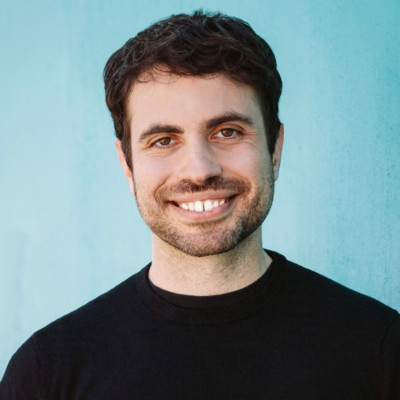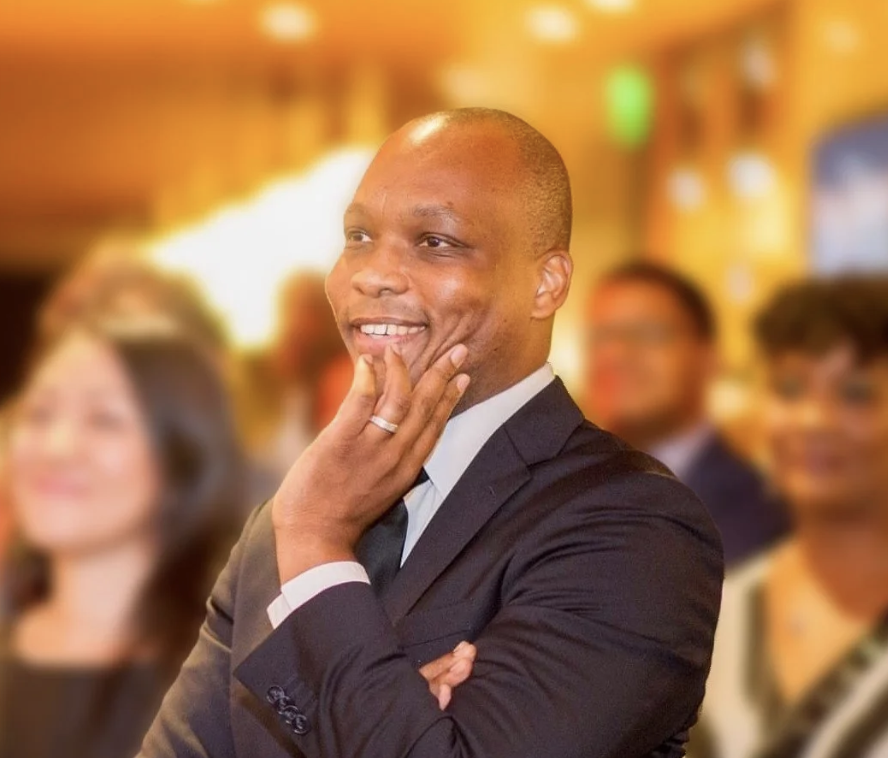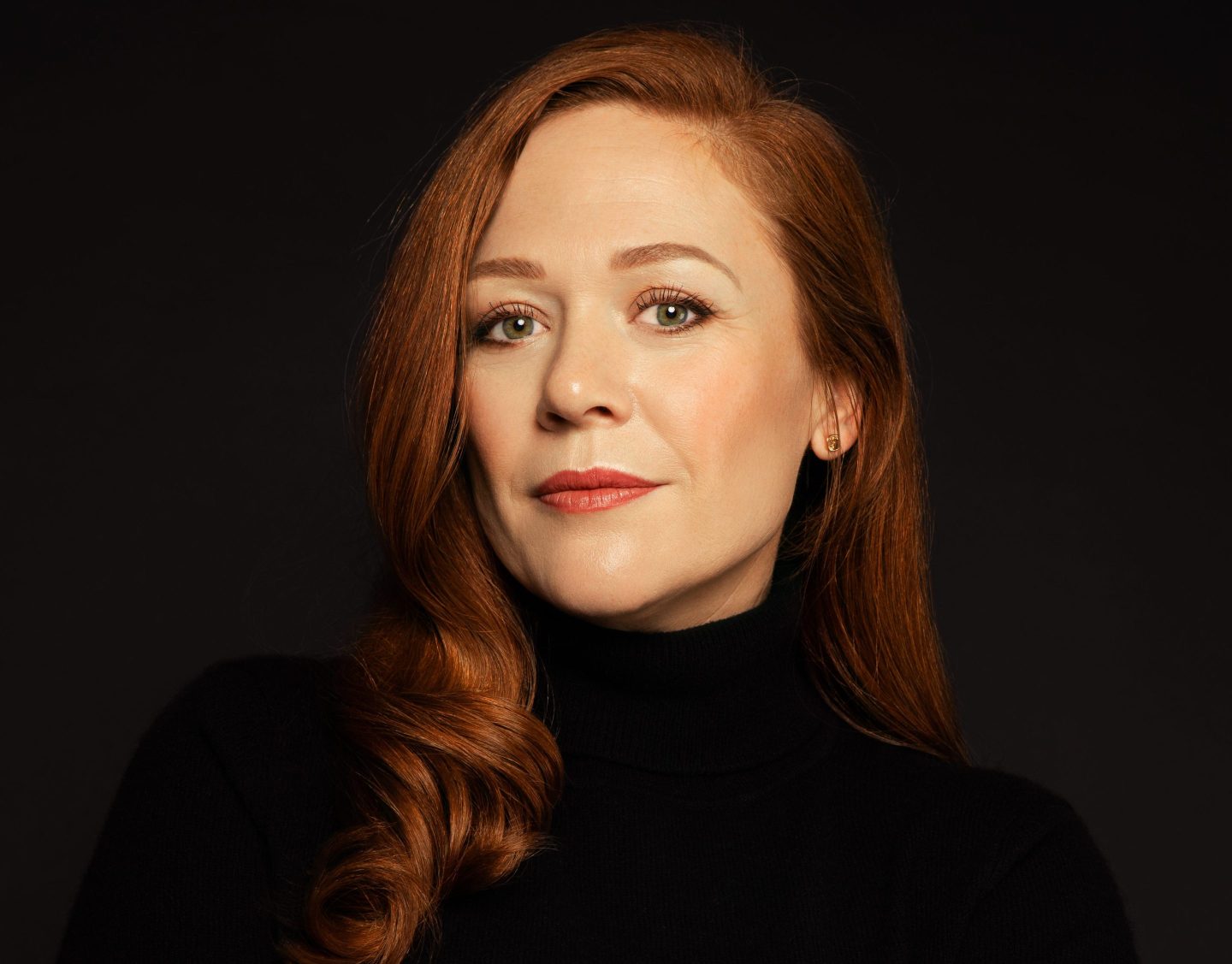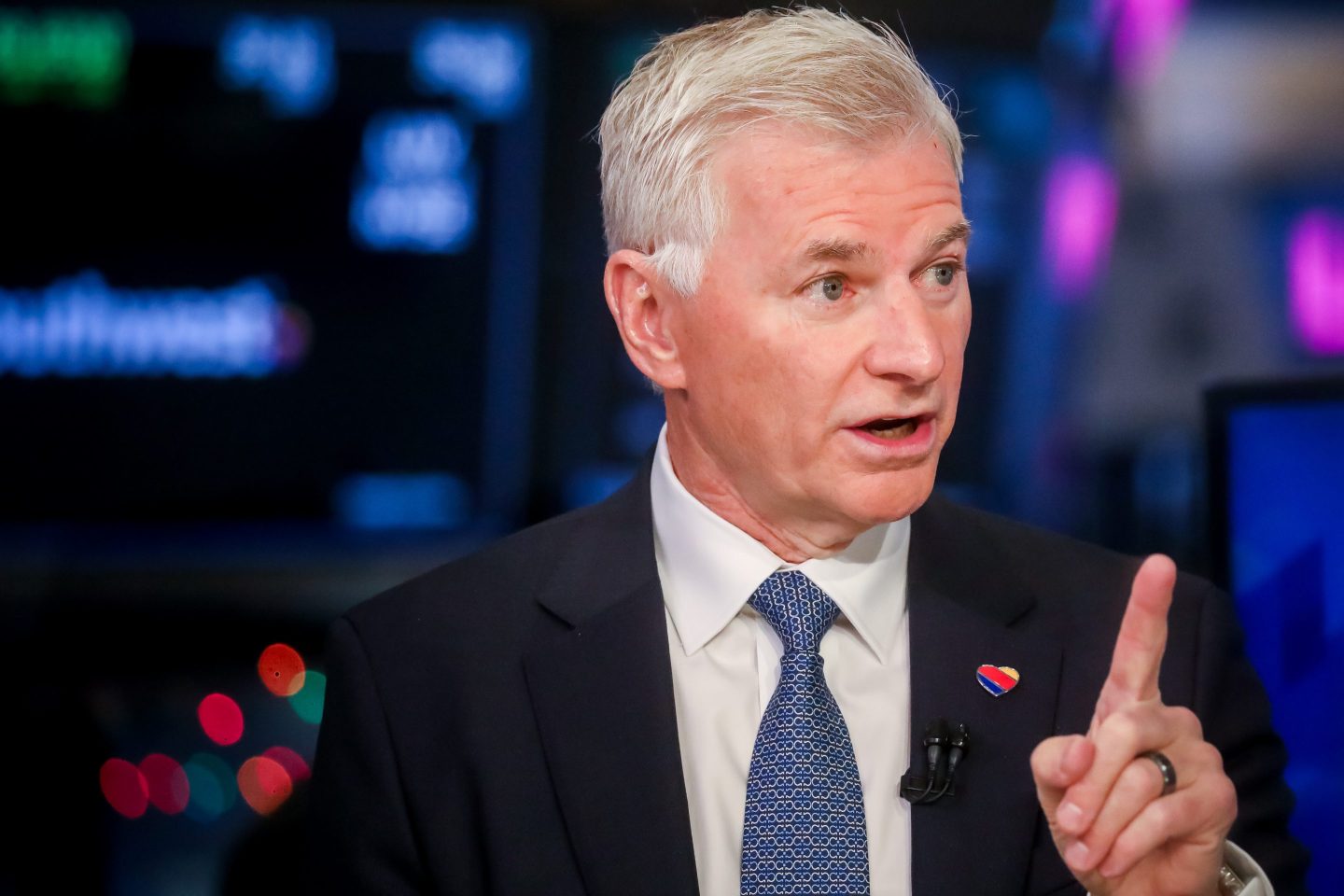
Randi Weingarten is the president of AFT. Sean McGarvey is the president of North America’s Building Trades Unions.
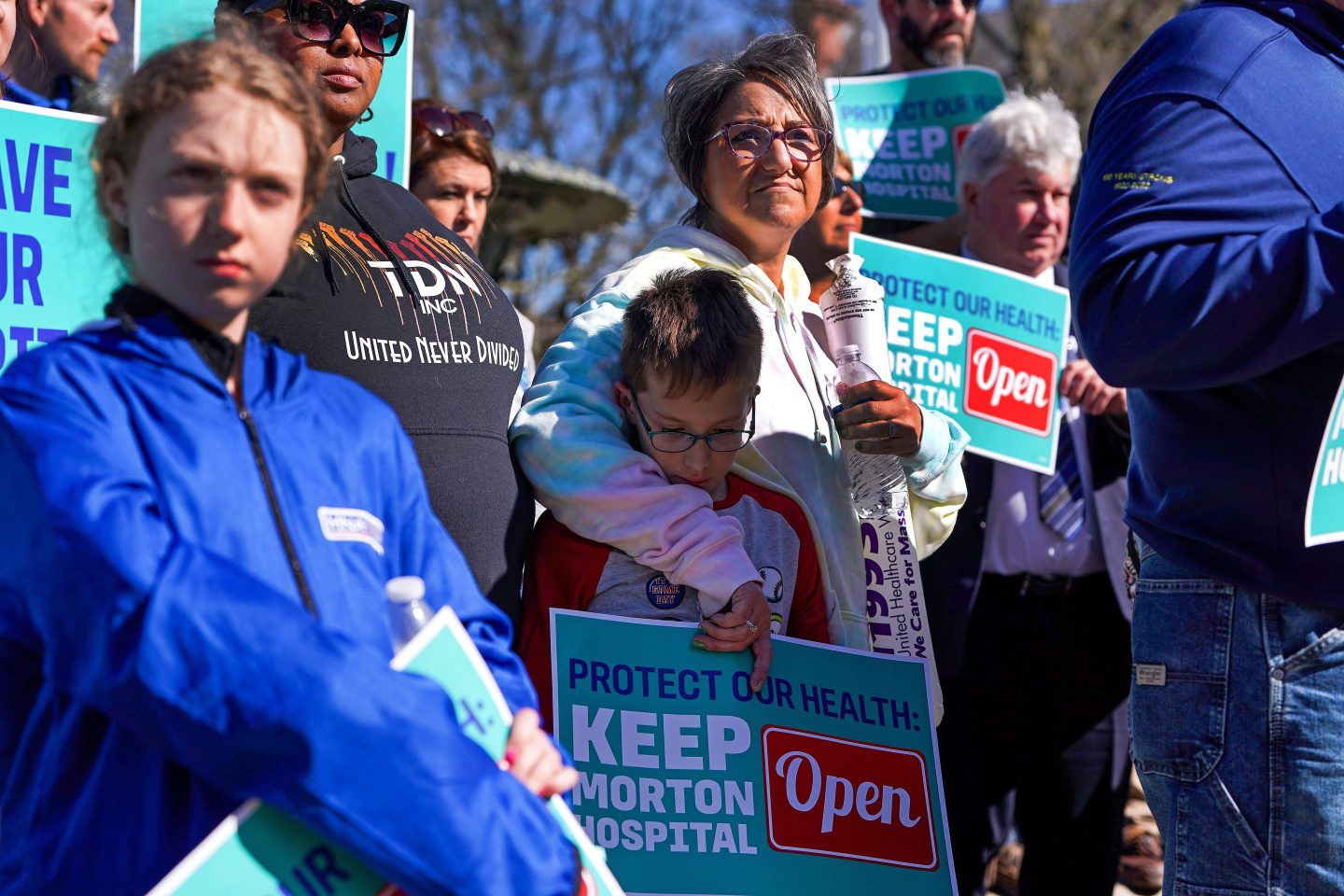
Earlier this month, Steward Health Care, a major hospital chain, filed for bankruptcy. Like so many other bankruptcies in recent decades, it followed the purchase of the chain in a leveraged buyout by a private equity fund that controlled a large stake in the chain between 2010 and 2020. Meanwhile, the Biden administration, drawing on a trove of new data, is concerned that too many private equity funds exploit investors and treat employees as expendable, hurting them and the economy as a whole.
Together, we represent 4.7 million American workers who both invest in and work for entities controlled by private equity. Our members’ retirement funds have over $4 trillion invested. And those funds rely on a healthy economy and broad-based economic growth to fund our long-term obligations to our participants. We agree with the administration that private equity needs greater transparency, fairer fees, and a business model that grows strong businesses and creates good jobs—not one that exploits workers, loads companies with debt, and sells them off for parts.
Since the start of the leveraged buyout wave in the 1980s, private equity has exploded in size and political power. Private assets under management totaled some $13.1 trillion as of last year, up 20% per annum since 2018. These same firms own companies that employ more than 11.7 million workers, many of whom work in low-wage industries like food service, retail, and healthcare, with large concentrations of people of color.
Worker pension funds invest in private equity as they invest in every asset class: stocks, bonds, real estate, and global investments. These pension funds are “patient capital”—broadly diversified plans that rely on investments that generate steady, risk-adjusted returns, and long-term value creation. Accordingly, our funds’ performance is ultimately determined by the performance of the wider economy. We are not speculators, but universal investors.
Educators, nurses, and construction workers rely on defined benefit pension funds to ensure they can retire with security and dignity. They look to Wall Street for investment expertise, and we expect loyalty to our members in return. That is what fiduciary duty is: loyalty and care.
Strangely, some pundits seem to think that when the acting secretary of labor encourages pension fiduciaries to look at data and ask hard questions—about fees, performance, labor standards, and the economic model that private equity is pushing—it is somehow “bullying.” It’s no surprise that the last time retirement funds raised these issues, we were attacked by some of the same players who are attacking us now.
Let’s look at who’s really doing the bullying. Far too many private equity firms have developed a reckless track record of worker abuse, union busting, and child labor. This behavior has led to business failures that undermine the foundations of our economy’s success—good jobs and economic security for ordinary people—and betrays the very funds they profess to serve.
There’s a better way. While it sometimes takes a fight, Apollo Global Management acceded to an agreement for a free and fair union election process that allowed 8,000 workers at the Venetian and Palazzo hotels in Las Vegas to unionize. And we are now pressing Apollo to do in healthcare what it has done in gaming.
Respecting workers’ rights and the role of unions creates a virtuous economic cycle. A recent U.S. Treasury report found that “unions contribute to more robust economic growth and resilience.” The same report found that unions contribute to a firm’s productivity by increasing workers’ voice and connection to their jobs. Both the Organization for Economic Cooperation and Development and the International Monetary Fund have concluded that economic inequality harms economic growth. And a recent study found that productivity for union labor is 14% higher than nonunion labor, and that union labor reduces both employee turnover and the total cost of projects by about 4%.
The construction sector shows the upside here. North America’s Building Trades Unions and our employers have worked together to invest over $2 billion annually to operate more than 1,600 training centers across the country. The apprentices who graduate are the most productive, diverse, and safe workforce in the industry. In public education, the AFT is pushing hard for pre-apprenticeship, career and technical education, and workforce pathway programs that start in high school.
Some on Wall Street argue that the only way for pension funds to make money is to exploit workers and communities. But while that kind of thing may work for Wall Streeters in the short run, it’s not a viable strategy for pension funds that invest long term across the entire economy.
That’s why we support efforts to help the fiduciaries for our members’ pension funds do their job, and we agree with the administration’s argument that the actions of powerful Wall Street firms that control assets equal to half of U.S. gross domestic product affect both the wider economy and the ability of our funds to meet their obligations.
What working people need, what our pension funds need, and what America needs is for us to work together to invest, create good jobs, and build a shared future where all of us can retire with security and dignity.
More must-read commentary published by Fortune:
- Fannie Mae CEO: Beyoncé is right. Climate change has already hit the housing market—and homeowners aren’t prepared
- Trade and investment data in the last two years dispel the deglobalization and decoupling myths as U.S.-China competition ignites ‘reglobalization’
- Big Tech employees missed out on $5.1 billion in 401(k) gains over the last decade because of fossil fuels, new research finds
- ‘As quick as 5 minutes in California or as grueling as 11 hours in Texas’: Research reveals new post-Dobbs map of abortion access driving times
The opinions expressed in Fortune.com commentary pieces are solely the views of their authors and do not necessarily reflect the opinions and beliefs of Fortune.