
• Home
  • Latest
  • Fortune 500
  • Finance
  • Tech
  • Leadership
  • Lifestyle
  • Rankings
  • Multimedia
FinanceJPMorgan Chase

Jaime Dimon is worried about private credit. Here’s a look at the fast growing Wall Street business and the risks it poses

Luisa Beltran
By
Luisa Beltran
Luisa Beltran
Finance Reporter
Down Arrow Button Icon
Luisa Beltran
By
Luisa Beltran
Luisa Beltran
Finance Reporter
Down Arrow Button Icon
May 31, 2024, 2:22 PM ET
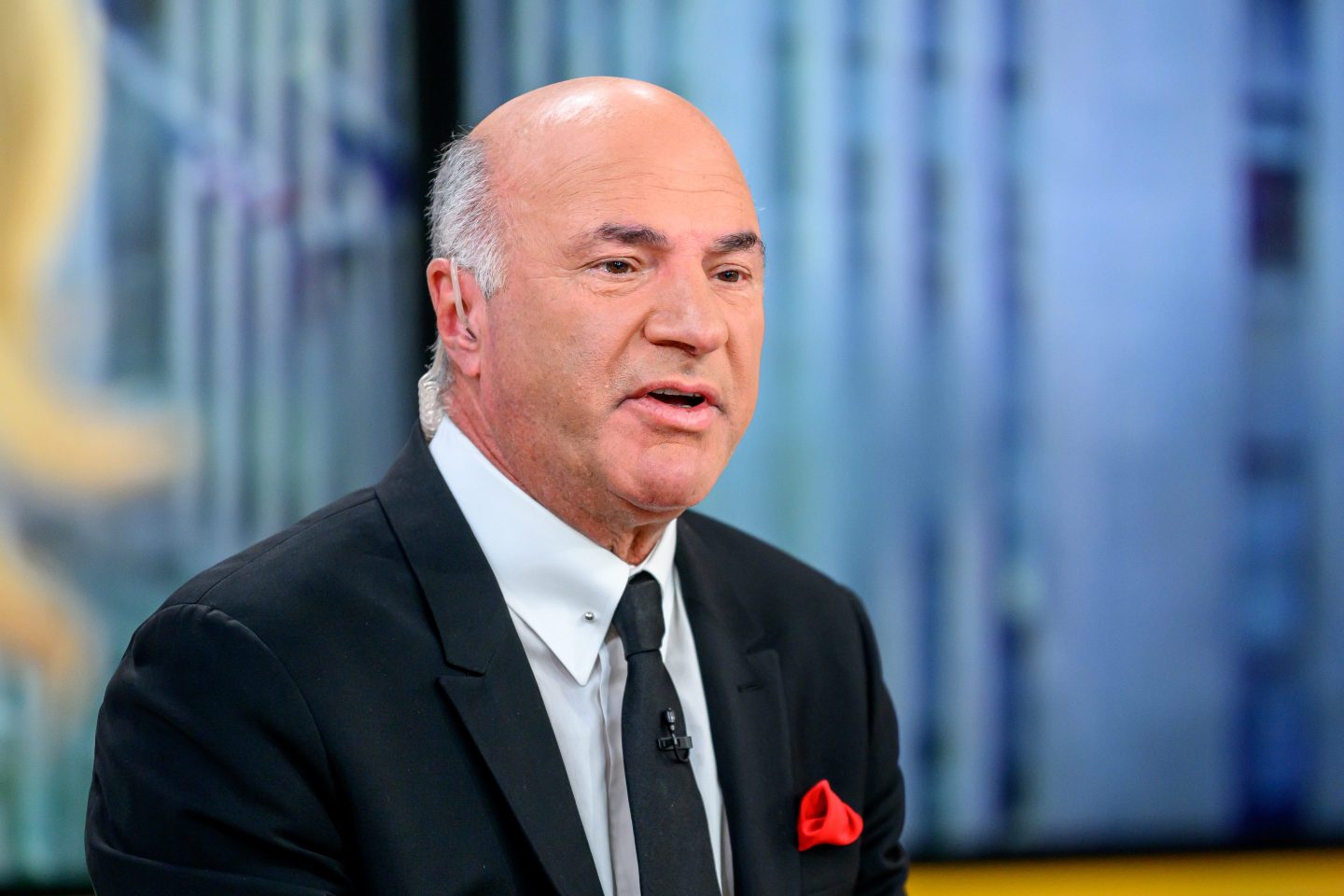
Jamie Dimon, CEO of JPMorgan Chase, is worried about the booming private credit sector.
Jamie Dimon, CEO of JPMorgan Chase, is worried about the booming private credit sector. Getty Images

The CEO of JPMorgan Chase is the latest to signal the alarm about the booming private credit market. Jamie Dimon told a banking conference this week that problems could bubble up if weaker players in the sector lead customers to get caught up in an illiquid asset class they don’t understand. “Retail clients [will] circle the block and call their senators and congressmen and there could be help to pay,” Dimon said. (Curiously, JPMorgan Chase is looking to buy a private credit firm and tried to scoop up Monroe Capital but didn’t succeed, Bloomberg reported earlier this month.)

Recommended Video

Despite Dimon’s misgivings, there’s no denying that private credit has become very big business on Wall Street as the IMF reported that assets topped $2.1 trillion globally last year with most of that in the U.S. BlackRock, meanwhile, expects the global private debt market to hit $3.5 trillion in AUM by the end of 2028. 

But what exactly is private credit? And how exactly could this hot new asset class pose a danger to the financial system? Here’s a plain English overview.

What do people mean when they talk about private credit?

The term refers to a new class of private lenders that emerged after the great financial crisis when banks stepped back from making loans. Private credit firms, which are not banks, offer loans to businesses, typically small and medium-sized companies. These companies are usually too big or risky for banks and too small for public bond markets. 

So how is that different from what banks do?

Banks and private credit lenders both provide loans to companies but the money comes from different places. Banks collect deposits from their customers and can use the funds to make loans. Credit funds, by comparison, raise money from investors that are usually large institutions like insurance companies, pension funds and endowments. They use this pooled capital to provide financing for companies. 

There’s also the issue of withdrawal. With a bank, customers can pull out their money when they want. Investors in private credit funds, however, can’t just pull their funds out, according to David Wessel, director, Hutchins Center on Fiscal & Monetary Policy, at the Brookings Institution. “It’s usually locked up for a period of time,” Wessel told Fortune. 

What happens if a private credit firm gets in trouble? 

This is another big difference from banks. The latter are highly regulated while private credit funds generally are not. When Silicon Valley Bank failed last year, the FDIC protected the depositors but, as Wessel pointed out, private credit funds are not insured the same way. 

Wessel added that investments in money market mutual funds aren’t insured either but “the government (the Fed and the treasury) have stepped in to protect those investments at times of crisis,” he said in an email.  

So who exactly is offering all this private credit?

Mostly private equity firms. Several big PE shops have diversified into credit and now call themselves alternative asset managers. Some of the biggest credit lenders are Apollo Global Management, KKR, Blackstone, Ares Management, Blue Owl, Sixth Street, Oaktree Capital Management and BlackRock. 

These firms also supply private credit to each other. It’s not uncommon for a PE firm to buy a company using debt provided by another buyout shop, Bloomberg has said.

So why are some people getting nervous about private credit?

Transparency is a big issue. Private credit funds are required to disclose less about their performance, loans, and investors (both to regulators and the public) than banks, according to a report from The Brookings Institution. This means that regulators will have a harder time reacting swiftly during times of financial stress. Banks that lend to companies also have lots of experience dealing with borrowers who run into trouble. But private lenders, some of whom may be new to the sector, often don’t have any experience dealing with the downturns.

There’s also a limited understanding of the private markets, which includes credit. Individual investors often don’t have the resources to perform the same level of due diligence as institutional investors, Moody’s Investors Service said in a report. 

Are retail investors at risk from private credit?

Retail investors can invest in private credit through business development companies, or BDCs, that are publicly traded. BDCs issue loans to small and middle-market non-public businesses. Blackstone, KKR, Apollo and BlackRock each have BDCs, some public, some private. 

Shareholders can’t redeem their shares directly with a BDC but have to sell their stock on the open market and take whatever price they get. People who invest in BDCs may not realize the the value of their shares may fall if other private credit funds face withdrawals and that triggers fire sale of underlying assets. “This can lead to a cascading problem that we’ve seen in banking for generations,” Wessel said.

How worried should we be about a private credit crack-up? 

Private credit isn’t something that is expected to blow up today, tomorrow or next week, Wessel said. Like the subprime mortgage crisis of 2008, things that start out small and grow rapidly can become big problems, he said. “We want to be sure as private credit gets bigger that we’re paying attention to it,” Wessel said.

This story was corrected to include updated comments from Brookings’s David Wessel.

Join us at the Fortune Workplace Innovation Summit May 19–20, 2026, in Atlanta. The next era of workplace innovation is here—and the old playbook is being rewritten. At this exclusive, high-energy event, the world’s most innovative leaders will convene to explore how AI, humanity, and strategy converge to redefine, again, the future of work. Register now.
About the Author
Luisa Beltran
By Luisa BeltranFinance Reporter
LinkedIn icon

Luisa Beltran is a former finance reporter at Fortune where she covers private equity, Wall Street, and fintech M&A.

See full bioRight Arrow Button Icon

Latest in Finance

Finance
Lorem ipsum dolor sit amet, consectetur adipiscing elit, sed do eiusmod tempor incididunt ut labore et dolore magna aliqua. Ut enim ad minim veniam
By Fortune Editors
October 20, 2025
Finance
Lorem ipsum dolor sit amet, consectetur adipiscing elit, sed do eiusmod tempor incididunt ut labore et dolore magna aliqua. Ut enim ad minim veniam
By Fortune Editors
October 20, 2025
Finance
Lorem ipsum dolor sit amet, consectetur adipiscing elit, sed do eiusmod tempor incididunt ut labore et dolore magna aliqua. Ut enim ad minim veniam
By Fortune Editors
October 20, 2025
Finance
Lorem ipsum dolor sit amet, consectetur adipiscing elit, sed do eiusmod tempor incididunt ut labore et dolore magna aliqua. Ut enim ad minim veniam
By Fortune Editors
October 20, 2025
Finance
Lorem ipsum dolor sit amet, consectetur adipiscing elit, sed do eiusmod tempor incididunt ut labore et dolore magna aliqua. Ut enim ad minim veniam
By Fortune Editors
October 20, 2025
Finance
Lorem ipsum dolor sit amet, consectetur adipiscing elit, sed do eiusmod tempor incididunt ut labore et dolore magna aliqua. Ut enim ad minim veniam
By Fortune Editors
October 20, 2025

Most Popular

Finance
Lorem ipsum dolor sit amet, consectetur adipiscing elit, sed do eiusmod tempor incididunt ut labore et dolore magna aliqua. Ut enim ad minim veniam
By Fortune Editors
October 20, 2025
Finance
Lorem ipsum dolor sit amet, consectetur adipiscing elit, sed do eiusmod tempor incididunt ut labore et dolore magna aliqua. Ut enim ad minim veniam
By Fortune Editors
October 20, 2025
Finance
Lorem ipsum dolor sit amet, consectetur adipiscing elit, sed do eiusmod tempor incididunt ut labore et dolore magna aliqua. Ut enim ad minim veniam
By Fortune Editors
October 20, 2025
Finance
Lorem ipsum dolor sit amet, consectetur adipiscing elit, sed do eiusmod tempor incididunt ut labore et dolore magna aliqua. Ut enim ad minim veniam
By Fortune Editors
October 20, 2025
Finance
Lorem ipsum dolor sit amet, consectetur adipiscing elit, sed do eiusmod tempor incididunt ut labore et dolore magna aliqua. Ut enim ad minim veniam
By Fortune Editors
October 20, 2025
Finance
Lorem ipsum dolor sit amet, consectetur adipiscing elit, sed do eiusmod tempor incididunt ut labore et dolore magna aliqua. Ut enim ad minim veniam
By Fortune Editors
October 20, 2025
Rankings
  • 100 Best Companies
  • Fortune 500
  • Global 500
  • Fortune 500 Europe
  • Most Powerful Women
  • Future 50
  • World’s Most Admired Companies
  • See All Rankings
Sections
  • Finance
  • Leadership
  • Success
  • Tech
  • Asia
  • Europe
  • Environment
  • Fortune Crypto
  • Health
  • Retail
  • Lifestyle
  • Politics
  • Newsletters
  • Magazine
  • Features
  • Commentary
  • Mpw
  • CEO Initiative
  • Conferences
  • Personal Finance
  • Education
Customer Support
  • Frequently Asked Questions
  • Customer Service Portal
  • Privacy Policy
  • Terms Of Use
  • Single Issues For Purchase
  • International Print
Commercial Services
  • Advertising
  • Fortune Brand Studio
  • Fortune Analytics
  • Fortune Conferences
  • Business Development
About Us
  • About Us
  • Editorial Calendar
  • Press Center
  • Work At Fortune
  • Diversity And Inclusion
  • Terms And Conditions
  • Site Map
  • Facebook icon
  • Twitter icon
  • LinkedIn icon
  • Instagram icon
  • Pinterest icon

Latest in Finance

trump
EconomyImmigration
Trump crackdown drives 80% plunge in immigrant employment, reshaping labor market, Goldman says
By Nick LichtenbergFebruary 17, 2026
7 hours ago
Photo of Ed Roski Jr. (left) and Gayle Roski
Real EstateImmigration
Billionaire Trump supporter blocks sale of Texas warehouse for use as ICE jail
By Jacqueline MunisFebruary 17, 2026
8 hours ago
Economycompensation
Why your boss loves AI and you hate it: Corporate profits are capturing your extra productivity, and your salary isn’t
By Eva RoytburgFebruary 17, 2026
8 hours ago
A woman and girl put flowers down in front of Nancy Guthrie’s home
CryptoBitcoin
GoFundMe campaign seeks to buy Bitcoin to help spur Nancy Guthrie’s release
By Carlos GarciaFebruary 17, 2026
9 hours ago
Photo of Robert Solow
AIProductivity
Thousands of CEOs just admitted AI had no impact on employment or productivity—and it has economists resurrecting a paradox from 40 years ago
By Sasha RogelbergFebruary 17, 2026
11 hours ago
ray dalio
PoliticsRay Dalio
Ray Dalio warns of ‘great disorder’ period for world economy, marked by ‘clash of great powers’—just like the 1930s
By Jake AngeloFebruary 17, 2026
11 hours ago

Most Popular

placeholder alt text
AI
Thousands of CEOs just admitted AI had no impact on employment or productivity—and it has economists resurrecting a paradox from 40 years ago
By Sasha RogelbergFebruary 17, 2026
11 hours ago
placeholder alt text
Economy
$56 trillion national debt leading to a spiraling crisis: Budget watchdog warns the U.S. is walking a crumbling path
By Nick LichtenbergFebruary 17, 2026
12 hours ago
placeholder alt text
Real Estate
A billionaire and an A-list actor found refuge in a 37-home Florida neighborhood with armed guards—proof that privacy is now the ultimate luxury
By Marco Quiroz-GutierrezFebruary 15, 2026
3 days ago
placeholder alt text
Personal Finance
Current price of silver as of Tuesday, February 17, 2026
By Joseph HostetlerFebruary 17, 2026
15 hours ago
placeholder alt text
Commentary
Something big is happening in AI — and most people will be blindsided
By Matt ShumerFebruary 11, 2026
7 days ago
placeholder alt text
Economy
Social Security's trust fund is nearing insolvency, and the borrowing binge that may follow will rip through debt markets, economist warns
By Jason MaFebruary 15, 2026
2 days ago

© 2026 Fortune Media IP Limited. All Rights Reserved. Use of this site constitutes acceptance of our Terms of Use and Privacy Policy | CA Notice at Collection and Privacy Notice | Do Not Sell/Share My Personal Information
FORTUNE is a trademark of Fortune Media IP Limited, registered in the U.S. and other countries. FORTUNE may receive compensation for some links to products and services on this website. Offers may be subject to change without notice.